
Portrait of a Young Man — History & Facts
In that stillness, it captures the essence of youth, yet whispers the inevitable passage of time. A portrait can cradle a fleeting moment, but it also harbors the shadow of mortality. Look to the center of the piece, where the young man’s gaze pierces through the canvas, drawing you into his world. The soft play of light accentuates the contours of his face, illuminating the delicate features that may soon fade from memory.
The background, a muted blend of ochre and turquoise, serves to heighten his vibrant presence, suggesting both a sanctuary and a realm beyond the tangible. Beneath his composed exterior lies an undercurrent of tension — a juxtaposition of vitality and vulnerability. The brushstrokes, both tender and assertive, convey not just personality but an unspoken acknowledgment of the ephemeral nature of youth. His eyes, glimmering with potential, hint at dreams yet unfulfilled, while the slight turn of his head suggests a subtle readiness to face the unknown, laden with the weight of all that life entails. Created in the late 19th to early 20th century, this work emerged during a pivotal period in American art, when artists were increasingly exploring individual identity and the human condition.
Ross, a prominent figure in the Boston school of Impressionism, sought to blend traditional portraiture with modern sensibilities, reflecting both his personal journey and the broader shifts occurring in societal perceptions of art and life.
More Artworks by Denman Waldo Ross
Browse all →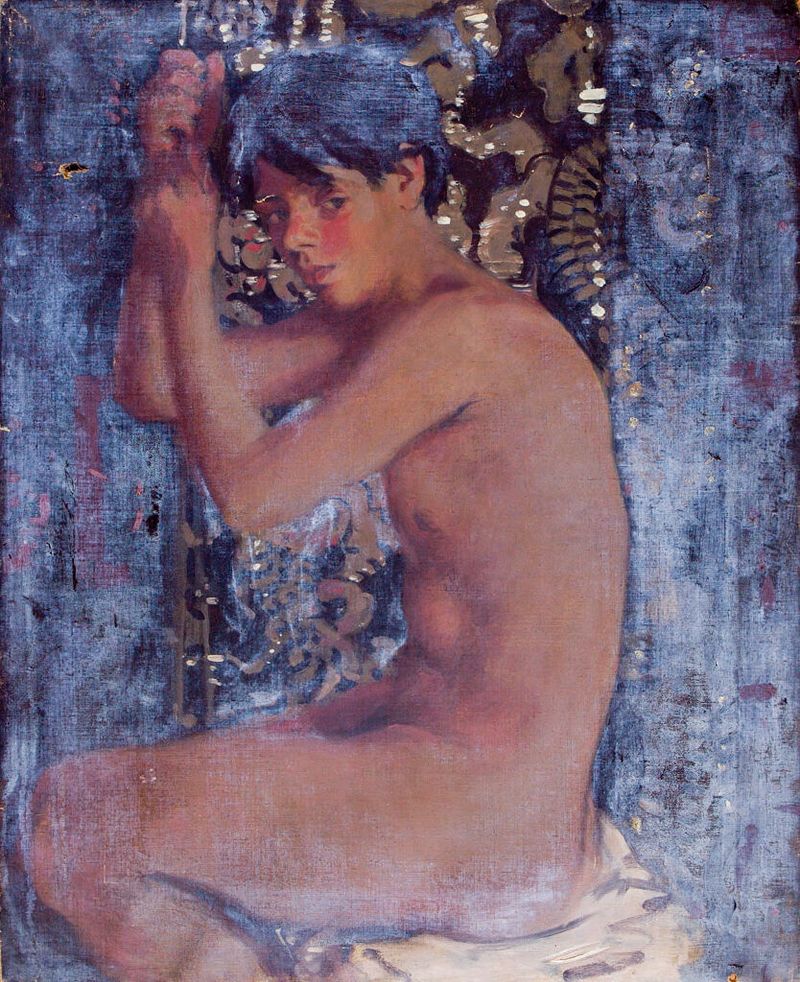
Portrait of a Seated Young Man
Denman Waldo Ross
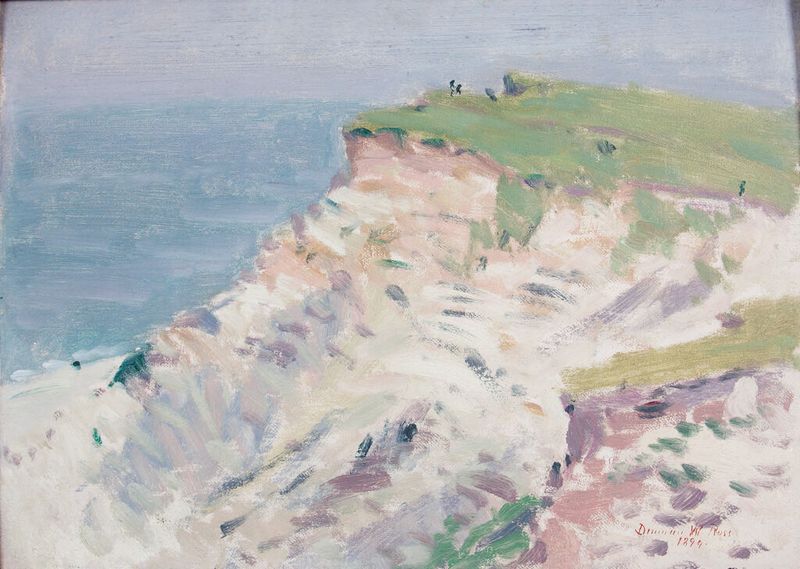
Highland Light, North Truro, Massachusetts
Denman Waldo Ross
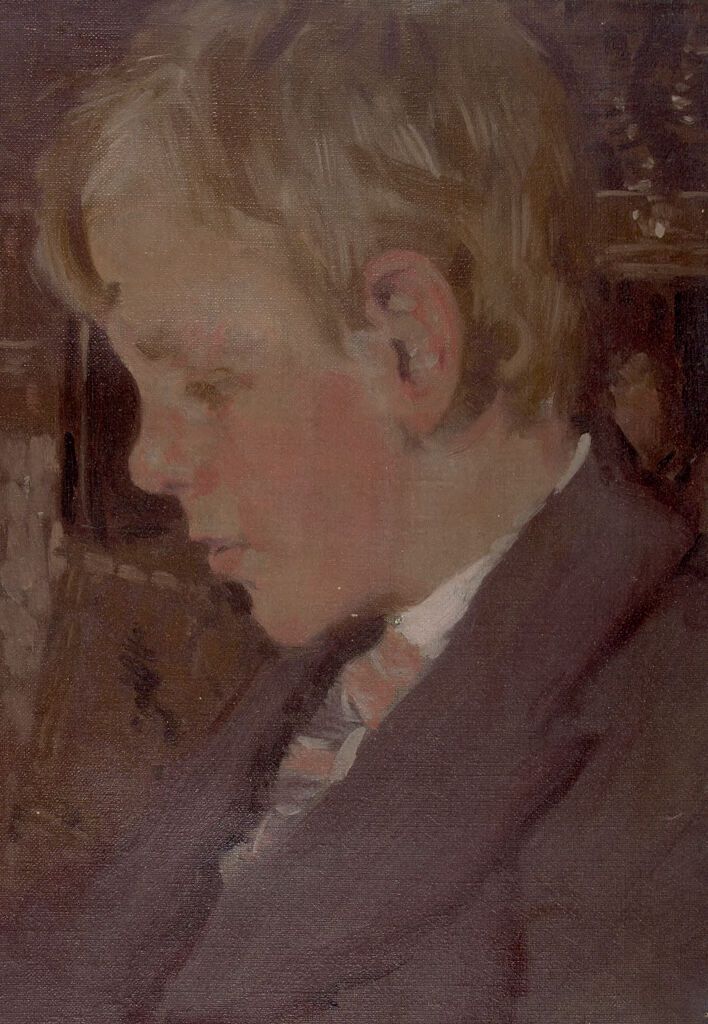
Profile Portrait of a Boy in Suit and Tie
Denman Waldo Ross
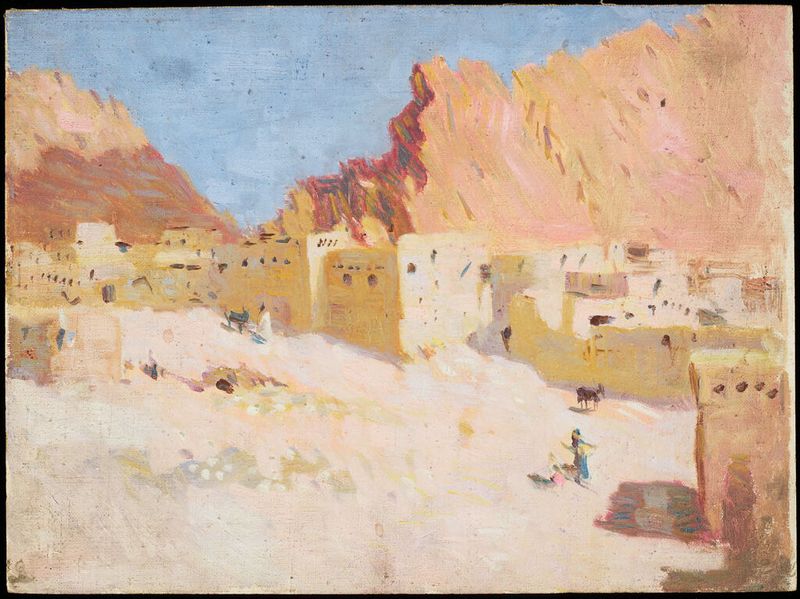
El Kantara, Near Biskra, Algeria
Denman Waldo Ross
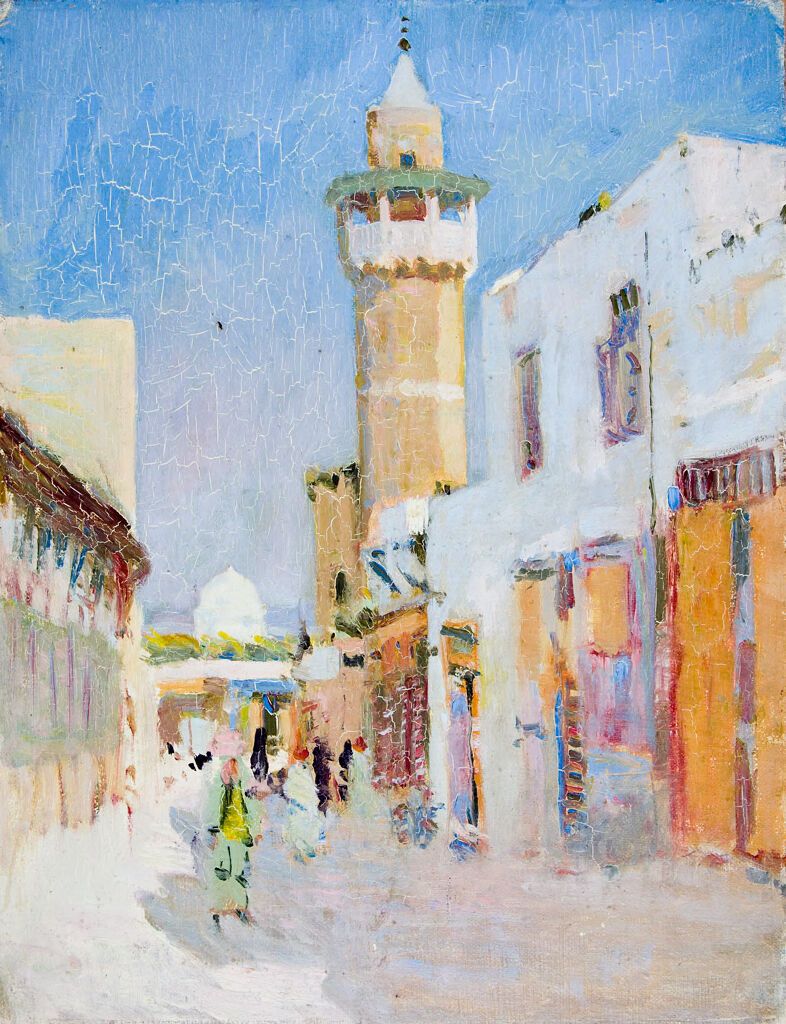
Tunis Street Scene
Denman Waldo Ross
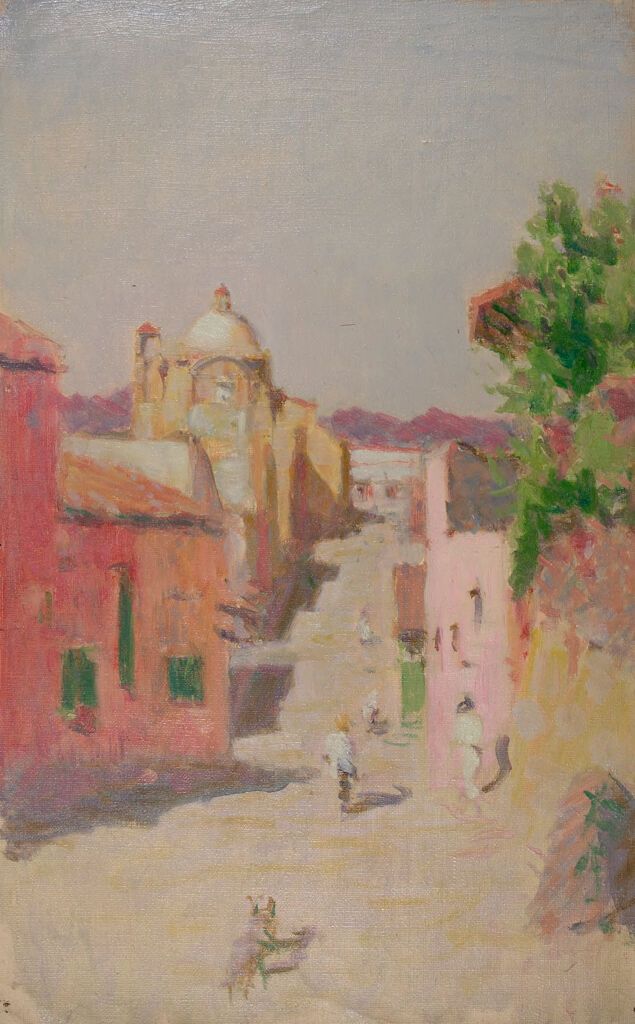
Street Scene with Animal and Figures
Denman Waldo Ross
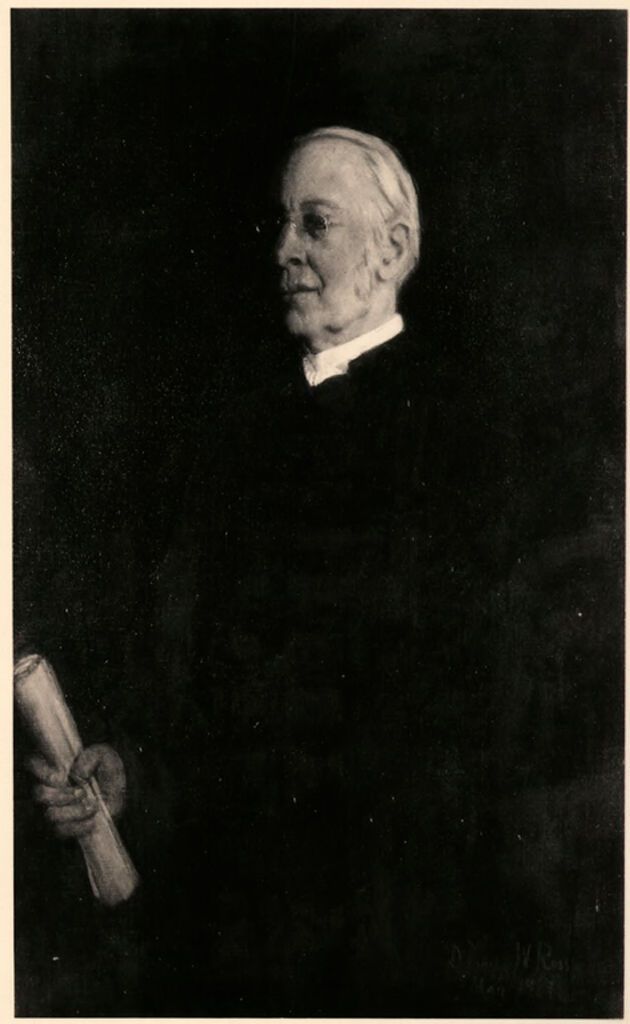
Charles William Eliot (1834-1926)
Denman Waldo Ross
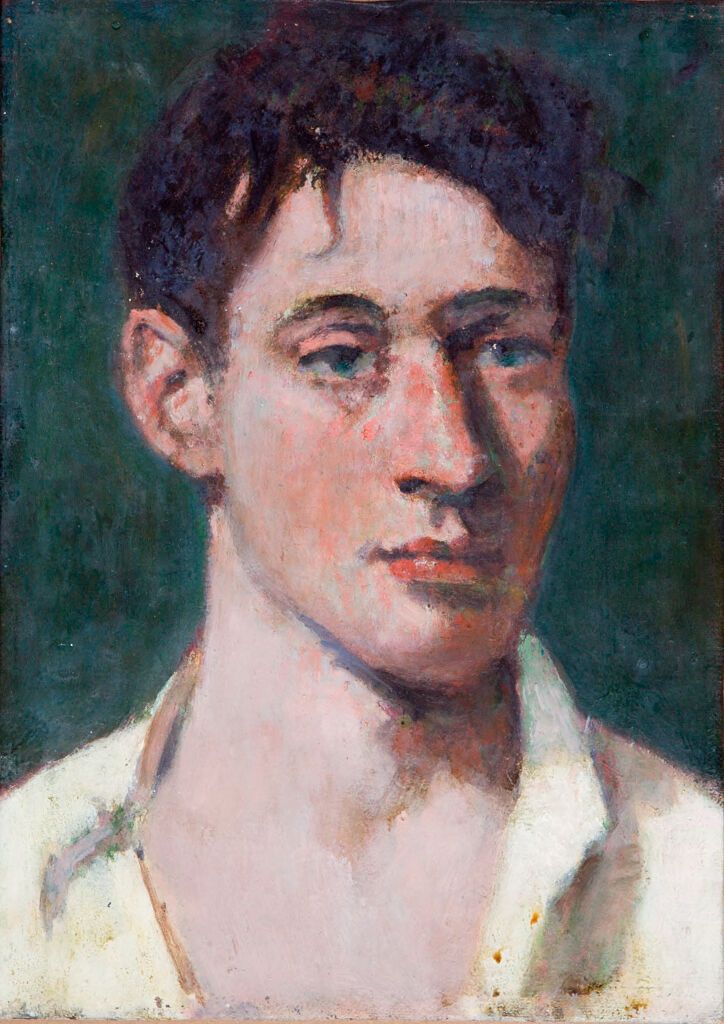
Portrait of a Young Man in White Shirt
Denman Waldo Ross
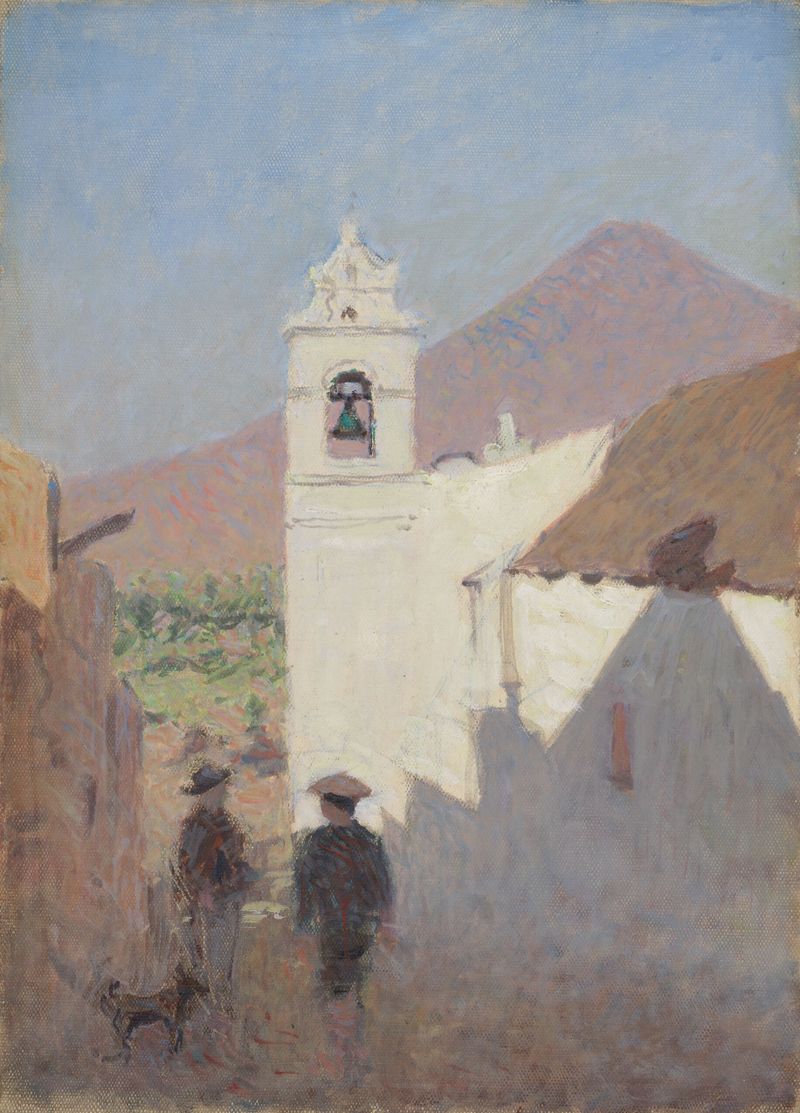
Village Near Arequipa, Peru
Denman Waldo Ross

York Harbor, Maine
Denman Waldo Ross
More Portrait Art
Browse all →
Las meninas
Diego Velázquez

Self-portrait with a Bandaged Ear and Pipe
Unidentified artist

Girl with a Pearl Earring
Johannes Vermeer

The Sampling Officials of the Amsterdam Drapers’ Guild, Known as ‘The Syndics’
Rembrandt van Rijn

The Hundred Guilder Print: the man seen on the back in the lower left corner
Rembrandt van Rijn

Portrait of Dr Gachet
Vincent van Gogh