
Portrait of a Young Man with Hands Clasped at Shoulder — History & Facts
When did color learn to lie? This question lingers in the air, inviting us to contemplate the dissonance between surface beauty and underlying truths. Look closely at the young man's clasped hands resting upon his shoulders, the delicate grip suggesting both vulnerability and restraint. The muted colors—earthy browns and soft greens—infuse the composition with a sense of decay, evoking the passage of time. Notice how the light gently bathes his face, casting shadows that carve out the contours of his features, creating a striking contrast between youth and the inevitability of fading presence. The tension within the painting lies in the juxtaposition of his serene expression against the weight of his posture.
The clasps of his fingers convey both protection and entrapment, hinting at deeper emotional struggles perhaps hidden beneath a calm exterior. The choice of muted tones not only reflects a nostalgia for a moment but also emphasizes the transient nature of life, reminding viewers that even the most vibrant can ultimately succumb to decay. Created in the late 19th to early 20th century, this work emerged during a period of significant change for Denman Waldo Ross, who was deeply influenced by the evolving art movements of the time. Living in an America transitioning towards modernism, he sought to balance traditional techniques with emerging philosophies, capturing both the beauty and fragility of youth in a world that was rapidly transforming.
More Artworks by Denman Waldo Ross
Browse all →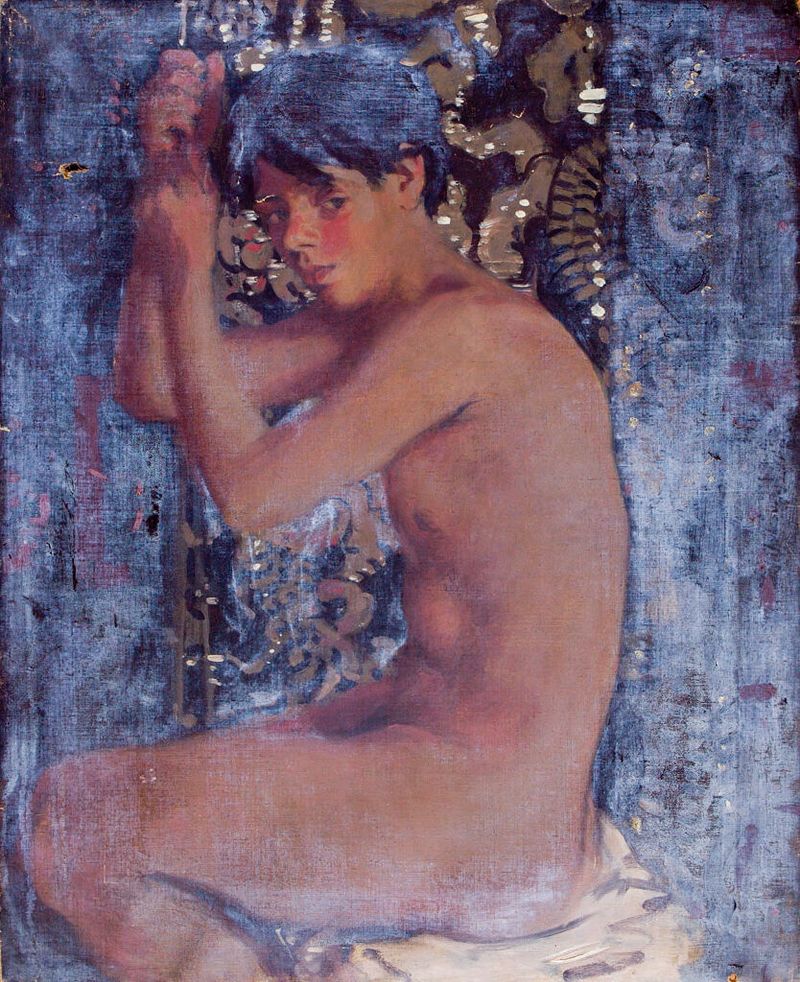
Portrait of a Seated Young Man
Denman Waldo Ross
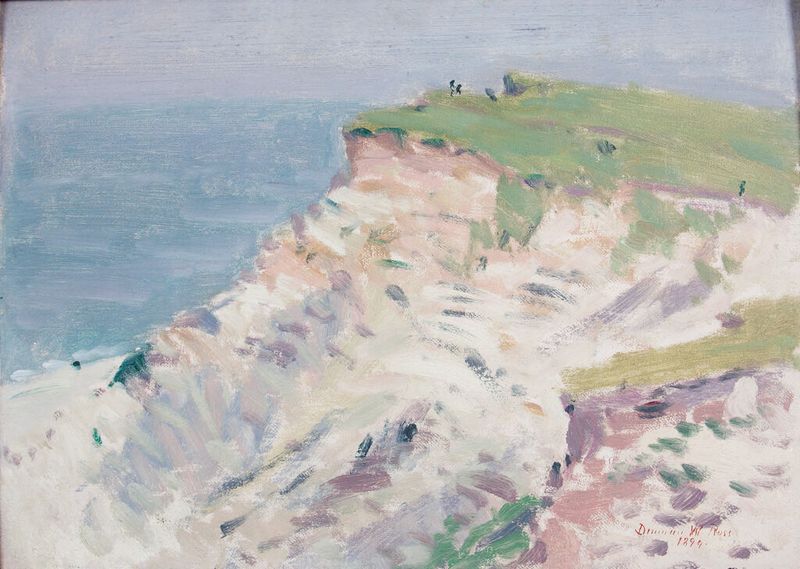
Highland Light, North Truro, Massachusetts
Denman Waldo Ross
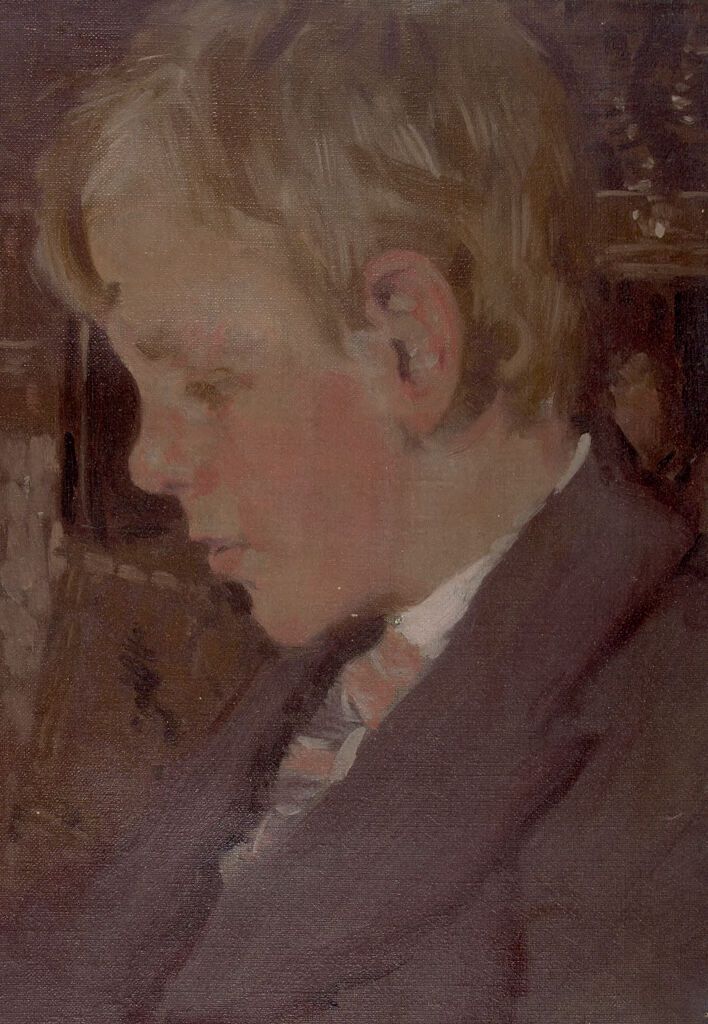
Profile Portrait of a Boy in Suit and Tie
Denman Waldo Ross
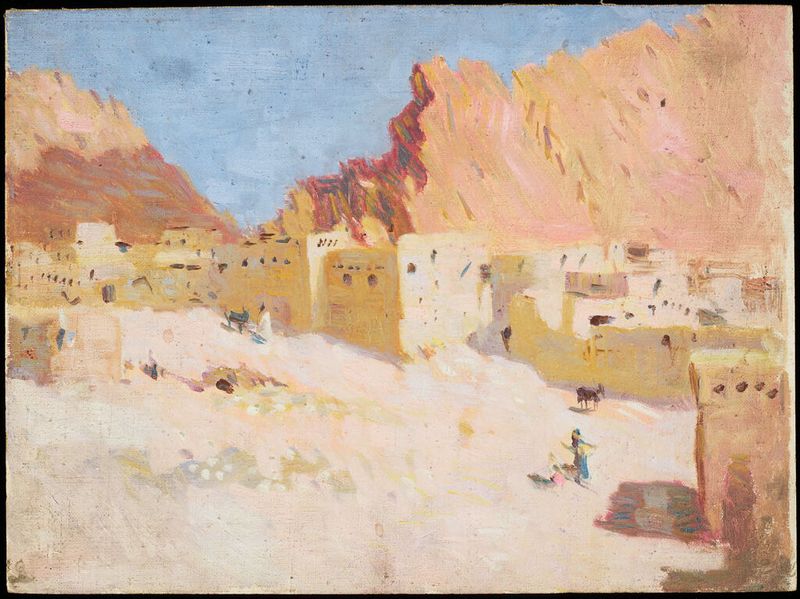
El Kantara, Near Biskra, Algeria
Denman Waldo Ross
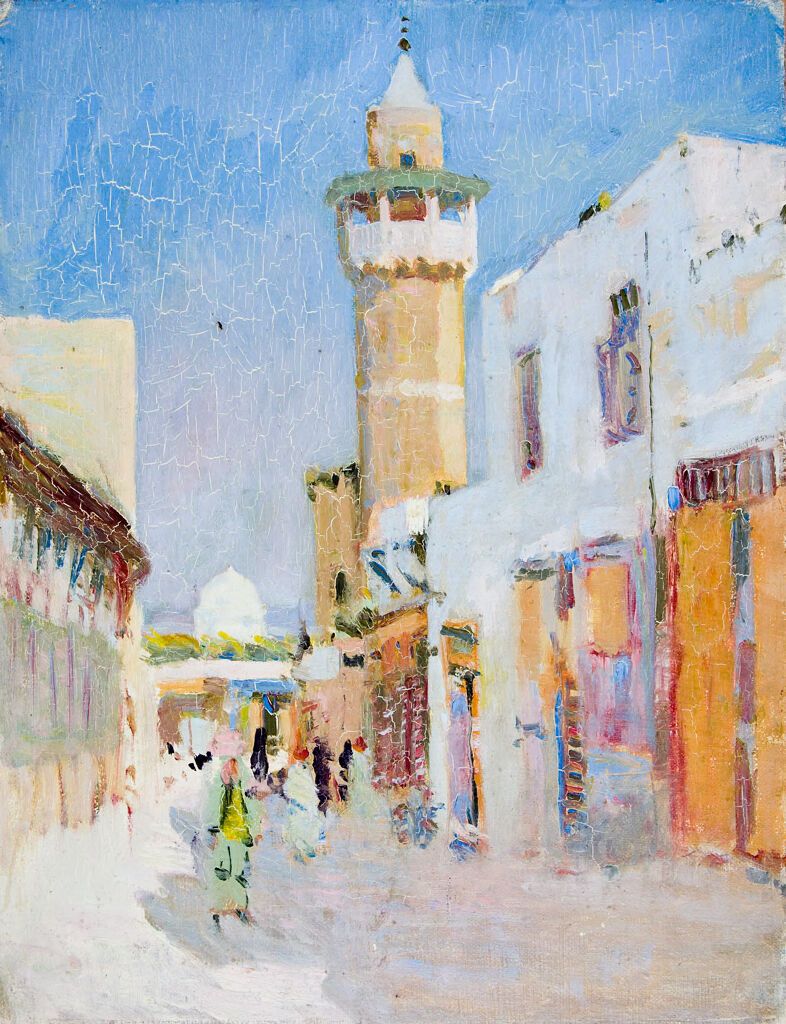
Tunis Street Scene
Denman Waldo Ross
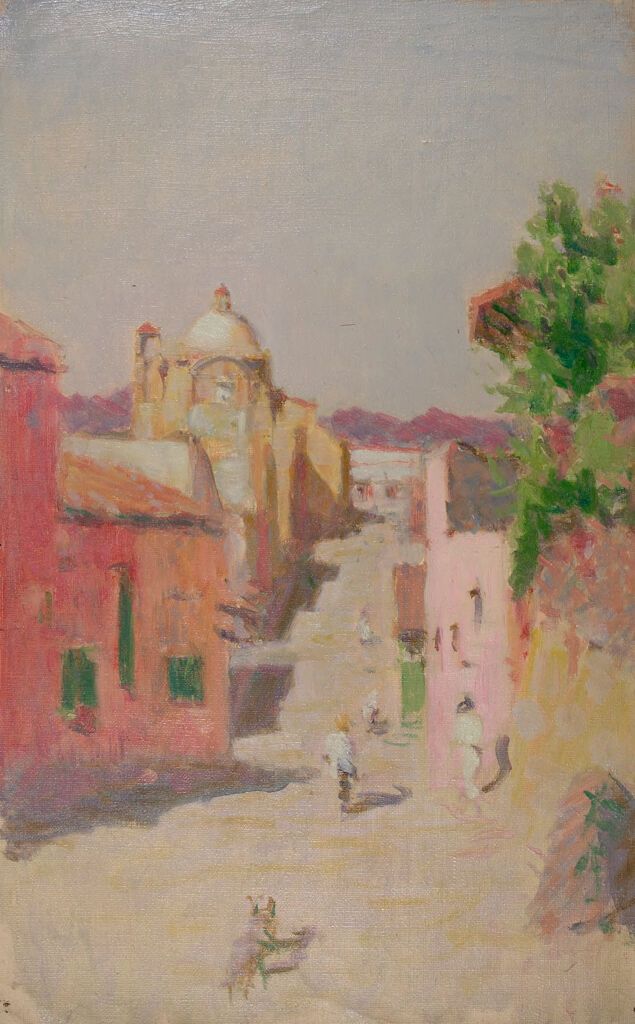
Street Scene with Animal and Figures
Denman Waldo Ross
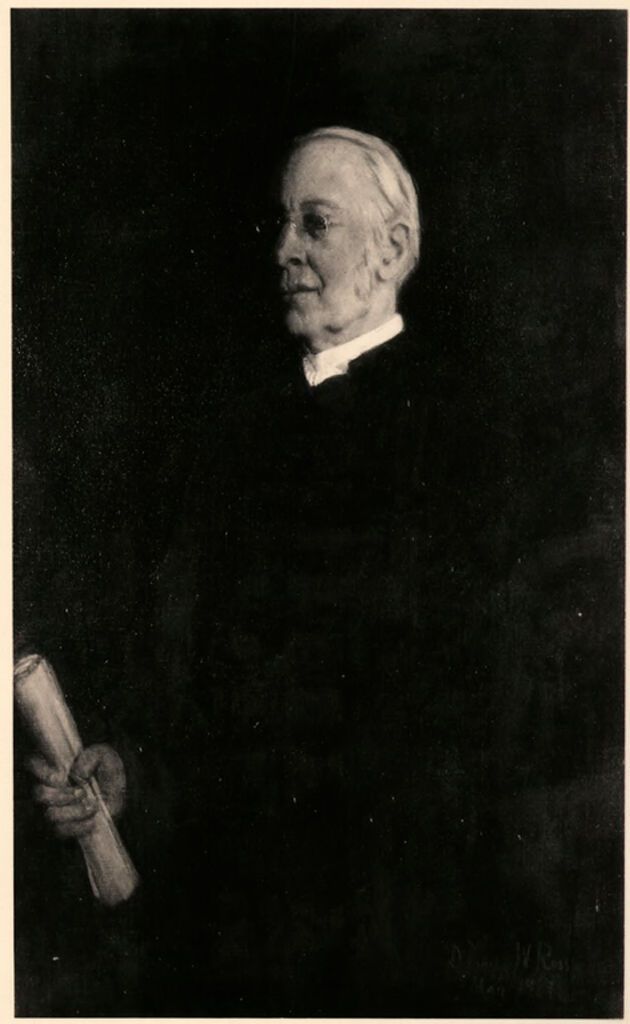
Charles William Eliot (1834-1926)
Denman Waldo Ross
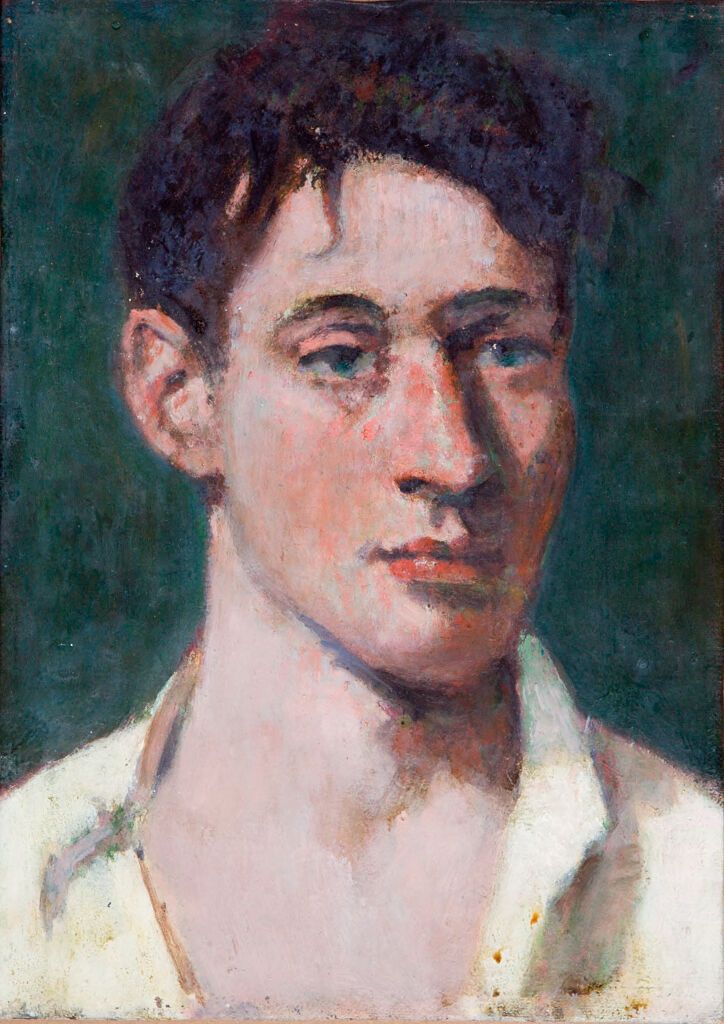
Portrait of a Young Man in White Shirt
Denman Waldo Ross
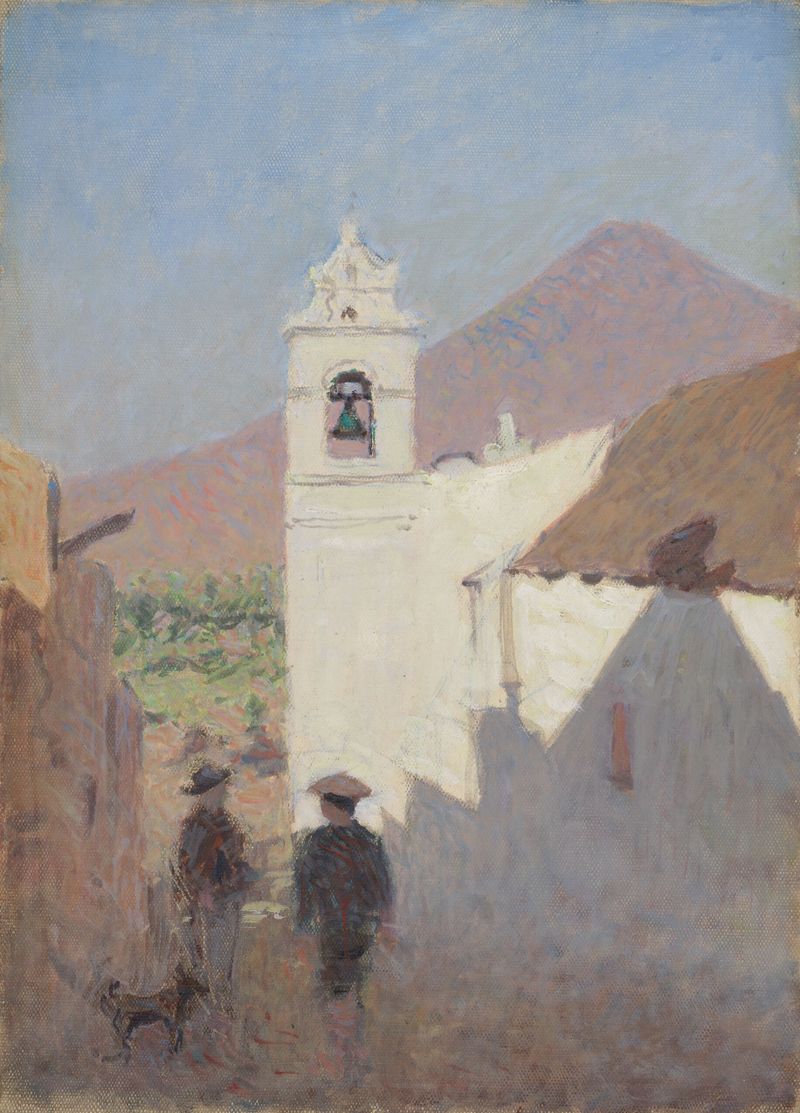
Village Near Arequipa, Peru
Denman Waldo Ross

York Harbor, Maine
Denman Waldo Ross
More Portrait Art
Browse all →
Las meninas
Diego Velázquez

Self-portrait with a Bandaged Ear and Pipe
Unidentified artist

Girl with a Pearl Earring
Johannes Vermeer

The Sampling Officials of the Amsterdam Drapers’ Guild, Known as ‘The Syndics’
Rembrandt van Rijn

The Hundred Guilder Print: the man seen on the back in the lower left corner
Rembrandt van Rijn

Portrait of Dr Gachet
Vincent van Gogh