
Portrait of actress Hedvig Raa-Winterhjelm — History & Facts
What first seizes the viewer in Portrait of actress Hedvig Raa-Winterhjelm is the fierce, almost theatrical intensity of the sitter’s gaze. Her eyes, dark and sharply focused, pull us into an unspoken drama, while her hands—one clutching the other—suggest both control and a flicker of tension. The white drapery behind her is not just a backdrop but a stage curtain, amplifying the sense that we are witnessing a moment between acts, suspended in anticipation.
The deep red of her headscarf and sash, set against the crisp white of her robe, signals a character both regal and defiant, while the gold trim and jewelry hint at a role of significance, perhaps a queen or tragic heroine. Every detail, from the set of her jaw to the careful braiding of her hair, is marshaled to tell us this is a woman accustomed to command—on stage, if not in life. Painted in 1876, this portrait belongs to a world where the theater was both a mirror and a battleground for society’s shifting values. In the late nineteenth century, actresses like Hedvig Raa-Winterhjelm were celebrated and scrutinized in equal measure, their public image shaped as much by their roles as by their real selves.
Portraits of performers were often commissioned to capture not just likeness but the aura of their stage persona, blurring the line between art and life. Albert Edelfelt, the artist, was part of a generation fascinated by the interplay of reality and performance, and his choice to present Raa-Winterhjelm in costume speaks to this fascination. Now held in the collection of Hannu Aaltonen, this work stands as both a record of a singular presence and a window onto an era when the stage was a crucible for new identities.
Look again: is this a portrait of a woman, or of a role she never quite leaves behind?
More Artworks by Albert Edelfelt

The Day of Rest
Albert Edelfelt
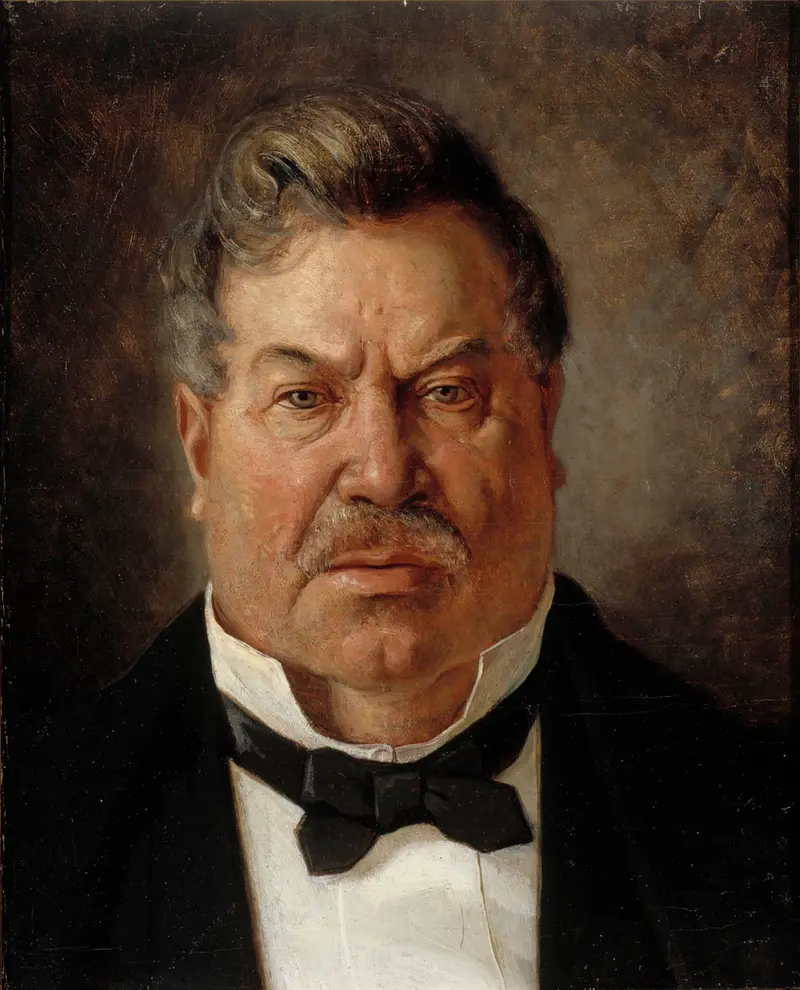
Portrait of August Streng
Albert Edelfelt
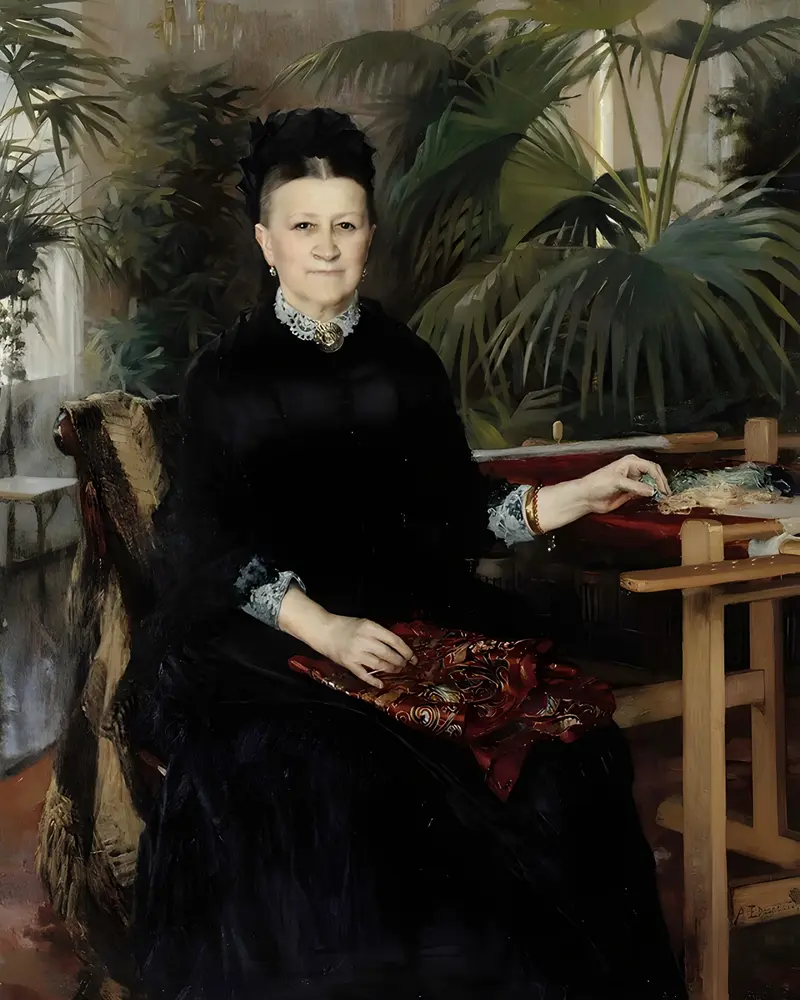
Portrait Of Mrs. Anna Sinebrychoff
Albert Edelfelt

The Poet, Larin Paraske
Albert Edelfelt

Parisian lady in a Peignoir
Albert Edelfelt
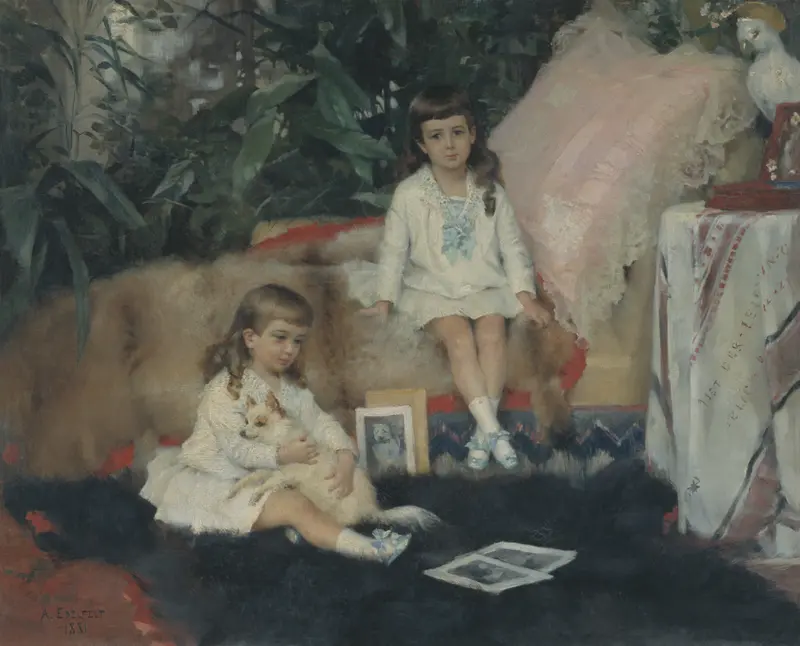
The Grand Dukes Boris and Kirill Vladimirovich as Children
Albert Edelfelt
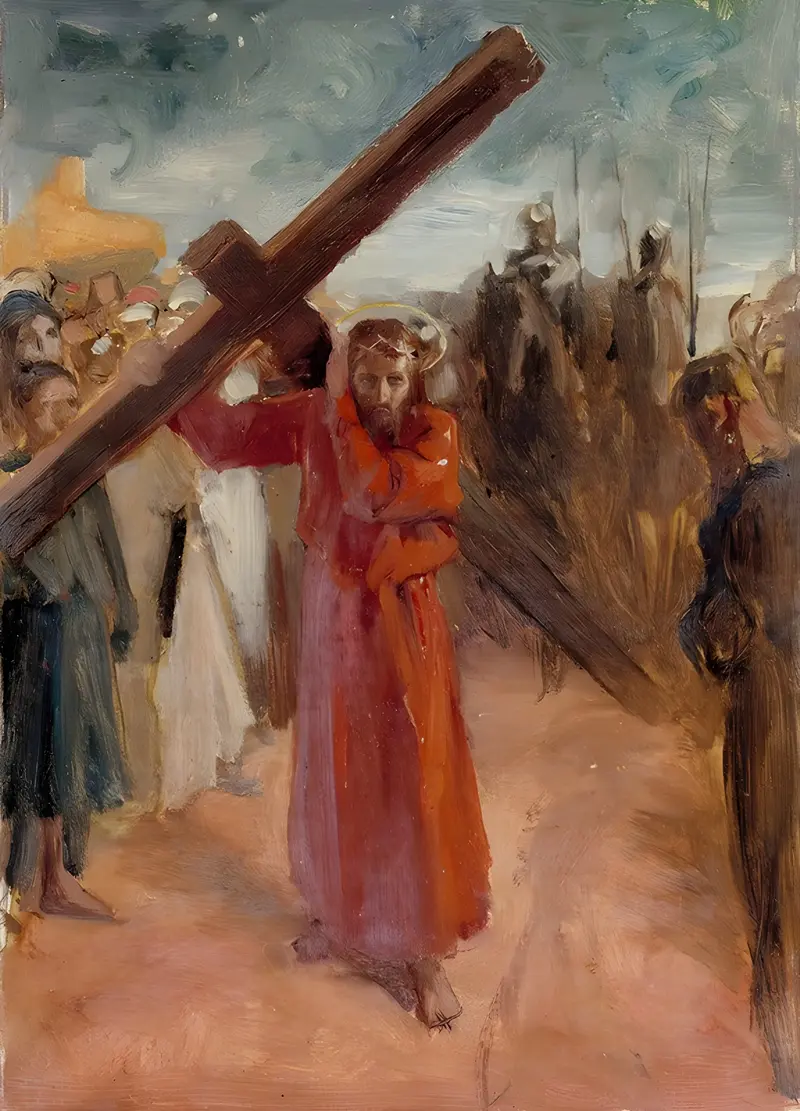
Christ Bears The Cross
Albert Edelfelt
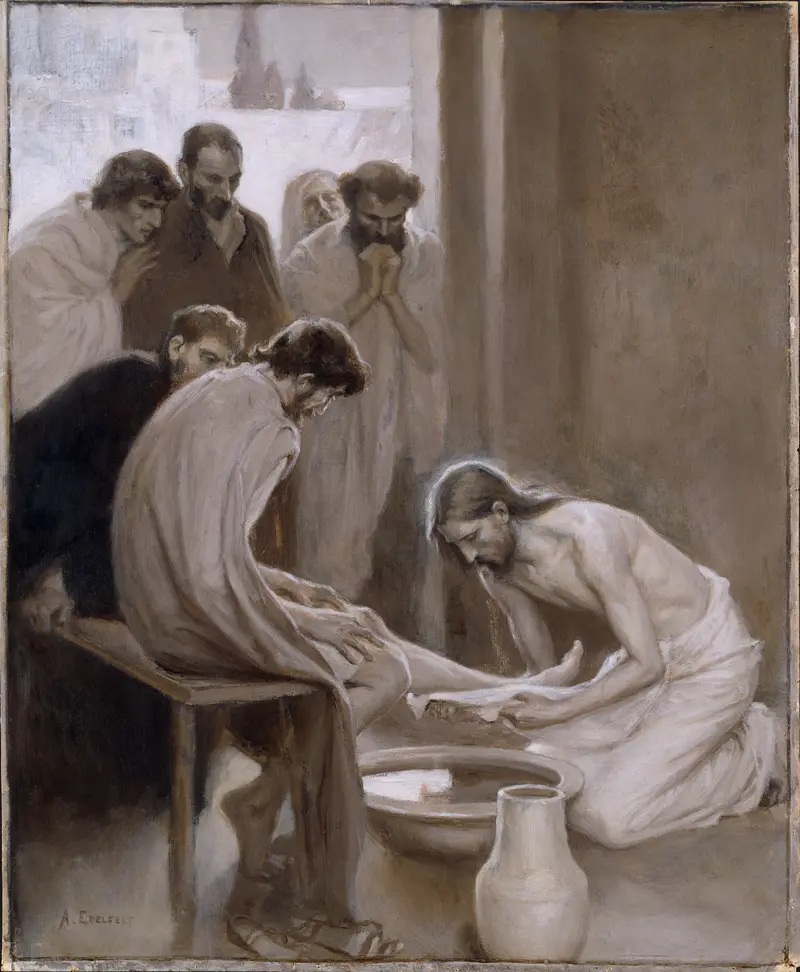
Jesus Washing the Feet of his Disciples
Albert Edelfelt

Larin Paraske with Kantele
Albert Edelfelt
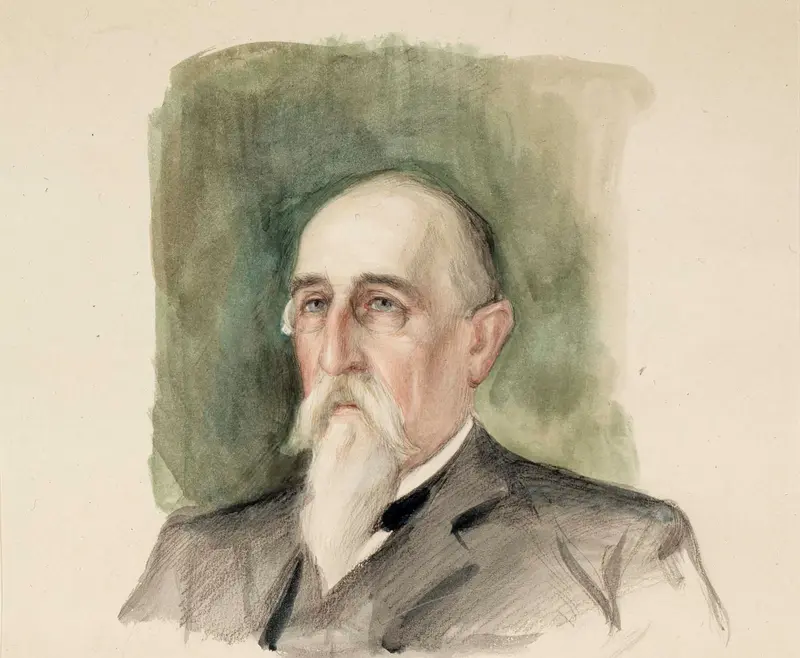
Leo Mechelin, Portrait Study
Albert Edelfelt





