
Portrait of Anthonia van der Linden — History & Facts
What first draws the eye in Portrait of Anthonia van der Linden is the gentle, almost meditative quiet that settles over the sitter’s face. The soft modeling of her features, caught in a haze of golden light, gives the impression of a private moment interrupted—her gaze turned slightly away, her lips closed as if she has just finished speaking or is about to begin. The artist, Aert Schouman, chooses a restrained palette, letting cool blues and warm ochres play across the folds of her dress and the delicate skin of her hands.
Notice the way her right hand gently crosses her body, fingers relaxed, neither tense nor posed, suggesting composure rather than display. The background recedes into shadow, focusing all attention on the sitter and creating a sense of intimacy, as if the viewer has stepped quietly into her world. Created in 1737, this portrait belongs to a period in Dutch art when private likenesses were both a sign of status and a cherished family legacy. By the time Aert Schouman painted this work, portraiture had become a way for the rising middle class and established families alike to assert their place in society, often commissioning such works to mark marriages, alliances, or generational continuity.
While little is recorded about the specific journey of this painting, its presence today in the collection of Museum Boijmans Van Beuningen in Rotterdam speaks to the enduring appeal of these quiet, personal images. The sitter’s reserved demeanor and the artist’s careful handling invite us to linger, searching for the traces of character and history that remain just beneath the surface.
More Artworks by Aert Schouman

Gezicht op Dordrecht met de Rietdijkspoort en windmolens
Aert Schouman
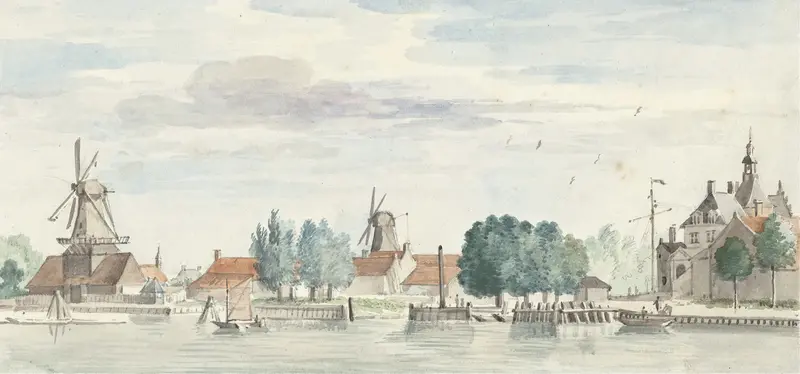
Gezicht op Dordrecht met de Rietdijkspoort en windmolens
Aert Schouman
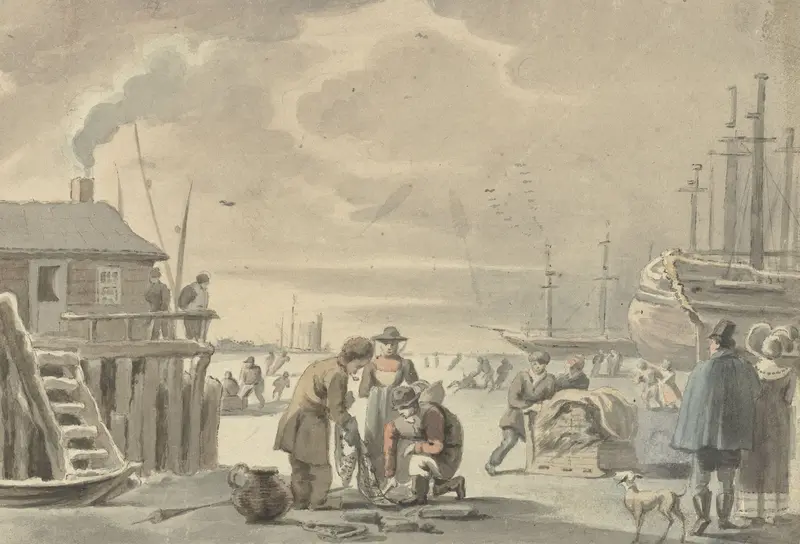
Gezicht op de bevroren Merwede bij Moerdijk
Aert Schouman
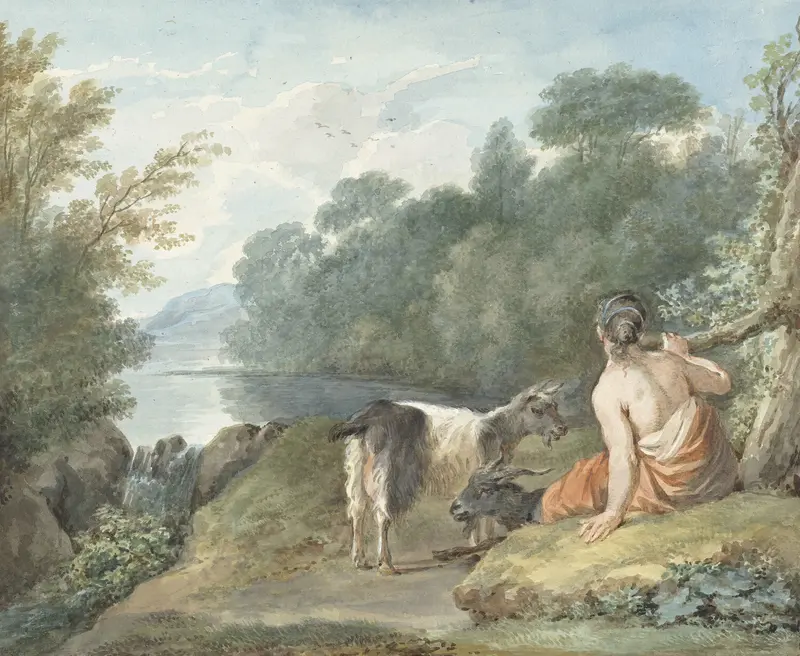
Herderin met geiten in een landschap met een meer
Aert Schouman
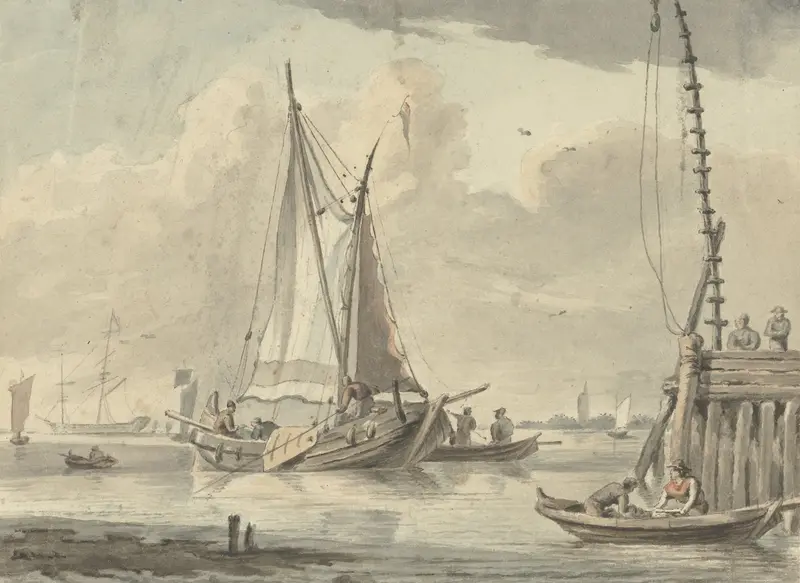
Zeilschepen op de rivier bij Dordrecht
Aert Schouman

Zeilend schip op de Beneden Merwede bij de Papendrechtse dijk
Aert Schouman
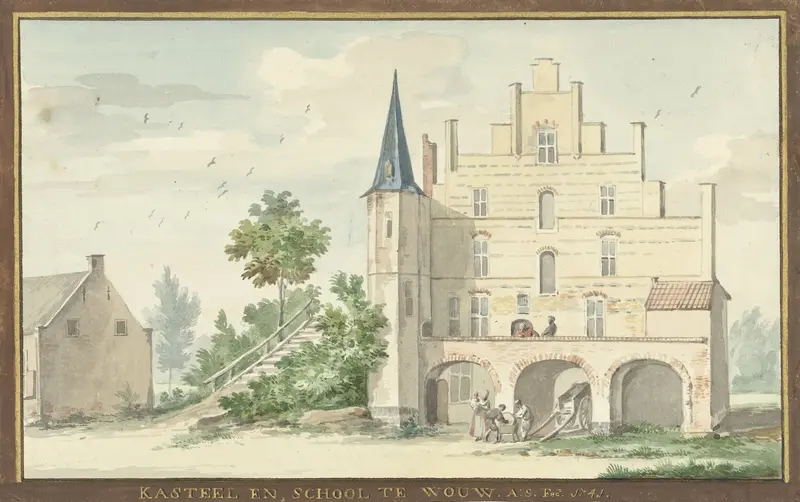
Het kasteel en school te Wouw
Aert Schouman
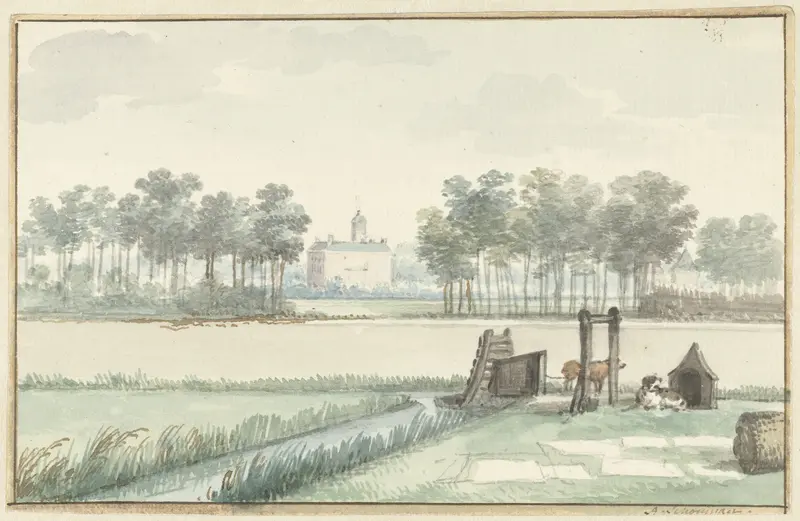
Het kasteel Ter Hooge op Walcheren
Aert Schouman
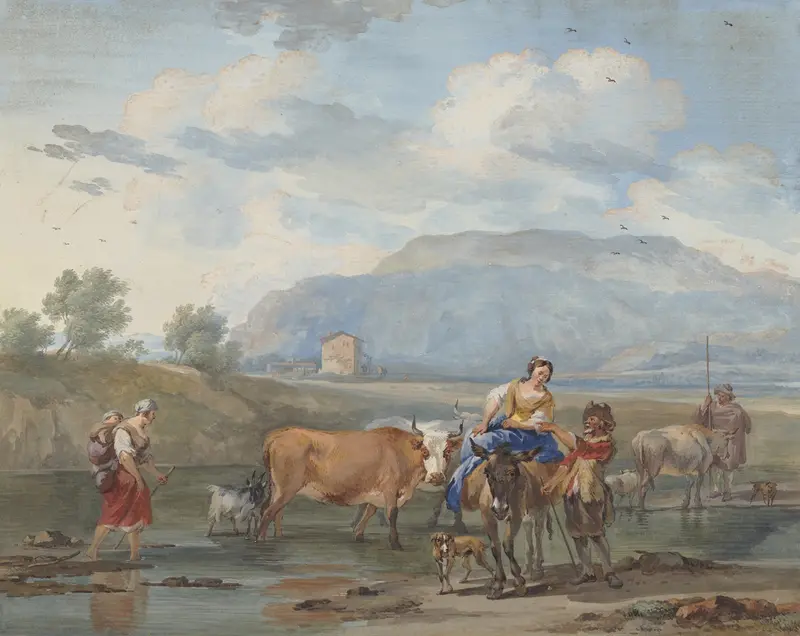
Hirten treiben Kühe durch ein Wasser, links trägt eine Frau ihr Kind auf dem Rücken, rechs reitet eine andere auf einem Esel
Aert Schouman
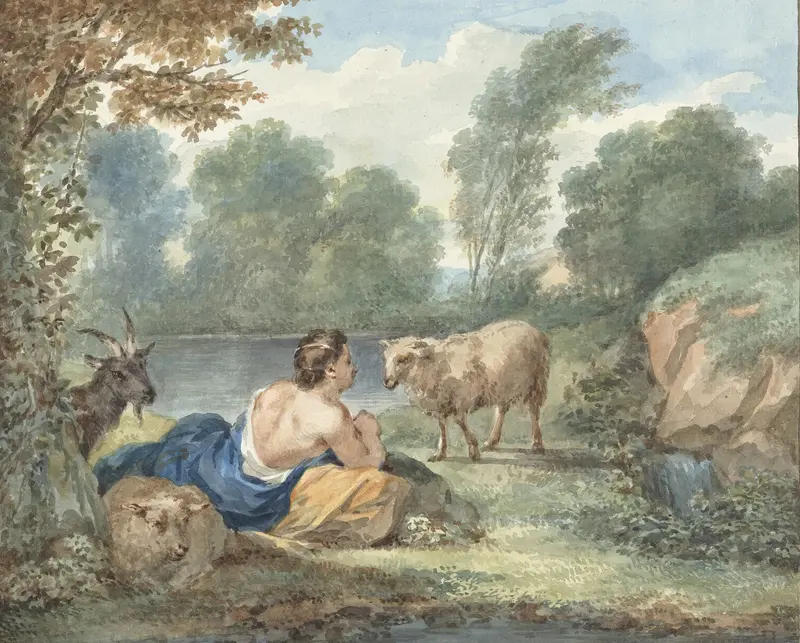
Herderin met schapen in een landschap met een meertje
Aert Schouman





