
Portrait of Arend Maartensz de Heer — History & Facts
What first catches the eye in Portrait of Arend Maartensz de Heer is the sitter’s direct, almost appraising gaze, as if he is weighing the viewer as much as he is being observed. The light falls across his face and hand, drawing attention to his composed features and the careful gesture that gathers his cloak. Every detail in the pose is deliberate: the slightly parted lips suggest a breath caught between words, while the hand, poised and elegant, signals self-possession and perhaps a hint of pride.
The muted palette—olive greens and soft ochres—sets a sober, reflective mood, allowing the face and gesture to dominate the scene. There is no distraction from background or ornament; all is focused on the man’s presence and the impression he leaves. Painted in 1737, this portrait belongs to a world where likeness was both a record and a declaration. In the Dutch Republic of the eighteenth century, portraits such as this were commissioned by prosperous citizens eager to assert their status and character for posterity.
Aert Schouman was known for his versatility, but here he adopts the formal conventions of his time: the sitter is rendered with clarity and restraint, the background kept dark to emphasize individuality. History has kept few traces of Arend Maartensz de Heer himself, but the portrait survives in the collection at Museum Boijmans Van Beuningen, Rotterdam—a quiet testament to the era’s fascination with self-presentation and the enduring power of a steady gaze.
More Artworks by Aert Schouman

Gezicht op Dordrecht met de Rietdijkspoort en windmolens
Aert Schouman
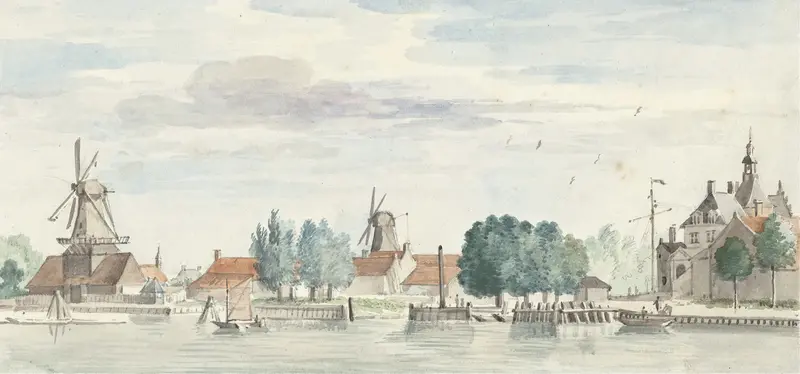
Gezicht op Dordrecht met de Rietdijkspoort en windmolens
Aert Schouman
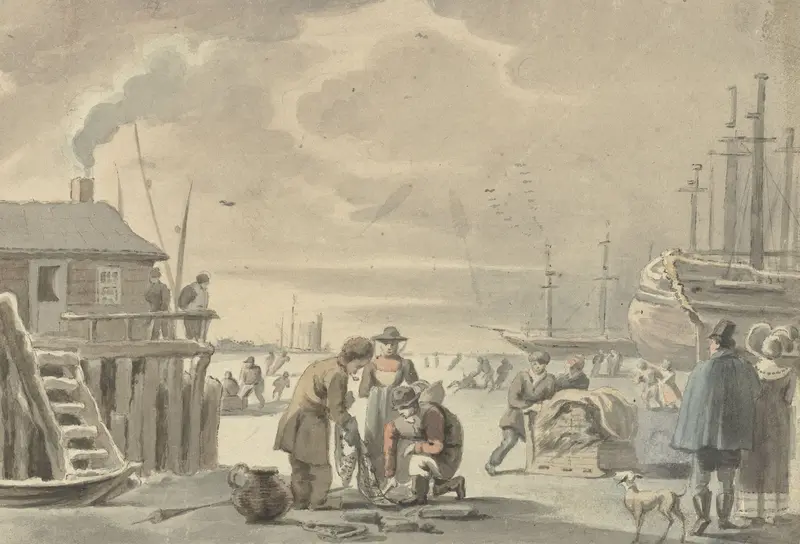
Gezicht op de bevroren Merwede bij Moerdijk
Aert Schouman
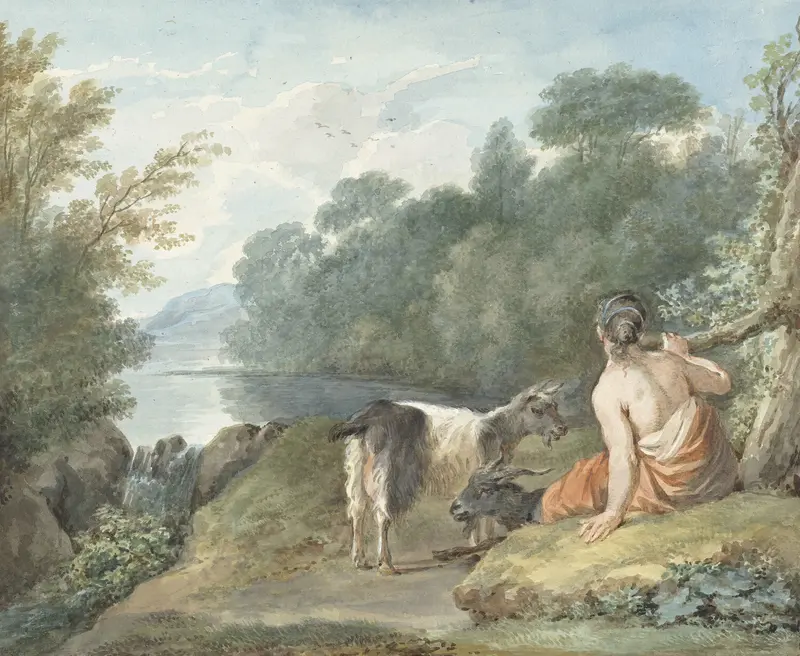
Herderin met geiten in een landschap met een meer
Aert Schouman
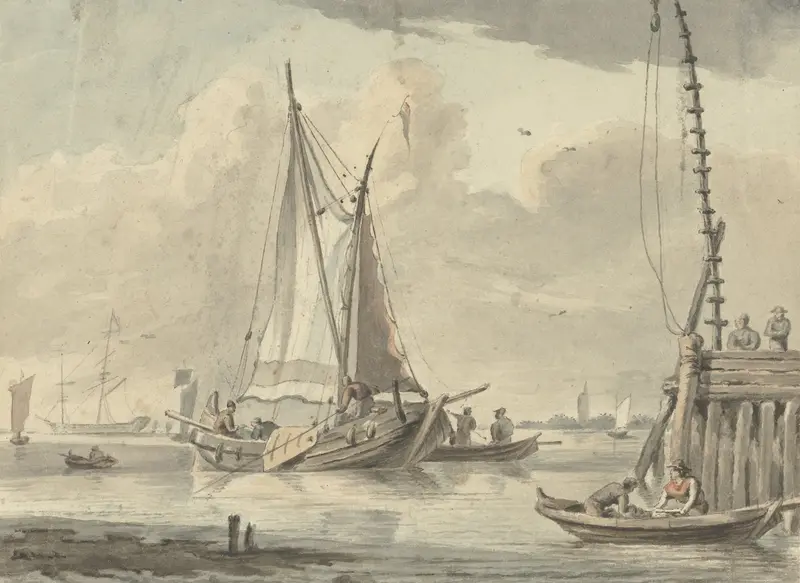
Zeilschepen op de rivier bij Dordrecht
Aert Schouman

Zeilend schip op de Beneden Merwede bij de Papendrechtse dijk
Aert Schouman
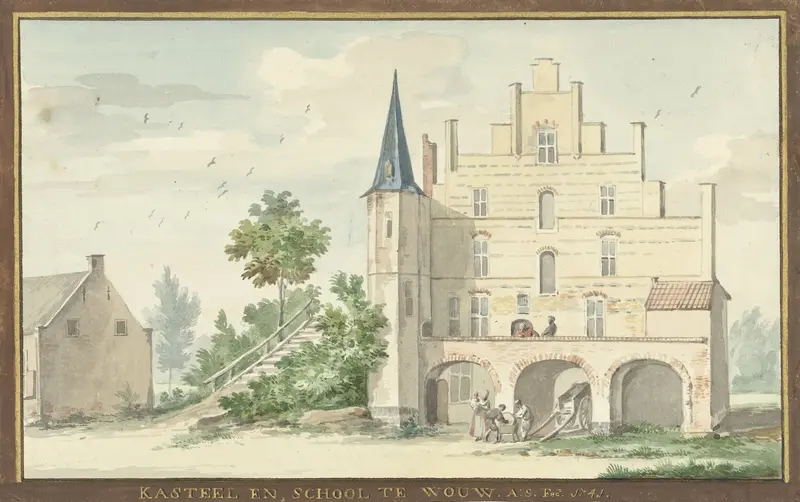
Het kasteel en school te Wouw
Aert Schouman
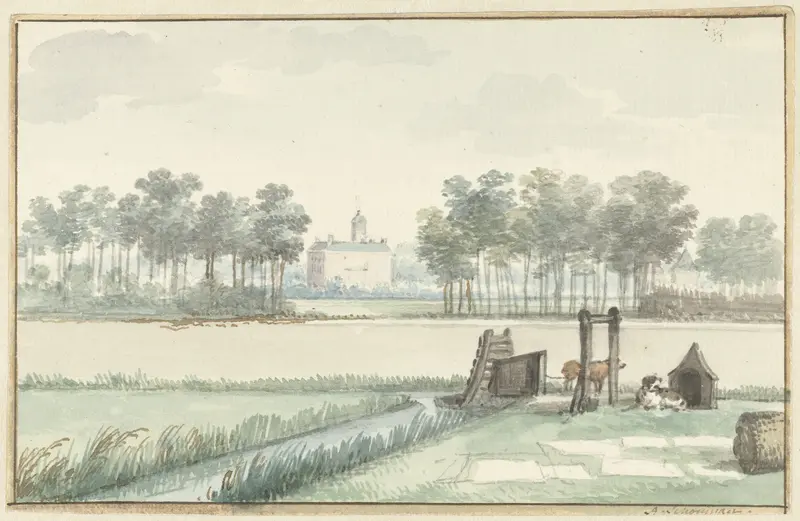
Het kasteel Ter Hooge op Walcheren
Aert Schouman
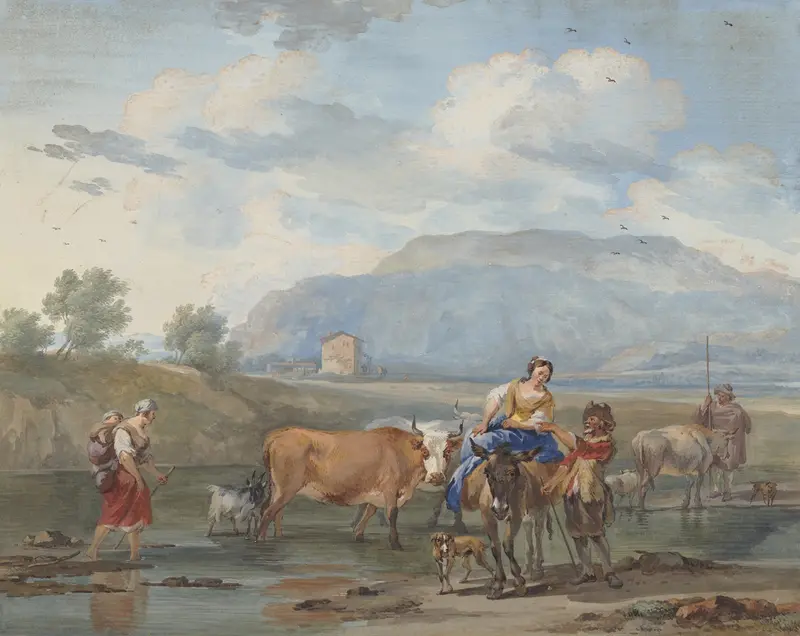
Hirten treiben Kühe durch ein Wasser, links trägt eine Frau ihr Kind auf dem Rücken, rechs reitet eine andere auf einem Esel
Aert Schouman
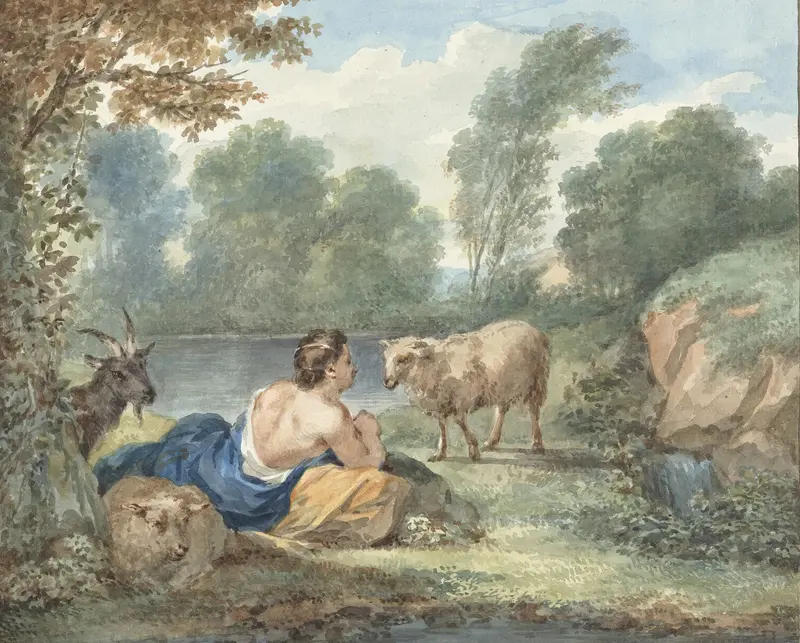
Herderin met schapen in een landschap met een meertje
Aert Schouman





