
Portrait of Catharina Cornelia de Heer — History & Facts
What first draws the eye in Portrait of Catharina Cornelia de Heer is not the sitter’s composed gaze, but the presence of her small dog, nestled on a crimson cushion and meeting the viewer with an alert, almost questioning look. The animal’s collar, adorned with a delicate ornament, hints at the affection and status it holds within this quiet domestic world. Catharina Cornelia’s hand rests gently on her companion, her fingers poised in a gesture that is both protective and tender, while her other hand anchors the scene, creating a triangle of connection between woman, pet, and viewer.
The soft green of her dress is set off by the muted background, which draws all attention to the interplay of faces and hands, light and shadow. There is a calm intimacy here, a sense of pause, as if the sitter has been caught in a private moment rather than a formal sitting. Painted in 1737, this portrait by Aert Schouman belongs to a period when likenesses were often commissioned to mark family ties, social standing, or significant life events. In the Dutch Republic of the early eighteenth century, portraits such as this were prized for their ability to convey both the individuality and the virtues of their subjects—qualities often signaled through costume, pose, and the inclusion of beloved animals.
The work now resides in the collection of Museum Boijmans Van Beuningen, a reminder of how many such images survive without detailed records of their journeys through time. History has kept few traces of Catharina Cornelia herself, but the painting’s quiet confidence invites us to imagine her world, and to linger over the details that made her likeness worth preserving.
More Artworks by Aert Schouman

Gezicht op Dordrecht met de Rietdijkspoort en windmolens
Aert Schouman
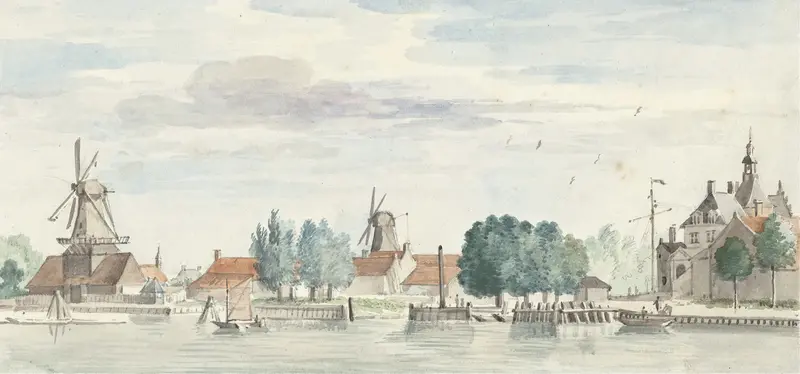
Gezicht op Dordrecht met de Rietdijkspoort en windmolens
Aert Schouman
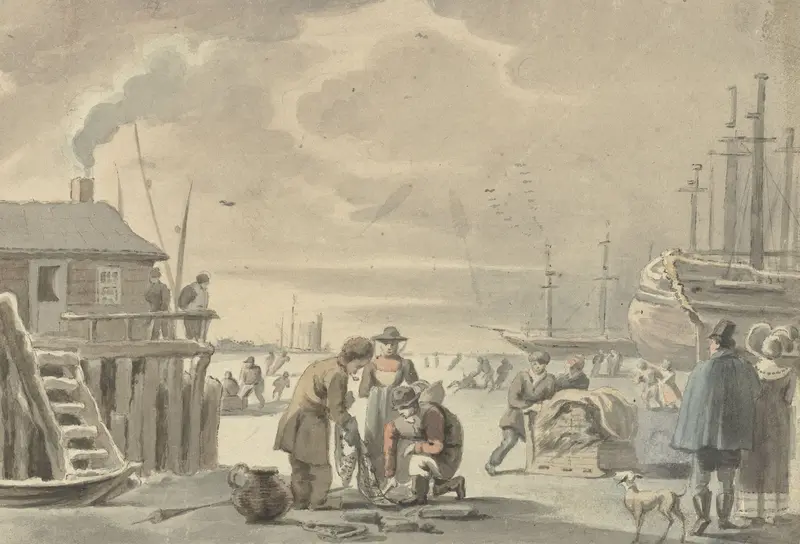
Gezicht op de bevroren Merwede bij Moerdijk
Aert Schouman
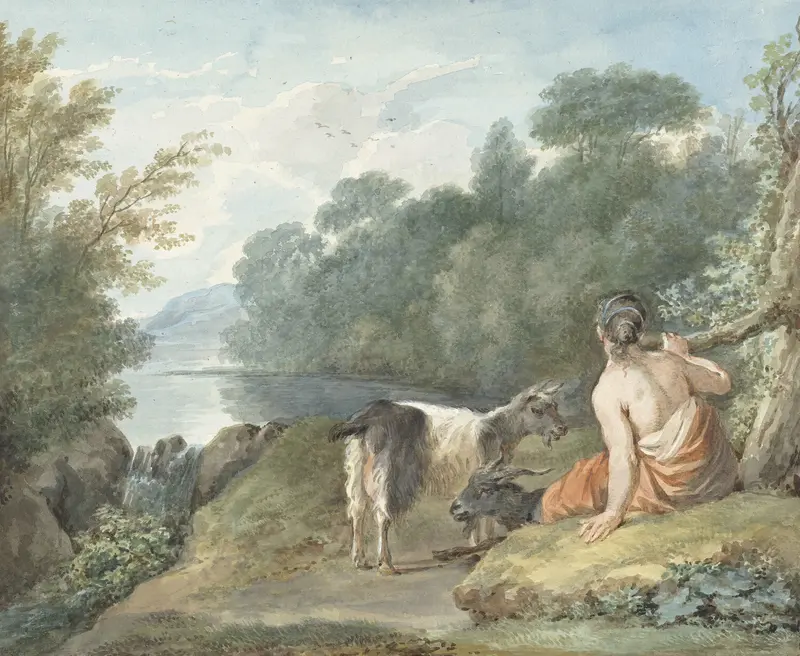
Herderin met geiten in een landschap met een meer
Aert Schouman
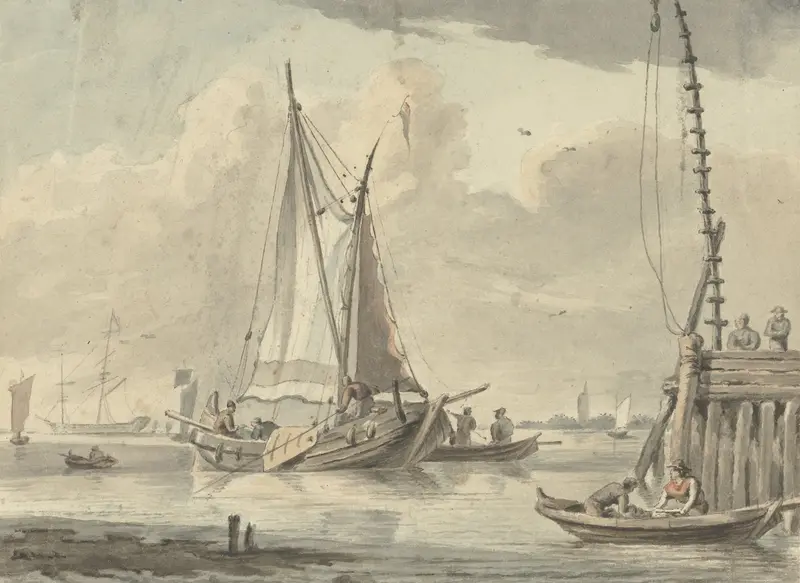
Zeilschepen op de rivier bij Dordrecht
Aert Schouman

Zeilend schip op de Beneden Merwede bij de Papendrechtse dijk
Aert Schouman
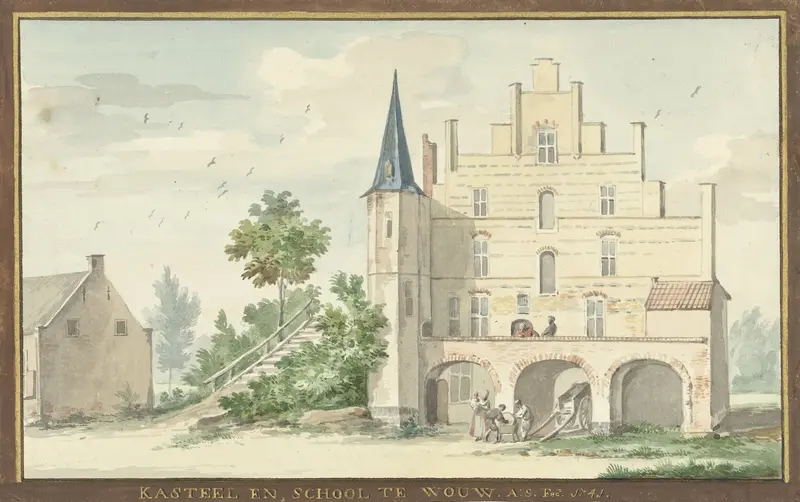
Het kasteel en school te Wouw
Aert Schouman
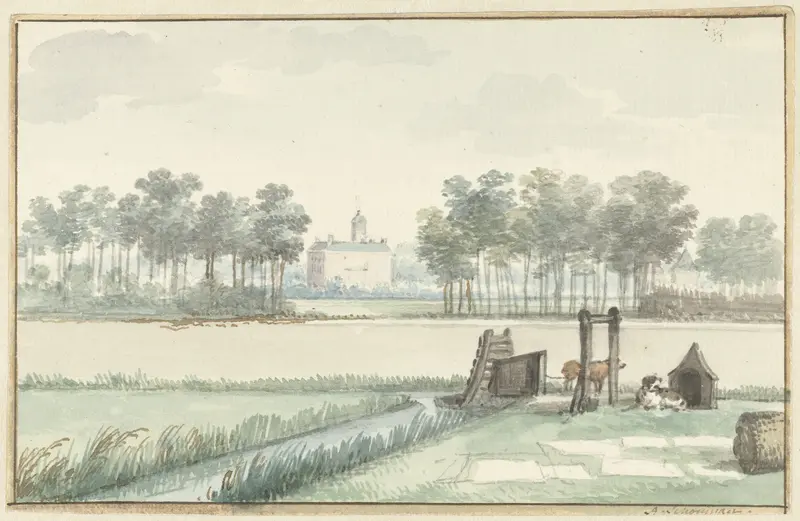
Het kasteel Ter Hooge op Walcheren
Aert Schouman
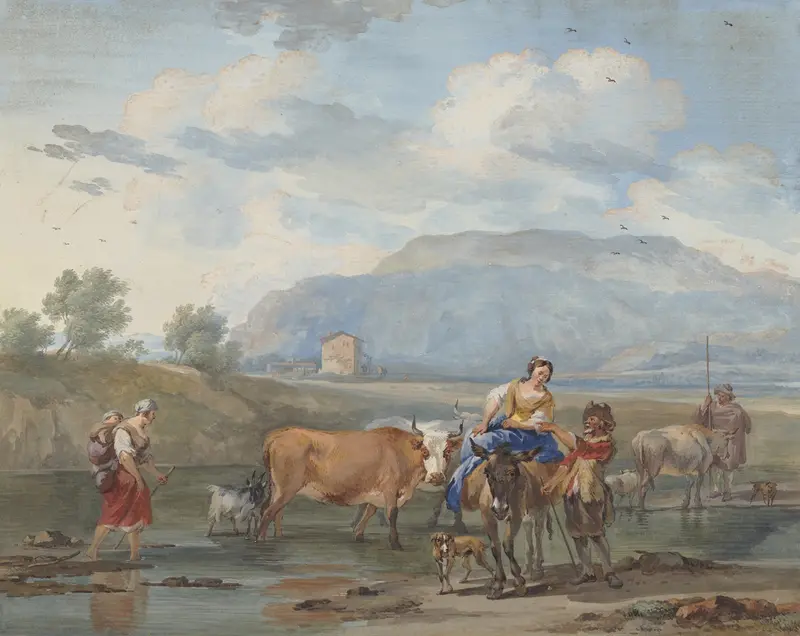
Hirten treiben Kühe durch ein Wasser, links trägt eine Frau ihr Kind auf dem Rücken, rechs reitet eine andere auf einem Esel
Aert Schouman
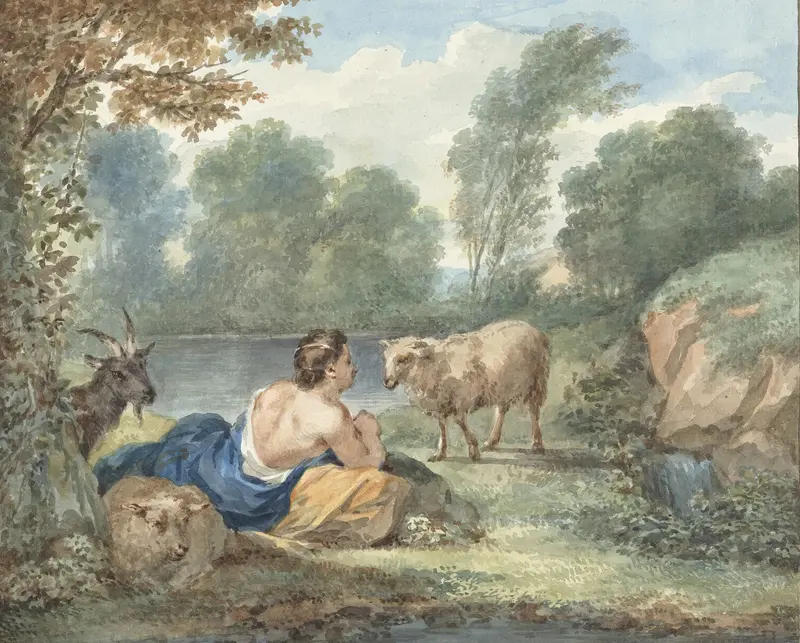
Herderin met schapen in een landschap met een meertje
Aert Schouman





