
Portrait of Consul Gustaf Hamberg — History & Facts
A single monocle catches the light, drawing the viewer straight to the sharp gaze of the sitter, while a cigar juts confidently from his mouth. In Portrait of Consul Gustaf Hamberg, Albert Edelfelt chooses not the stiff formality of officialdom, but the relaxed sprawl of a man entirely at ease in his own skin. The consul’s ample figure fills the frame, his jacket loose, his vest straining slightly, and his hands planted with authority on his thighs.
The sparse background throws all attention onto the sitter, whose direct, almost challenging stare is softened by the playful glint of his accessories—a watch chain, a bowtie, and that ever-present monocle. Painted in 1905 using watercolor and gouache, this portrait belongs to a moment when such images served as both personal tribute and social signal. Around the turn of the twentieth century, portraits of businessmen, politicians, and local notables were commissioned to mark status and commemorate achievement, often destined for offices, homes, or civic halls. Edelfelt, celebrated for his ability to capture character with a few deft strokes, here dispenses with flattery in favor of candor, hinting at both the sitter’s worldly confidence and his individuality.
History has kept few traces of the painting’s journey, but its presence in the 1949 Helsinki publication reminds us how portraiture once shaped, and reflected, the public face of its era. The consul’s gaze still dares you to meet it—look again, and see what you find.
More Artworks by Albert Edelfelt

The Day of Rest
Albert Edelfelt
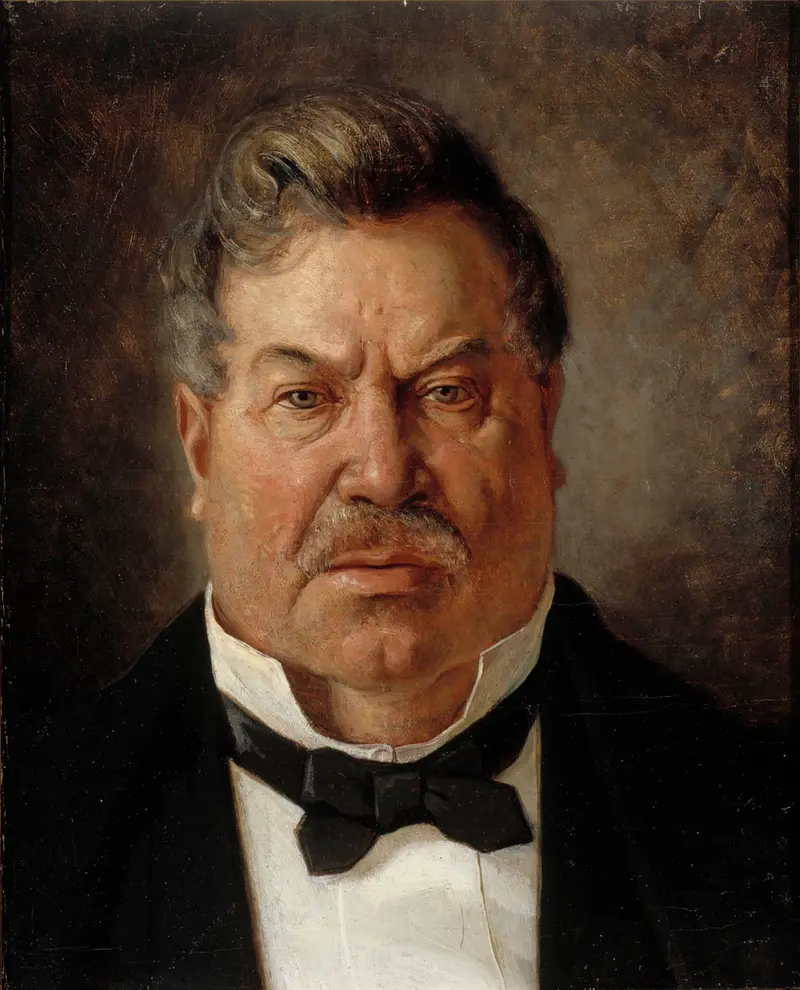
Portrait of August Streng
Albert Edelfelt
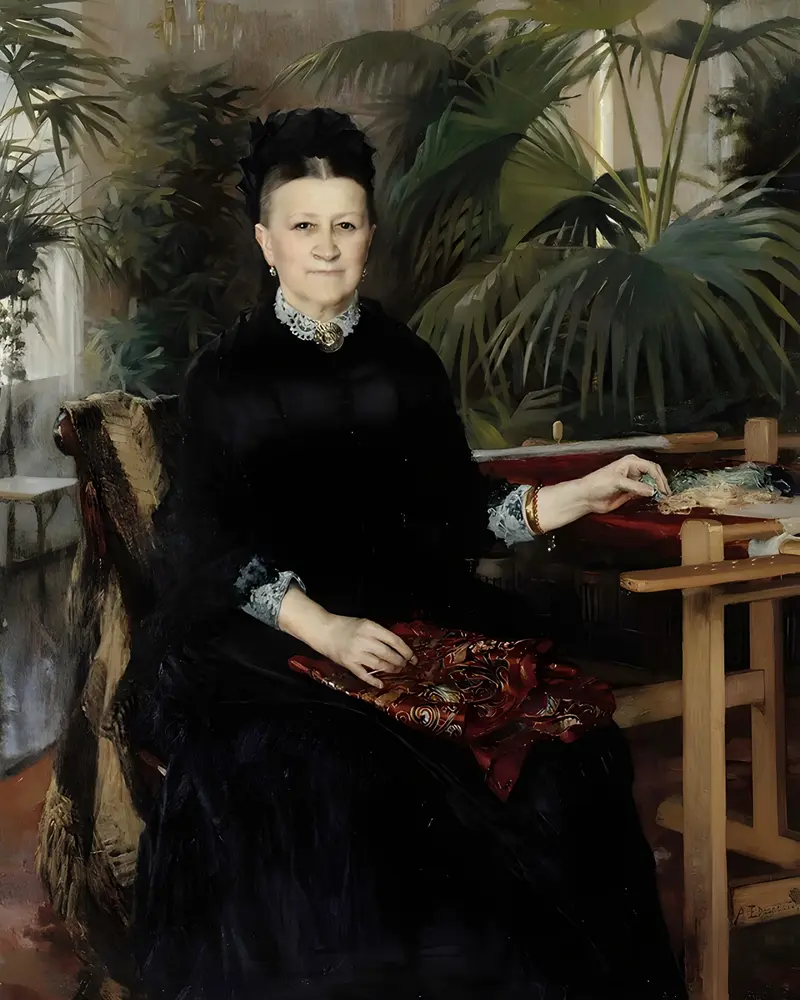
Portrait Of Mrs. Anna Sinebrychoff
Albert Edelfelt

The Poet, Larin Paraske
Albert Edelfelt

Parisian lady in a Peignoir
Albert Edelfelt
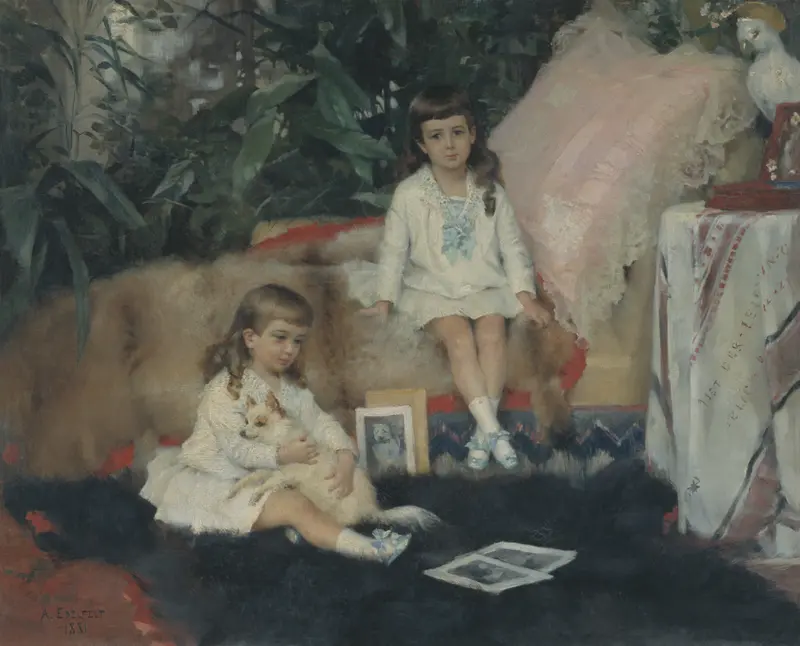
The Grand Dukes Boris and Kirill Vladimirovich as Children
Albert Edelfelt

Christ Bears The Cross
Albert Edelfelt

Jesus Washing the Feet of his Disciples
Albert Edelfelt

Larin Paraske with Kantele
Albert Edelfelt
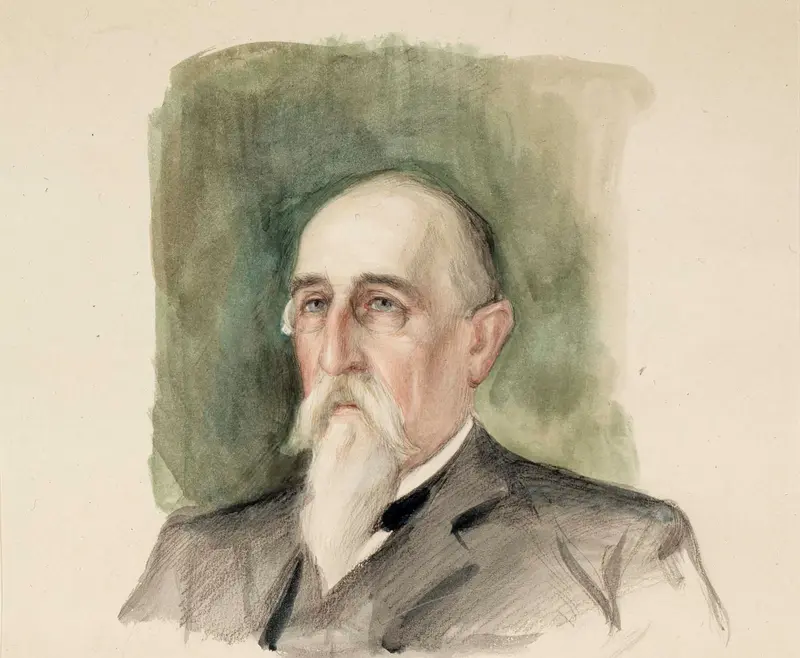
Leo Mechelin, Portrait Study
Albert Edelfelt





