
Portrait of Cornelis Sebille Roos, Art Dealer in Amsterdam and Inspector of the National Konst-Gallery and the Huis ten Bosch in The Hague — History & Facts
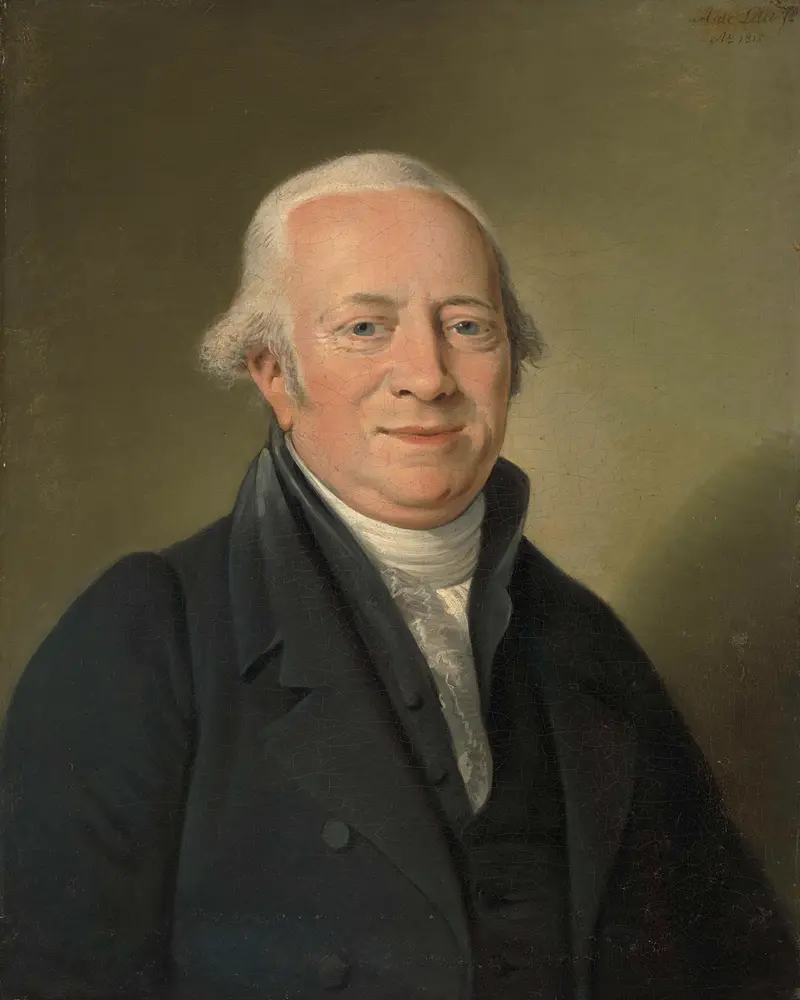
What draws the eye first is the sitter’s expression: a subtle, confident smile that seems to hover between formality and private amusement. The light falls with gentle clarity across his forehead and cheeks, giving the face a sense of immediacy and presence, while the background recedes into a soft, undistracting haze. Every detail in his clothing—the crisp white cravat, the deep, sober coat—signals the respectability and social standing of a man accustomed to navigating the world of art and commerce.
The painter, Adriaan de Lelie, chooses not to clutter the scene with symbols or attributes; instead, the focus is on the man’s character, revealed through the directness of his gaze and the relaxed set of his shoulders. The palette, restrained and cool, lends the portrait a quiet dignity, inviting the viewer to linger on the nuances of skin, fabric, and expression. Painted in 1815, this work belongs to a period when portraiture in the Netherlands was both a marker of personal achievement and a tool of public identity. The early nineteenth century saw a renewed interest in capturing the likenesses of prominent citizens—merchants, professionals, and those connected to the flourishing world of art institutions.
Portraits like this were often commissioned to commemorate status or service, intended for display in private homes or institutional settings. While the history of this specific painting remains largely in the shadows, its presence in the Rijksmuseum collection today connects it to a broader tradition of Dutch portraiture, where the individual’s story is told as much through subtle painterly choices as through any grand narrative. The sitter’s steady gaze seems to ask the viewer to consider not just who he was, but what kind of world he helped to shape.
More Artworks by Adriaan de Lelie
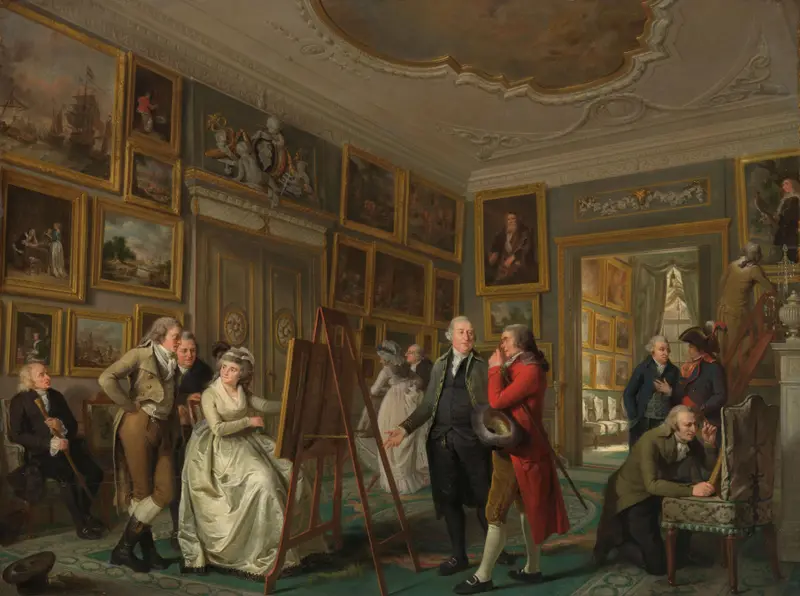
The Art Gallery of Jan Gildemeester Jansz
Adriaan de Lelie
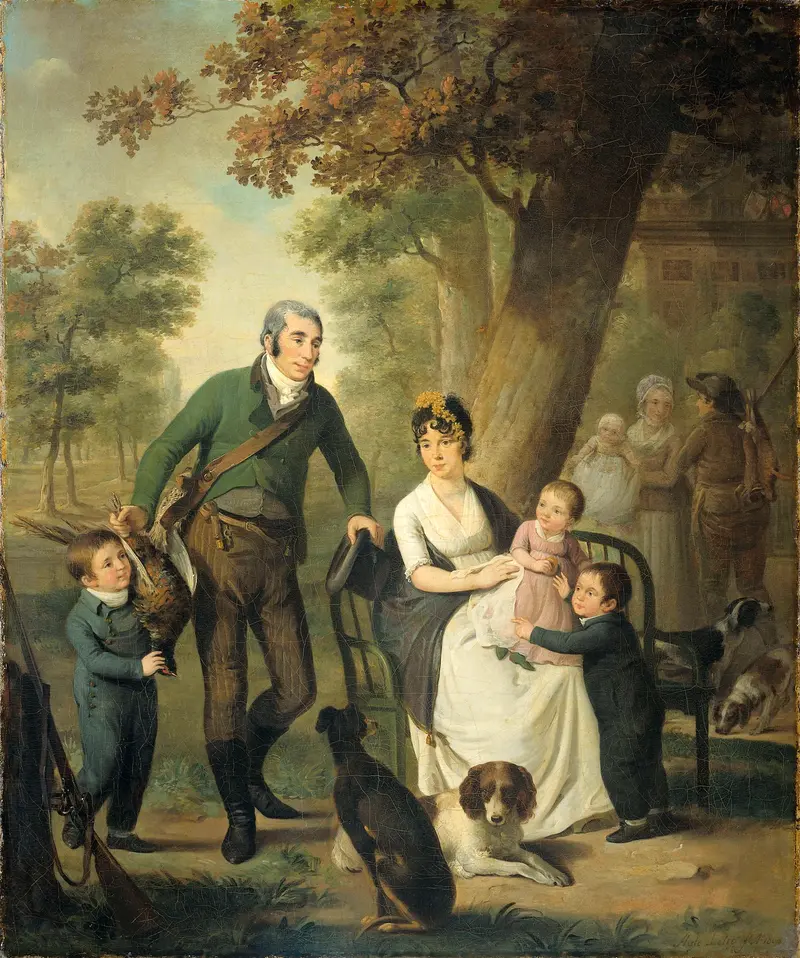
Jonkheer Gysbert Carel Rutger Reinier van Brienen van Ramerus(1771-1821), with his Wife and four of their Children
Adriaan de Lelie
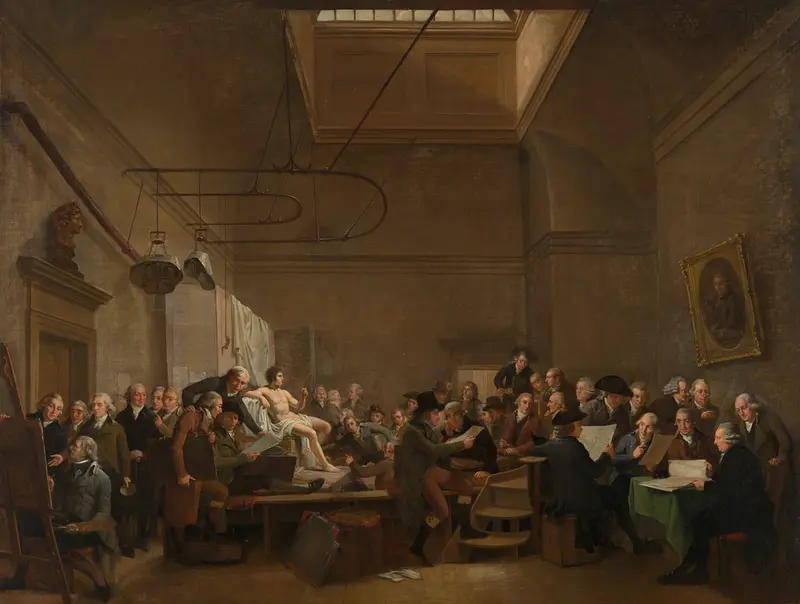
The Drawing Gallery of the Felix Meritis Society
Adriaan de Lelie
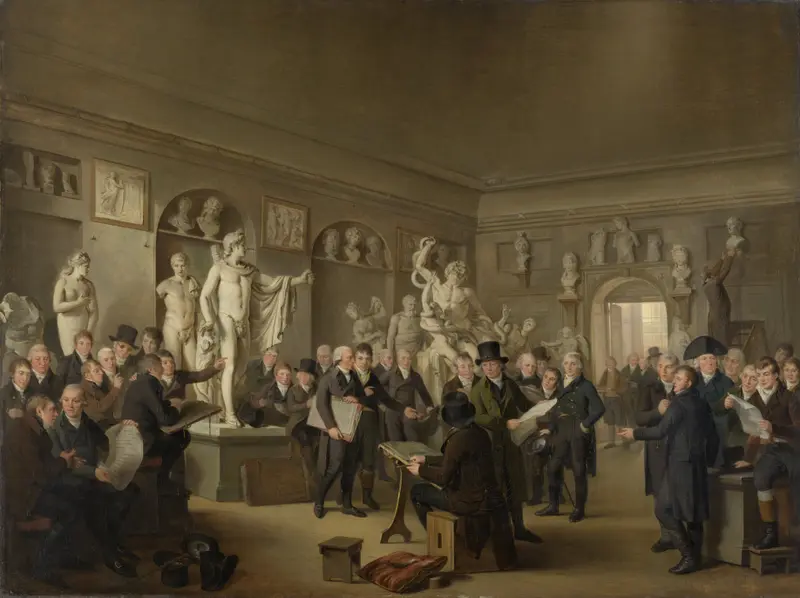
The Sculpture Gallery of the Felix Meritis Society
Adriaan de Lelie
Cornelis Sebille Roos (1754-1820), Amsterdam Art Dealer and Keeper of the Nationale Konst-Gallery in Huis ten Bosch, The Hague
Adriaan de Lelie
Morning Visit
Adriaan de Lelie
Mother and Two Children with Still Life
Adriaan de Lelie
Portrait of Jan Nieuwenhuyzen
Adriaan de Lelie
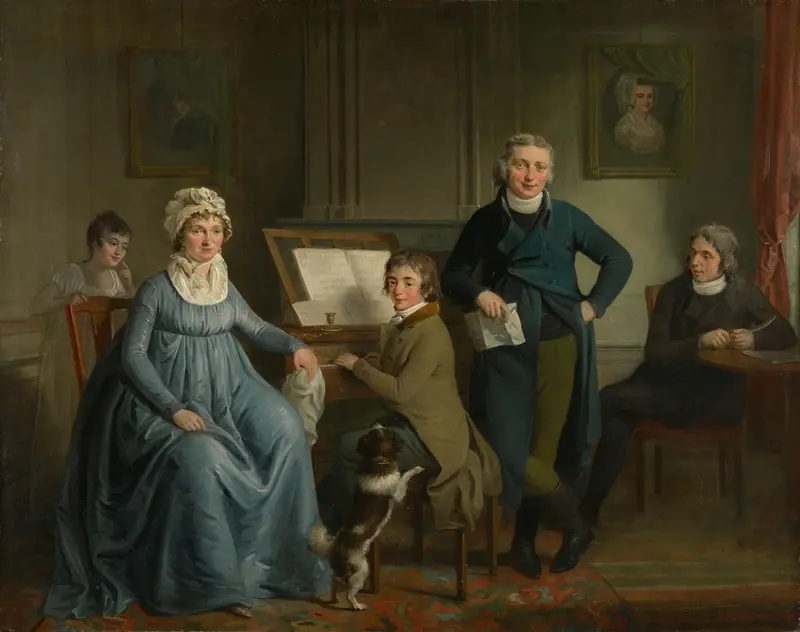
Musical family
Adriaan de Lelie
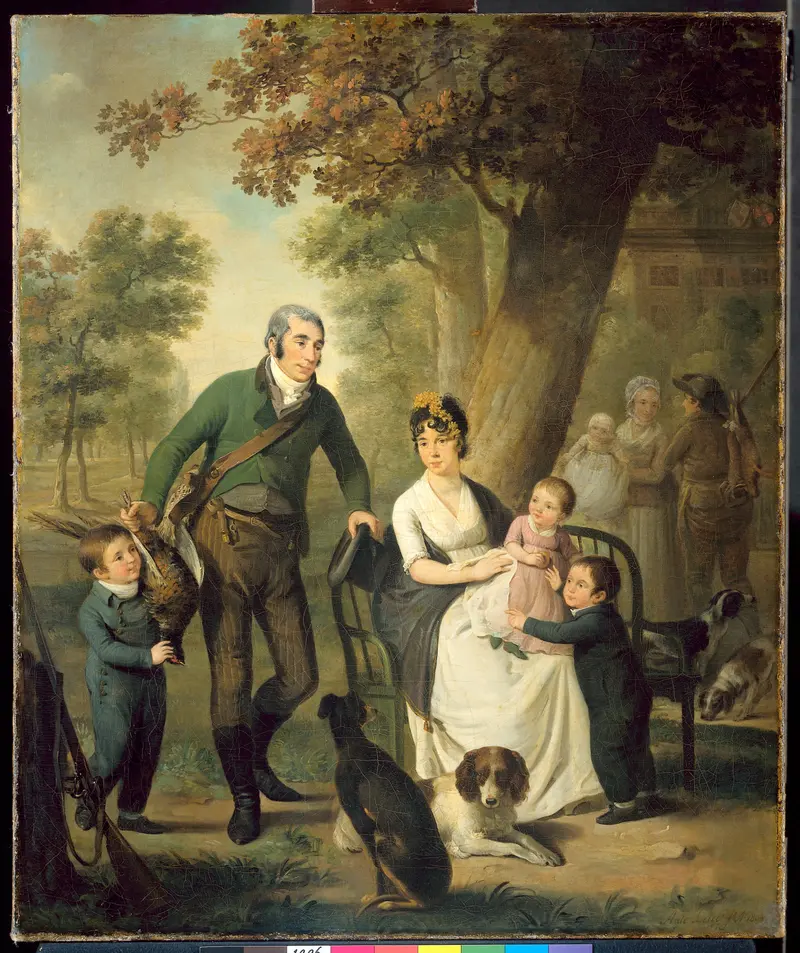
Jhr. Gijsbert Carel Rutger Reinier van Brienen van Ramerus (1771-1821) met zijn vrouw en vier van hun kinderen
Adriaan de Lelie





