
Musical family — History & Facts
A sense of anticipation hangs in the air, as if the next note will draw every figure in the room a little closer together. The young man at the keyboard turns away from his music, his hand still resting on the keys, while a small dog leaps up to greet him—an interruption that feels more like a welcome than a distraction. Light falls softly on the seated woman in blue, her gaze steady and composed, anchoring the scene in domestic calm.
Behind her, a girl peeks out from the shadows, half-hidden but attentive, while to the right, two men—one leaning on the piano, the other at a table—complete the circle, their postures relaxed, their faces open to conversation. Every gesture and glance in Musical family by Adriaan de Lelie seems chosen to draw the viewer into this moment of shared leisure, where music, affection, and gentle humor mingle. Painted in 1799, this work belongs to a world where the family portrait was not just a record but a performance of harmony—social, emotional, and even musical. In the late eighteenth century, such interiors celebrated the ideals of Enlightenment society: education, refinement, and the pleasures of private life.
These paintings were often commissioned by prosperous families eager to display their unity and taste, and de Lelie was known for his ability to capture both likeness and atmosphere. The presence of sheet music, the informal grouping, and the attentive dog all speak to a culture in which music-making was a sign of cultivation and intimacy. Though history has kept few traces of this particular gathering, its warmth and detail invite us to imagine ourselves just out of frame, waiting for the music to begin.
More Artworks by Adriaan de Lelie
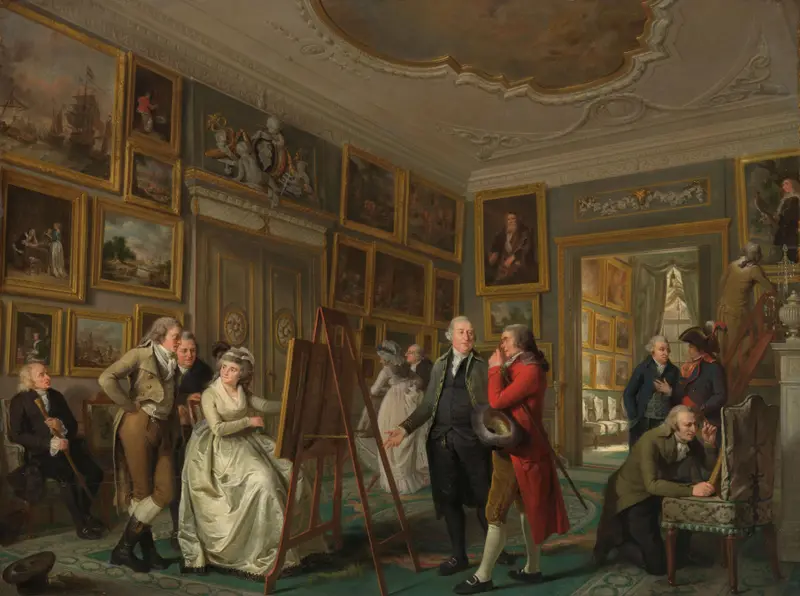
The Art Gallery of Jan Gildemeester Jansz
Adriaan de Lelie
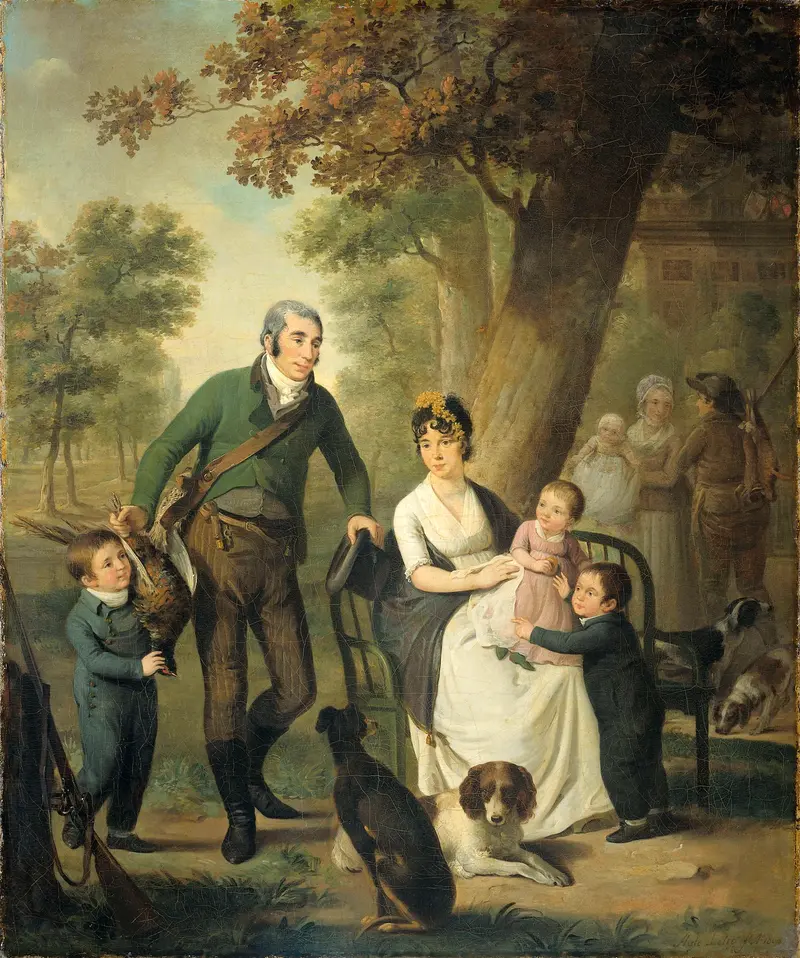
Jonkheer Gysbert Carel Rutger Reinier van Brienen van Ramerus(1771-1821), with his Wife and four of their Children
Adriaan de Lelie
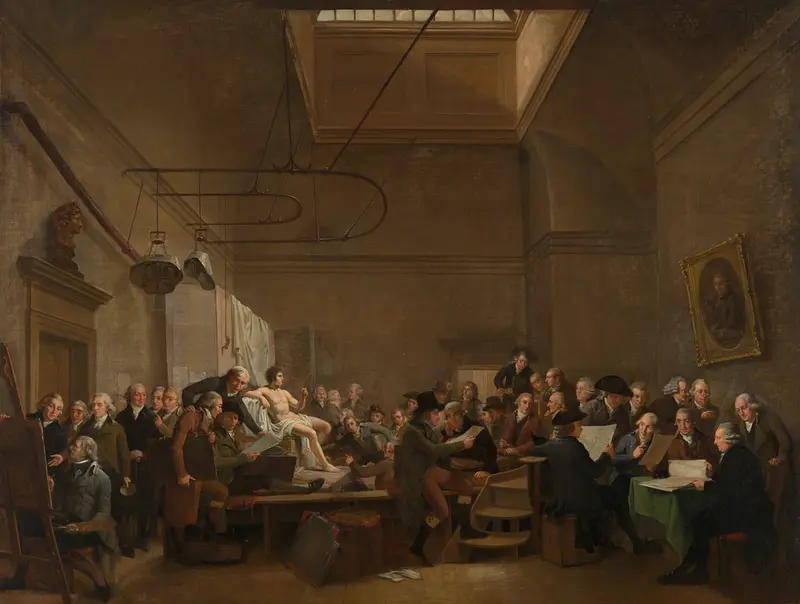
The Drawing Gallery of the Felix Meritis Society
Adriaan de Lelie
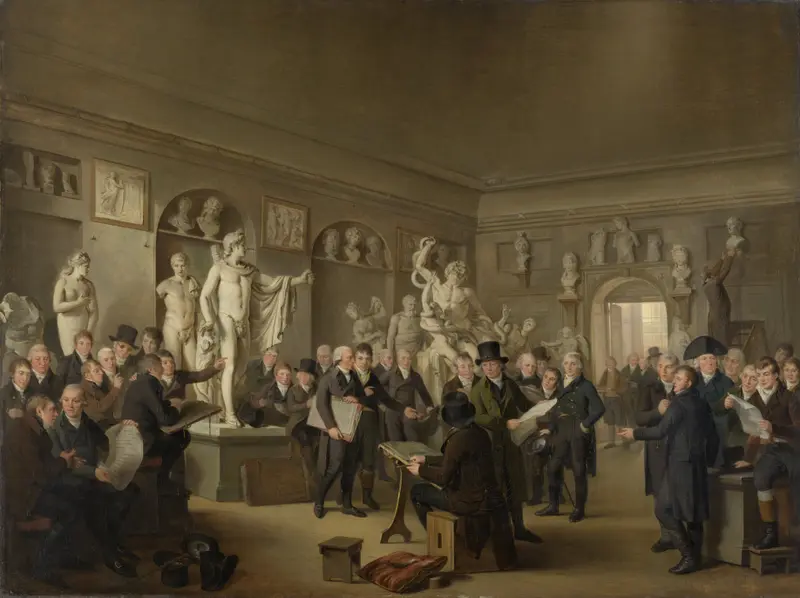
The Sculpture Gallery of the Felix Meritis Society
Adriaan de Lelie
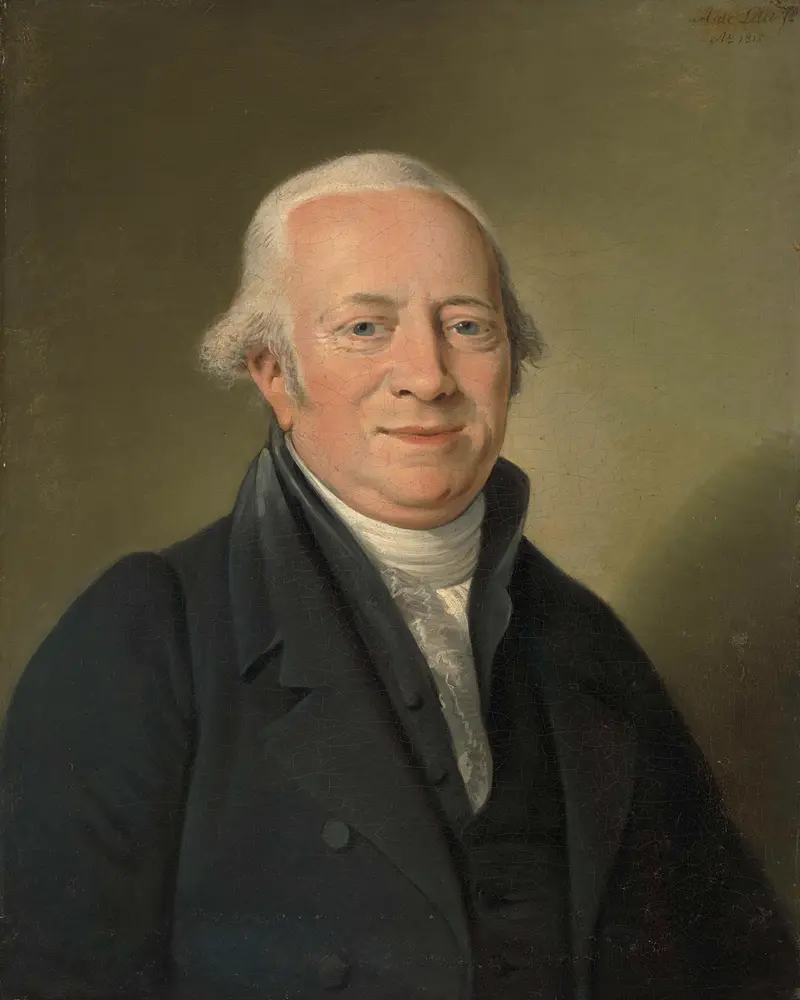
Cornelis Sebille Roos (1754-1820), Amsterdam Art Dealer and Keeper of the Nationale Konst-Gallery in Huis ten Bosch, The Hague
Adriaan de Lelie
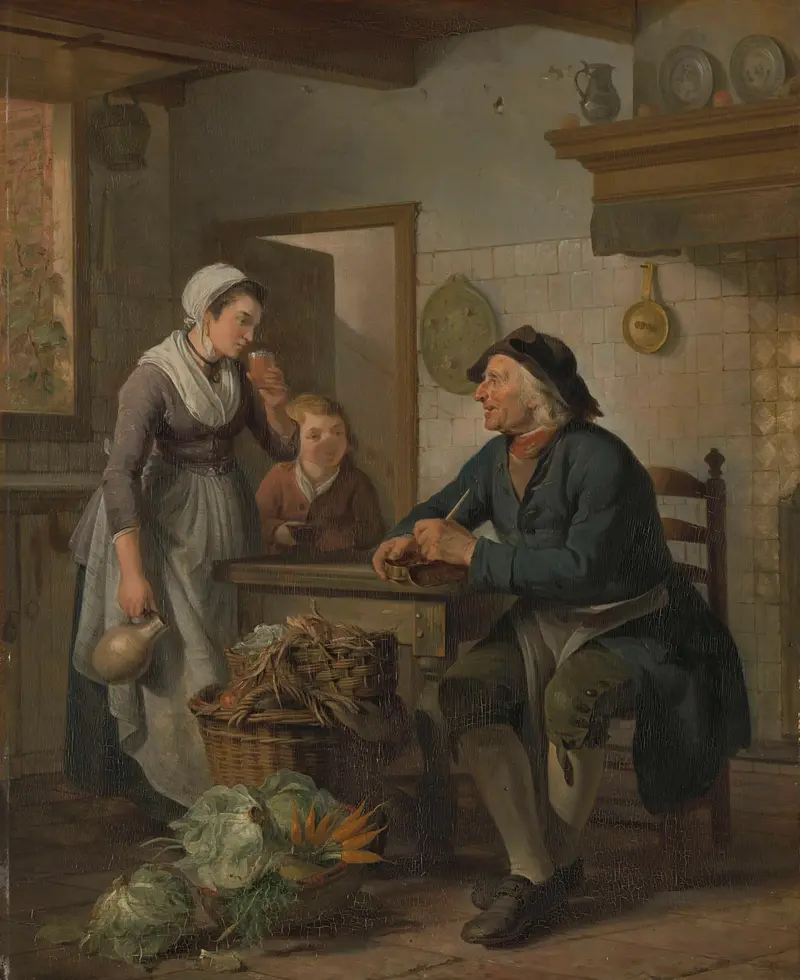
Morning Visit
Adriaan de Lelie
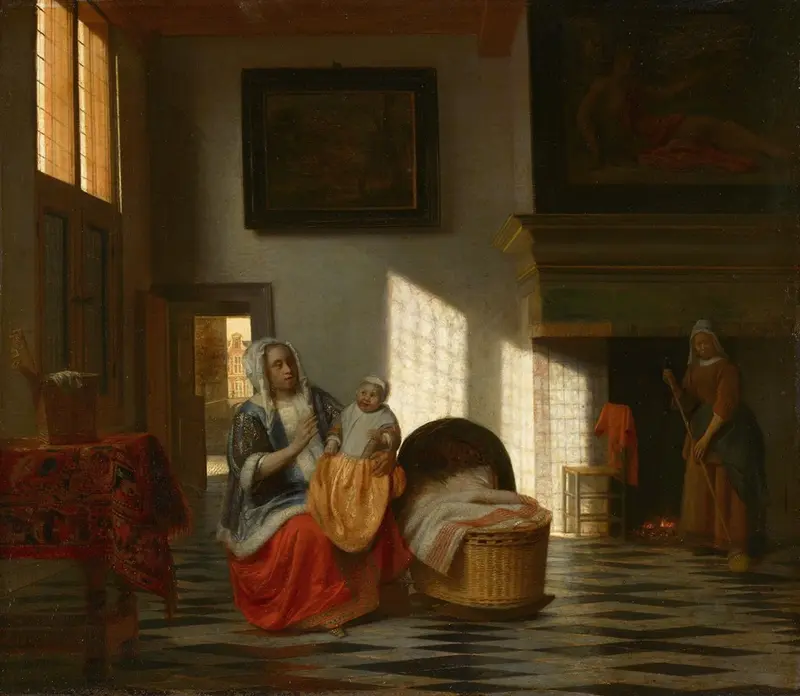
Mother and Two Children with Still Life
Adriaan de Lelie
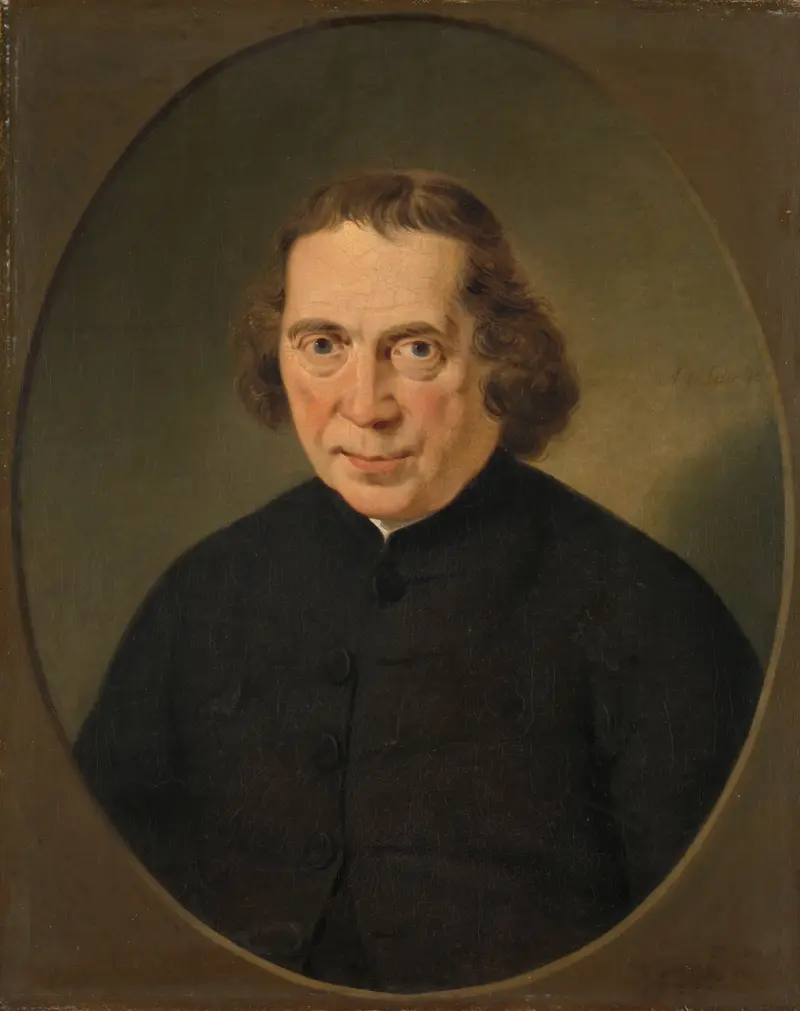
Portrait of Jan Nieuwenhuyzen
Adriaan de Lelie
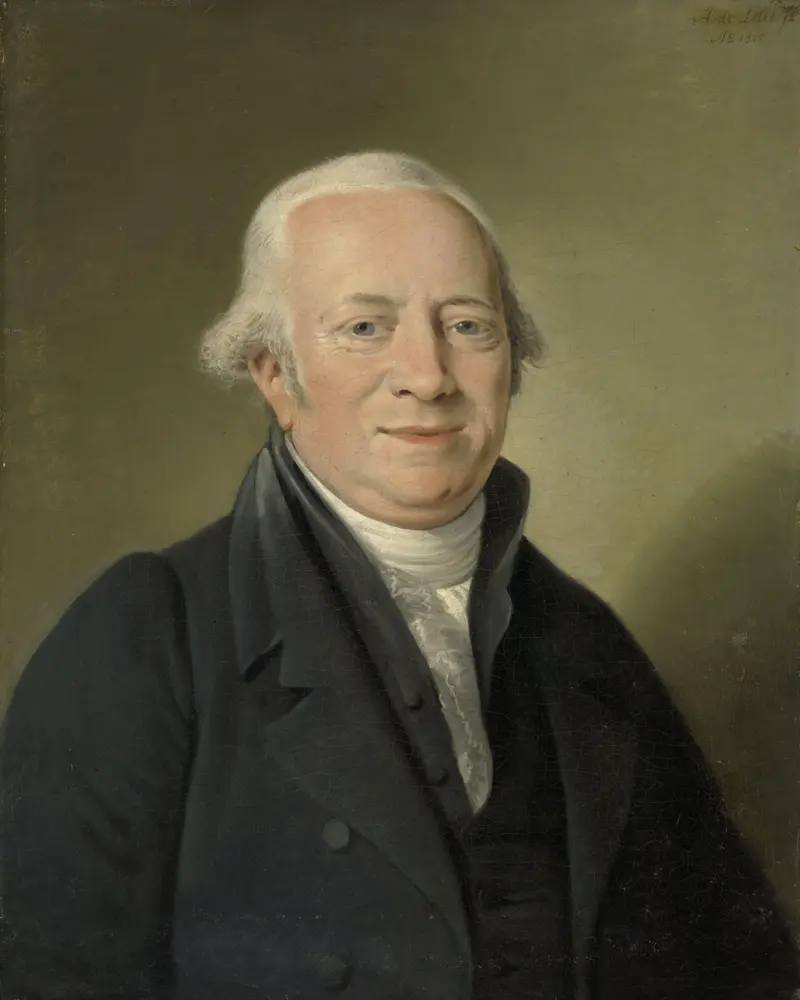
Portrait of Cornelis Sebille Roos, Art Dealer in Amsterdam and Inspector of the National Konst-Gallery and the Huis ten Bosch in The Hague
Adriaan de Lelie
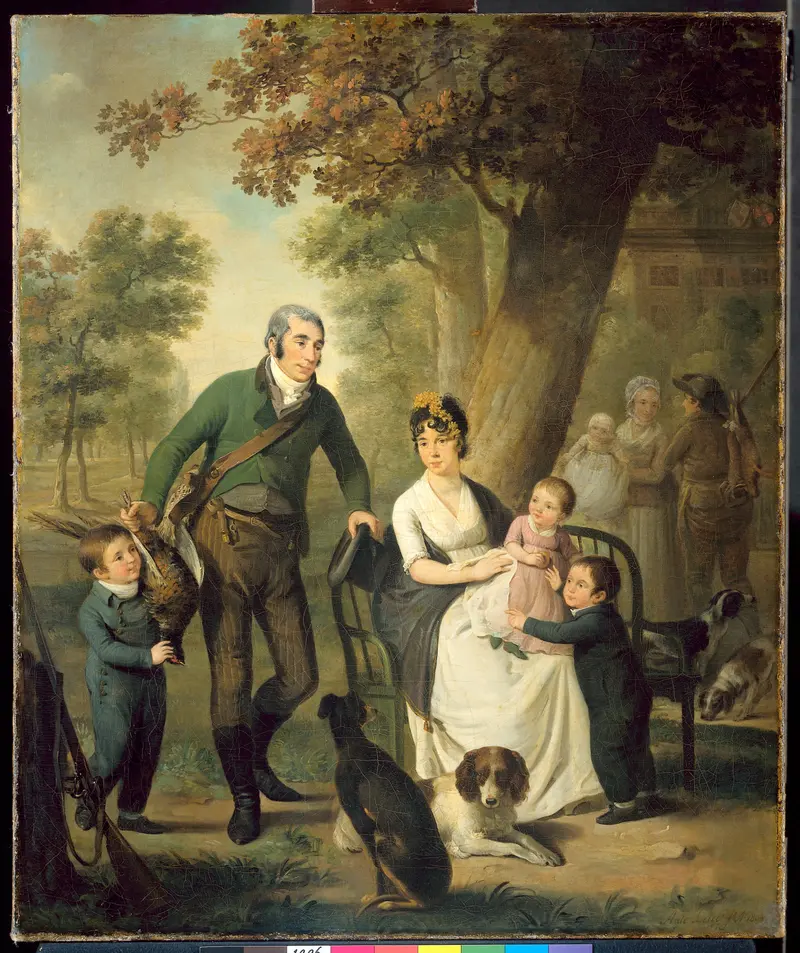
Jhr. Gijsbert Carel Rutger Reinier van Brienen van Ramerus (1771-1821) met zijn vrouw en vier van hun kinderen
Adriaan de Lelie
More Genre Scene Art

Banquet of the Officers of the St George Civic Guard
Frans Hals

Rembrandt and Saskia in the Scene of the Prodigal Son
Rembrandt van Rijn

Bal du moulin de la Galette
Pierre-Auguste Renoir

Quadrille at the Moulin Rouge
Henri de Toulouse-Lautrec

A Burial at Ornans
Gustave Courbet

When Will You Marry?
Paul Gauguin