
Portrait of David — History & Facts
In this stillness, desire permeates the air, a longing captured in paint that speaks of unfulfilled aspirations and hidden emotions. Look closely at the figure's eyes, where the soul seems to linger between hope and melancholy. The soft blend of colors, particularly the deep blues and muted earth tones, invites you into a world both intimate and distant. The gentle chiaroscuro highlights the delicate features of David, drawing your gaze across the contours of his face, which seem almost alive under the brush's caress.
Notice how the light strategically illuminates his forehead while casting shadows around his strong jawline, creating a captivating tension of vulnerability and strength. This portrait subtly entwines contrasts of light and shadow, inviting contemplation of duality: the visible versus the hidden. The longing in David's expression reflects broader themes of desire—not just for recognition but perhaps a deeper yearning for understanding and connection. The way his body turns slightly, as if caught between two worlds, amplifies this tension, suggesting an internal struggle that many can empathize with.
Each stroke of the brush resonates with unspoken stories, layers of emotion that enrich the viewer's experience. Denman Waldo Ross created this work during the late 19th to early 20th century, a period marked by artistic exploration and a shift toward modernism. Living in Boston, Ross was influenced by the evolving art scene and engaged with movements that emphasized personal expression. This era's push for individual perspective and emotional depth reflects in his portrayal, resonating with a time when artists began to challenge traditional conventions and embrace the complexities of the human psyche.
More Artworks by Denman Waldo Ross
Browse all →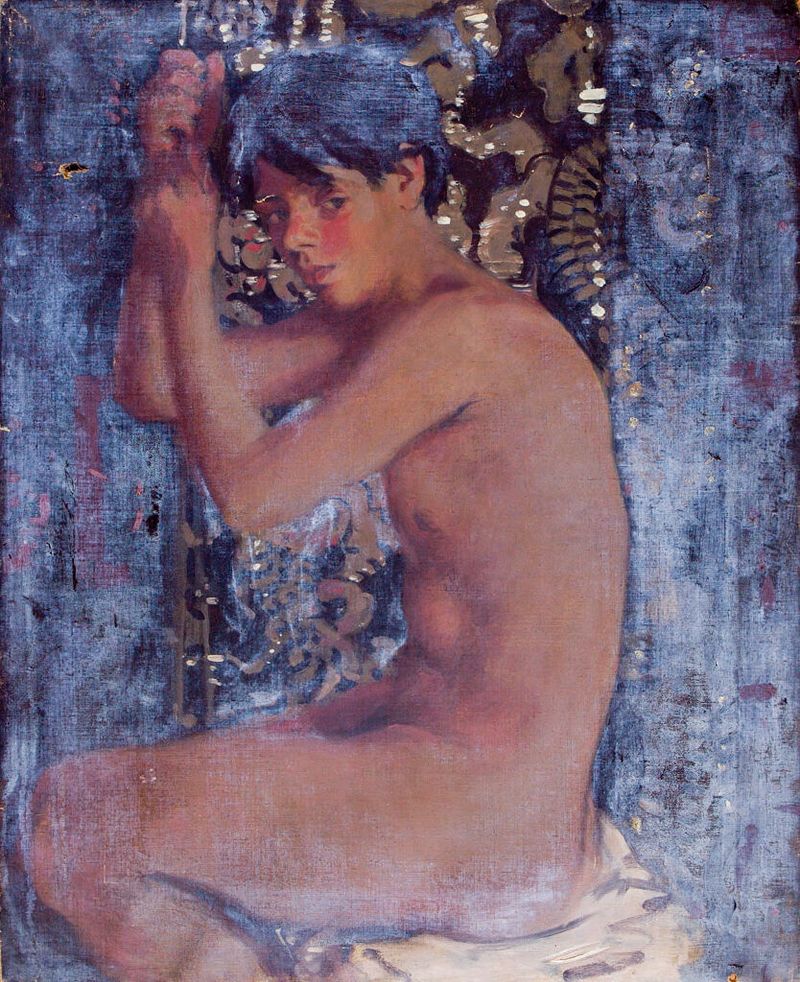
Portrait of a Seated Young Man
Denman Waldo Ross
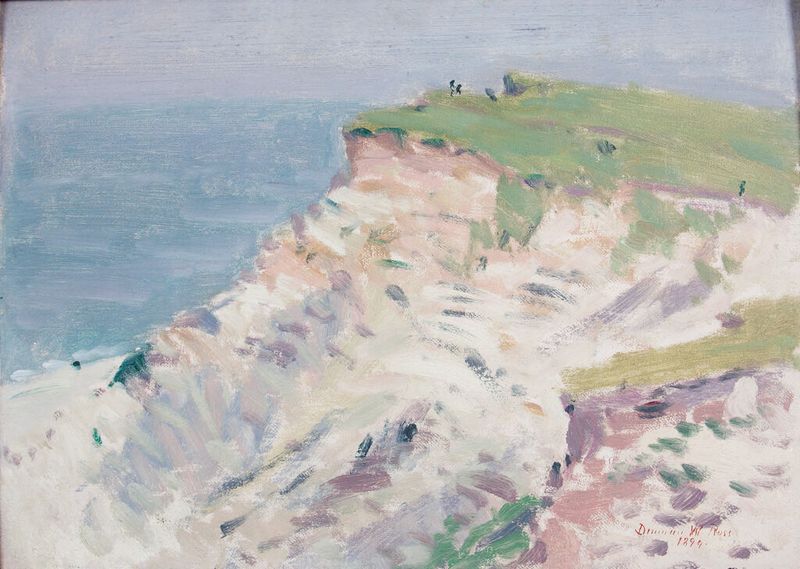
Highland Light, North Truro, Massachusetts
Denman Waldo Ross
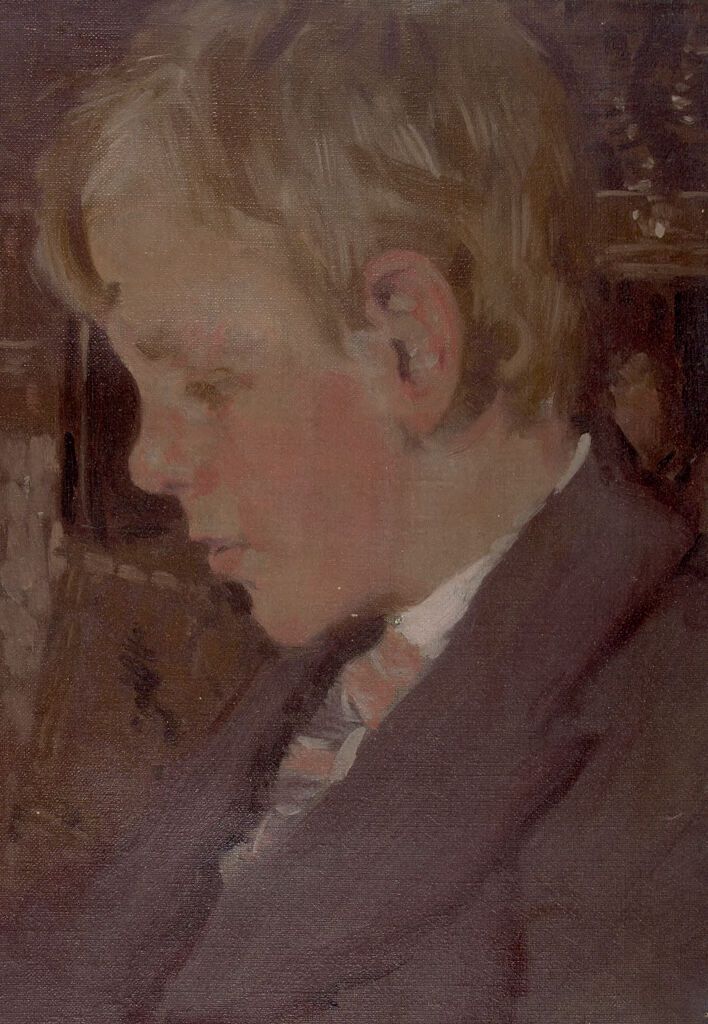
Profile Portrait of a Boy in Suit and Tie
Denman Waldo Ross
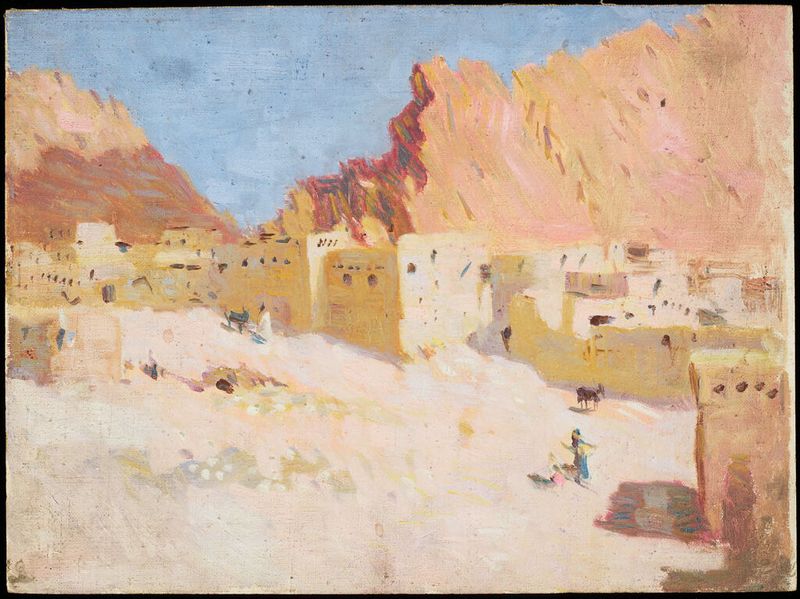
El Kantara, Near Biskra, Algeria
Denman Waldo Ross
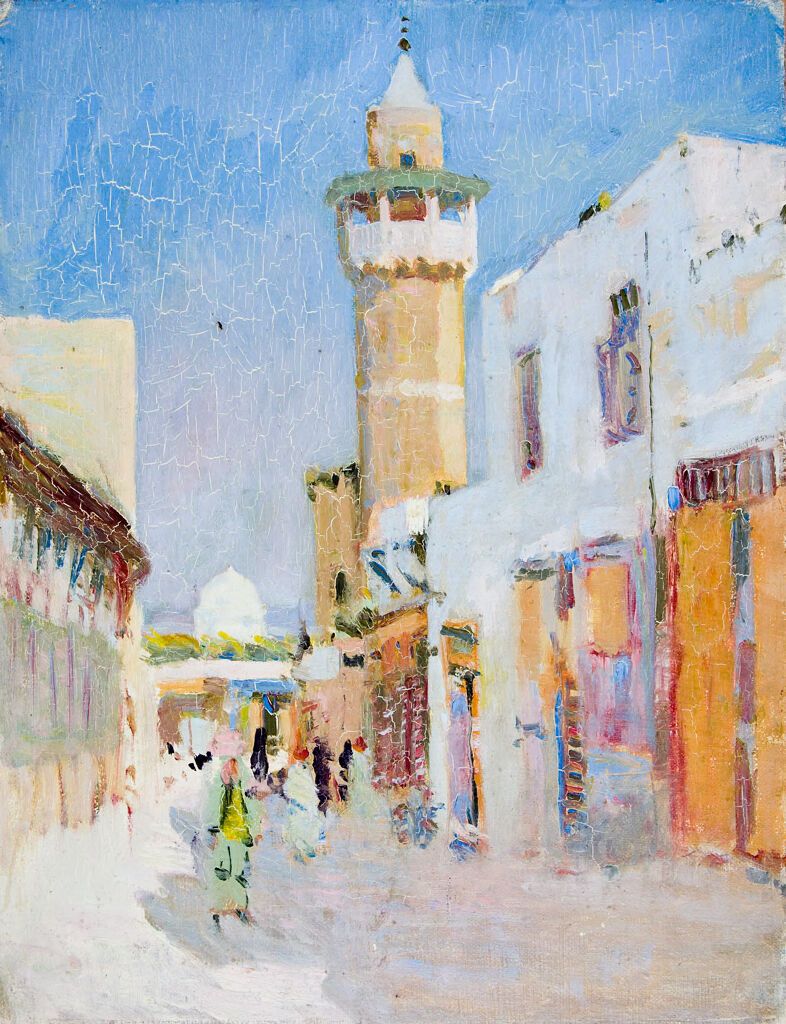
Tunis Street Scene
Denman Waldo Ross
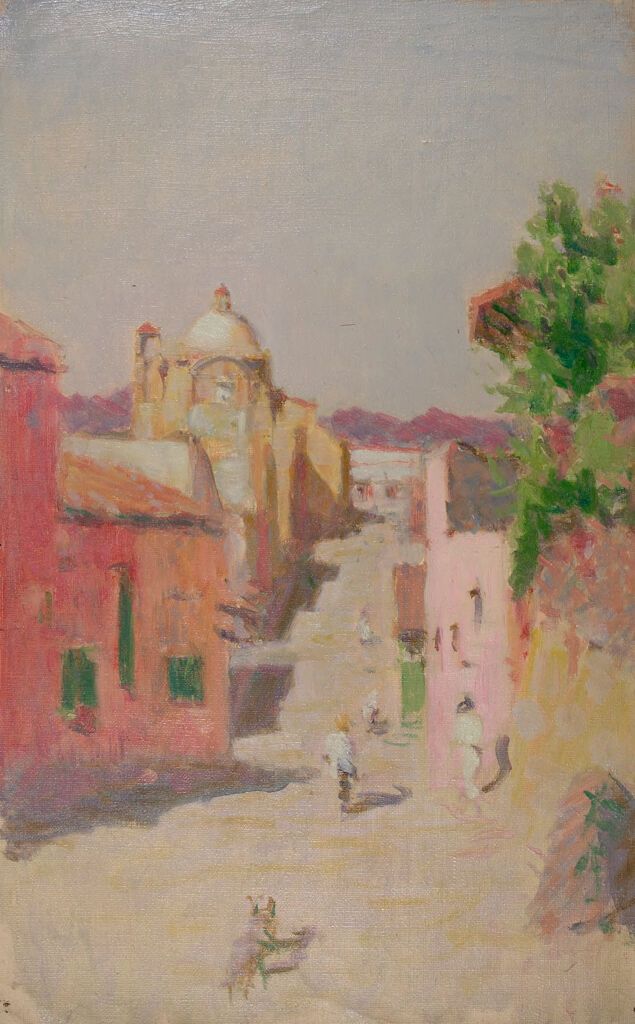
Street Scene with Animal and Figures
Denman Waldo Ross
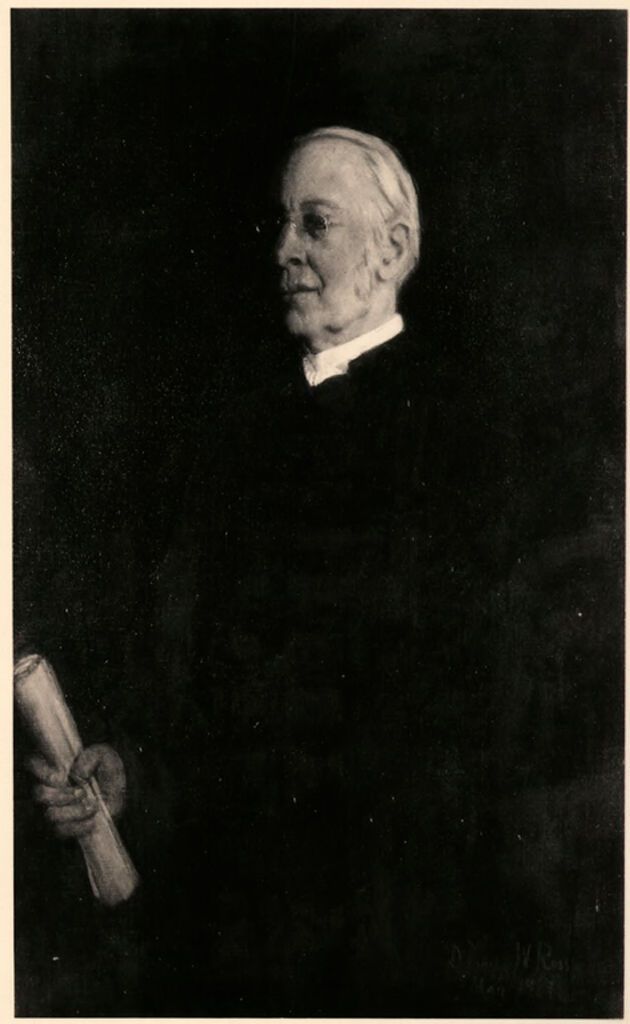
Charles William Eliot (1834-1926)
Denman Waldo Ross
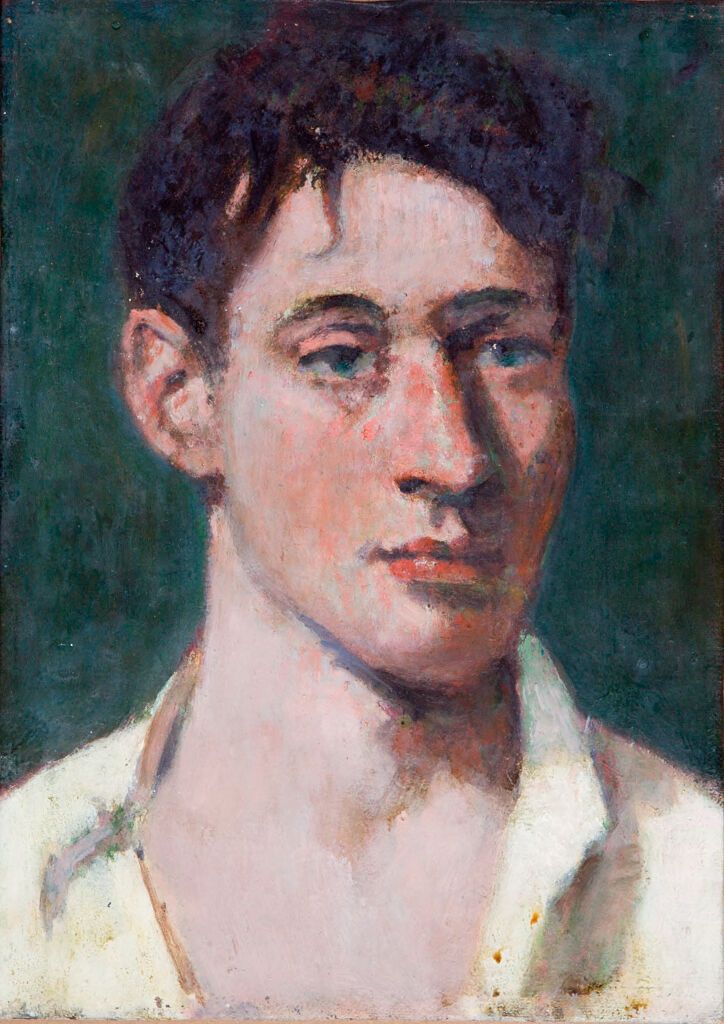
Portrait of a Young Man in White Shirt
Denman Waldo Ross
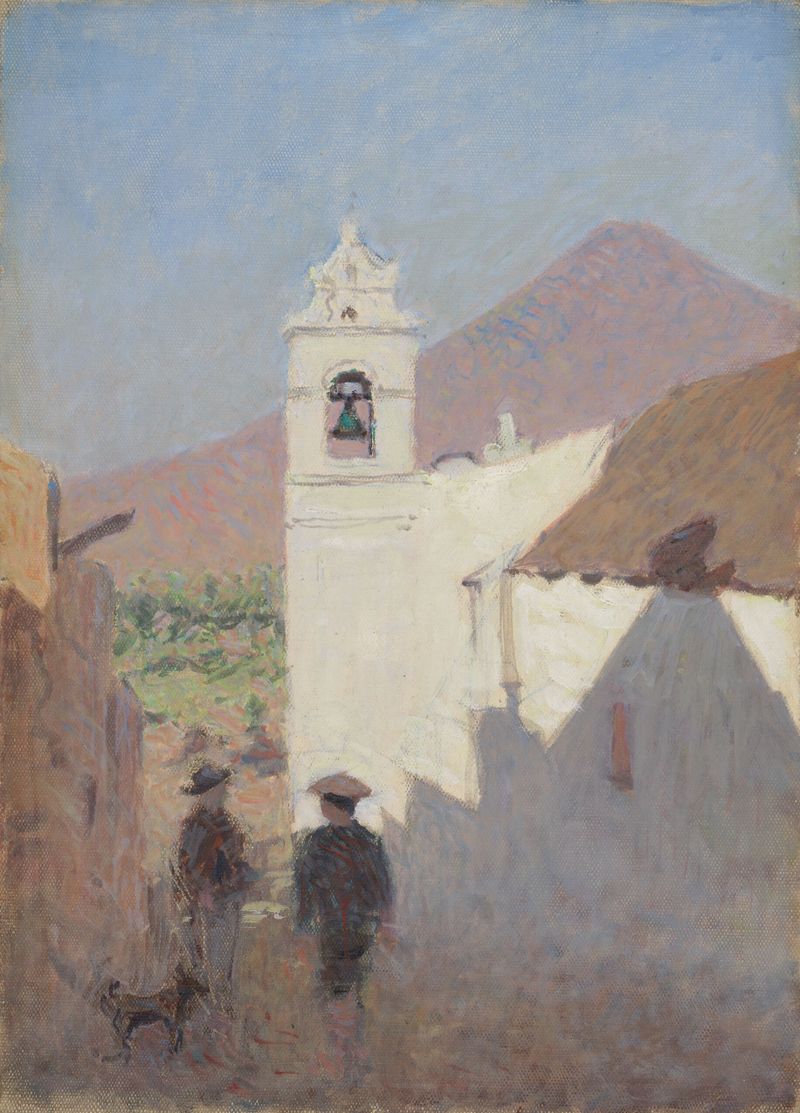
Village Near Arequipa, Peru
Denman Waldo Ross

York Harbor, Maine
Denman Waldo Ross
More Portrait Art
Browse all →
Las meninas
Diego Velázquez

Self-portrait with a Bandaged Ear and Pipe
Unidentified artist

Girl with a Pearl Earring
Johannes Vermeer

The Sampling Officials of the Amsterdam Drapers’ Guild, Known as ‘The Syndics’
Rembrandt van Rijn

The Hundred Guilder Print: the man seen on the back in the lower left corner
Rembrandt van Rijn

Portrait of Dr Gachet
Vincent van Gogh