
Portrait of David — History & Facts
Could a single brushstroke hold eternity? In Portrait of David, transformation unfolds through the careful interplay of light, shadow, and color, revealing both the surface and the depths of the human experience. Look closely at the eyes, where the intensity of the gaze pulls you in, inviting reflection. The warm palette envelops the subject, as soft whites and gentle browns meld together, creating a sense of warmth and intimacy. Notice how the brushwork varies; the smooth transitions in the skin contrast with the textured strokes in the background, emphasizing the figure’s isolation amidst a chaotic world.
Each detail—every flick of paint—encapsulates not just the individual but a moment of connection suspended in time. Delve into the subtle interplay between the light illuminating David’s features and the shadows that linger just beyond. This dichotomy echoes a deeper emotional tension, suggesting a narrative of vulnerability amidst strength. The slight tilt of the head and the pursed lips speak volumes, hinting at unspoken thoughts and feelings, a silent plea for understanding.
This portrait is not merely a representation; it embodies the transformative power of art to capture the essence of being. Denman Waldo Ross painted Portrait of David in 1919 during a post-World War I America, a period marked by reflection and reconstruction. Ross, an influential figure in the American art scene, was known for his emphasis on emotional truths and the human experience, striving to evoke deeper connections through his portraits. At this time, he was exploring new techniques and forms, pushing the boundaries of traditional portraiture to reveal the complexities of identity and existence.
More Artworks by Denman Waldo Ross
Browse all →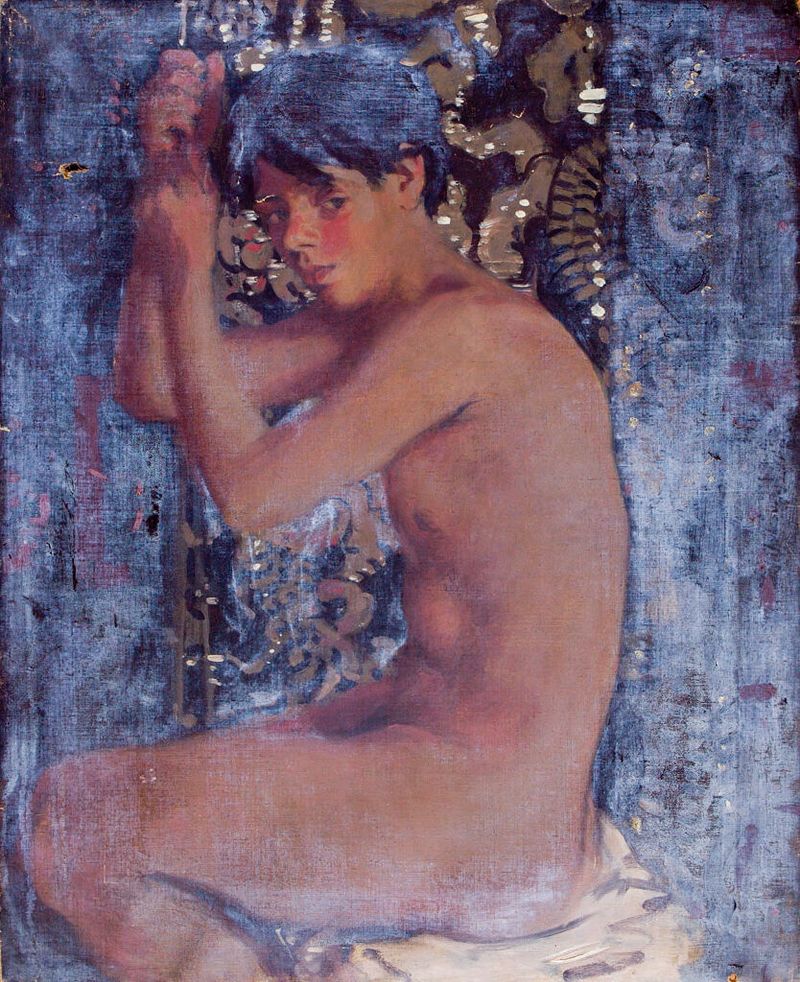
Portrait of a Seated Young Man
Denman Waldo Ross
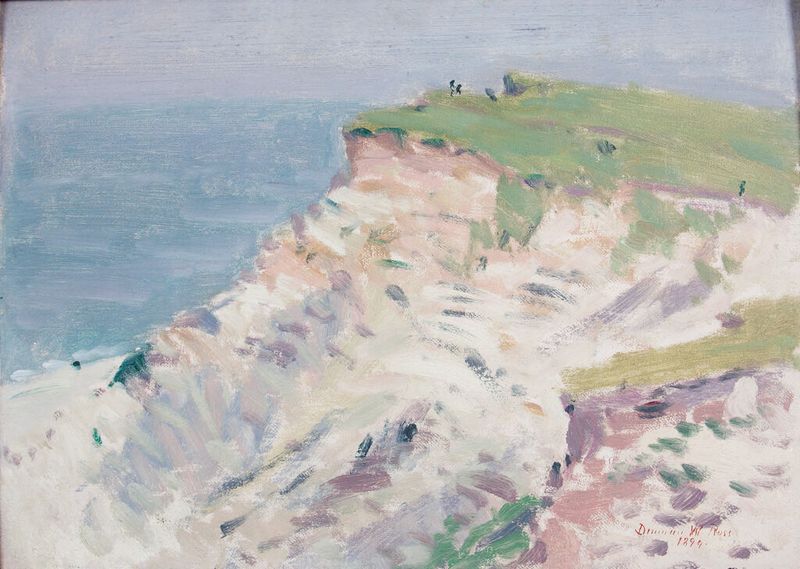
Highland Light, North Truro, Massachusetts
Denman Waldo Ross
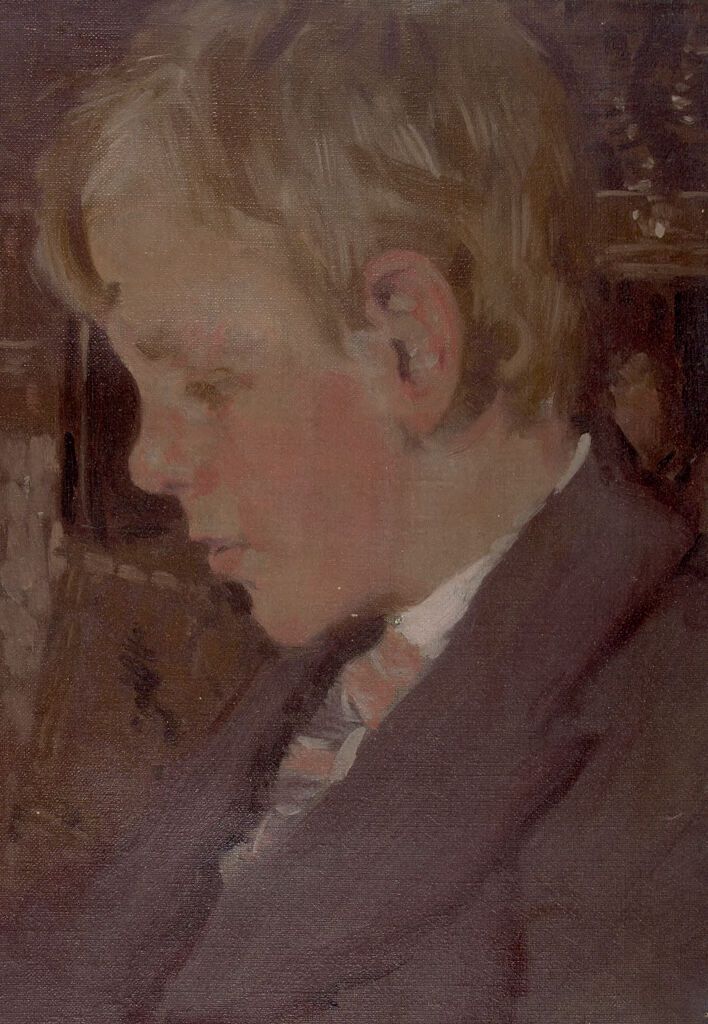
Profile Portrait of a Boy in Suit and Tie
Denman Waldo Ross
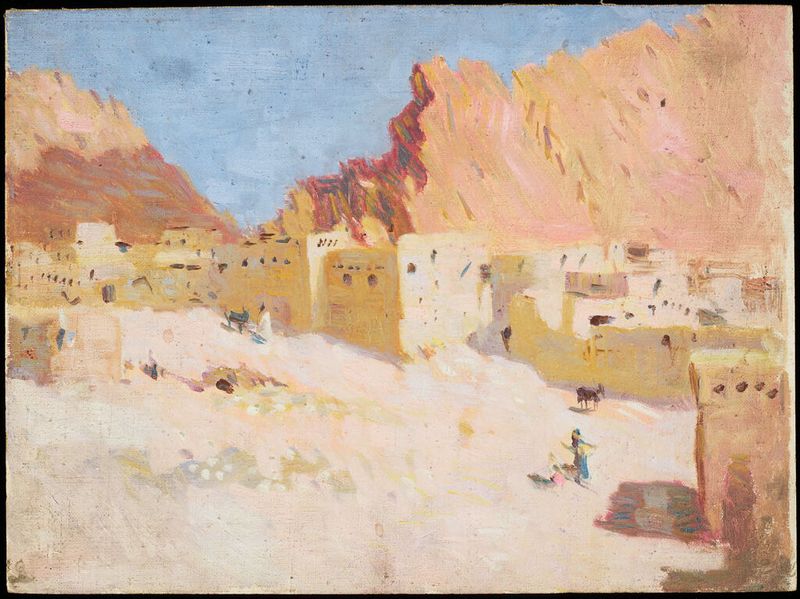
El Kantara, Near Biskra, Algeria
Denman Waldo Ross
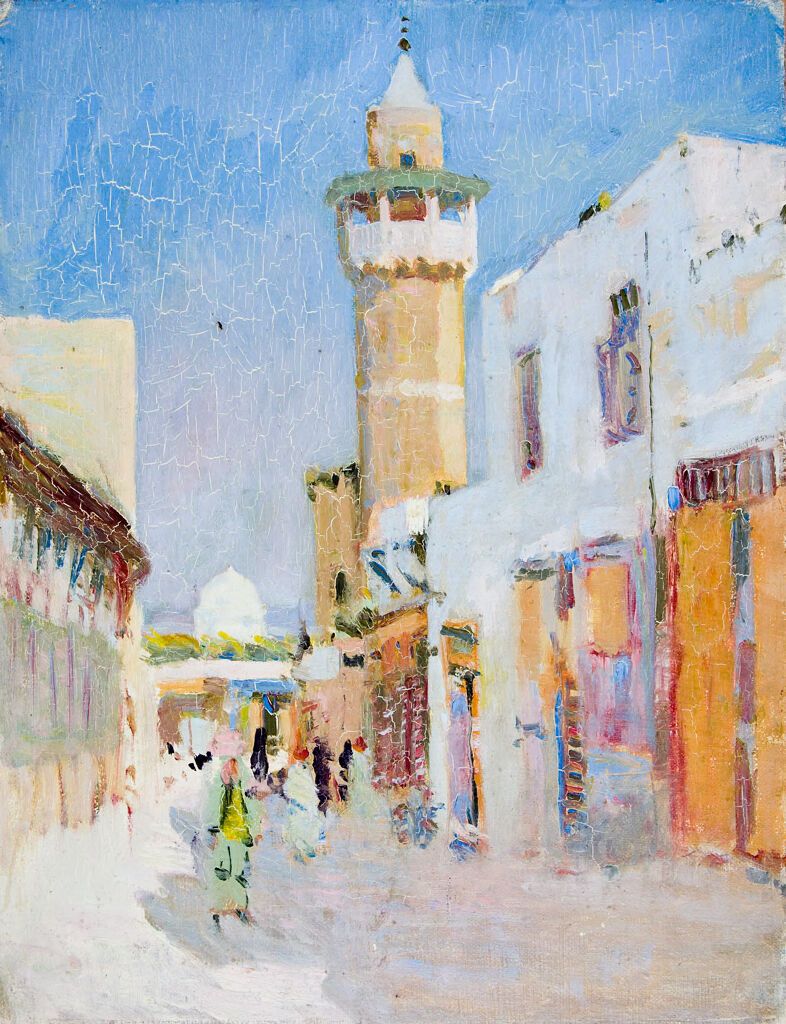
Tunis Street Scene
Denman Waldo Ross
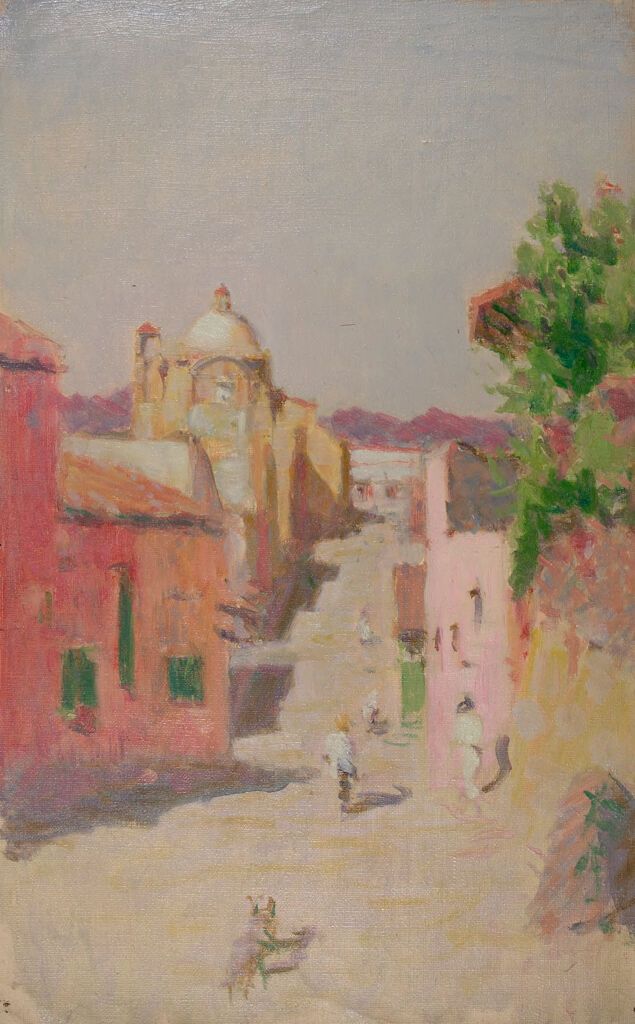
Street Scene with Animal and Figures
Denman Waldo Ross
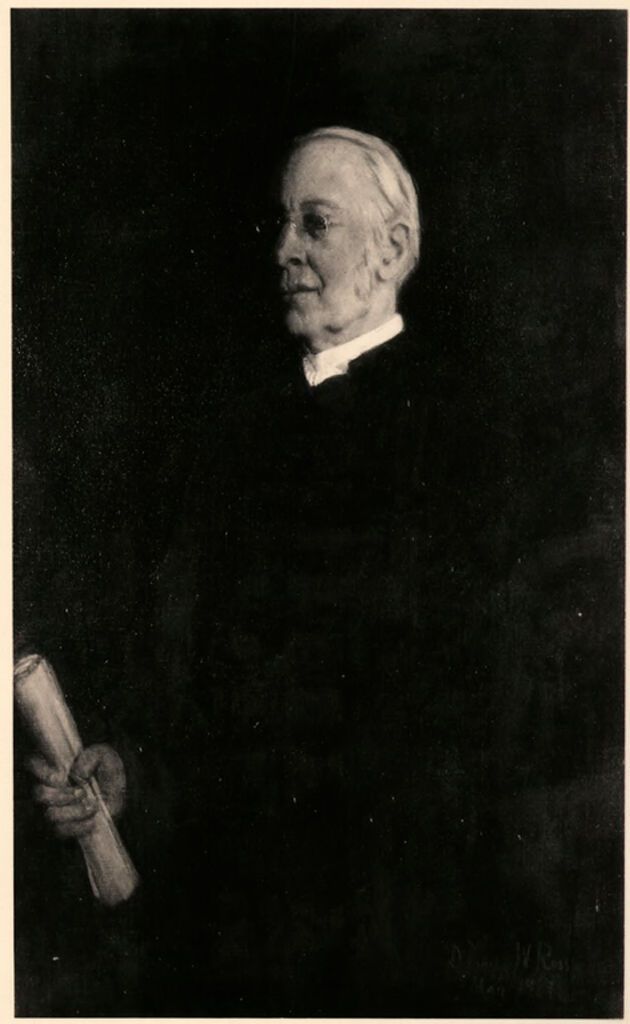
Charles William Eliot (1834-1926)
Denman Waldo Ross
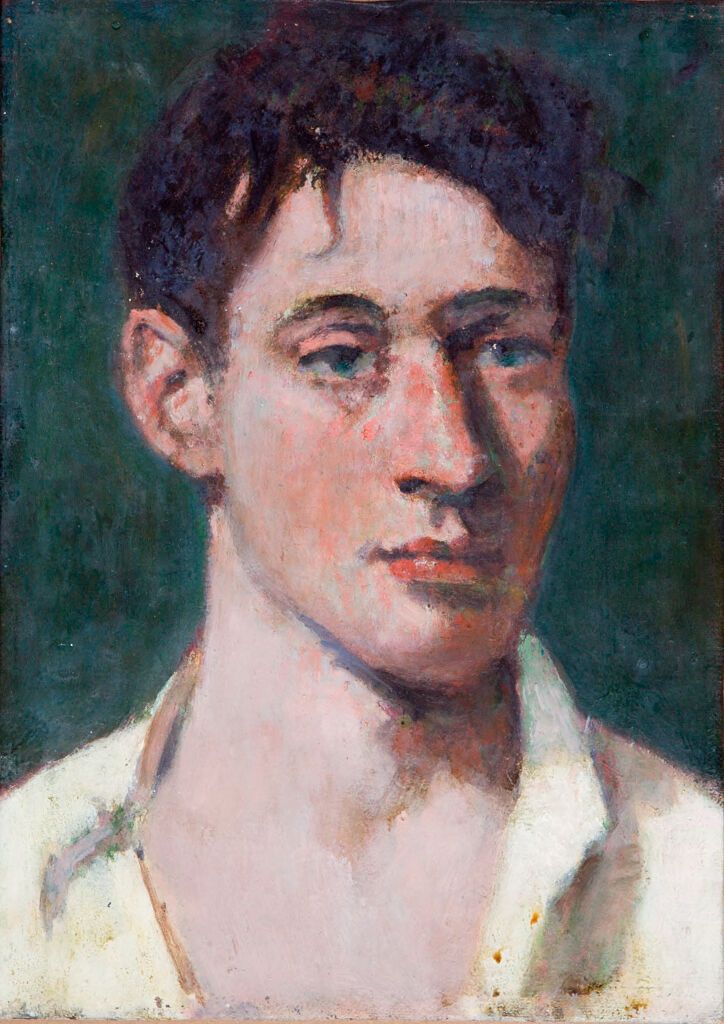
Portrait of a Young Man in White Shirt
Denman Waldo Ross
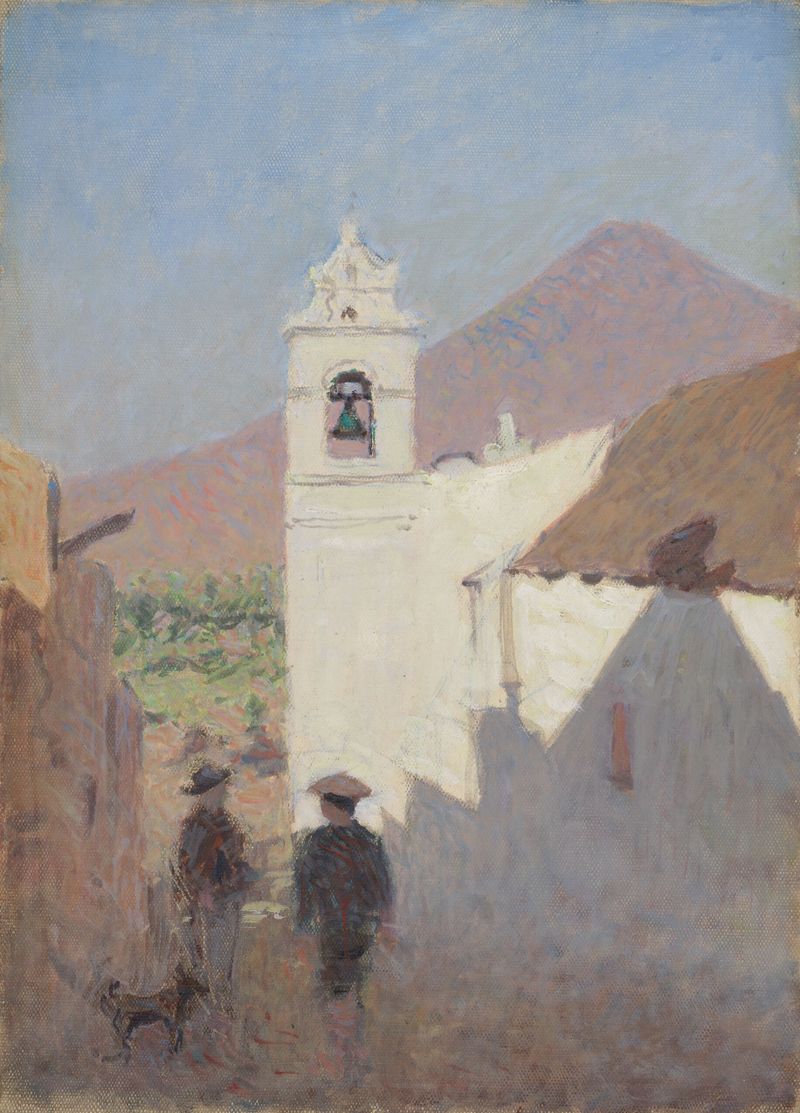
Village Near Arequipa, Peru
Denman Waldo Ross

York Harbor, Maine
Denman Waldo Ross
More Portrait Art
Browse all →
Las meninas
Diego Velázquez

Self-portrait with a Bandaged Ear and Pipe
Unidentified artist

Girl with a Pearl Earring
Johannes Vermeer

The Sampling Officials of the Amsterdam Drapers’ Guild, Known as ‘The Syndics’
Rembrandt van Rijn

The Hundred Guilder Print: the man seen on the back in the lower left corner
Rembrandt van Rijn

Portrait of Dr Gachet
Vincent van Gogh