
Portrait of Mrs. Michaela Pooley (née Krohn) — History & Facts
What first catches the eye in Portrait of Mrs. Michaela Pooley (née Krohn) is the quiet force of the sitter’s gaze, turned just off to the side, as if she is considering something beyond the reach of the viewer. The composition is spare, but every detail is deliberate: the crisp white lace collar frames her face, drawing attention to the calm dignity of her expression, while the muted green of her dress blends gently into the shadowed background.
The light, falling from the left, sculpts her features and hair with a soft clarity, suggesting both the painter’s technical confidence and his respect for his subject’s individuality. The hands, hidden behind her back, leave the focus entirely on her face and posture, inviting the viewer to wonder about the thoughts and stories that remain unspoken. Painted in 1901, this work belongs to a moment when portraiture was shifting from grand declarations of status to more intimate studies of personality and presence. Albert Edelfelt was among the artists who brought a new psychological depth to the genre, often capturing his sitters in moments of reflection rather than display.
Portraits like this were commissioned to mark family ties, social standing, or personal milestones, but they also became records of a rapidly changing world—one in which women’s roles and identities were beginning to shift. Today, this painting resides in the Finnish National Gallery, a quiet testament to both the sitter’s world and the artist’s sensitive eye. The longer one looks, the more the painting seems to offer: not just a likeness, but a silent conversation across time.
More Artworks by Albert Edelfelt

The Day of Rest
Albert Edelfelt
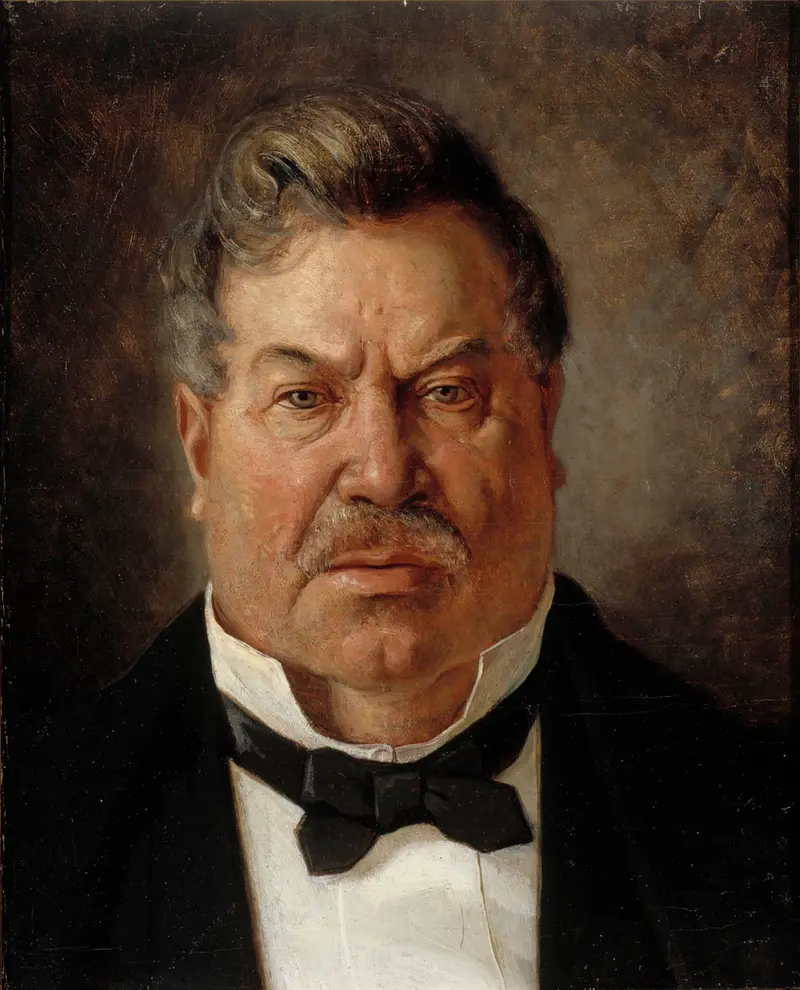
Portrait of August Streng
Albert Edelfelt
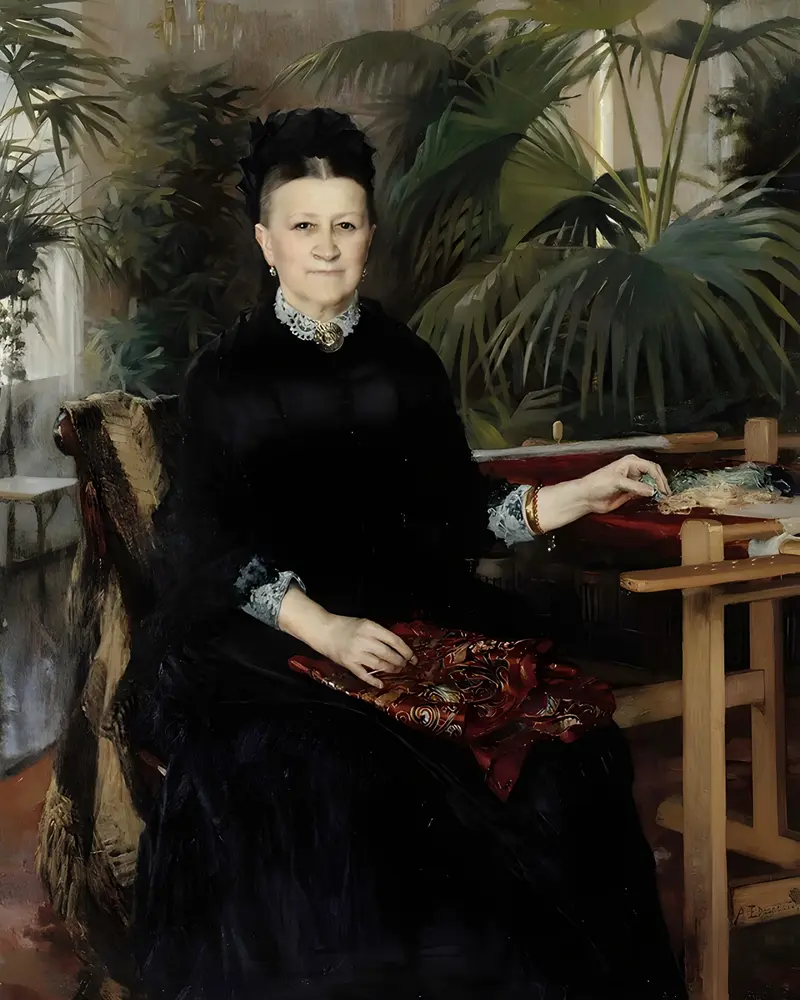
Portrait Of Mrs. Anna Sinebrychoff
Albert Edelfelt

The Poet, Larin Paraske
Albert Edelfelt

Parisian lady in a Peignoir
Albert Edelfelt
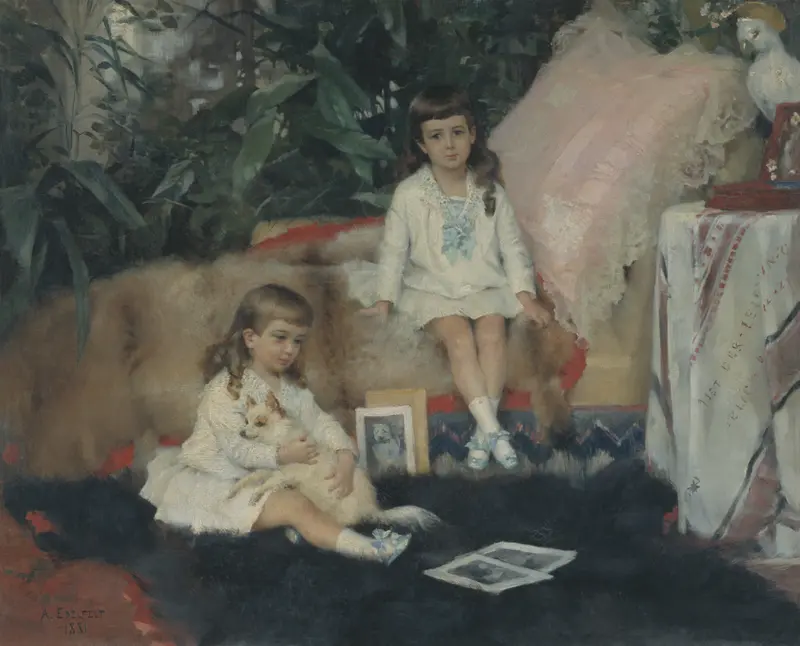
The Grand Dukes Boris and Kirill Vladimirovich as Children
Albert Edelfelt
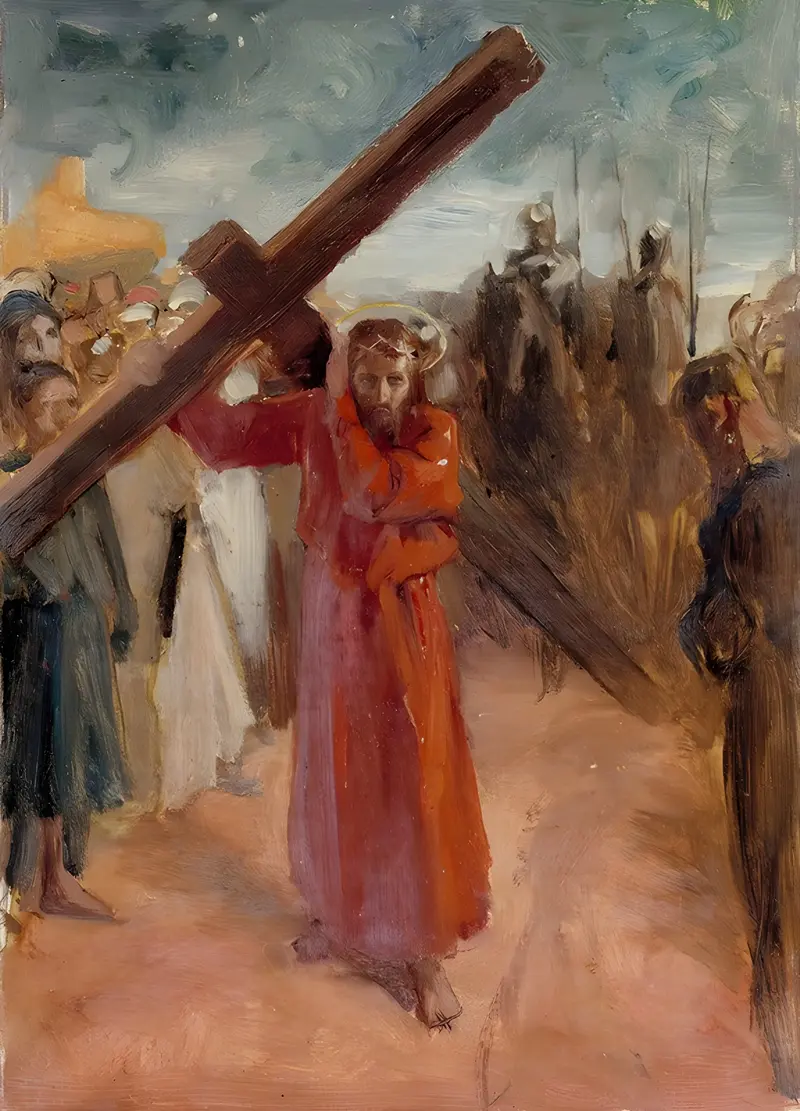
Christ Bears The Cross
Albert Edelfelt
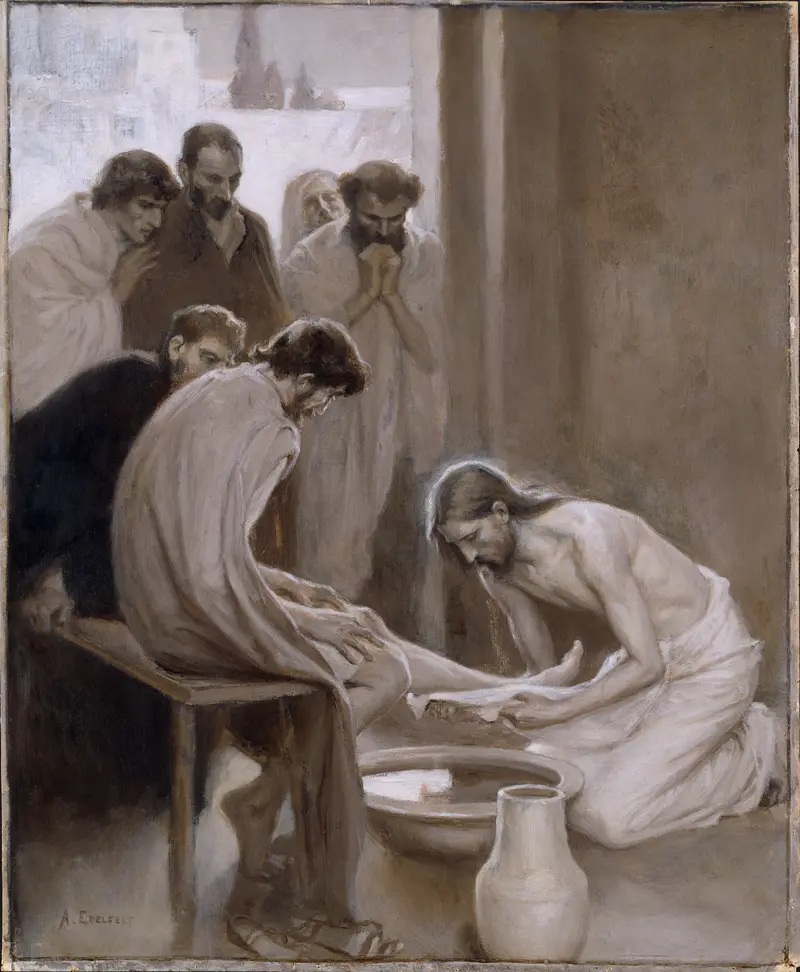
Jesus Washing the Feet of his Disciples
Albert Edelfelt

Larin Paraske with Kantele
Albert Edelfelt
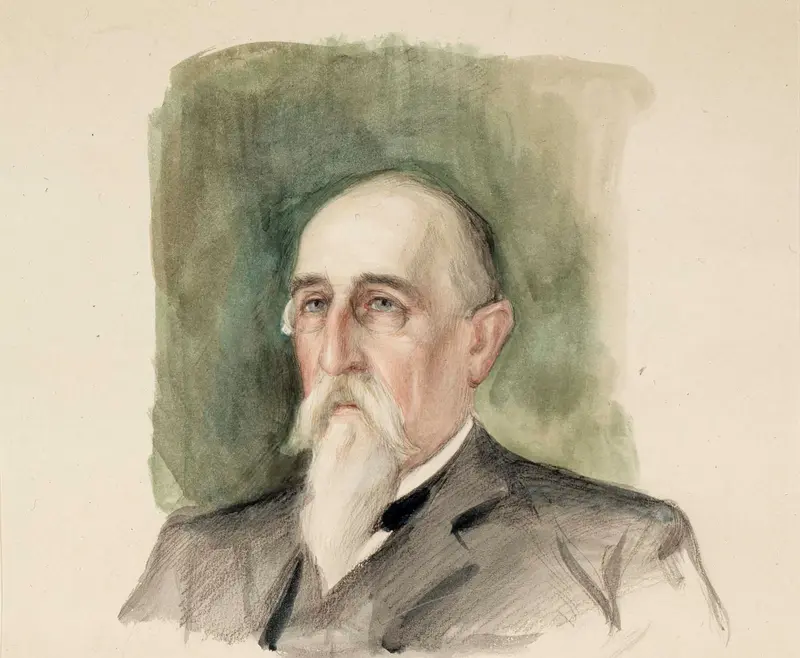
Leo Mechelin, Portrait Study
Albert Edelfelt





