
Presentation in the temple with the angel: small plate — History & Facts
In a dimly lit temple, shadows dance as a child is presented to the waiting figures. An angel hovers nearby, radiating both light and solemnity, enveloping the moment in an aura of sanctity. The air is thick with reverence, as if time has paused, capturing the weight of expectation, joy, and an undeniable melancholy. Look to the left, where the faces of the congregation converge, each one etched with a mix of awe and uncertainty.
Notice the soft, golden light that falls upon the angel’s serene expression, creating a striking contrast against the earthy tones of the figures surrounding the child. The brushstrokes are both delicate and robust, revealing Rembrandt’s mastery in capturing human emotion through texture and color. In this intimate scene, the juxtaposition of innocence and divine presence evokes a profound sense of longing. The angel, though a symbol of hope, casts an enigmatic shadow over the gathering—a reminder of the fragility of life and the heaviness of fate that accompanies new beginnings.
The child, innocent yet oblivious, stands at the intersection of earthly concerns and celestial promise, embodying the duality of joy and sorrow. At the time Presentation in the Temple with the Angel was created in 1630, Rembrandt was establishing himself in Amsterdam, a city brimming with artistic innovation. This period was marked by personal struggles, including financial difficulties and the loss of loved ones, which influenced his exploration of deep emotional themes. The painting reflects both the spiritual aspirations of the era and the artist's own introspective journey, bridging the sacred and the human experience.
More Artworks by Rembrandt van Rijn
Browse all →
The Night Watch Militia Company of District II under the Command of Captain Frans Banninck Cocq
Rembrandt van Rijn

The Return of the Prodigal Son
Rembrandt van Rijn

The Hundred Guilder Print: the figures leaning on the wall in the centre left
Rembrandt van Rijn

The Hundred Guilder Print: the central piece with Christ preaching, the plate arched
Rembrandt van Rijn

Isaac and Rebecca, Known as ‘The Jewish Bride’
Rembrandt van Rijn
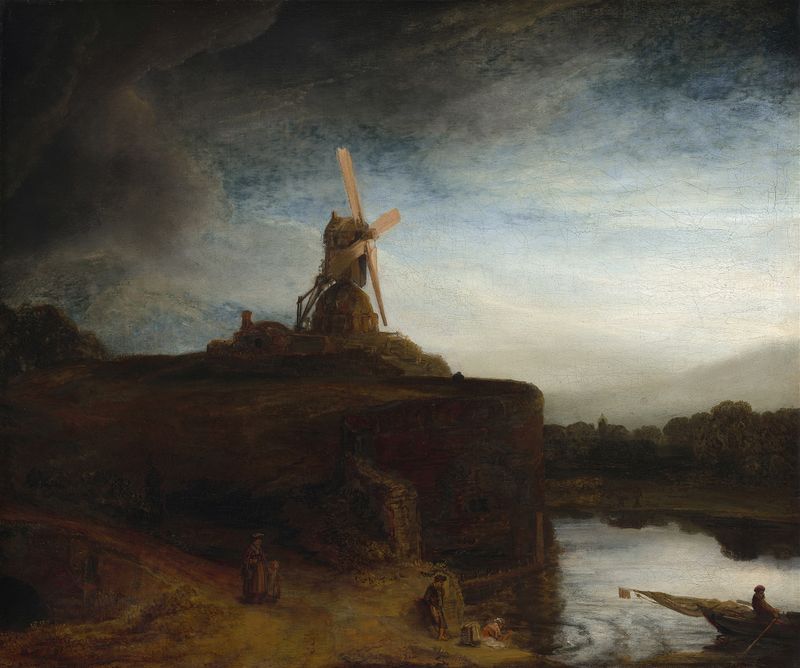
The Mill
Rembrandt van Rijn

The Sampling Officials of the Amsterdam Drapers’ Guild, Known as ‘The Syndics’
Rembrandt van Rijn

The return of the prodigal son
Rembrandt van Rijn
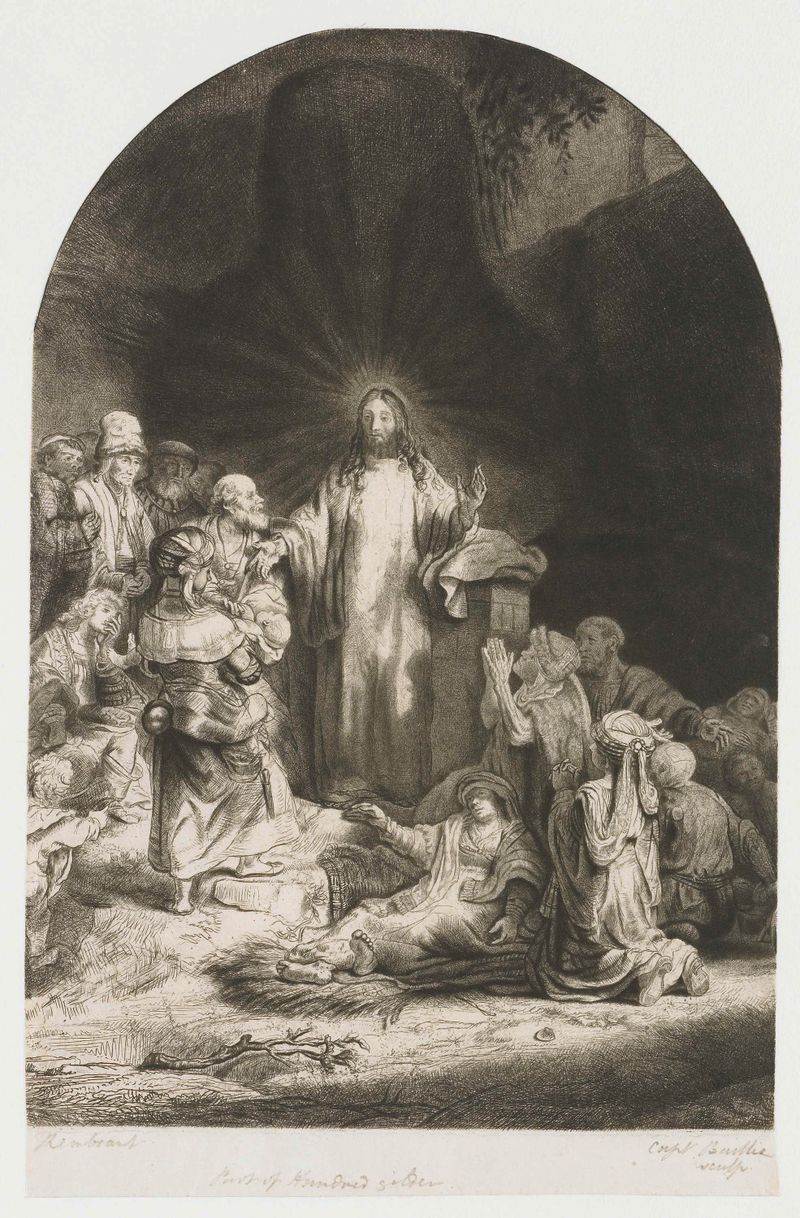
The Hundred Guilder Print: the central piece with Christ preaching, the plate arched
Rembrandt van Rijn

The Hundred Guilder Print: the man seen on the back in the lower left corner
Rembrandt van Rijn
More Religious Art
Browse all →The Return of the Prodigal Son
Rembrandt van Rijn

The Garden of Earthly Delights
El Bosco

Count Orgaz’ funeral
El Greco
The Hundred Guilder Print: the central piece with Christ preaching, the plate arched
Rembrandt van Rijn

The Descent from the Cross
Rogier van der Weyden
The return of the prodigal son
Rembrandt van Rijn