Prophet Isaiah in the Sistine Chapel: where and when
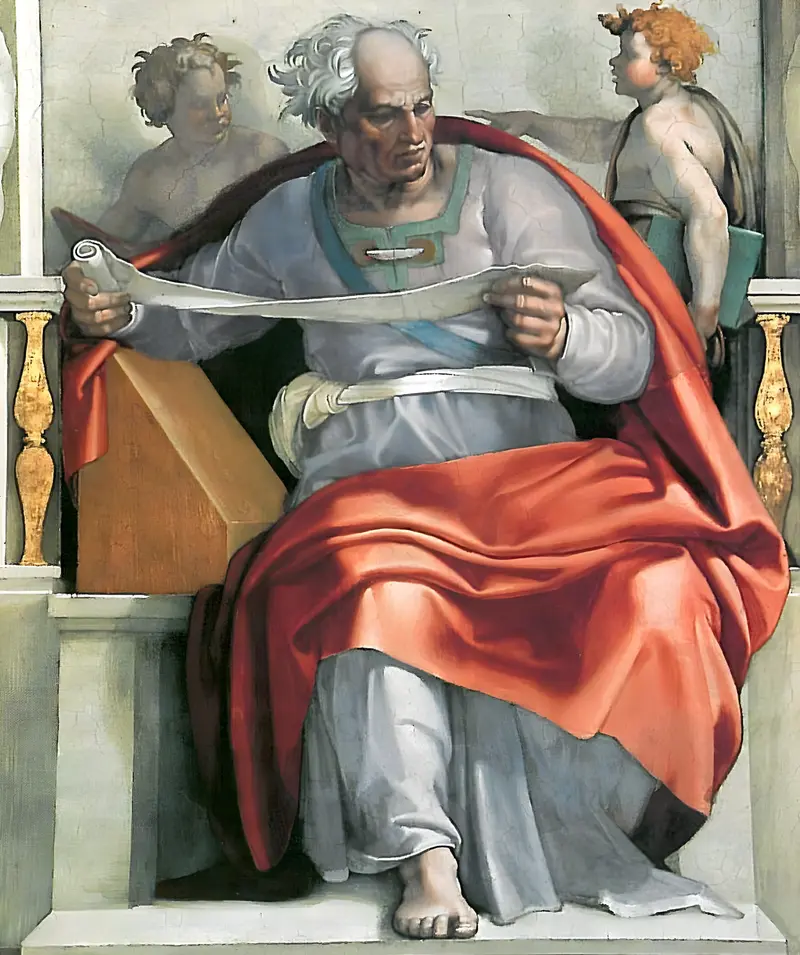
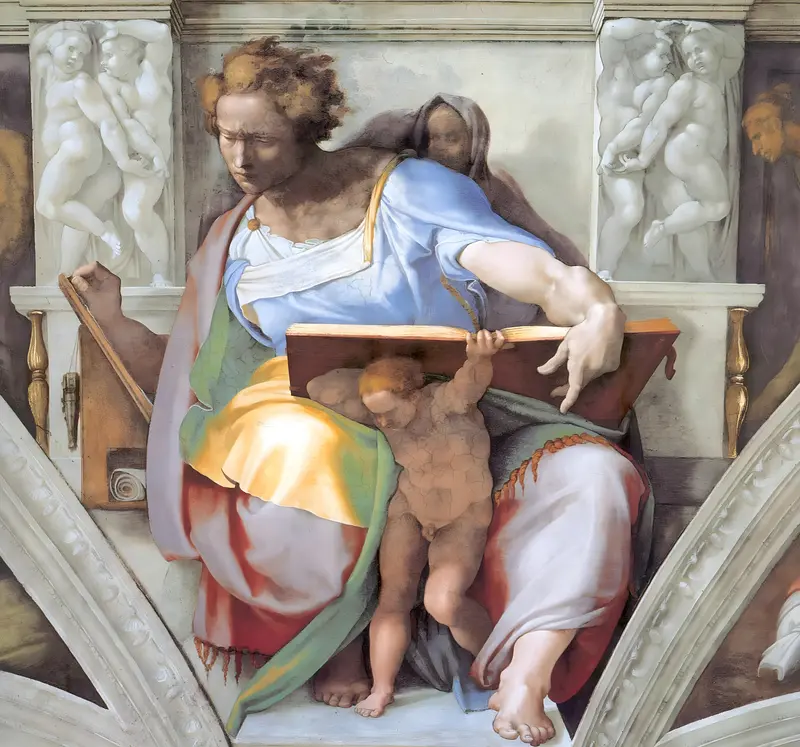
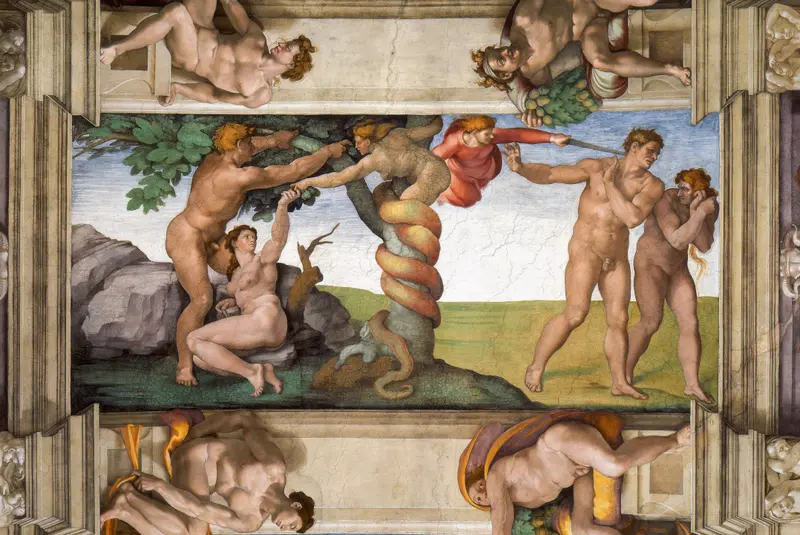
A throne each for twelve prophets and sibyls along the Sistine Chapel vault came with the plan that replaced Michelangelo’s first contract of 8 May 1508. Prophet Isaiah is one of them, a fresco by Michelangelo (1475–1564), part of a ceiling the Vatican Museums say was finished by 31 October 1512, with Mass celebrated in the chapel the next day. It belongs to the Vatican Museums and to the Renaissance. Italian calls him Isaia, German Jesaja.
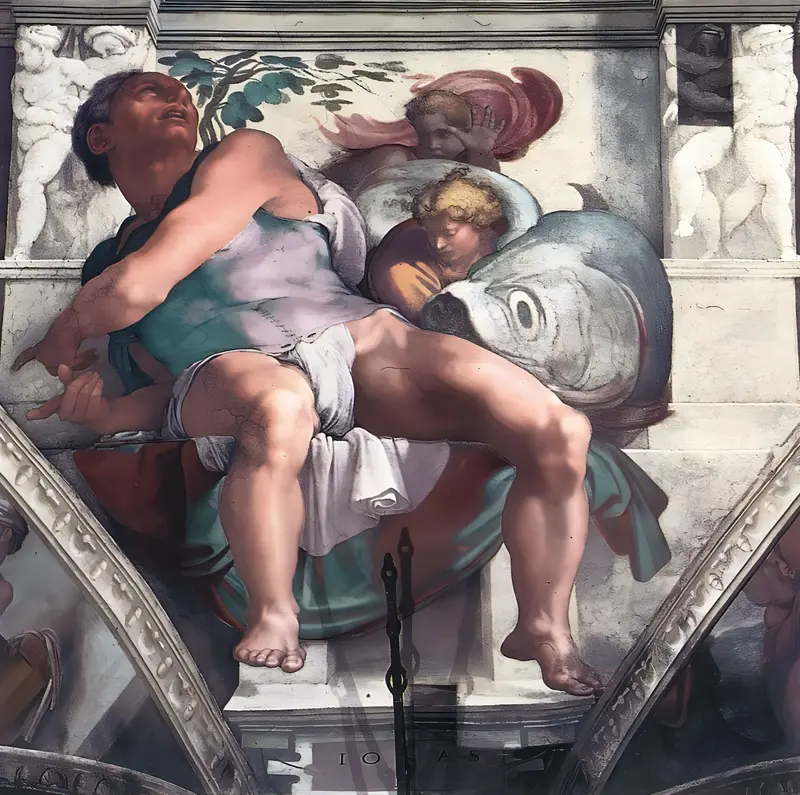
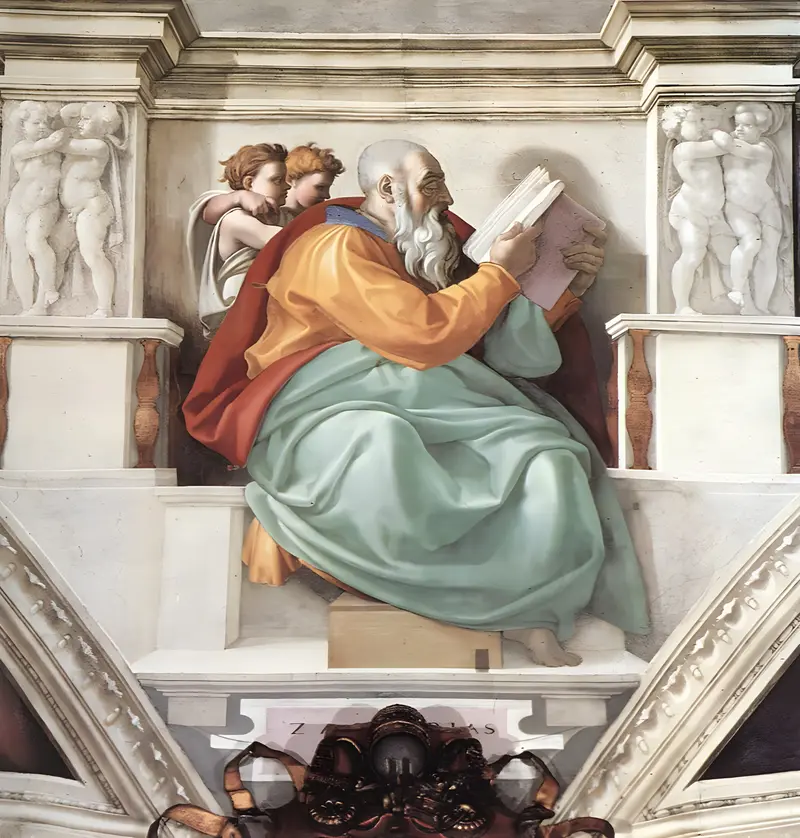
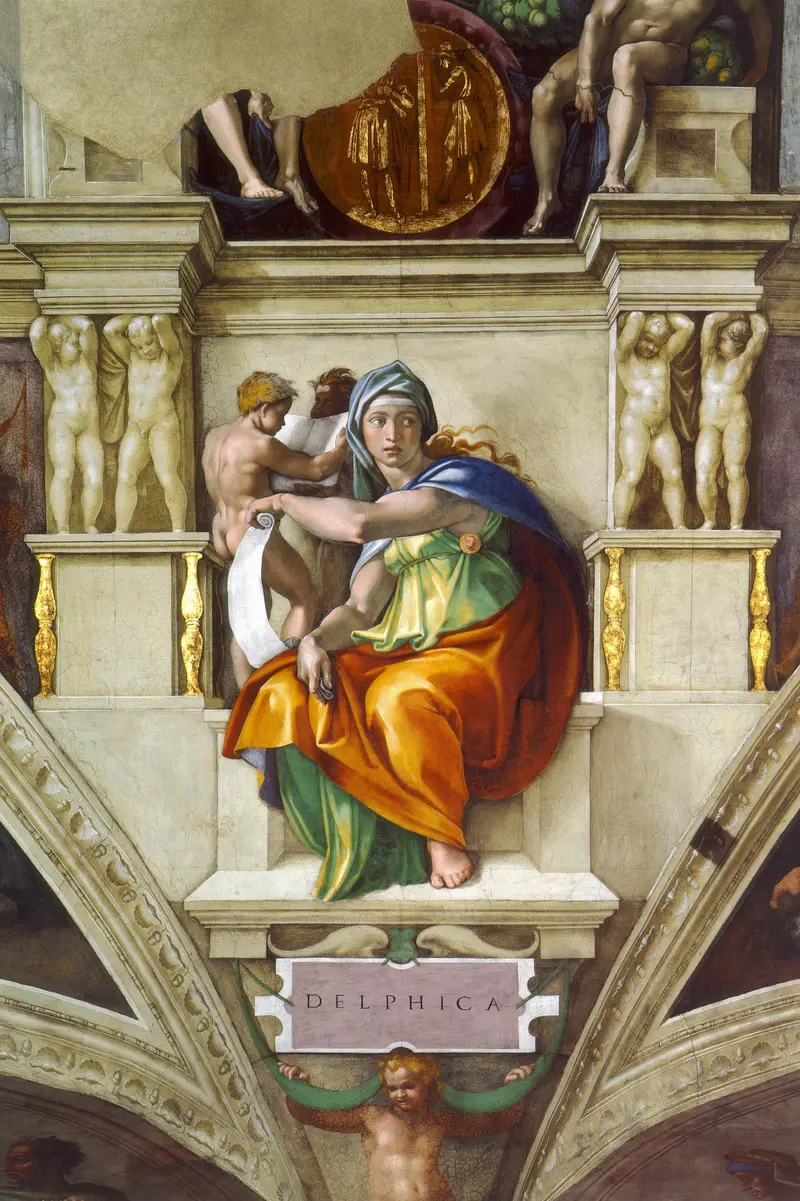
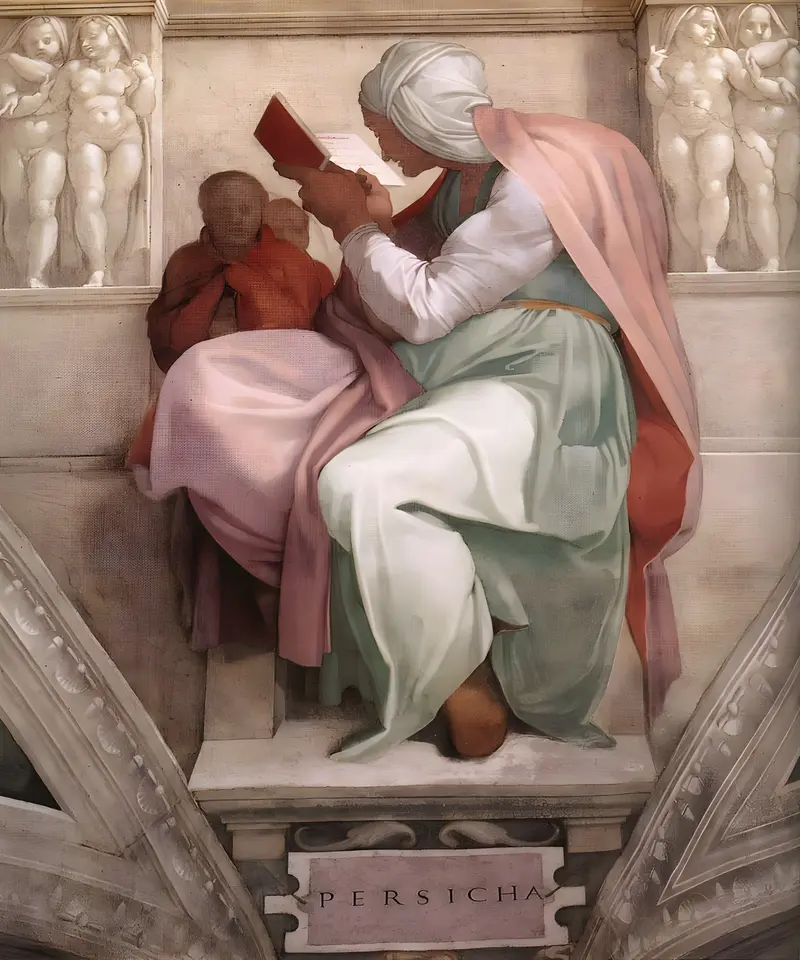
- Among twelve thrones: the Vatican Museums describe prophets and sibyls seated on monumental thrones along the long sides of the vault, each named by a text on the label below. Isaiah is one of the prophets in that row.
- A turn and a book: Giorgio Vasari describes Isaiah lost in thought, legs crossed, one hand in his book to keep his place and his cheek resting on the other hand; called by one of the boys behind him, he turns only his head.
- Waiting for the Redeemer: the Vatican Museums explain that the prophets foresaw Christ’s coming for Israel, while the sibyls, from the pagan world, extend that wait to all mankind.
- Date: the first half of the ceiling, from the entrance wall to the Creation of Eve, was done in August 1510. Wikidata gives 1508 for Isaiah, the start year; no source cited here dates this single figure.
- Fresco and size: Wikidata gives 365 cm high by 380 cm wide, in the Sistine Chapel and in the Vatican Museums collection.
Sources: Vatican Museums: the Sistine Chapel ceiling · Vatican Museums: Sibyls and Prophets · Wikidata Q3802366 · Giorgio Vasari, Lives of the Artists (1568), Michelangelo, tr. G. de Vere (Project Gutenberg)
Questions and answers about the painting
What does Michelangelo’s Prophet Isaiah show?
It shows the prophet Isaiah as a seated figure, one of the twelve prophets and sibyls Michelangelo painted on thrones around the Sistine Chapel vault. Giorgio Vasari describes him lost in thought with his book, turning only his head when one of the boys behind him calls. The Vatican Museums say each figure of this row is identified by a text on the label below, so the prophet is named on the ceiling itself.
Source: Vatican Museums: Sibyls and Prophets · Giorgio Vasari, Lives of the Artists (1568), Michelangelo, tr. G. de Vere (Project Gutenberg)
Where is the Isaiah fresco in the Sistine Chapel?
At the Vatican Museums in Vatican City: Wikidata places the fresco in the Sistine Chapel, in the Vatican Museums collection. It is painted on the vault itself, so it cannot be lent or moved. As of November 2026 the Vatican Museums site publishes opening days, 2026–2027 closures and tickets, so check it before a visit. For the whole vault, see Sistine Chapel Ceiling.
Source: Wikidata Q3802366 · Vatican Museums: the Sistine Chapel ceiling
When did Michelangelo paint the prophet Isaiah?
Between 1508 and 1512, the years of the whole ceiling; none of the sources read dates this single panel. Michelangelo signed the contract on 8 May 1508, the first half of the ceiling, from the entrance wall to the Creation of Eve, was done in August 1510, and the work must have been finished by 31 October 1512, since the pope celebrated Mass in the chapel on 1 November. Wikidata gives 1508 for Isaiah, which is the start year.
Source: Vatican Museums: the Sistine Chapel ceiling · Wikidata Q3802366 · Wikimedia Commons: file page of the scan
How big is Michelangelo’s fresco of the prophet Isaiah?
Wikidata gives 365 cm in height and 380 cm in width, so the panel measures about 3.7 by 3.8 metres. It is a fresco, painted on plaster in the Sistine Chapel. Sizes of ceiling figures can differ between listings, so treat the figure as Wikidata’s value, not a museum measurement.
Source: Wikidata Q3802366
Why did Michelangelo paint prophets and sibyls on the Sistine ceiling?
The Vatican Museums say they were the first to sense the coming of the Redeemer and so testify to mankind’s continuous wait for redemption. The prophets foresaw Christ for the people of Israel; the sibyls, though from the pagan world, are included because of their prophetic gifts, extending the wait to all mankind. The museum adds that the pope left the programme to Michelangelo, who probably used the theologians of the papal court.
Source: Vatican Museums: Sibyls and Prophets · Vatican Museums: the Sistine Chapel ceiling
Is Michelangelo’s Isaiah fresco in the public domain?
Yes. Michelangelo died in 1564, so his paintings are free of copyright everywhere. A faithful photograph of a public-domain painting adds no new copyright in the United States or the European Union, so you can download this image and use it in personal or commercial projects, for example on prints, books, websites or products. Public Domain Images for Commercial Use explains how.