
Art movement · c. 1400–1600 · Italy
Renaissance Art and Paintings
Renaissance art is an art movement that began in Italy, in Florence, in the early 1400s and revived the art and ideals of ancient Greece and Rome. It lasted until about 1600 and reached its peak, the High Renaissance, from about 1500 to 1530. Its painters include Leonardo da Vinci, Michelangelo, Raphael, Sandro Botticelli and Titian.
They painted lifelike, idealized figures in convincing space, using linear perspective, and moved from egg tempera to oil paint. Leonardo's Mona Lisa shows his sfumato, soft passages from light to shadow without hard outlines.
Browse 2,096 Renaissance paintings and artworks below, all public domain and free to download.
Selected and written by Pavel MazuelasUpdated November 5, 2026
Part of Art Movements and Painting StylesRelated: Northern Renaissance, Mannerism, Famous Religious Paintings
All Renaissance paintings and artworks
Religious paintings, portraits, myths, history scenes and allegories. All public domain, free to download.



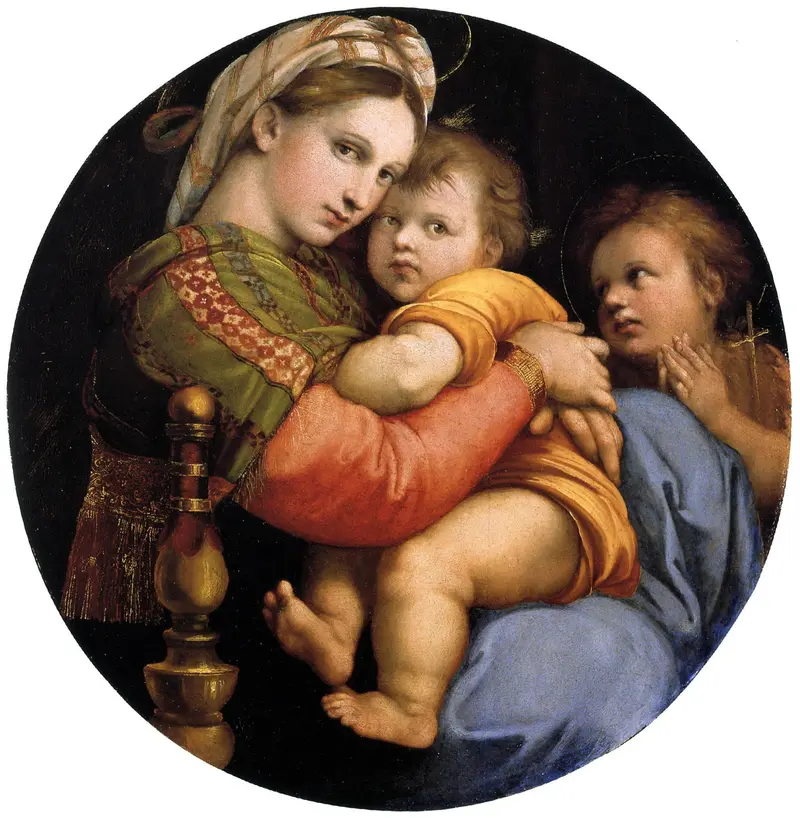



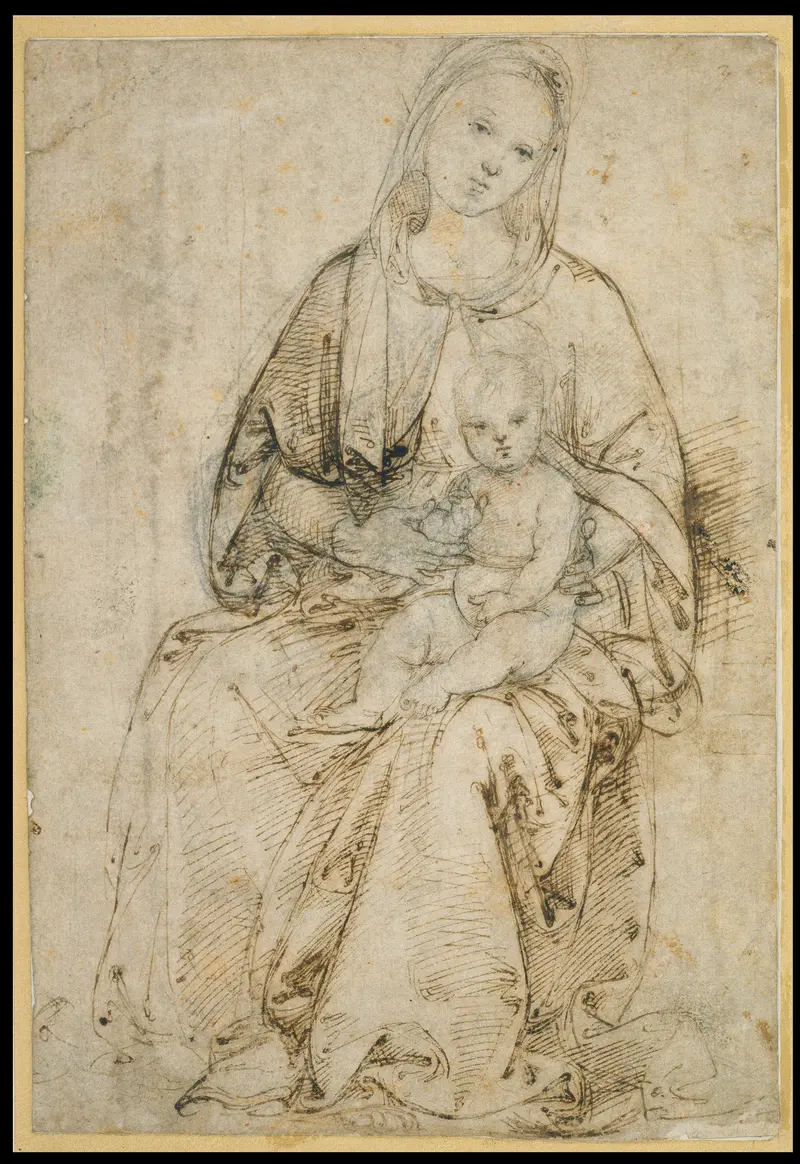



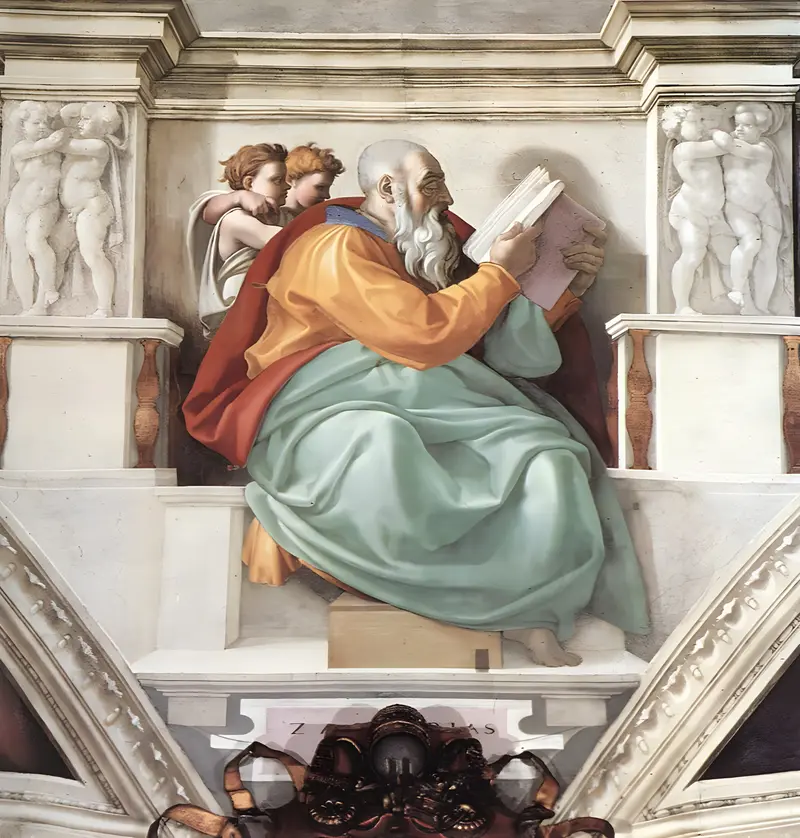

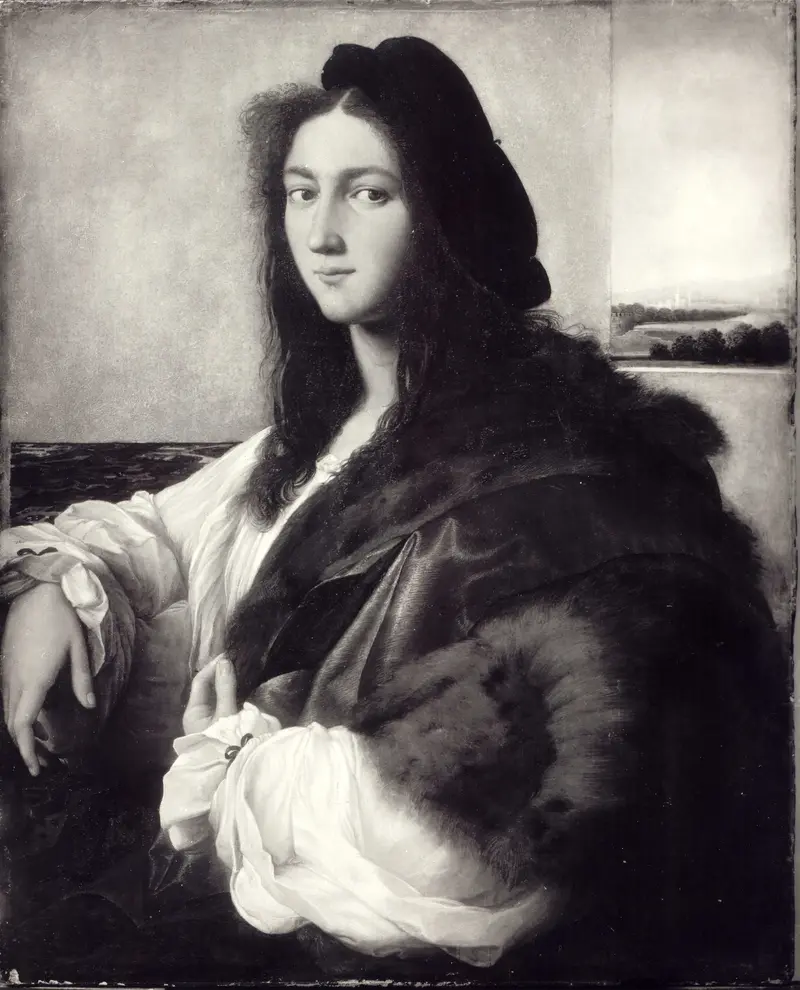



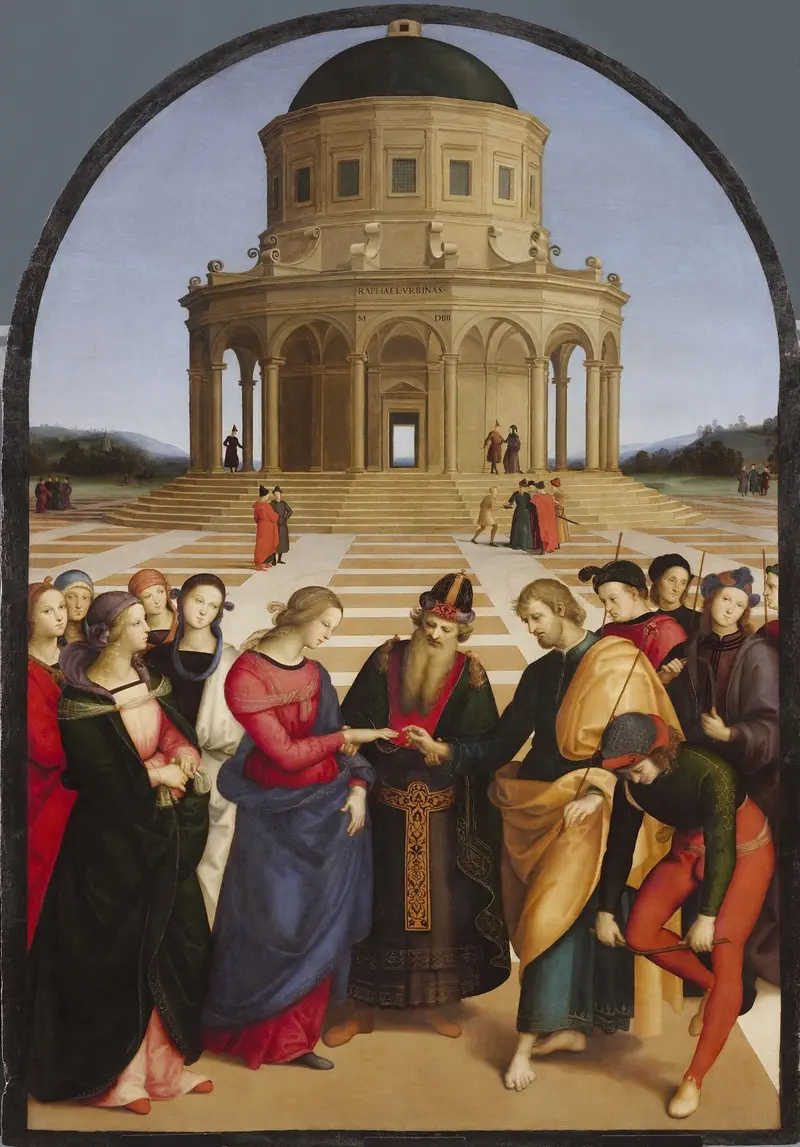



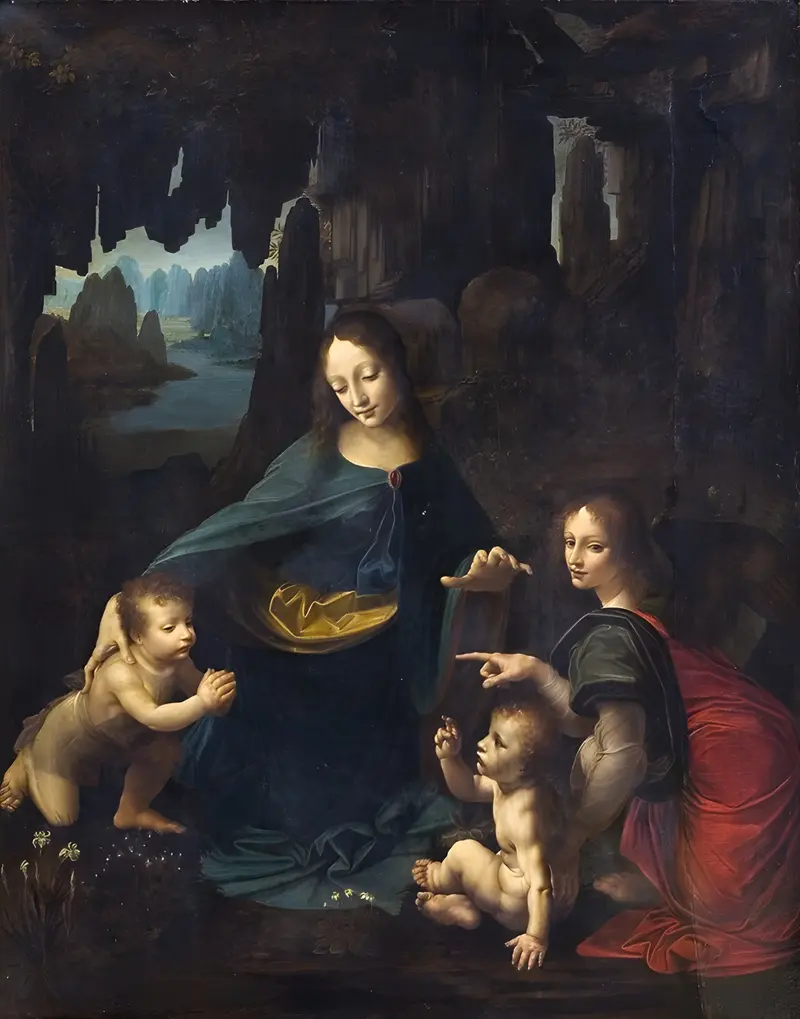
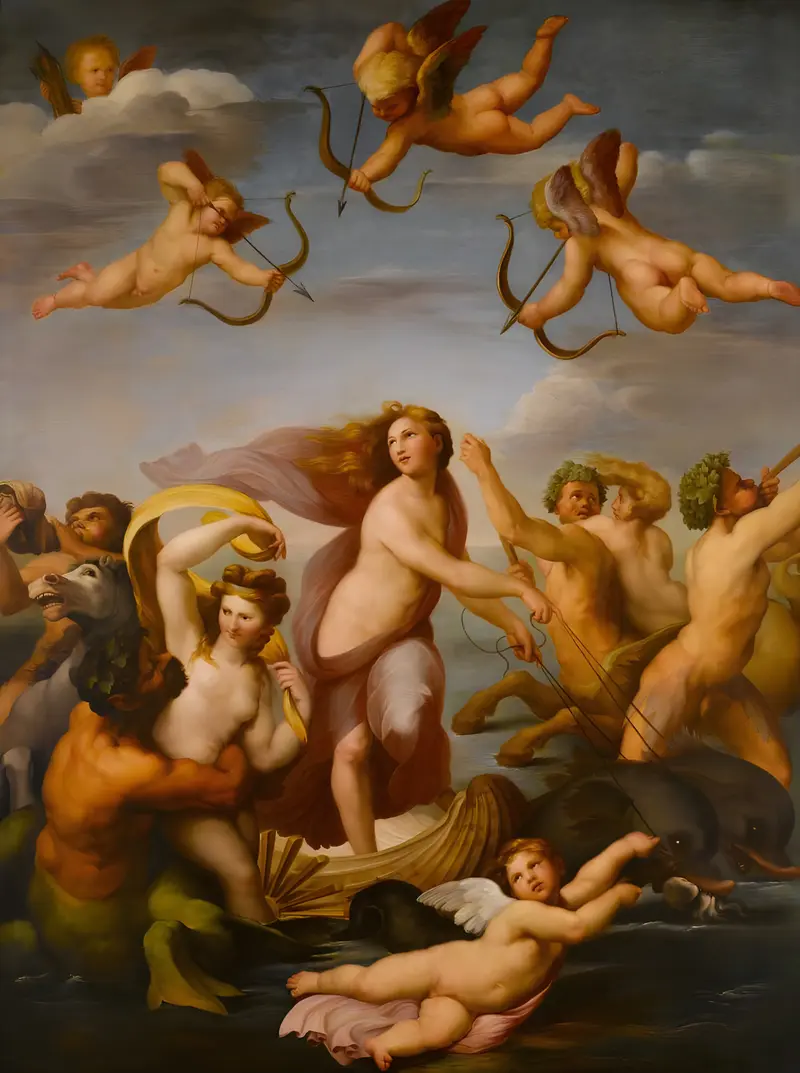
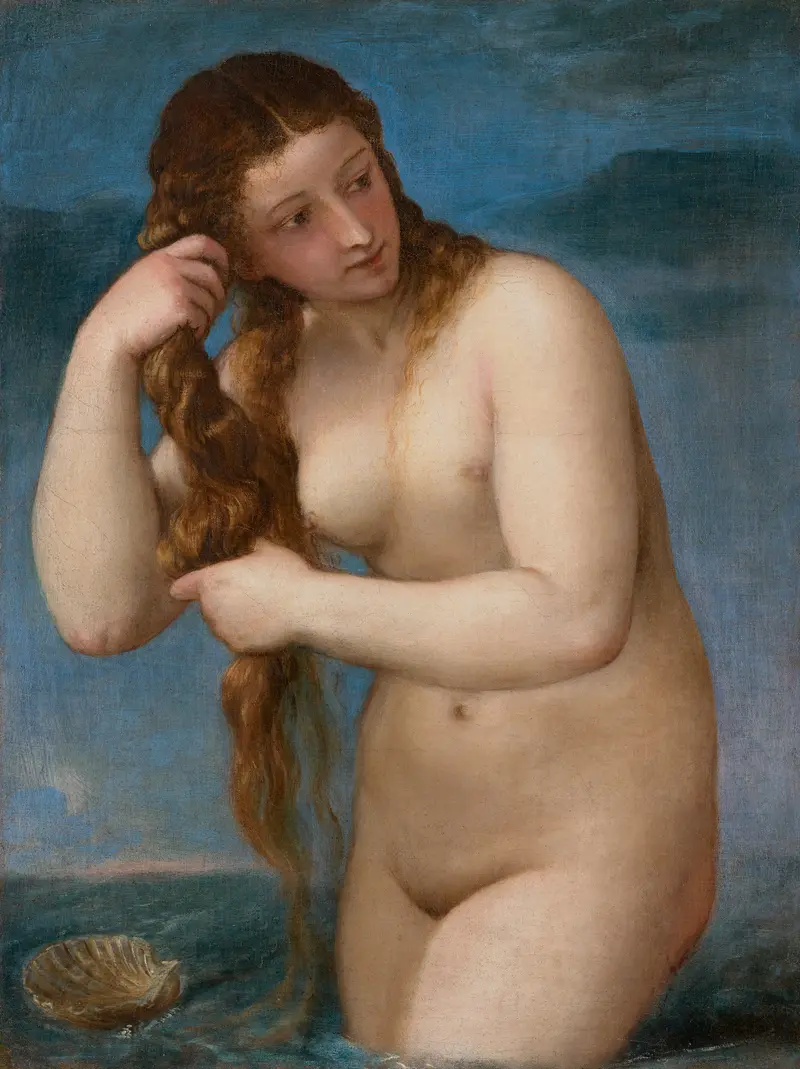
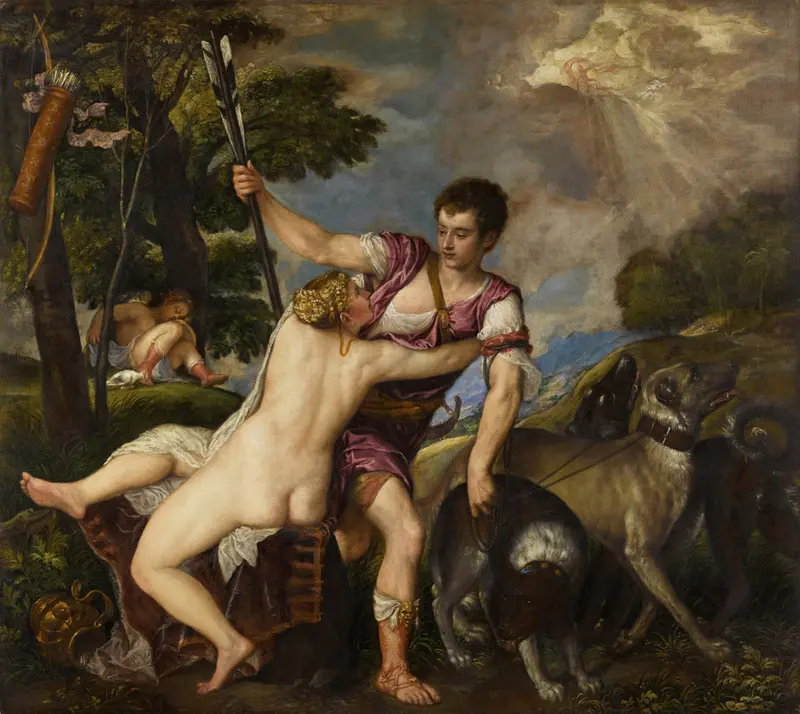

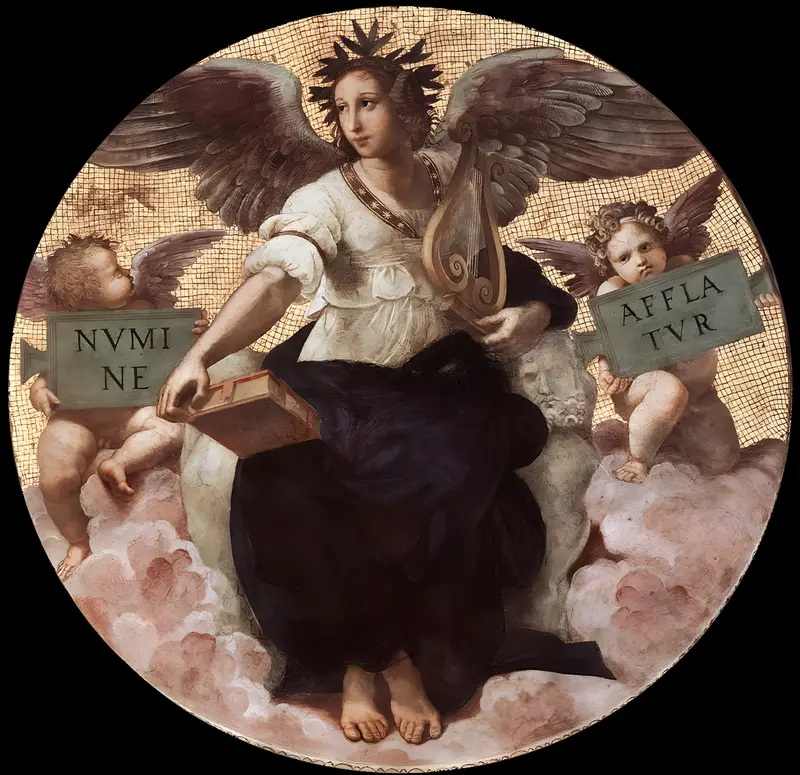

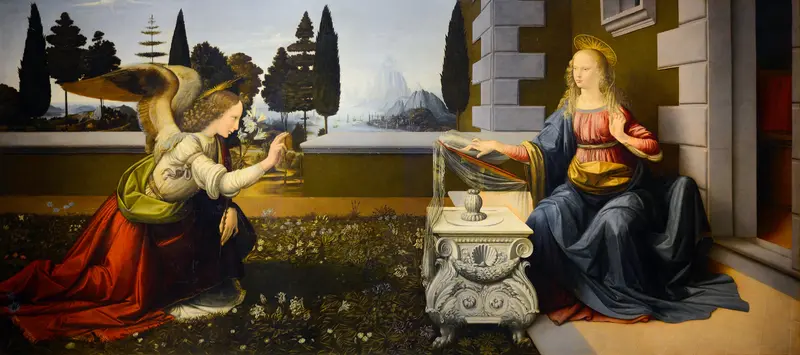

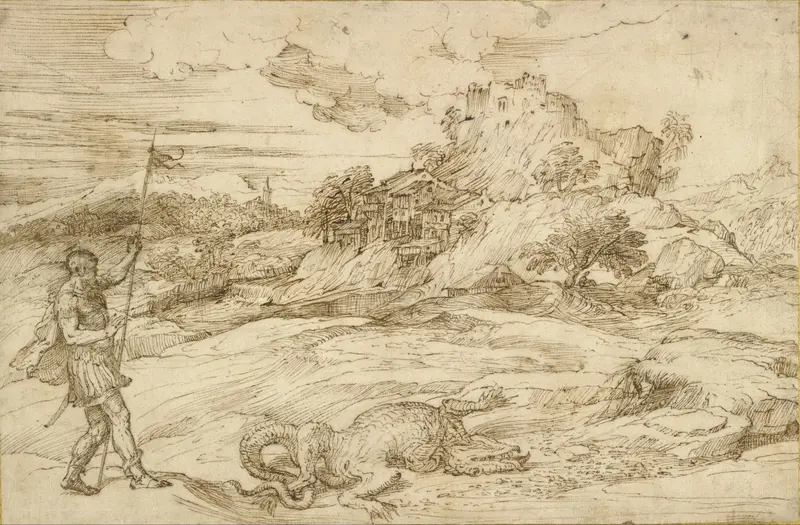

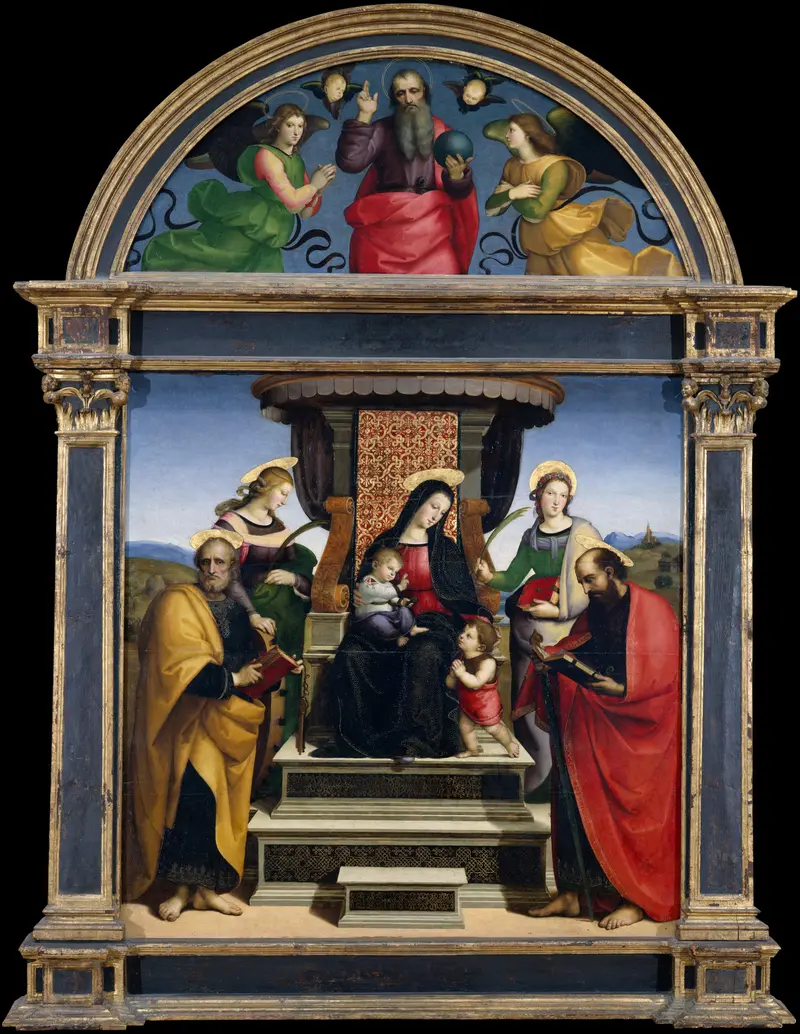

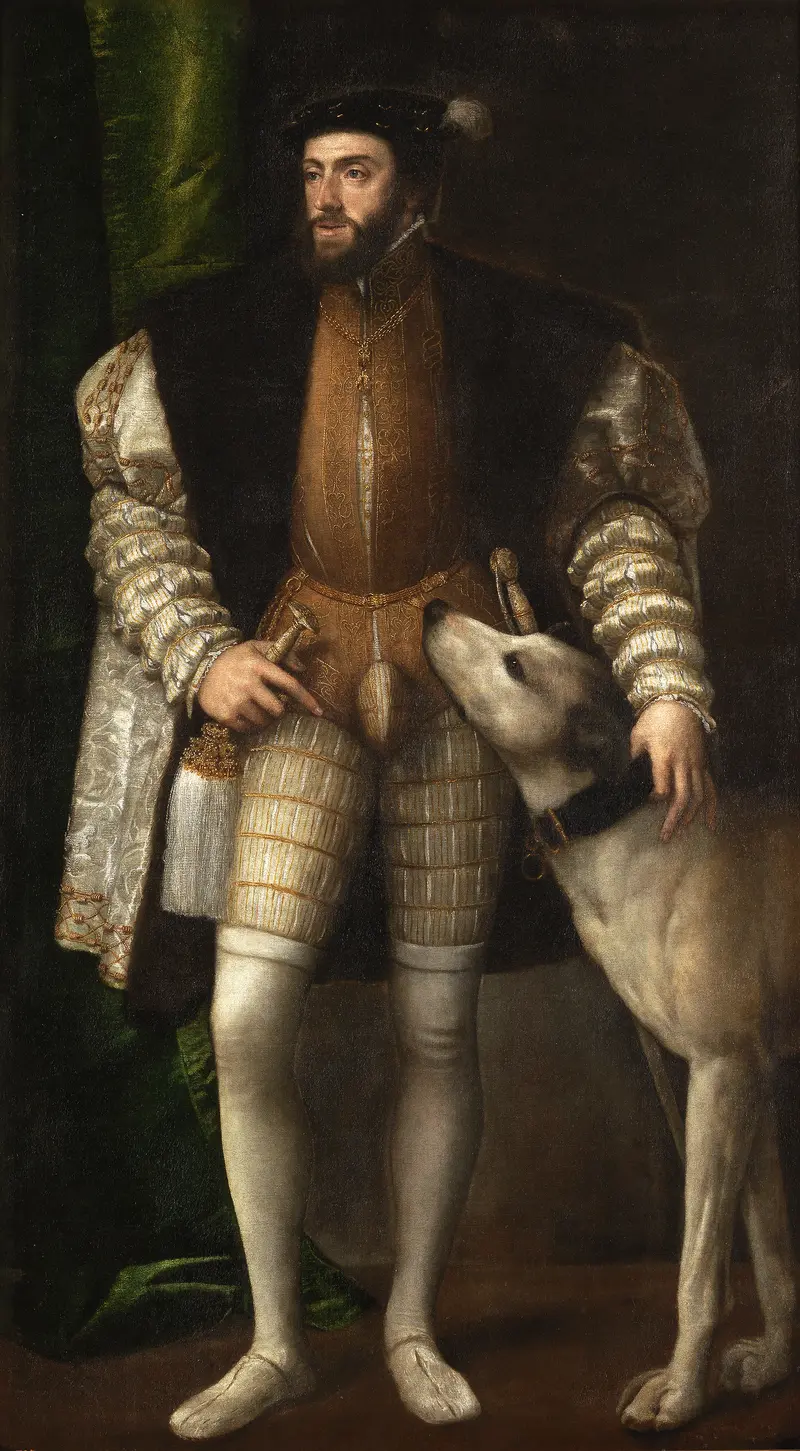


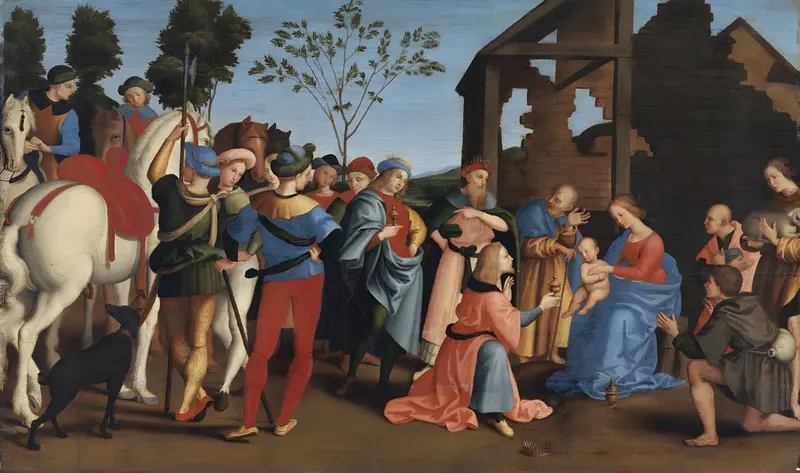

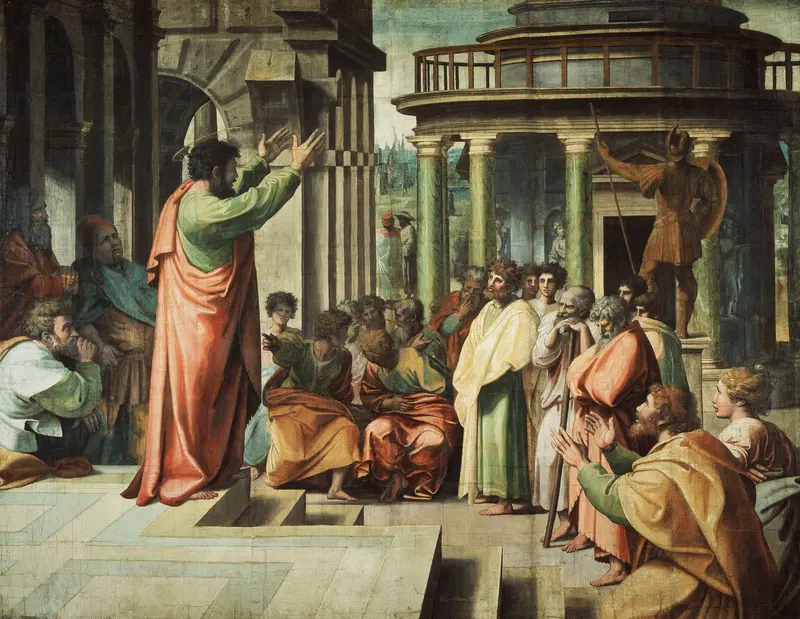



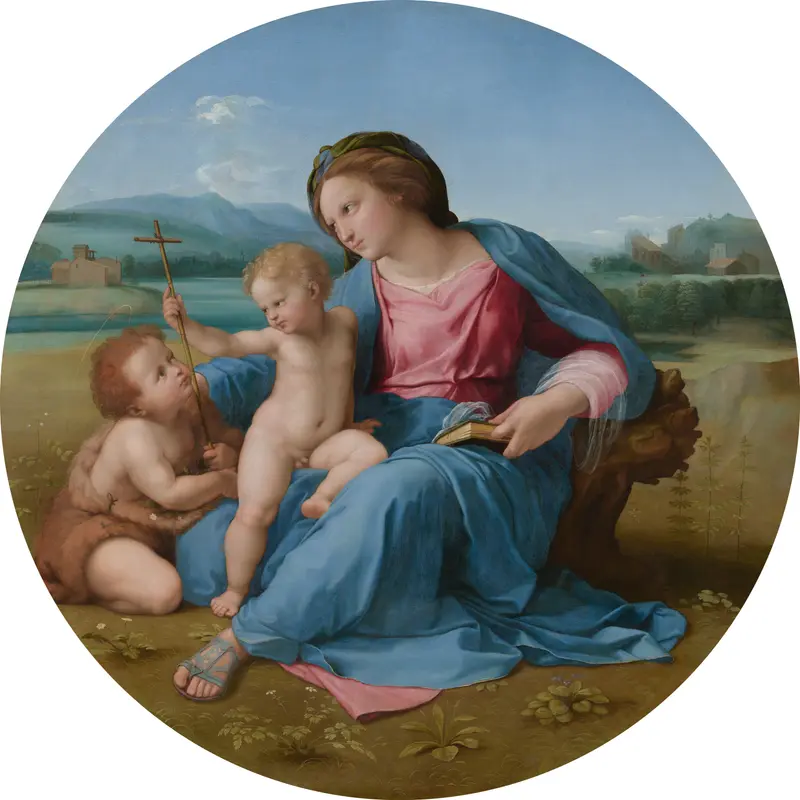
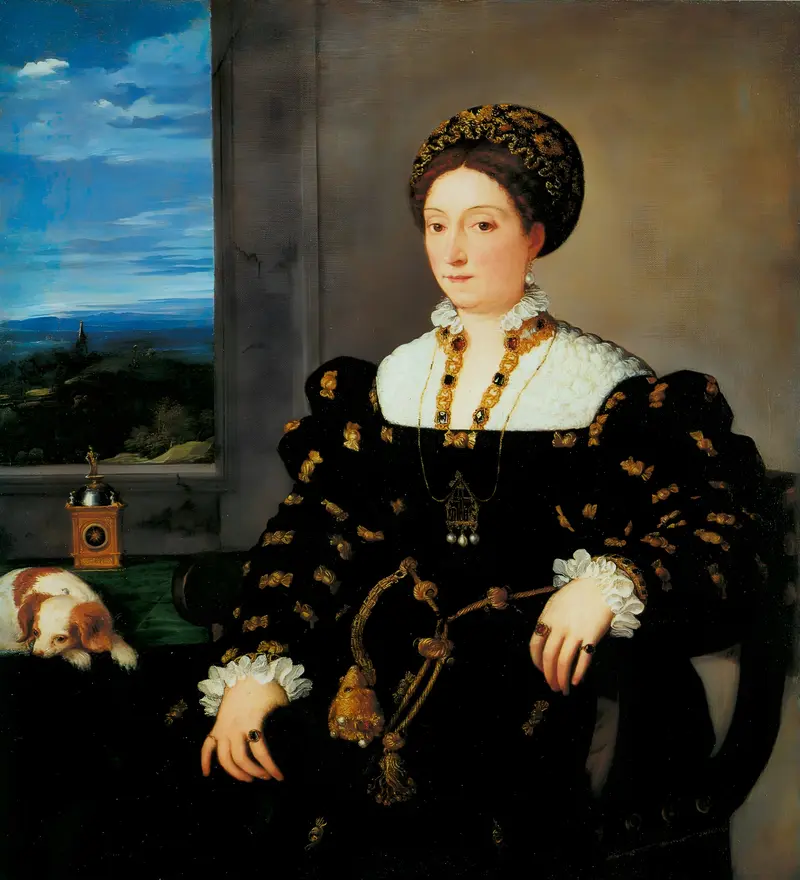
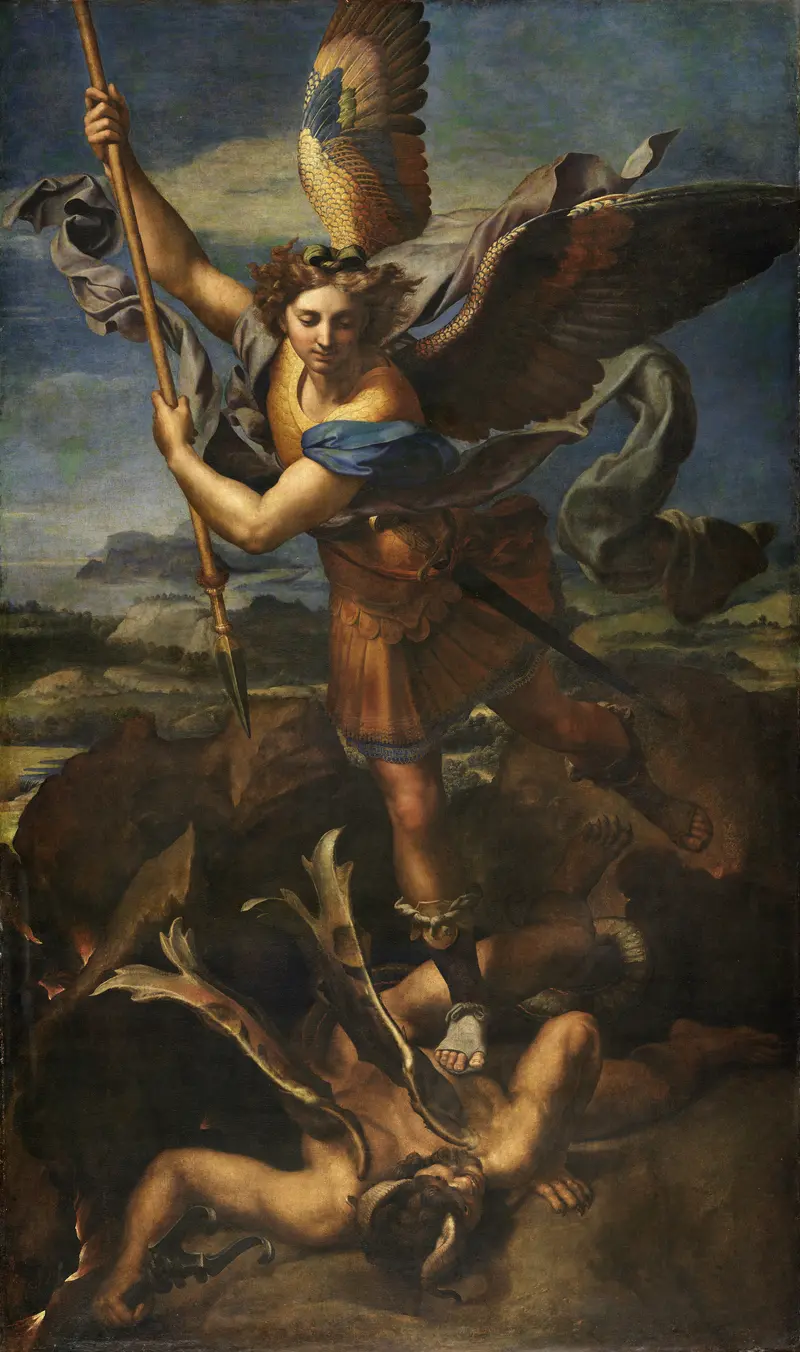
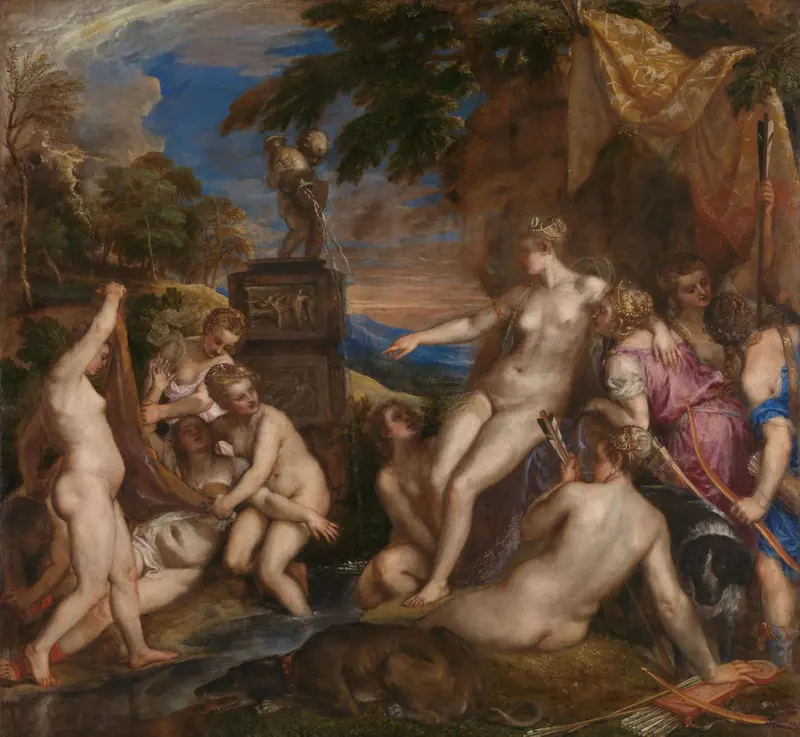




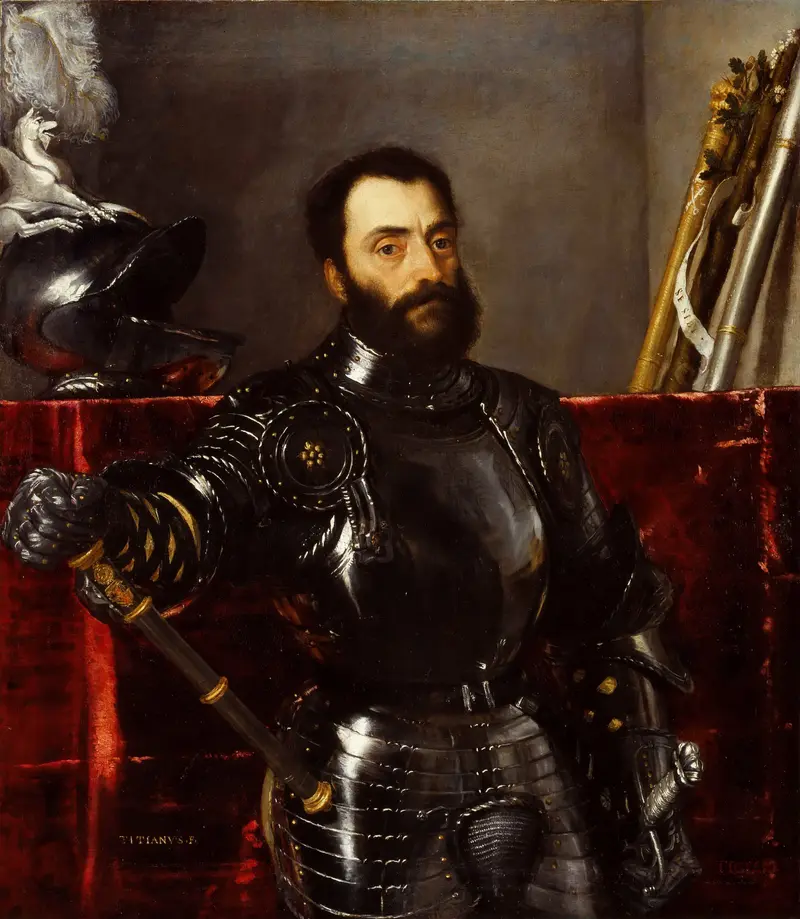

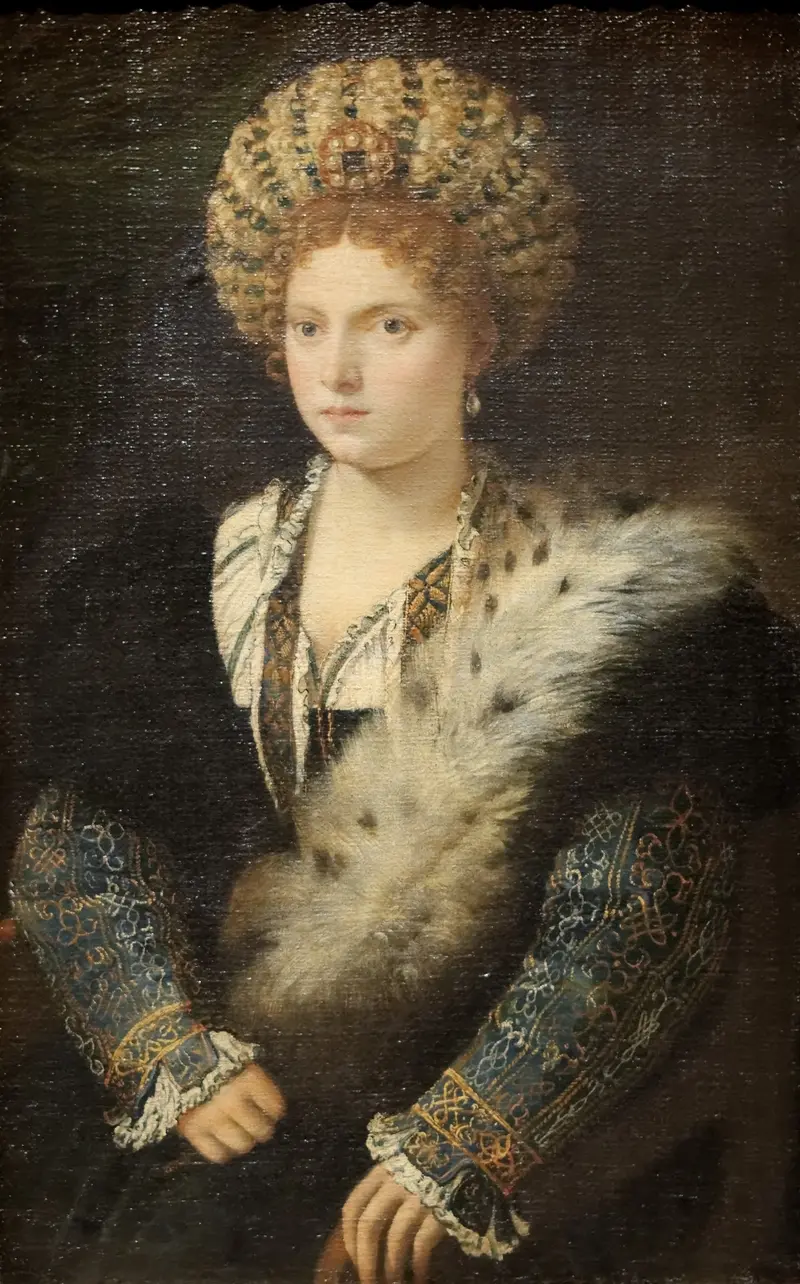


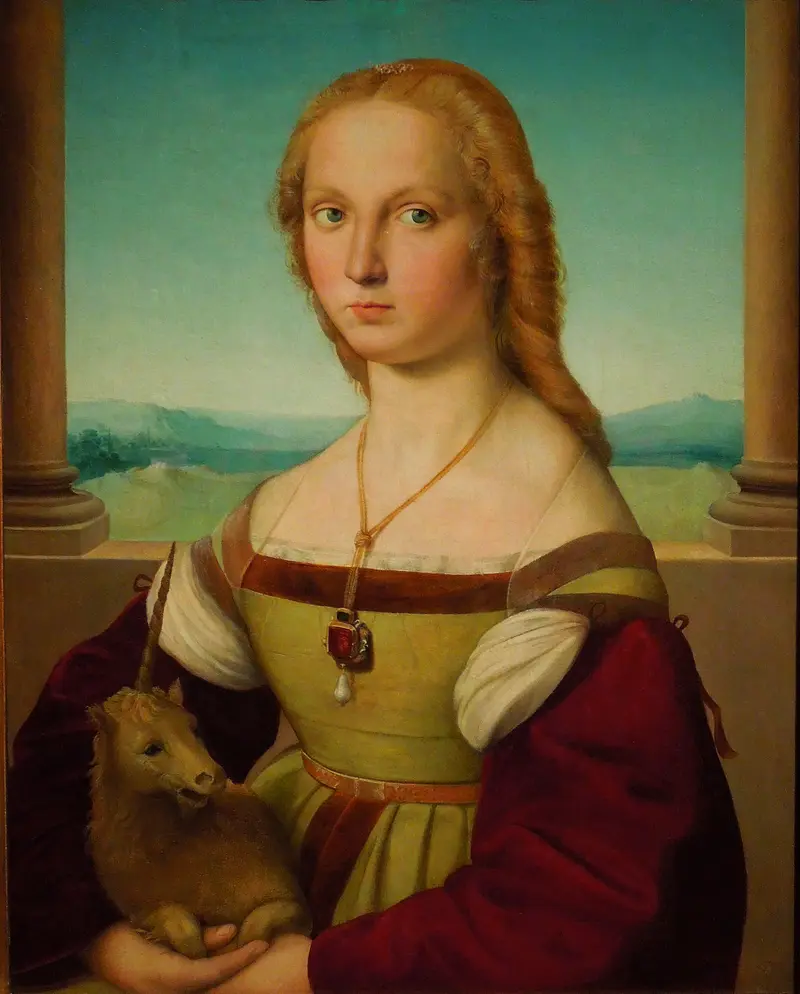



Famous Renaissance paintings
The best-known works of Italian Renaissance art, from Florence, Rome and Venice; click any one to see it up close and download it free.
 Mona LisaLeonardo da Vinci
 The Last SupperLeonardo da Vinci
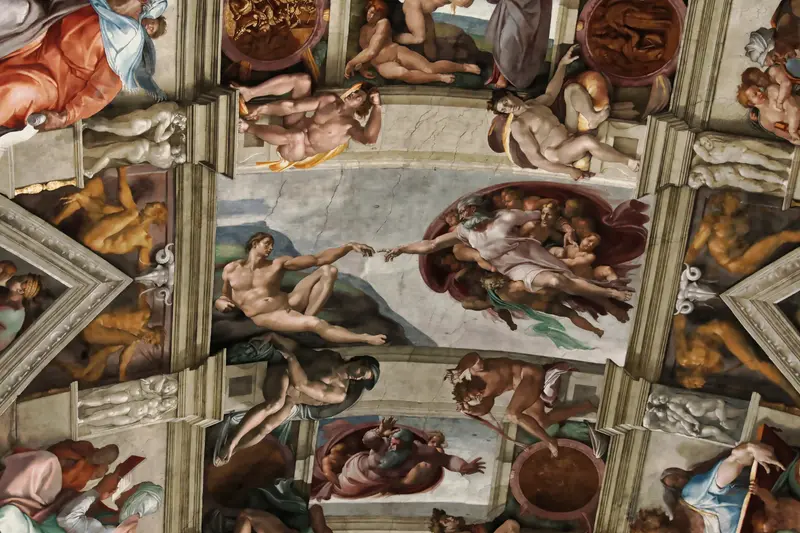
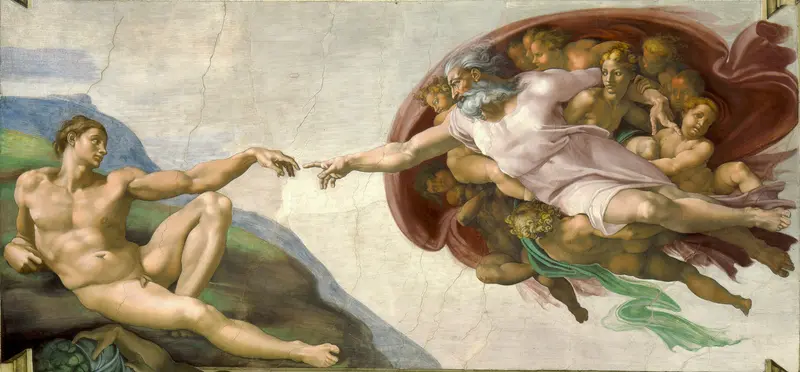 The Creation of AdamMichelangelo
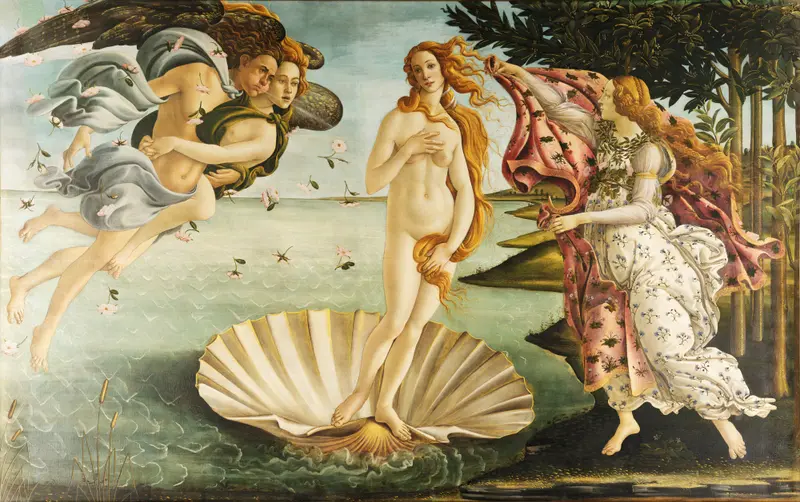 The Birth of VenusSandro Botticelli
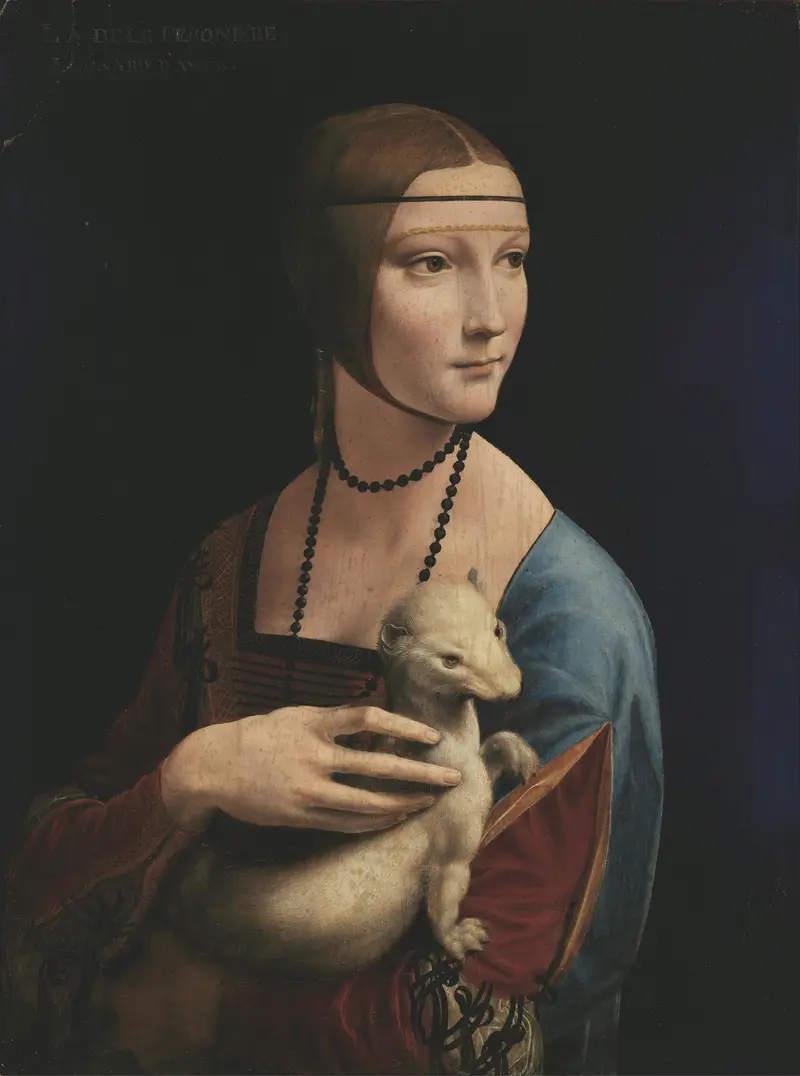 Lady with an ErmineLeonardo da Vinci
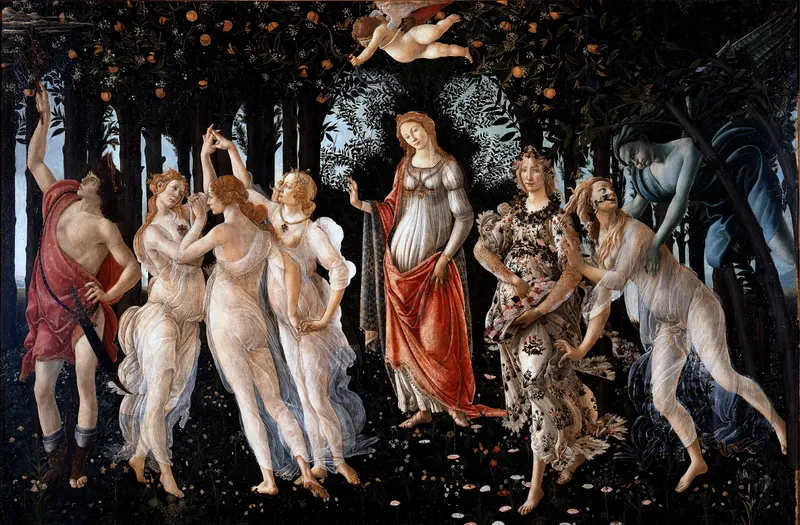 PrimaveraSandro Botticelli
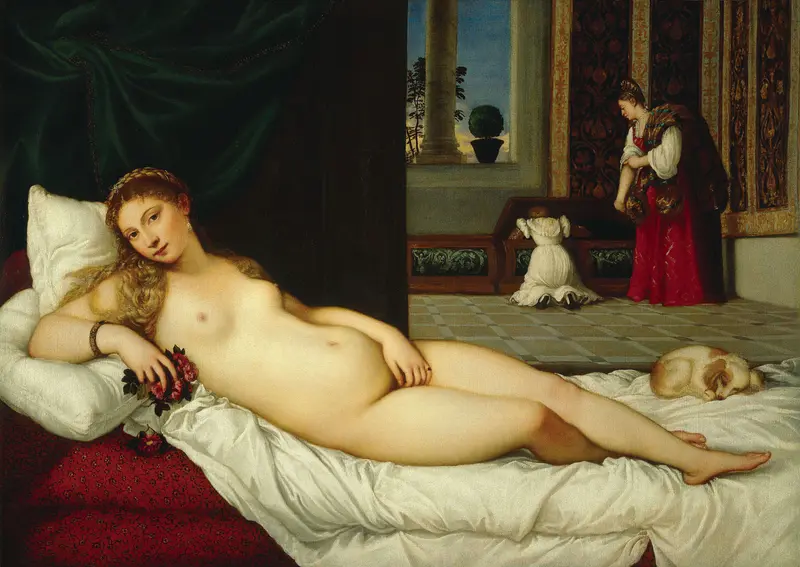 Venus of UrbinoTitian
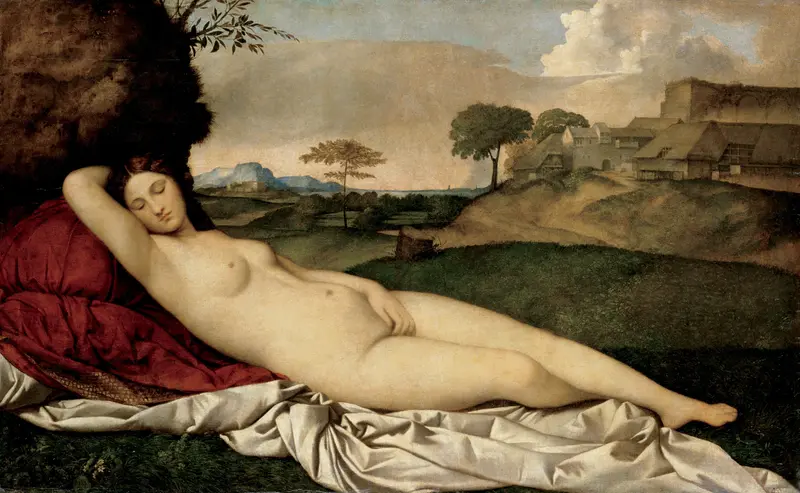 Sleeping VenusGiorgione and Titian
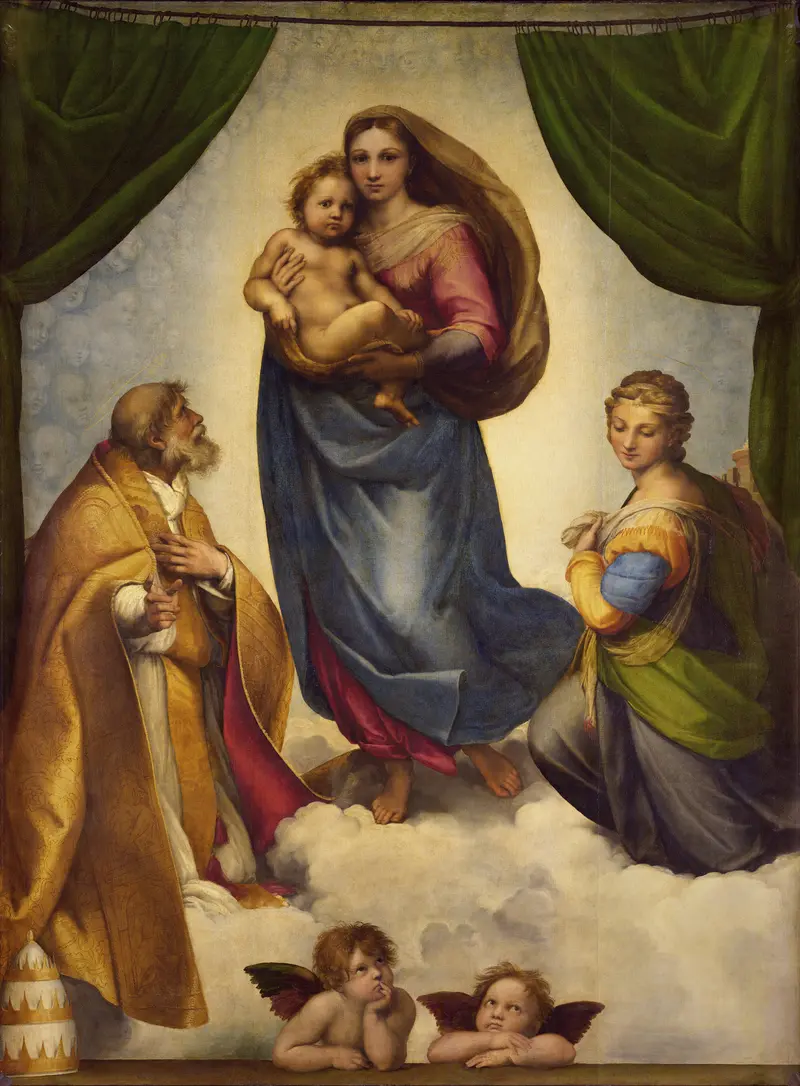 Sistine MadonnaRaphael
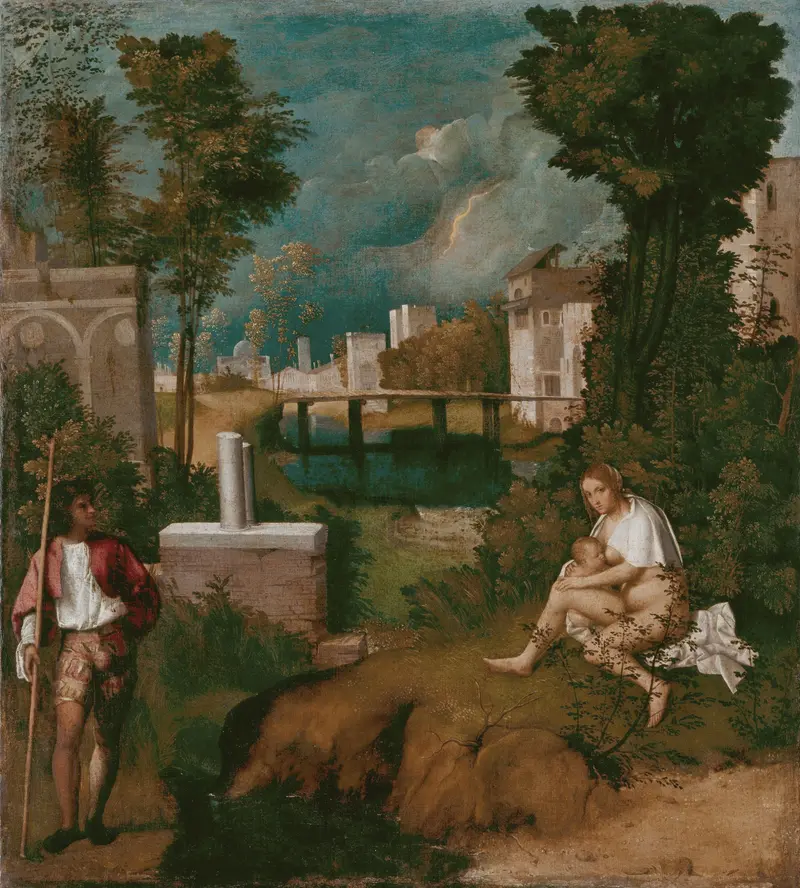 The TempestGiorgione
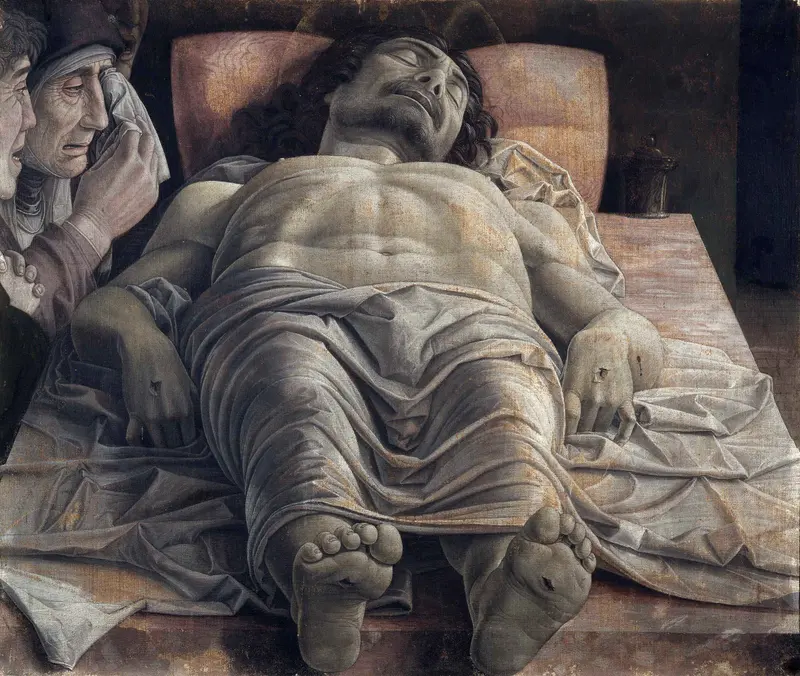 Lamentation over the Dead ChristAndrea Mantegna
 The Wedding at CanaPaolo Veronese
Renaissance artists
Nine Renaissance masters, from Leonardo, Michelangelo and Raphael to the Venetians Bellini, Titian and Veronese. Each link opens all their paintings.
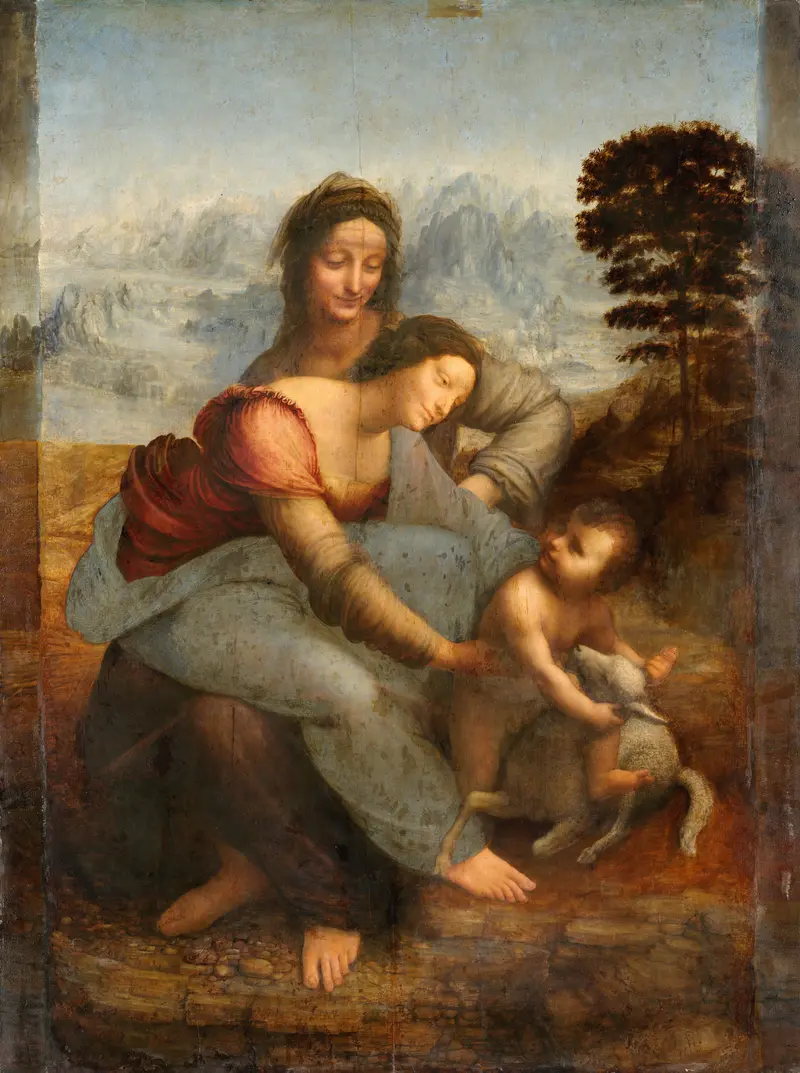 Leonardo da Vinci1452–1519. Painter, engineer and scientist who trained with Verrocchio in Florence and moved to Milan in the 1480s, where he painted the Last Supper; many of his works were never finished.
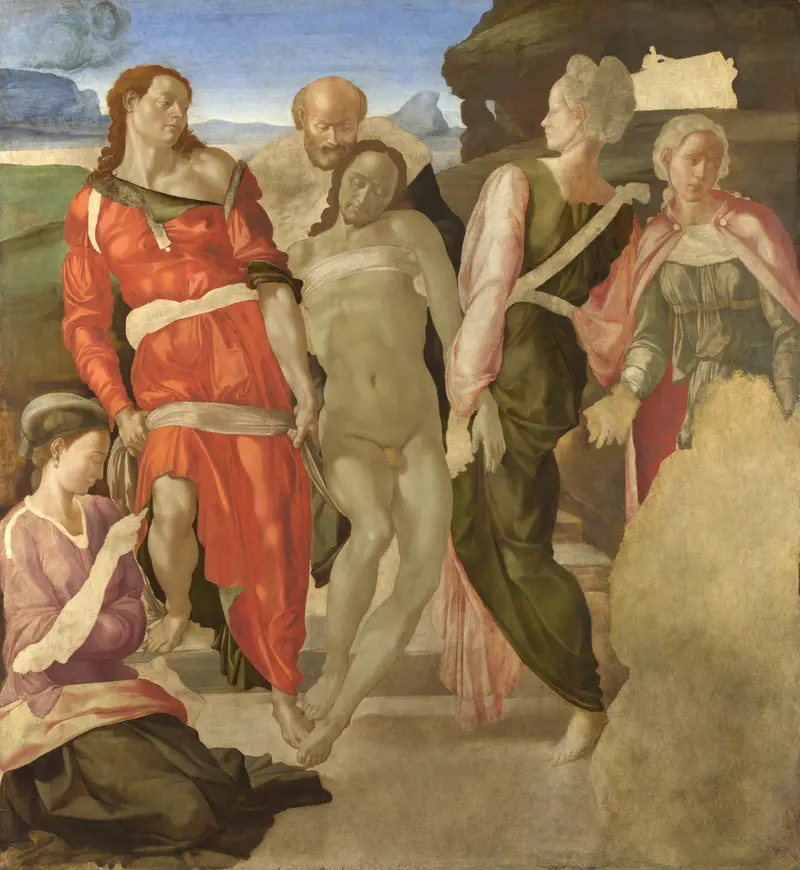 Michelangelo1475–1564. The first artist his contemporaries recognized as a genius, the National Gallery says; trained as a painter with Ghirlandaio, he painted the Sistine Chapel ceiling from 1508 to 1512.
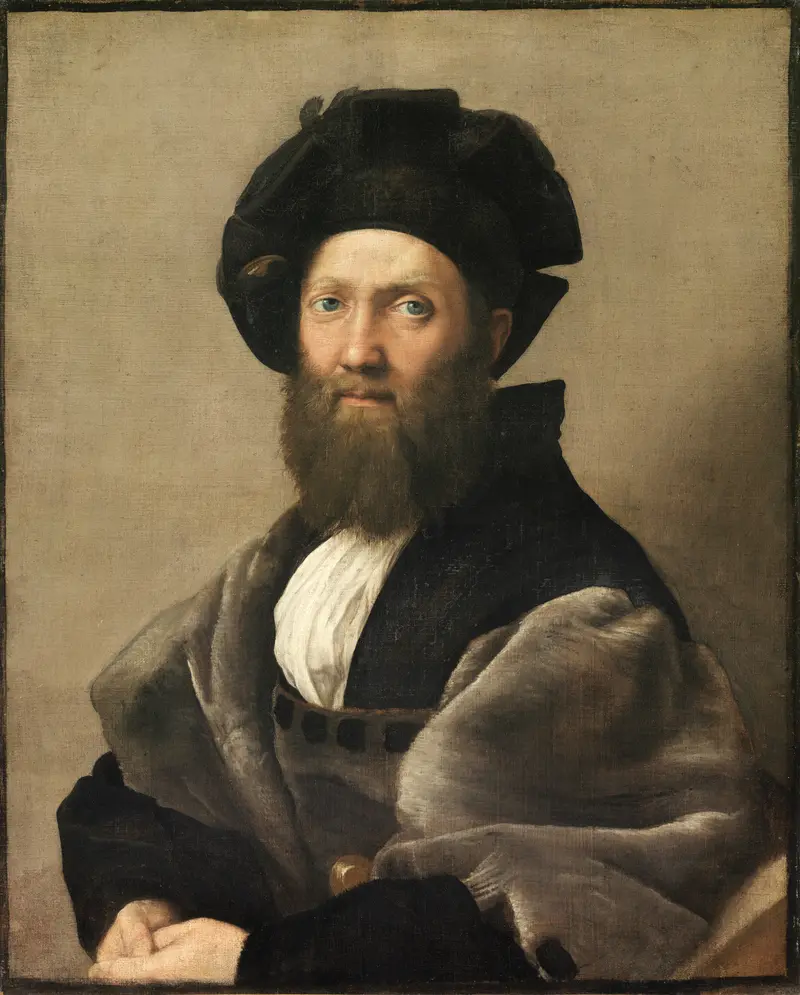
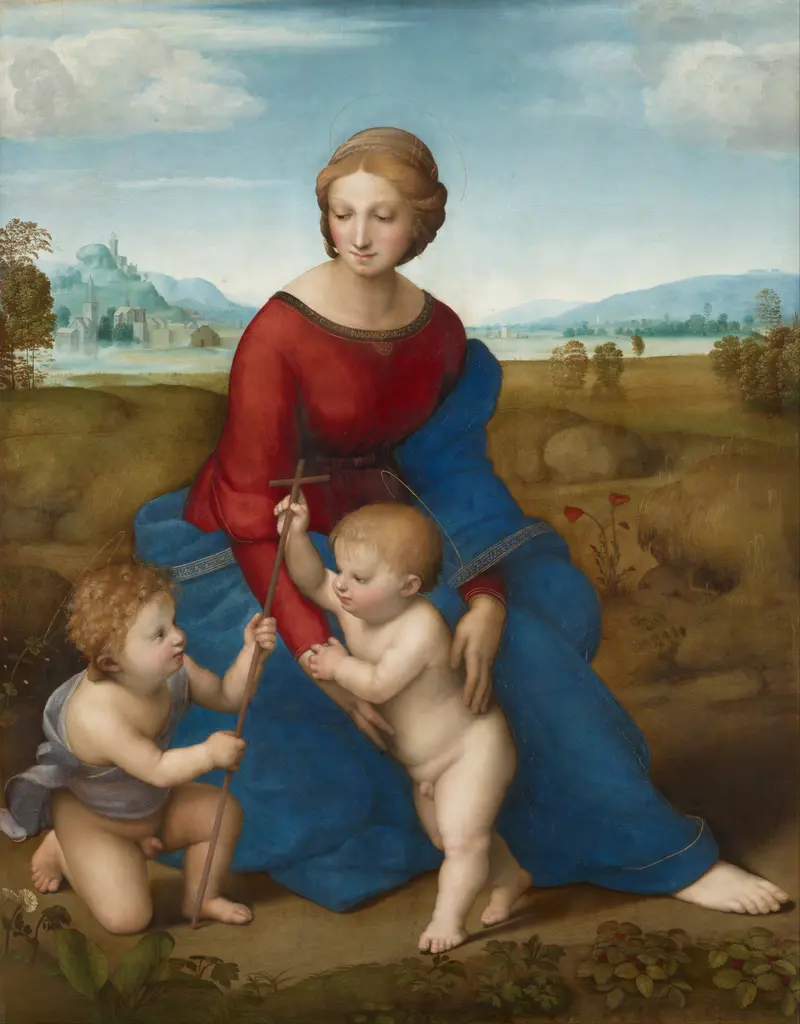 Raphael1483–1520. Born in Urbino, he made his name in Florence and from 1508 worked in Rome for Pope Julius II; the National Gallery calls him the supreme High Renaissance painter. He died at 37.
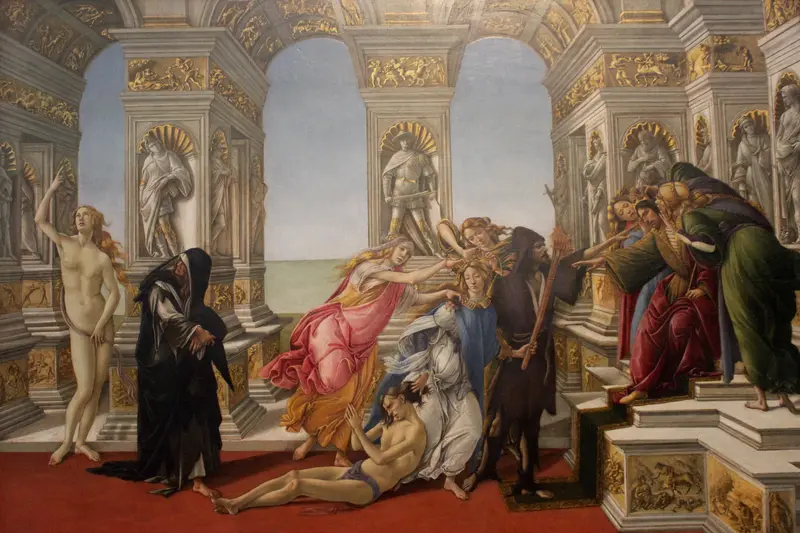 Sandro BotticelliAbout 1445–1510. Florentine painter trained by Fra Filippo Lippi who worked mostly for the Medici and their circle; in 1481 the Pope called him to Rome to paint frescoes in the Sistine Chapel.
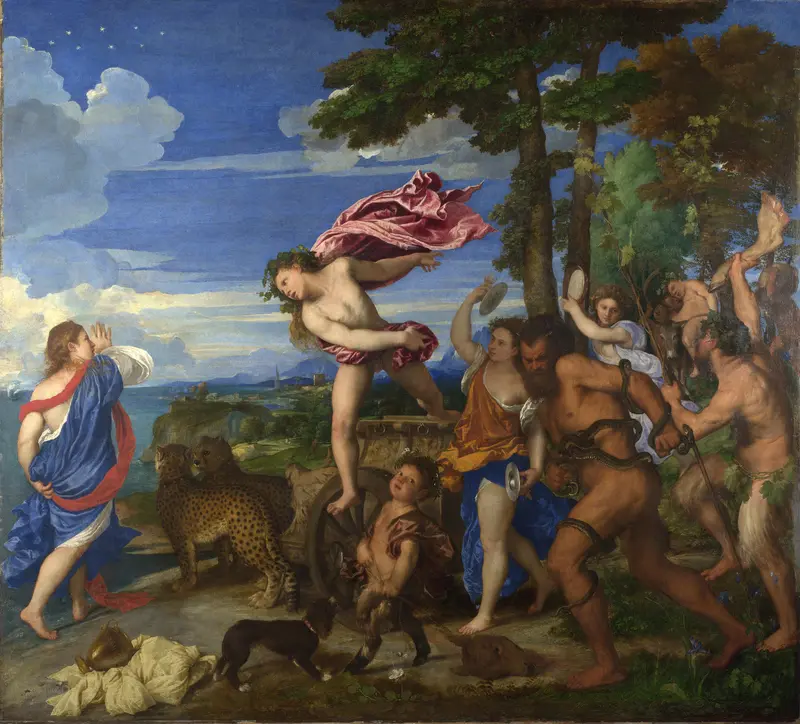 TitianAbout 1490–1576. The greatest painter of 16th-century Venice and the first with a mainly international clientele, the National Gallery says; he became principal painter to Emperor Charles V.
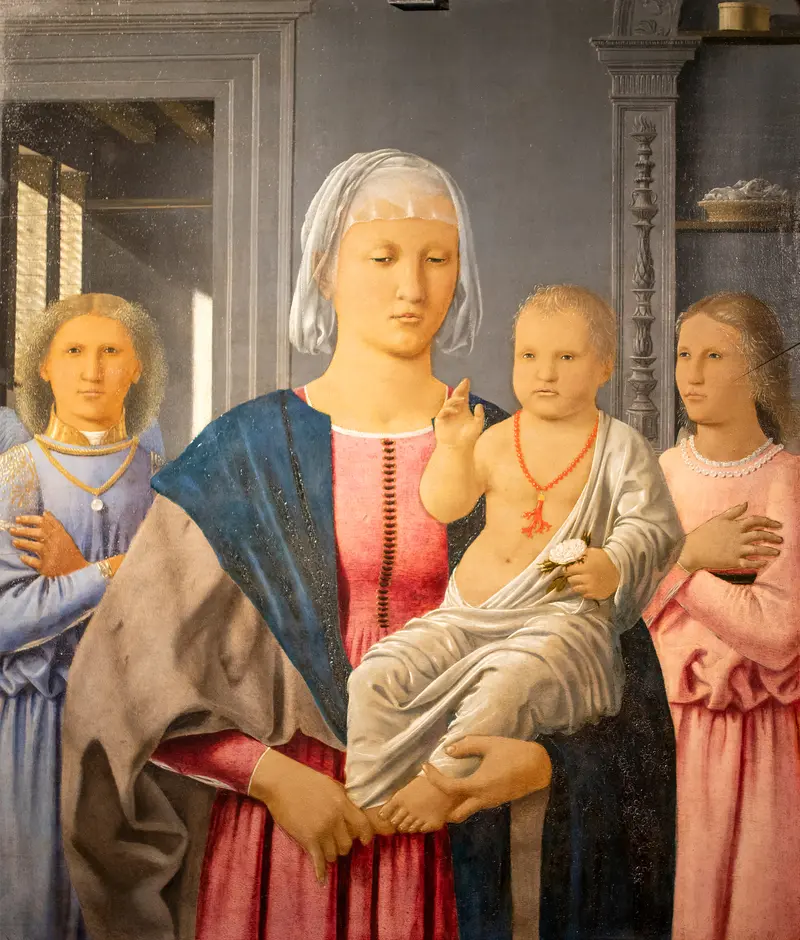
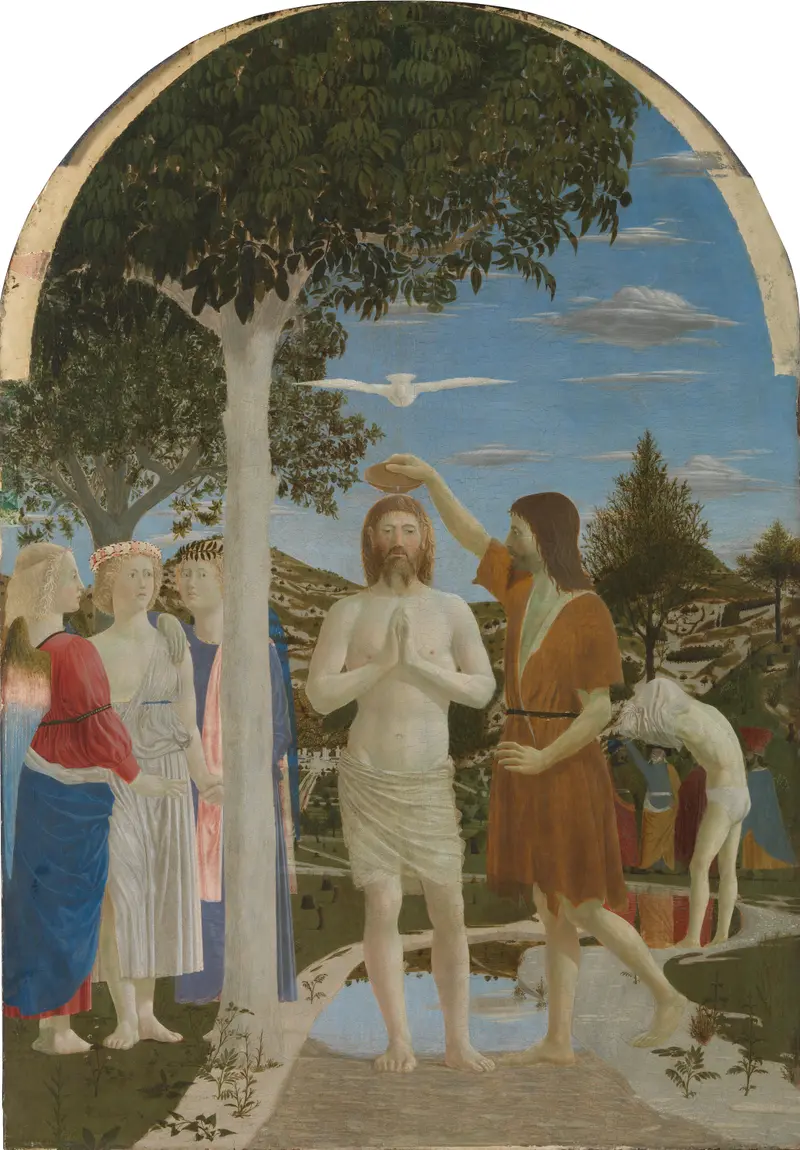 Piero della FrancescaAbout 1415/20–1492. Painter and mathematician from Sansepolcro whose cool colors, geometric compositions and accurate perspective give his work its meditative calm; he worked for the Duke of Urbino.
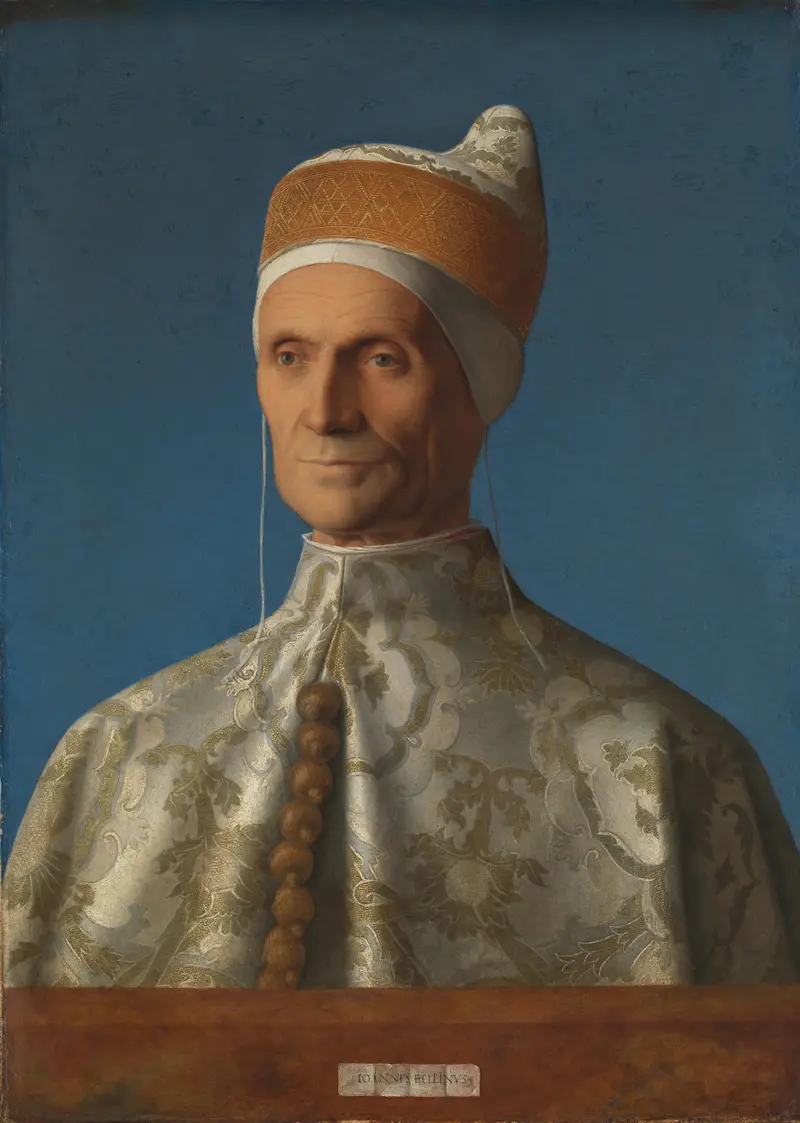 Giovanni Bellini1435–1516. One of the most influential Venetian painters, celebrated for his natural light and tender Madonnas; Dürer wrote in about 1506 that he was “the best painter of all.”
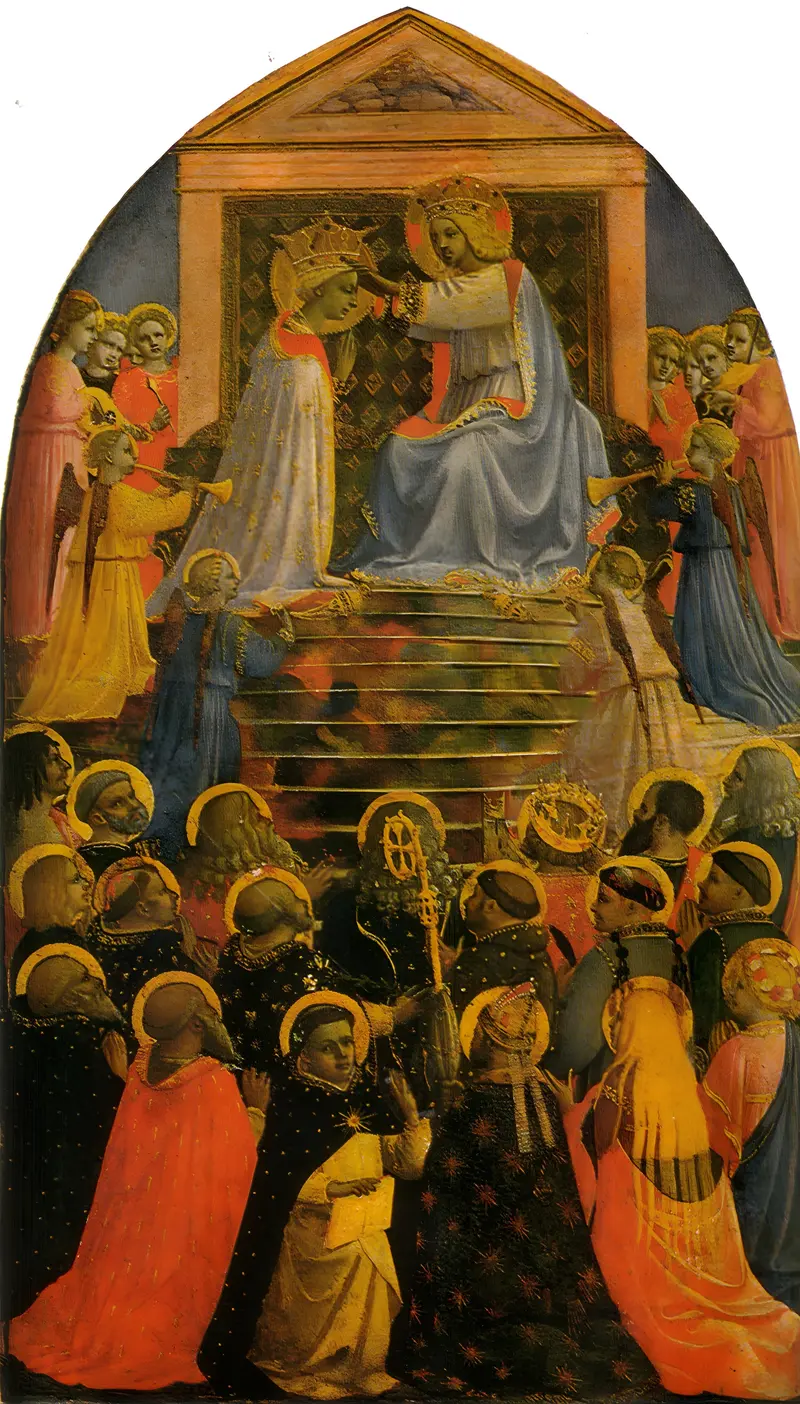 Fra AngelicoActive from 1417, died 1455. A Dominican friar and one of the principal painters of the Early Renaissance in Florence, he used linear perspective and painted the frescoes of the friary of San Marco.
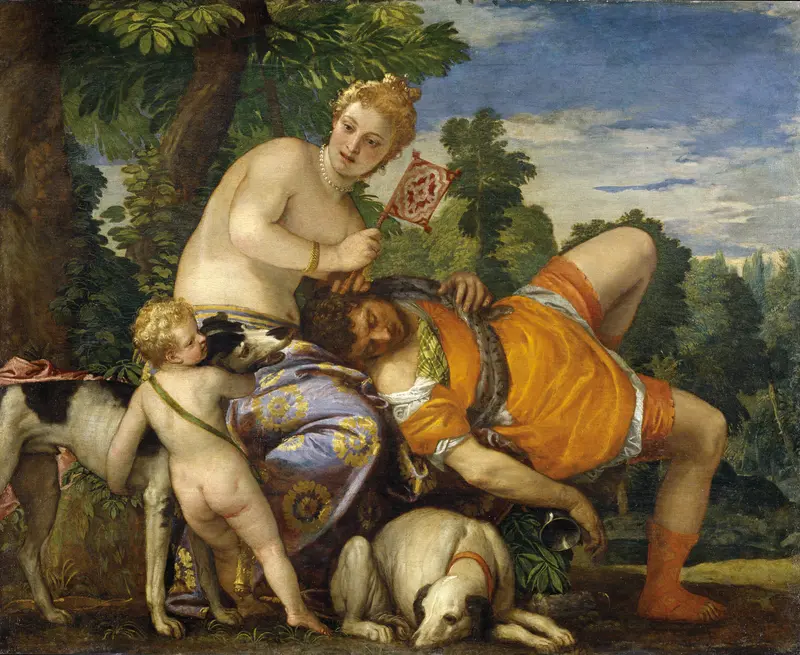 Paolo Veronese1528–1588. Born in Verona, he moved to Venice in the early 1550s and decorated churches, palaces and villas; the National Gallery calls his outlook classical and harmonious.
Michelangelo paintings
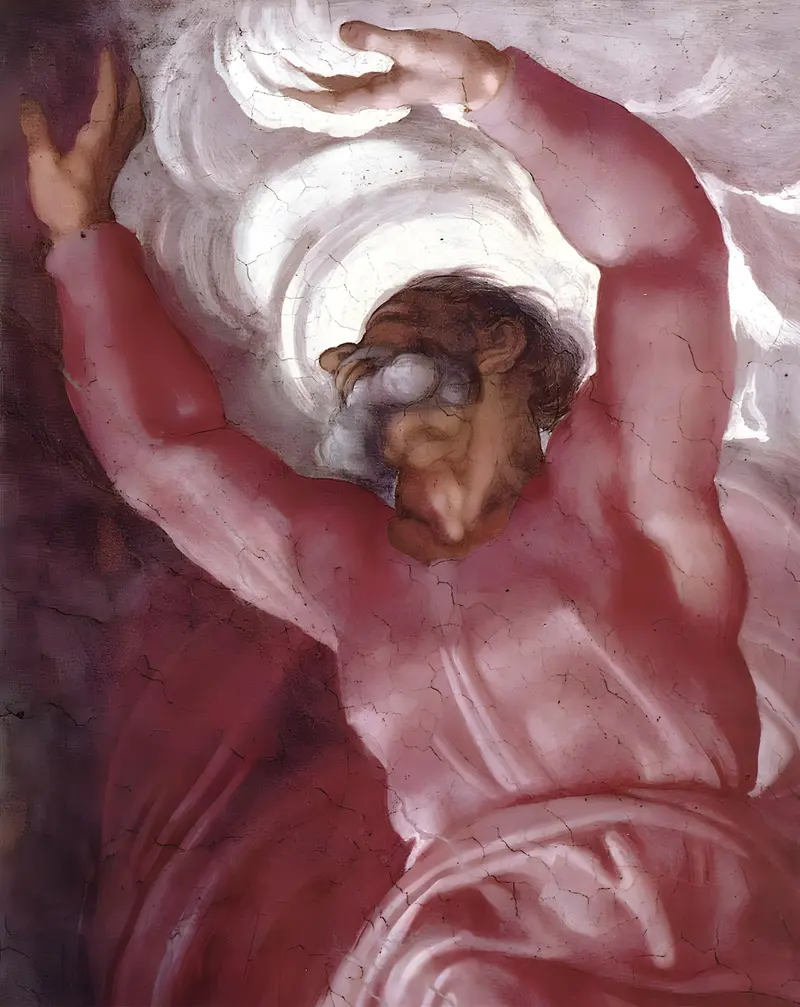
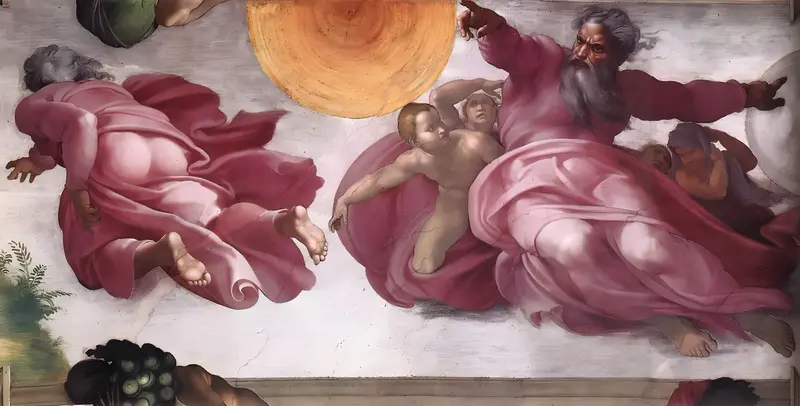
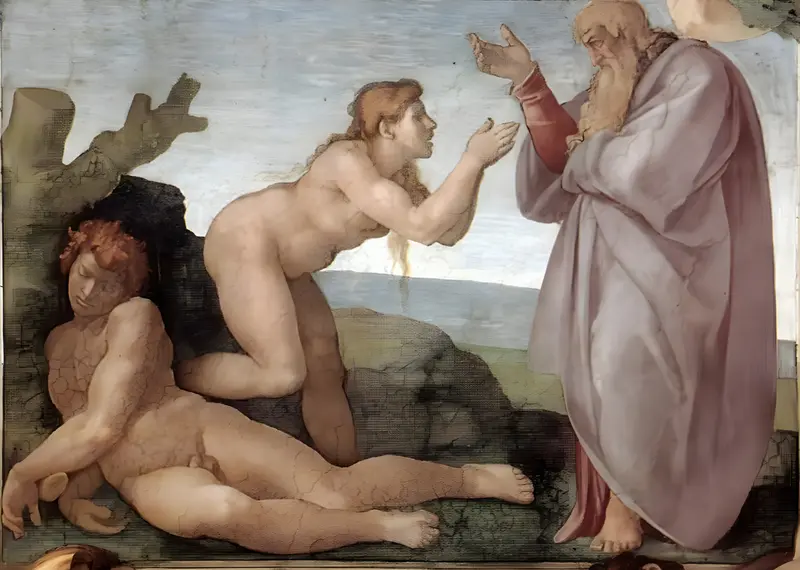
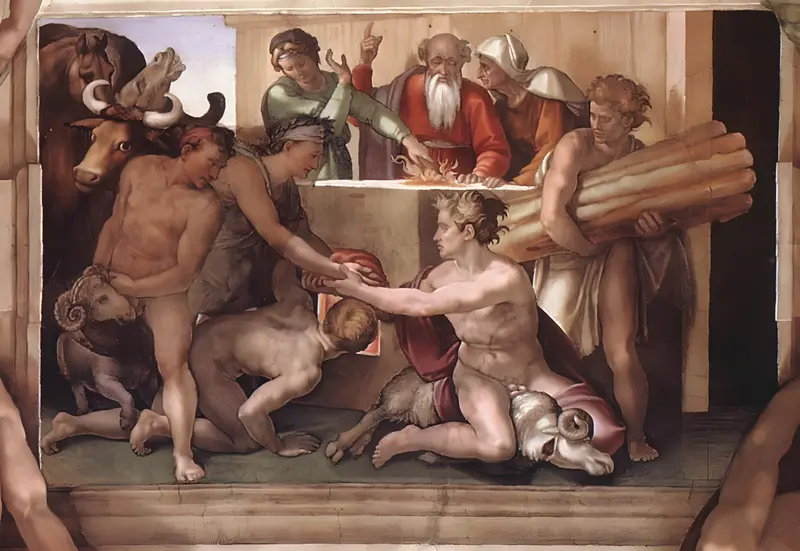
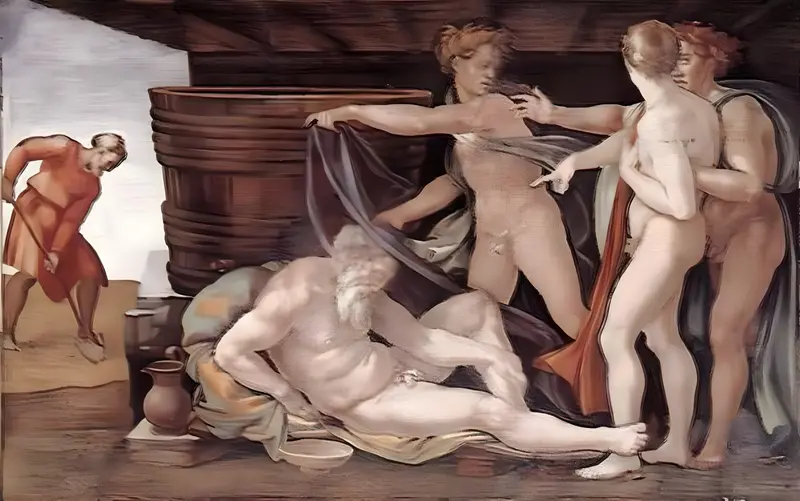
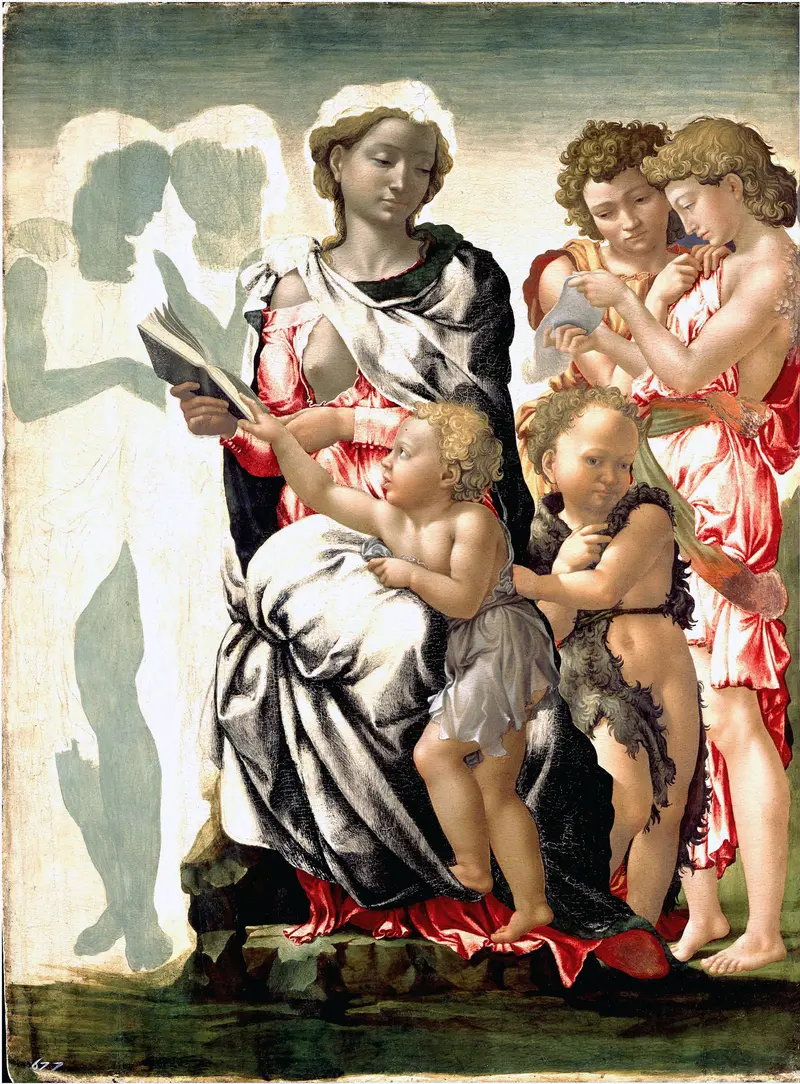
Michelangelo painted the Sistine Chapel ceiling for Pope Julius II from 1508 to 1512: nine stories from Genesis set in painted architecture, the Vatican Museums say. The National Gallery in London calls the unfinished Manchester Madonna probably the earliest of his surviving paintings.
Renaissance paintings of women
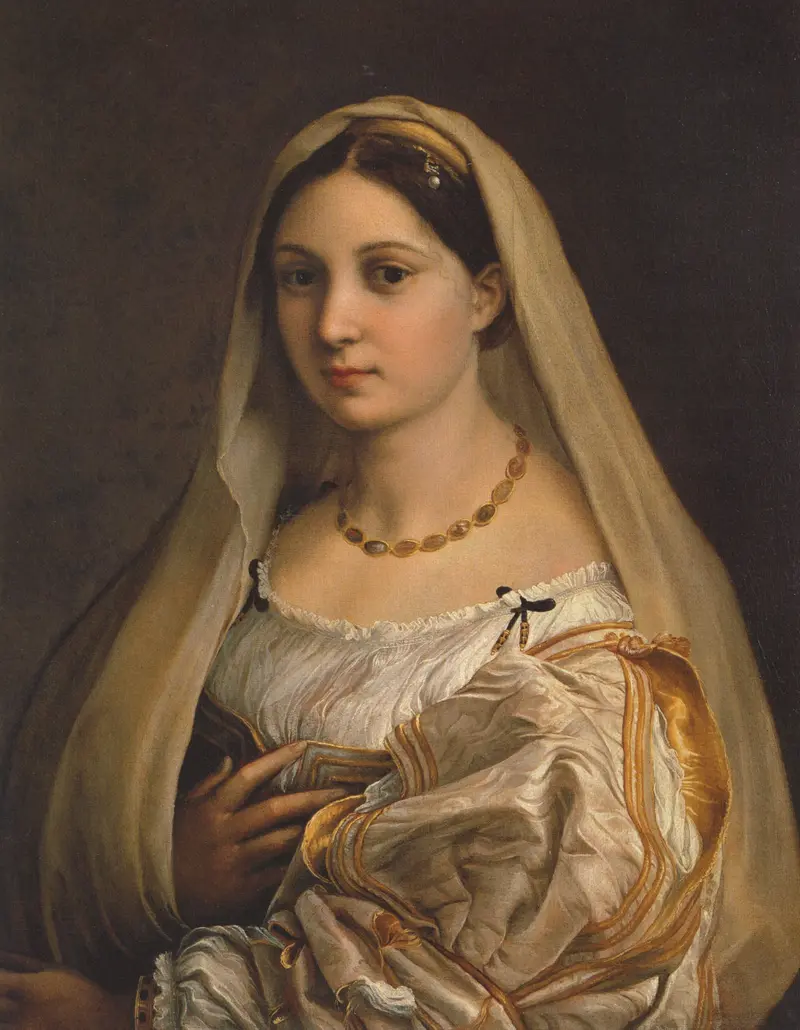
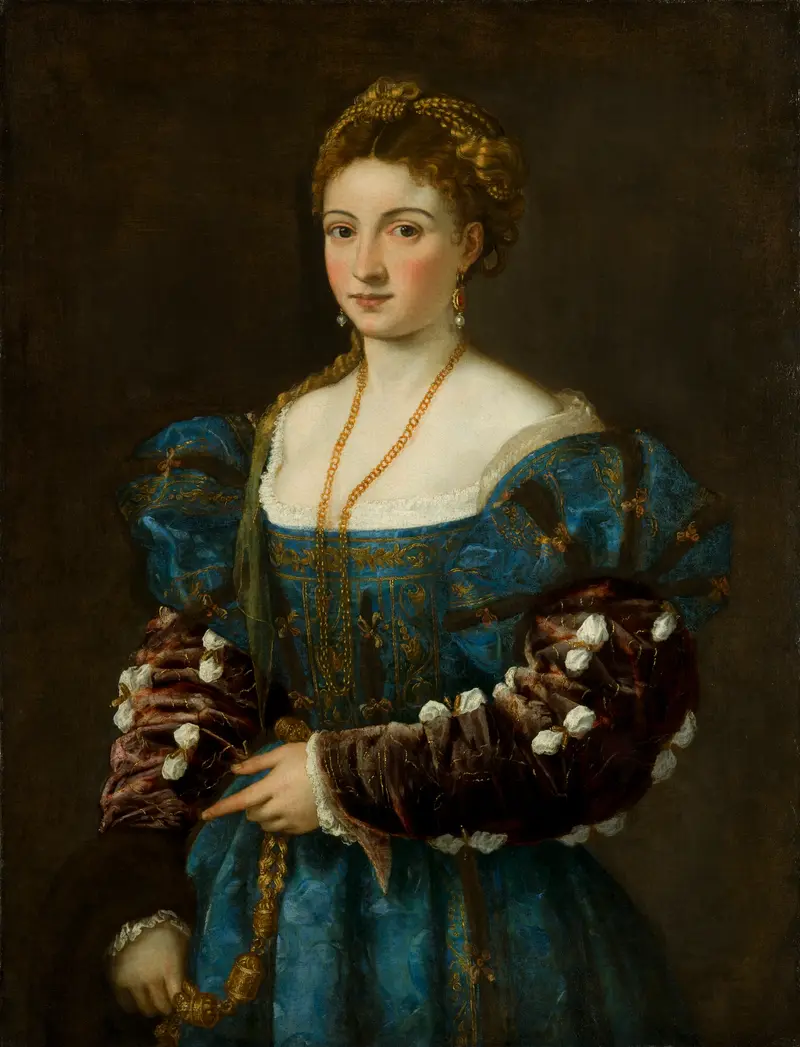
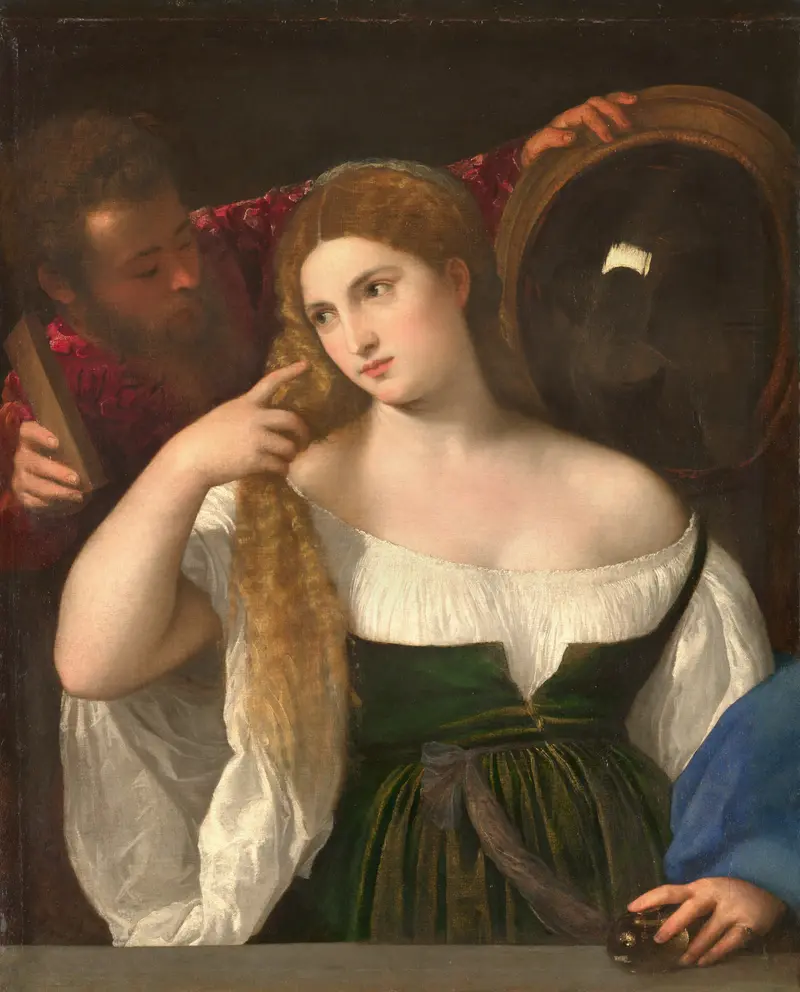
Renaissance painters turned the women they portrayed from strict profile toward the viewer. The National Museum in Kraków says the three-quarter turn of Leonardo's Lady with an Ermine gave the sitter a vitality previously unseen in portrait painting.
Angels in Renaissance paintings
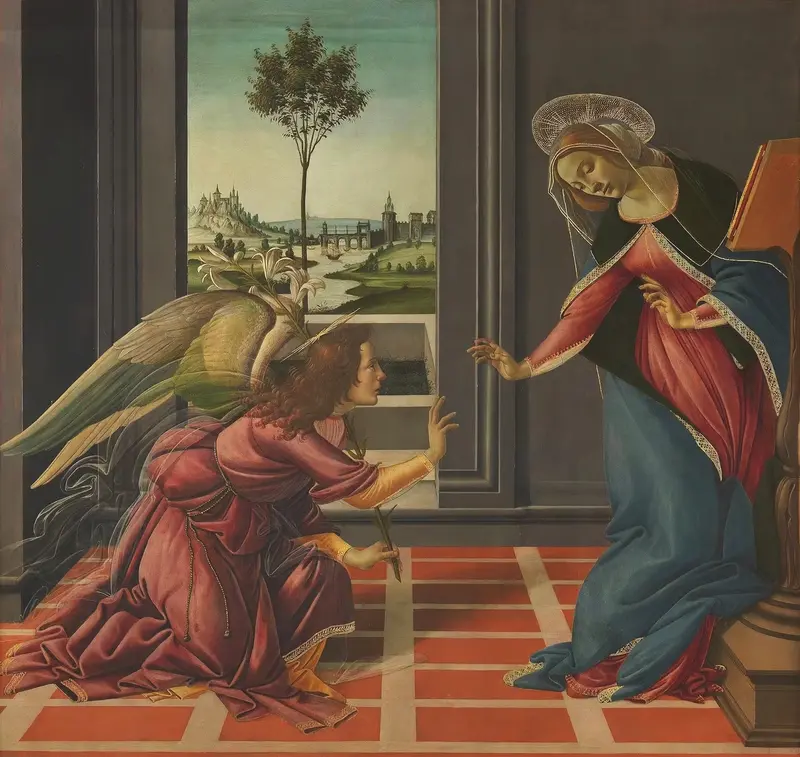
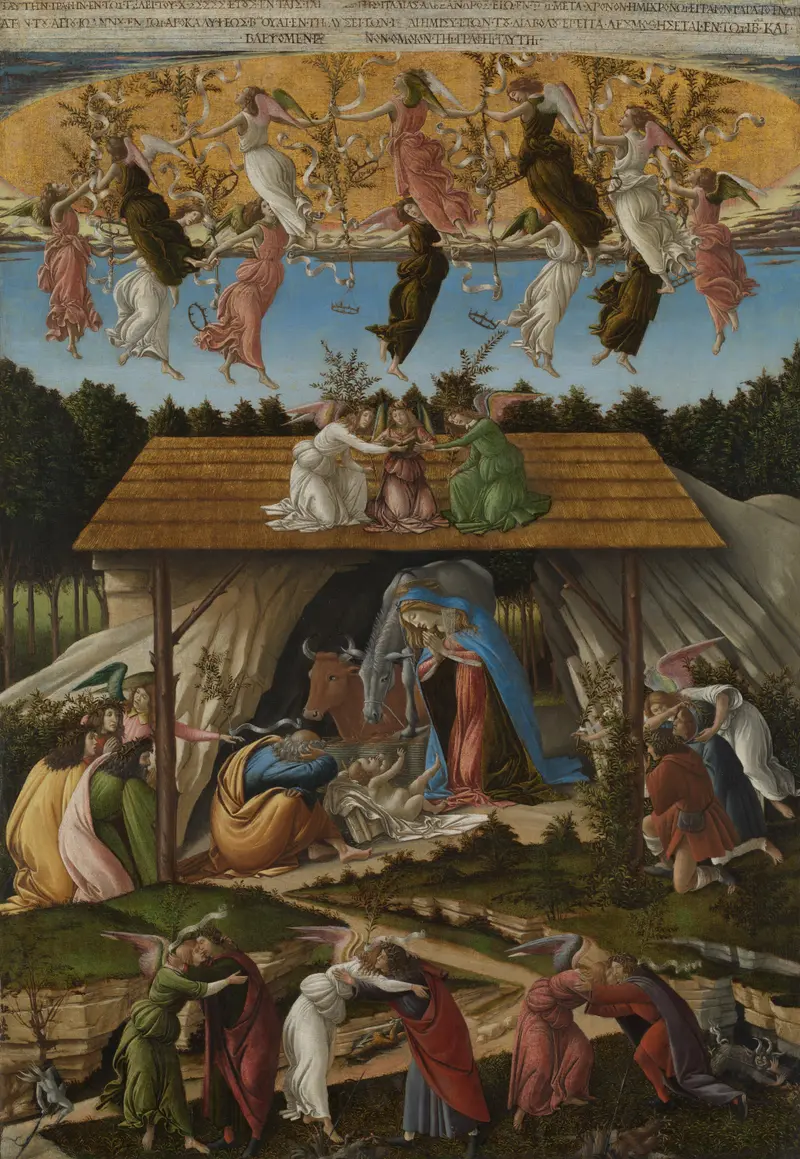
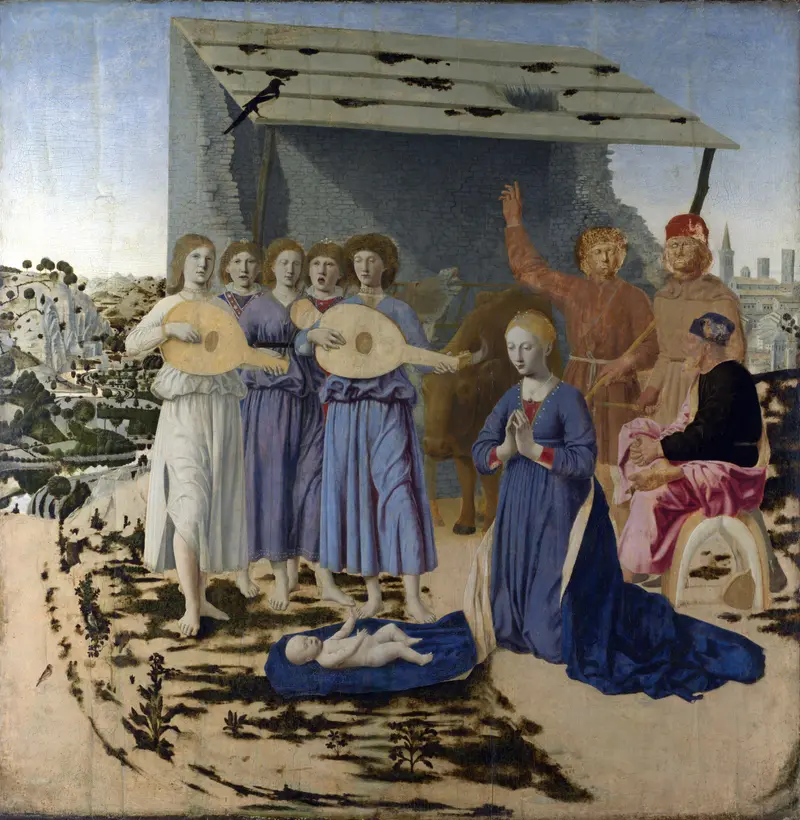
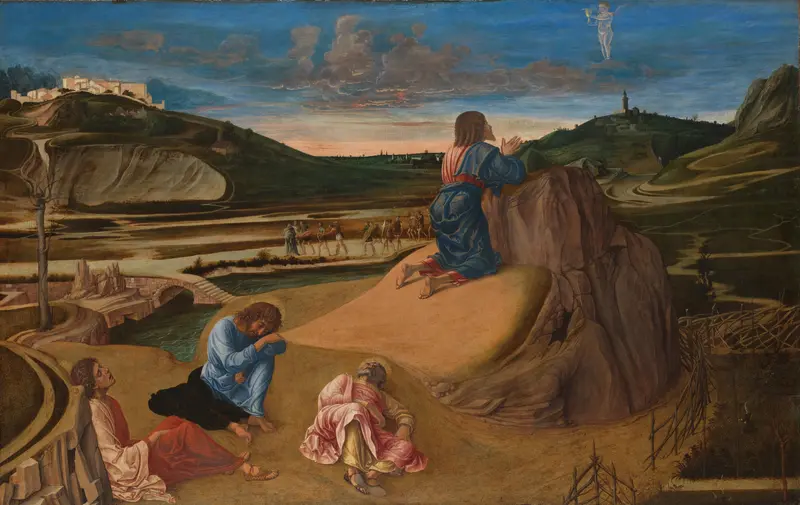
Angels announce, sing and keep watch in Renaissance religious paintings. In Botticelli's Mystical Nativity, the National Gallery in London notes, twelve angels holding olive branches circle the opened golden dome of heaven.
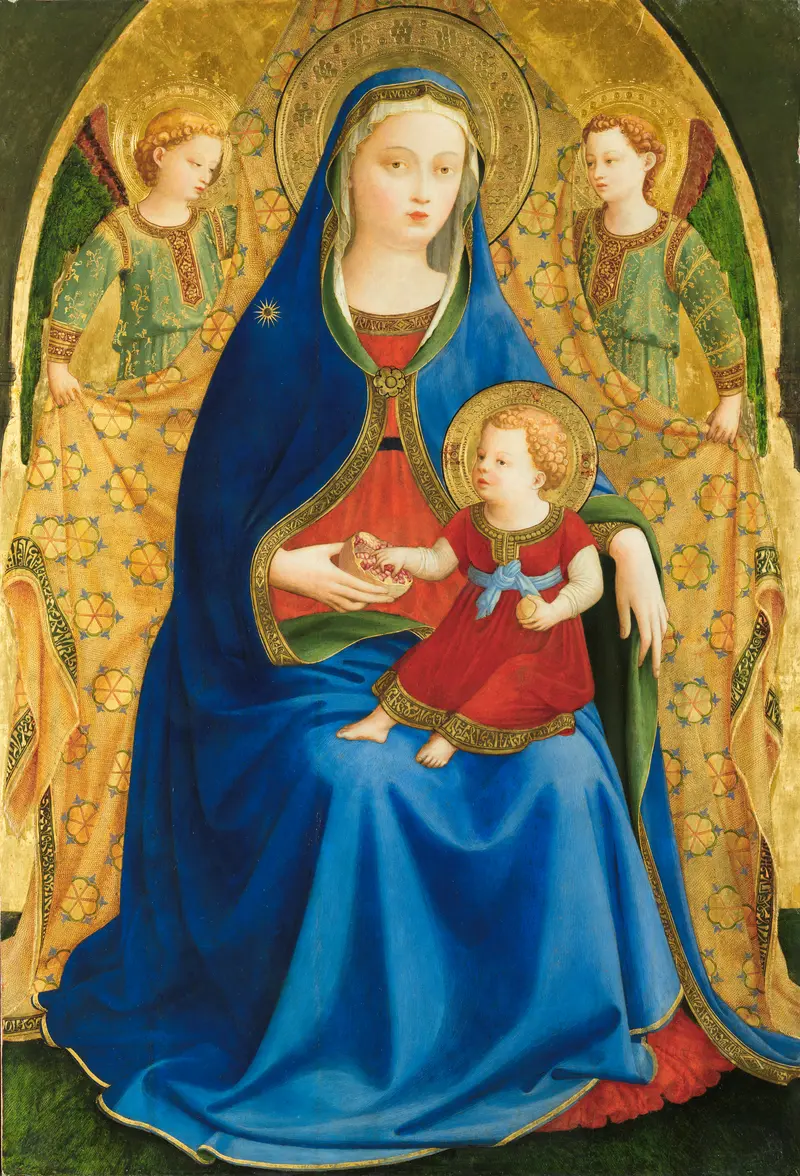
Characteristics of Renaissance art: how to recognize it
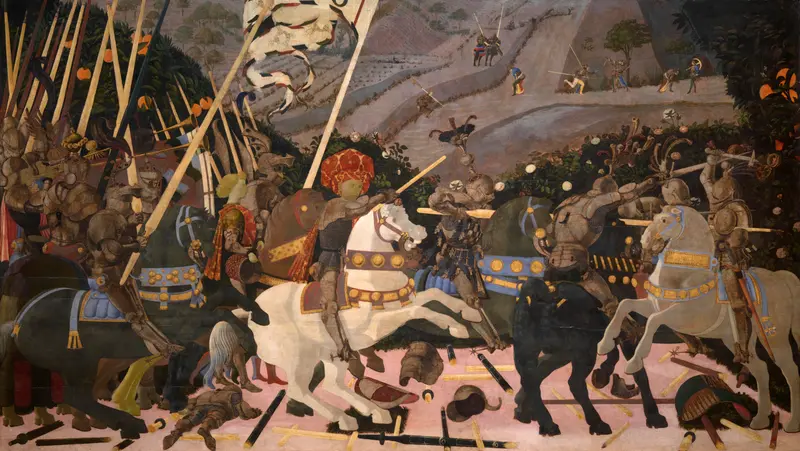
Linear perspective
The broken lances on the ground line up on a grid that recedes into the distance. Uccello was a pioneer of linear perspective, the National Gallery in London says, the system Alberti described in 1435 in which parallel lines meet at one point on the horizon.
Niccolò Mauruzi da Tolentino at the Battle of San Romano, Paolo Uccello
The art of ancient Greece and Rome
Botticelli took Venus's modest pose from classical statues and the two winds from an ancient gem owned by Lorenzo the Magnificent, the Uffizi says. Renaissance artists looked to the art of antiquity as their model.
The Birth of Venus, Sandro Botticelli
Soft light and shadow (sfumato)
Look at the corners of the mouth and eyes: there are no hard outlines. The Louvre describes Leonardo's sfumato as a smoky effect built up in thin glazes, with subtle contours and contrasts.
Mona Lisa, Leonardo da Vinci

Balance and harmony
Mary and the two children form a calm pyramid, a composition the Uffizi traces to Leonardo. The Getty's art vocabulary lists compositional order, symmetry, balance and harmony among the marks of the High Renaissance.
Madonna of the Goldfinch, Raphael
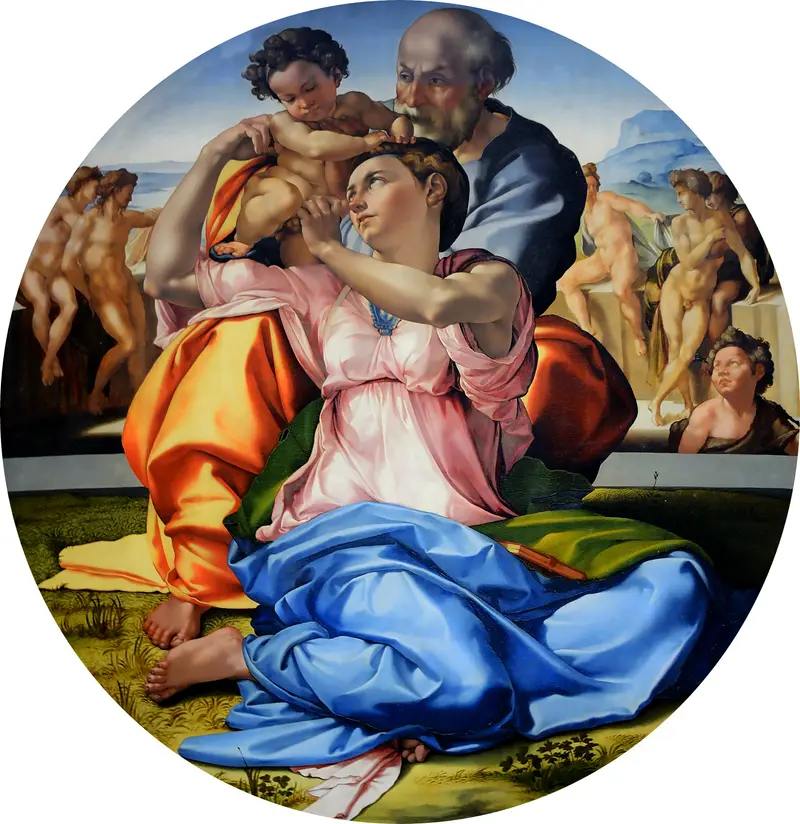
Bodies like sculpture
Michelangelo conceived the Holy Family as if it were a sculpture, the Uffizi says, with twisting bodies drawn from ancient marbles such as the Laocoön, dug up in Rome in 1506.
Doni Tondo, Michelangelo
Color and landscape in Venice
In Giorgione's Tempest the stormy landscape is the real subject. The Gallerie dell'Accademia calls the painting an archetype of the new pastoral genre in Venetian painting, and the National Gallery in London praises Giorgione's deeply saturated colors.
The Tempest, Giorgione
Before and after the Renaissance
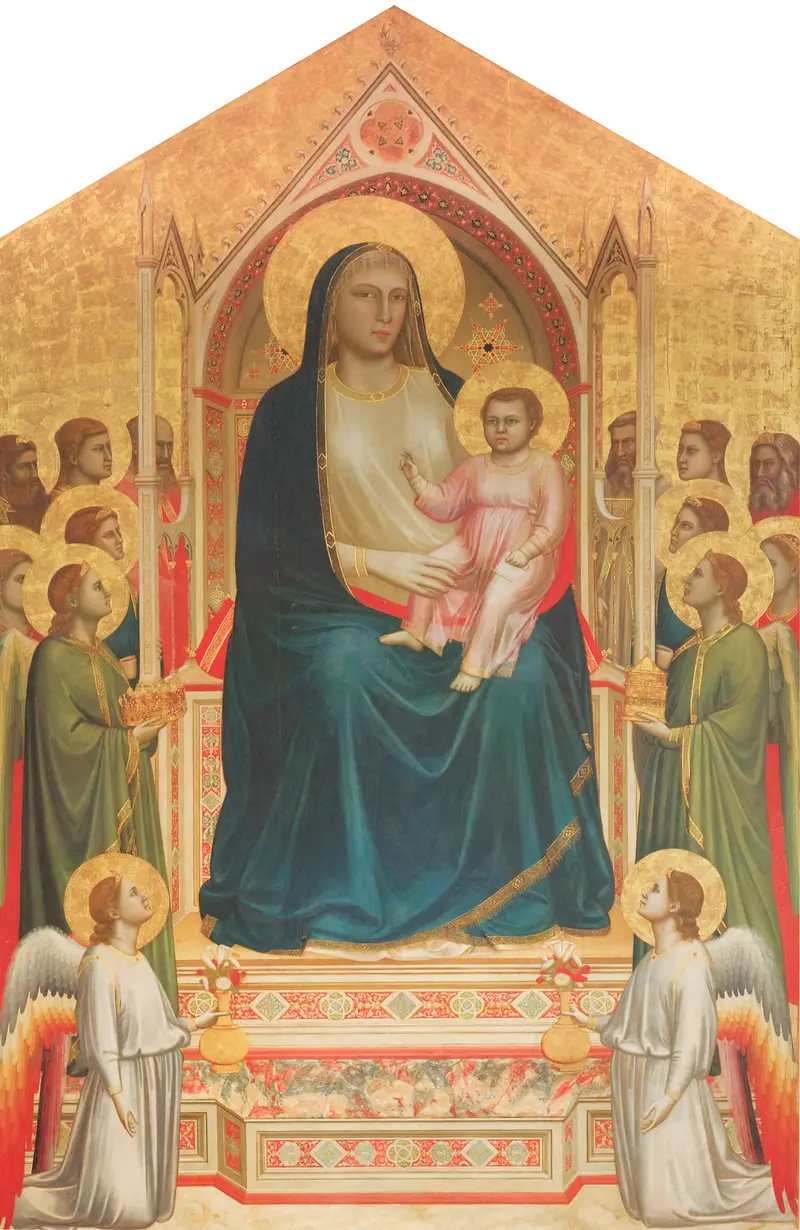 Gothicc. 1150–1500s
- Renaissancec. 1400–1600
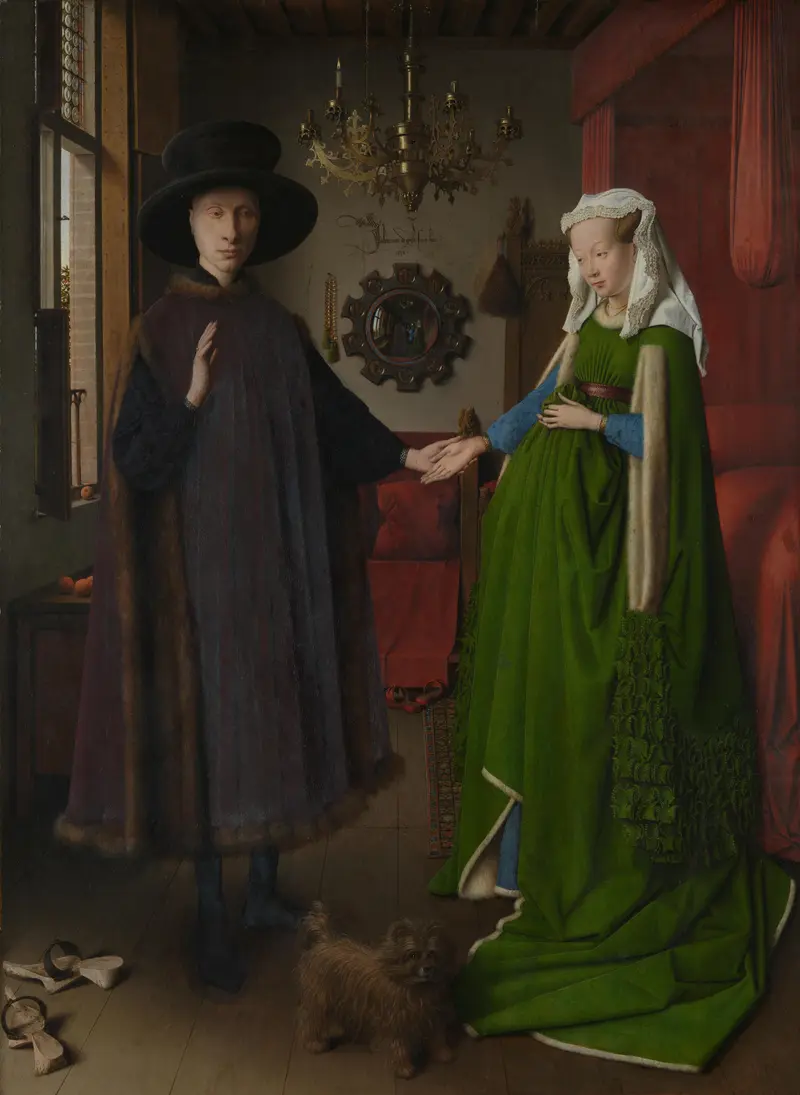 Northern Renaissance15th–16th century
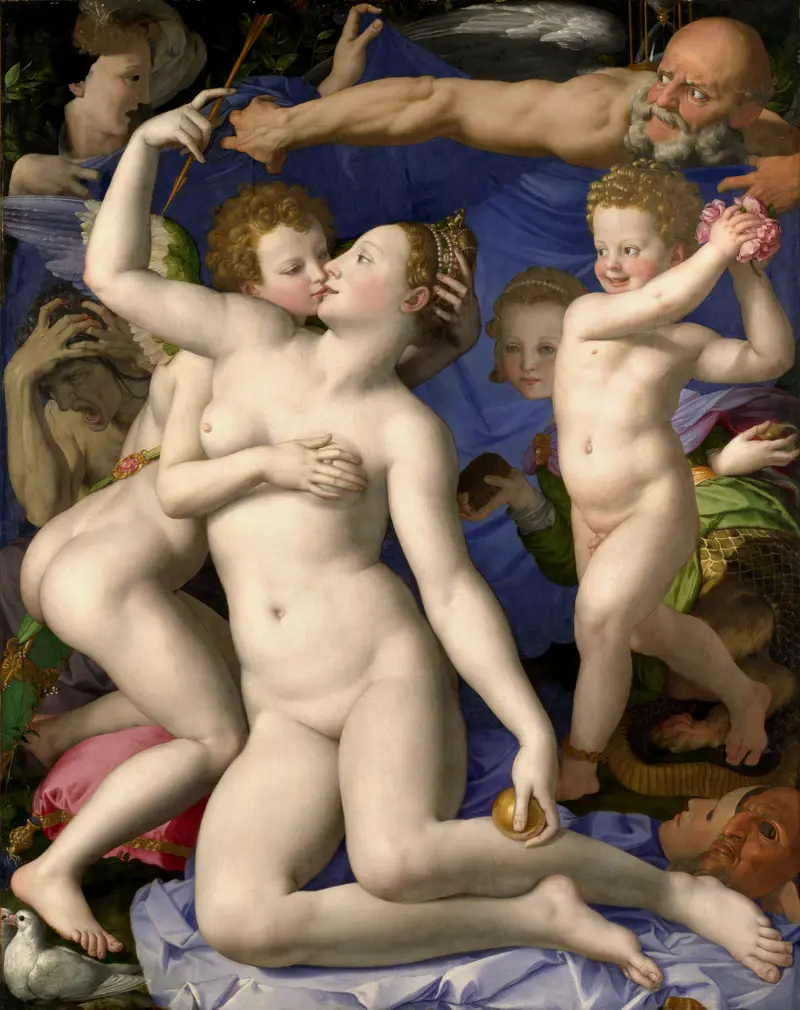 Mannerismc. 1520–1600
 Baroquec. 1590–1750
Renaissance vs Gothic and Mannerism
| Compared | Gothic | Renaissance | Mannerism |
|---|---|---|---|
| When | c. 1150–1500s | c. 1400–1600 | c. 1520–1600 |
| Figures | Elongated figures in flowing drapery | Lifelike, idealized figures with weight and volume | Elongated, elegant, artificially posed figures |
| Space and color | Gold grounds and rich color | Linear perspective, natural light, balanced compositions | Complex, artificial compositions, unnatural decorative color |
| Famous example | Giotto, Ognissanti Madonna | Leonardo, Mona Lisa | Bronzino, Venus, Cupid, Folly and Time |
| Key artists | Giotto, Simone Martini, Giovanni di Paolo | Leonardo, Michelangelo, Raphael, Botticelli, Titian | Pontormo, Bronzino, Parmigianino, El Greco |
List of Renaissance paintings and their artists
The famous Renaissance paintings: who painted them, when, and where each one is today.
Show the listHide the list
| Painting | Painted by | Year | Medium | Size | Located in | City |
|---|---|---|---|---|---|---|
| Mona Lisa | Leonardo da Vinci | c. 1503–1519 | Oil on poplar panel | 79.4 × 53.4 cm (31.3 × 21 in) | Louvre Museum | Paris |
| The Last Supper | Leonardo da Vinci | 1495–1498 | Wall painting on dry plaster | 460 × 880 cm (181.1 × 346.5 in) | Santa Maria delle Grazie (Last Supper Museum) | Milan |
| The Creation of Adam | Michelangelo | 1508–1512 | Fresco | 280 × 570 cm (110.2 × 224.4 in) | Vatican Museums (Sistine Chapel) | Vatican City |
| The Birth of Venus | Sandro Botticelli | c. 1485 | Tempera on canvas | 172.5 × 278.5 cm (67.9 × 109.6 in) | Uffizi Gallery | Florence |
| Lady with an Ermine | Leonardo da Vinci | c. 1490 | Oil on panel | 54 × 40.3 cm (21.3 × 15.9 in) | National Museum in Kraków (Czartoryski Museum) | Kraków |
| Primavera | Sandro Botticelli | c. 1480 | Tempera on panel | 207 × 319 cm (81.5 × 125.6 in) | Uffizi Gallery | Florence |
| Venus of Urbino | Titian | 1538 | Oil on canvas | 119 × 165 cm (46.9 × 65 in) | Uffizi Gallery | Florence |
| Sleeping Venus | Giorgione and Titian | c. 1508–1510 | Oil on canvas | 108.5 × 175 cm (42.7 × 68.9 in) | Gemäldegalerie Alte Meister | Dresden |
| Sistine Madonna | Raphael | 1512–1513 | Oil on canvas | 269.5 × 201 cm (106.1 × 79.1 in) | Gemäldegalerie Alte Meister | Dresden |
| The Tempest | Giorgione | c. 1504 | Oil on canvas | 82 × 73 cm (32.3 × 28.7 in) | Gallerie dell'Accademia | Venice |
| Lamentation over the Dead Christ | Andrea Mantegna | c. 1483 | Tempera on canvas | 68 × 81 cm (26.8 × 31.9 in) | Pinacoteca di Brera | Milan |
| The Wedding at Cana | Paolo Veronese | 1562–1563 | Oil on canvas | 677 × 994 cm (266.5 × 391.3 in) | Louvre Museum | Paris |
| Doni Tondo (The Holy Family) | Michelangelo | 1505–1506 | Tempera on panel | 120 cm (diameter) | Uffizi Gallery | Florence |
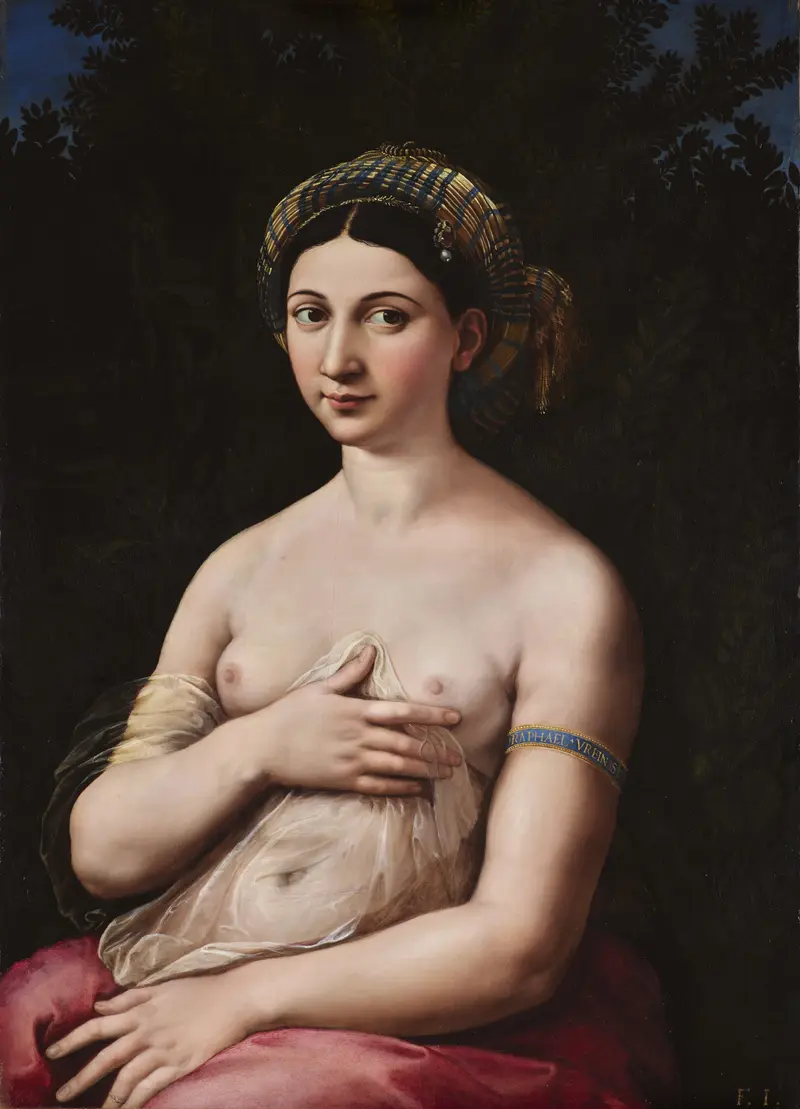
| La Fornarina | Raphael | c. 1519 | Oil on panel | 87 × 63 cm (34.3 × 24.8 in) | Gallerie Nazionali di Arte Antica, Palazzo Barberini | Rome |
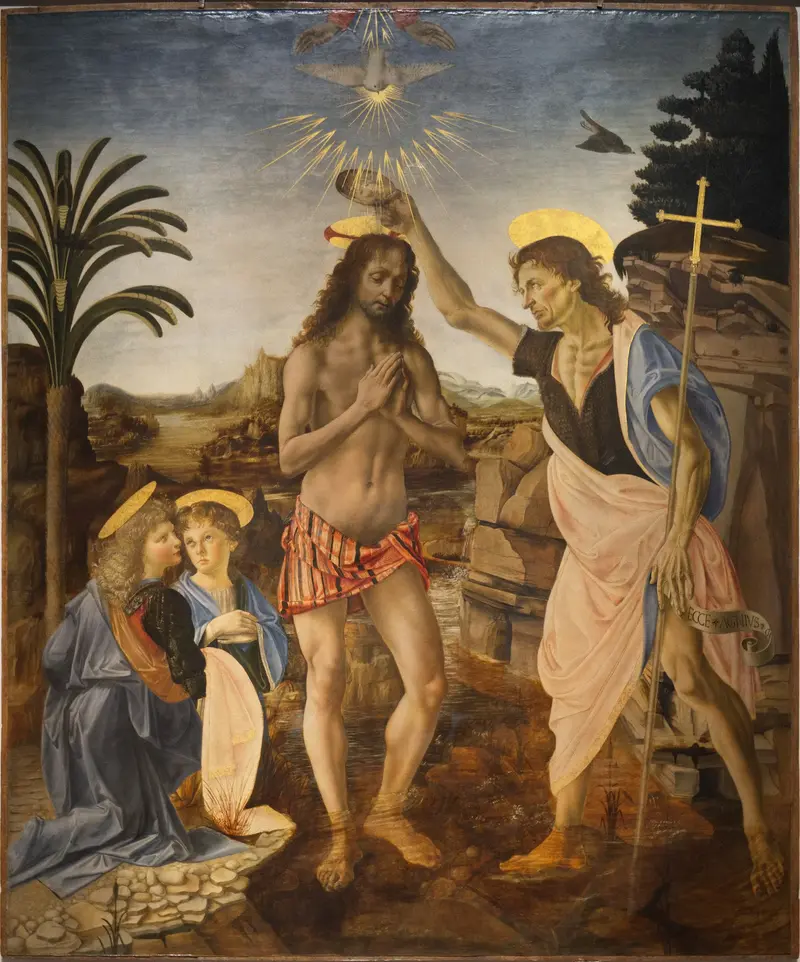
| The Baptism of Christ | Andrea del Verrocchio and Leonardo da Vinci | c. 1470–1475 | Tempera and oil on panel | 177 × 151 cm (69.7 × 59.4 in) | Uffizi Gallery | Florence |
| Madonna of the Goldfinch | Raphael | c. 1505–1506 | Oil on panel | 107 × 77.2 cm (42.1 × 30.4 in) | Uffizi Gallery | Florence |
| Venus and Mars | Sandro Botticelli | c. 1485 | Egg tempera and oil on panel | 69.2 × 173.4 cm (27.2 × 68.3 in) | National Gallery London | London |
| Sacred and Profane Love | Titian | 1515–1516 | Oil on canvas | 118 × 278 cm (46.5 × 109.4 in) | Galleria Borghese | Rome |
| The Torment of Saint Anthony | Michelangelo | c. 1487–1488 | Tempera and oil on panel | 47 × 34.9 cm (18.5 × 13.7 in) | Kimbell Art Museum | Fort Worth |
| Emperor Charles V at Mühlberg | Titian | 1548 | Oil on canvas | 335 × 283 cm (131.9 × 111.4 in) | Museo del Prado | Madrid |
| The Feast in the House of Levi | Paolo Veronese | 1573 | Oil on canvas | 560 × 1309 cm (220.5 × 515.4 in) | Gallerie dell'Accademia | Venice |
| The Flagellation of Christ | Piero della Francesca | c. 1459 | Tempera on panel | 67.5 × 91 cm (26.6 × 35.8 in) | Galleria Nazionale delle Marche | Urbino |
| The Feast of the Gods | Giovanni Bellini and Titian | 1514/1529 | Oil on canvas | 170.2 × 188 cm (67 × 74 in) | National Gallery of Art Washington | Washington, DC |
| Jupiter and Io | Correggio | c. 1530 | Oil on canvas | 162 × 73.5 cm (63.8 × 28.9 in) | Kunsthistorisches Museum | Vienna |
| The Battle of San Romano (London panel) | Paolo Uccello | c. 1438–1440 | Egg tempera with some oil on poplar | 182 × 320 cm (71.7 × 126 in) | National Gallery London | London |
Renaissance art: questions and answers
What does Renaissance mean in art?
In art, Renaissance means the revival of the art and ideals of ancient Greece and Rome that began in Italy around 1400. The word is French for rebirth: Tate describes the Renaissance as the great revival of art in Italy from about 1400 under the influence of the rediscovery of classical art and culture, and the National Gallery in London says the term is used both for the period from the 15th to the end of the 16th century and as a stylistic label for its art.
Sources: Tate: Renaissance · National Gallery: Renaissance (glossary)
What are the characteristics of Renaissance art?
Renaissance art is known for lifelike, idealized figures in convincing space, models taken from ancient Greek and Roman art, and calm, balanced compositions. The Getty's art vocabulary describes the High Renaissance as a vision of human grandeur, heroic action, compositional order, symmetry, balance and harmony. Painters built space with linear perspective, which Leon Battista Alberti described in 1435, and Leonardo softened outlines with sfumato, gradual passages of tone without harsh lines, the National Gallery in London explains.
Sources: Getty AAT: High Renaissance · Getty AAT: Renaissance · National Gallery: Linear perspective (glossary) · National Gallery: Sfumato (glossary)
When did the Renaissance start and end?
The Renaissance in art began in Italy around 1400 and lasted until about 1600. Tate dates the revival from about 1400 and its peak, the High Renaissance, to about 1500–1530, in the work of Michelangelo, Leonardo and Raphael. From about 1520, Tate says, followers of Raphael and Michelangelo turned to Mannerism, and the Renaissance style was later transformed again in the Baroque. The National Gallery in London uses the term for the period from the 15th to the end of the 16th century.
Sources: Tate: Renaissance · Tate: Mannerist · National Gallery: Renaissance (glossary)
Where did Renaissance art start?
Renaissance art started in Italy, in Florence, and spread to Rome, Venice and the rest of Europe. The National Gallery in London links the new, more realistic style to Masaccio and Donatello in Florence, and the Getty's art vocabulary says the High Renaissance developed in Florence and Rome in the 1490s. Venice had its own school, with Bellini, Giorgione, Titian and Veronese, and the Getty adds that the Renaissance reached northern Europe in the late 15th century, the subject of our Northern Renaissance page.
Sources: National Gallery: Early Renaissance (glossary) · Getty AAT: High Renaissance · Louvre: From the Mona Lisa to The Wedding Feast at Cana · Getty AAT: Northern Renaissance
Who started Renaissance painting?
Renaissance painting started with Masaccio in Florence in the 1420s, building on Giotto a century earlier. The National Gallery in London calls him the most revolutionary painter of the Early Renaissance and one of the founders of the Florentine school: he modeled monumental figures with light, as Giotto had done a century earlier, and combined this with linear perspective. The Gallery also credits Masaccio and the sculptor Donatello with introducing the more realistic style of the Early Renaissance.
Sources: National Gallery: Masaccio · National Gallery: Early Renaissance (glossary) · National Gallery: Giotto
Who were the great artists of the Renaissance?
The great artists of the Renaissance include Leonardo da Vinci, Michelangelo, Raphael and Titian, the masters the National Gallery in London names for the High Renaissance. Before them came Masaccio, Fra Angelico, Piero della Francesca and Sandro Botticelli in the 15th century, and in Venice Giovanni Bellini and Giorgione. The Gallery calls Raphael the supreme High Renaissance painter and Titian the greatest painter of 16th-century Venice.
Sources: National Gallery: High Renaissance (glossary) · National Gallery: Raphael · National Gallery: Titian · National Gallery: Masaccio · National Gallery: Fra Angelico · National Gallery: Piero della Francesca
What is Early Renaissance painting?
Early Renaissance painting is the Italian painting of roughly the 15th century, from Masaccio to Botticelli. The Getty's art vocabulary says it moved away from the fantastic, decorative styles of the Middle Ages toward the idealized, natural world of classical Greece and Rome. The National Gallery in London names Masaccio's realism, Fra Angelico's use of linear perspective and Paolo Uccello's experiments with it; Uccello's Battle of San Romano, Piero della Francesca's Flagellation and Botticelli's Birth of Venus all belong to this phase.
Sources: Getty AAT: Early Renaissance · National Gallery: Early Renaissance (glossary) · National Gallery: Fra Angelico · National Gallery: Paolo Uccello
What is High Renaissance art?
High Renaissance art is the work of the Renaissance's short peak, from about 1500 to 1530, in the work of Leonardo, Michelangelo and Raphael. The Getty's art vocabulary says it developed in Florence and Rome in the 1490s, ended with the rise of Mannerism in the 1520s, and is marked by human grandeur, heroic action, order, symmetry, balance and harmony. Tate sees Raphael's work as the purest form of the Renaissance style; the National Gallery in London adds Titian to the High Renaissance masters.
Sources: Getty AAT: High Renaissance · Tate: Renaissance · National Gallery: High Renaissance (glossary)
What new techniques did Renaissance painters use?
Renaissance painters used linear perspective, oil paint and fresco in new ways. Linear perspective makes parallel lines meet at a single point on the horizon, a system Alberti described in 1435. Egg tempera, the medium of most early Italian paintings, was often combined with oil in the late 15th century and became less common after 1500, the National Gallery in London says. Frescoes were painted on wet plaster; Leonardo broke that rule in the Last Supper, painting on dry plaster so that he could work slowly.
Sources: National Gallery: Linear perspective (glossary) · National Gallery: Tempera (glossary) · National Gallery: Fresco (glossary) · Last Supper Museum (Cenacolo Vinciano): The Last Supper
Why was so much Renaissance art religious?
Much Renaissance art was religious because it was made for churches, chapels and monasteries and paid for by popes, religious orders and devout patrons. Popes Sixtus IV and Julius II commissioned the Sistine Chapel frescoes; Leonardo painted the Last Supper for the dining hall of Dominican friars, and Veronese painted The Wedding at Cana for a Benedictine monastery. Altarpieces, the National Gallery in London explains, were the focus of worship in a church. Of the 2,088 Renaissance works in our catalogue, 1,152 are religious.
Sources: Vatican Museums: Sistine Chapel · Last Supper Museum (Cenacolo Vinciano): History · Louvre Museum · National Gallery: Altarpiece (glossary)
How is Renaissance art different from medieval art?
Renaissance art replaced the flat, decorative style of medieval art with lifelike figures, real space and models from ancient Greece and Rome. The National Gallery in London describes Gothic figures as elongated, with flowing, linear drapery, and calls Giotto the chief liberator of Italian painting from the Byzantine style. The Getty's art vocabulary says the Early Renaissance moved away from the fantastic, decorative styles of the Middle Ages toward the idealized, natural world of classical art.
Sources: National Gallery: Gothic (glossary) · National Gallery: Giotto · Getty AAT: Early Renaissance
Who painted the Sistine Chapel ceiling?
Michelangelo painted the Sistine Chapel ceiling for Pope Julius II between 1508 and 1512. The Vatican Museums say he signed the contract on 8 May 1508 and finished in October 1512, and that the Pope inaugurated the chapel with a Mass on 1 November. He set nine stories from Genesis, from the separation of light and darkness to the drunkenness of Noah, in painted architecture, with prophets and sibyls on thrones below. He returned in 1536–1541 to paint the Last Judgment on the altar wall.
Sources: Vatican Museums: Sistine Chapel ceiling · Vatican Museums: Sistine Chapel ceiling, central stories · Vatican Museums: Sistine Chapel
Where can you see famous Renaissance paintings?
The Uffizi in Florence holds Botticelli's Birth of Venus and Primavera, Titian's Venus of Urbino, Michelangelo's Doni Tondo, Raphael's Madonna of the Goldfinch and The Baptism of Christ. The Louvre in Paris shows the Mona Lisa in its largest room, the Salle des États, opposite Veronese's Wedding at Cana. The Sistine Chapel ceiling is in the Vatican, the Last Supper in Santa Maria delle Grazie in Milan, and Giorgione's Tempest in the Gallerie dell'Accademia in Venice.
Sources: Uffizi Galleries · Louvre: From the Mona Lisa to The Wedding Feast at Cana · Vatican Museums: Sistine Chapel · Last Supper Museum (Cenacolo Vinciano): History · Gallerie dell'Accademia, Venice (Italian)
Is Renaissance art in the public domain, and can I download it free?
Yes. Every painter on this page died by 1660, so their paintings are in the public domain in the United States and in countries where copyright ends 70 years after the artist's death. You can download them free and use them for anything, including commercial projects. A few countries have their own rules on photographs of artworks, so check them if you publish outside the U.S.
Sources: Cornell University Library: Copyright Term and the Public Domain
How we chose the famous paintings
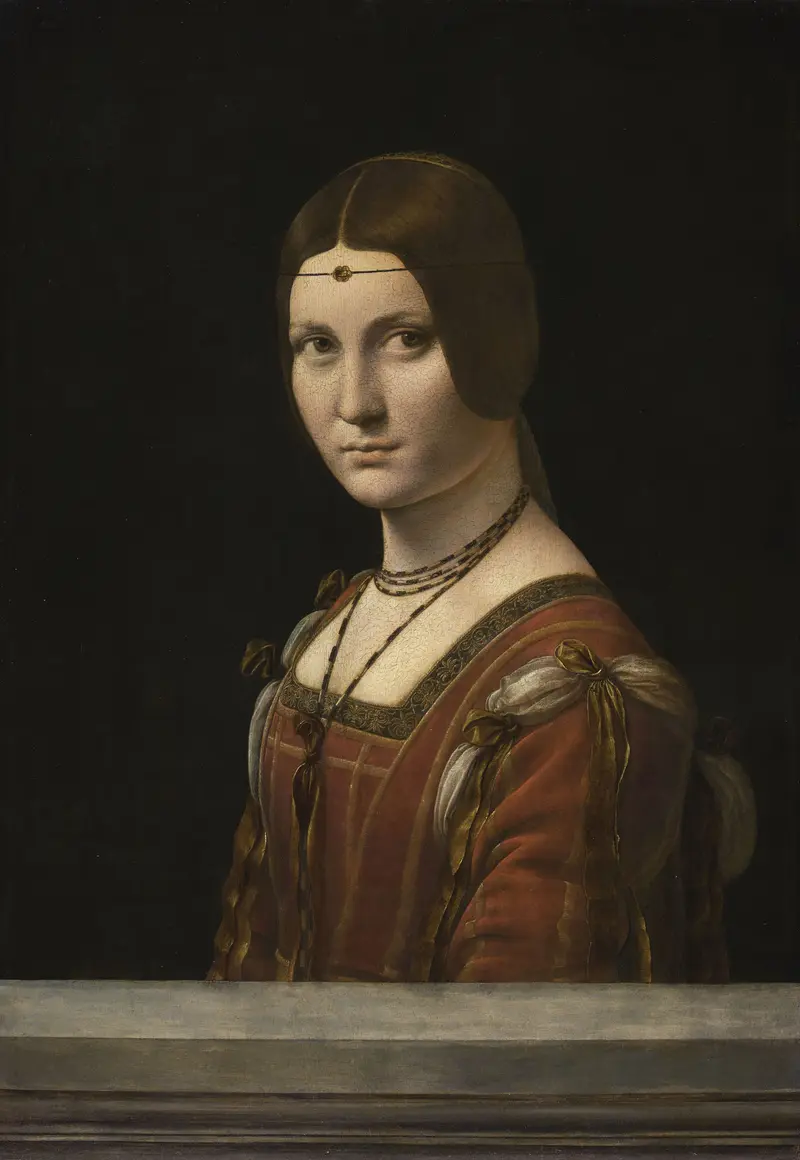
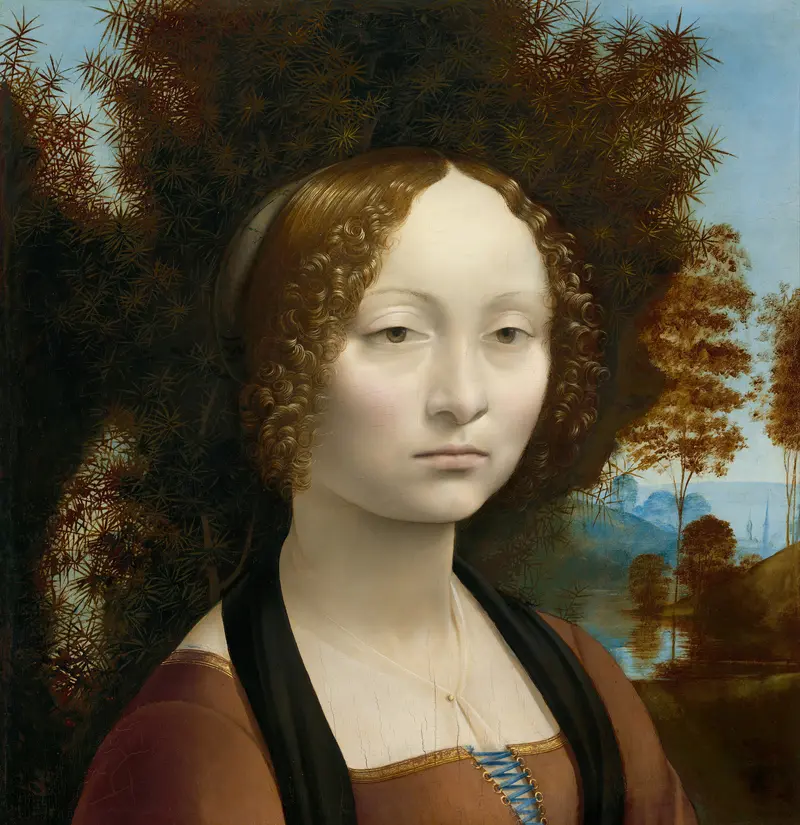
The famous paintings on this page are the Renaissance paintings known most widely around the world, measured by the number of languages that have an encyclopedia entry about each one, checked in November 2026. No painter has more than three of them, which is why Leonardo's Ginevra de' Benci and La Belle Ferronnière appear in their own row further down. Paintings made by two artists count for the one the museum names first: Verrocchio for The Baptism of Christ, Giorgione for the Sleeping Venus and Bellini for The Feast of the Gods.
We include paintings, frescoes and wall paintings that the holding museum, Wikidata or our own catalogue classes as Renaissance, and only when we have an image of the whole work without a frame or the wall around it. Raphael's School of Athens is missing for that reason alone, until we have an image of the fresco by itself; Michelangelo's Last Judgment, painted in 1536–1541, is classed as Mannerist, and Northern European painters have their own page. Uccello's Battle of San Romano is one of three panels, so we show the one in London.
Dates, sizes and locations come from the museums' own records and from Wikidata.
Spotted a mistake? Tell us and we will correct it.