
Protectors of the Young Artist — History & Facts
What first catches the eye in Protectors of the Young Artist is the sudden, almost theatrical clash of energies: a winged figure sweeps in, shield raised, as if to fend off chaos itself from the young man at the foot of the tree. The painter, Adriaen van Stalbemt, has staged this moment with a sense of urgent movement—arms reach, bodies twist, and the landscape seems to tilt underfoot. The young artist, palette in hand, is not alone; he is flanked by protectors and threatened by wild, unruly figures that surge in from the right.
Every gesture here is a signal: the shield and helmet promise defense, the musical instrument at the artist’s feet hints at the harmony he seeks, and the cherubic figure with a bow suggests inspiration or perhaps the unpredictability of genius. Created sometime between 1610 and 1662, this painting belongs to a world where allegory was a favored language for artists and patrons alike. In the flourishing artistic centers of the Low Countries, such works were often commissioned to celebrate learning, virtue, or the arts themselves—sometimes for private study rooms, sometimes for the homes of wealthy merchants who saw themselves as patrons of culture. Adriaen van Stalbemt was known for his finely detailed landscapes and allegorical scenes, and this work, now in the collection of the Szépművészeti Múzeum, is a vivid example of the era’s fascination with the trials and triumphs of creative life.
History has kept few traces of this painting’s early journey, but its lively figures and layered symbolism invite us to linger, searching for the many stories hidden in a single, charged instant.
More Artworks by Adriaen van Stalbemt

Countryside landscape with staffage
Adriaen van Stalbemt
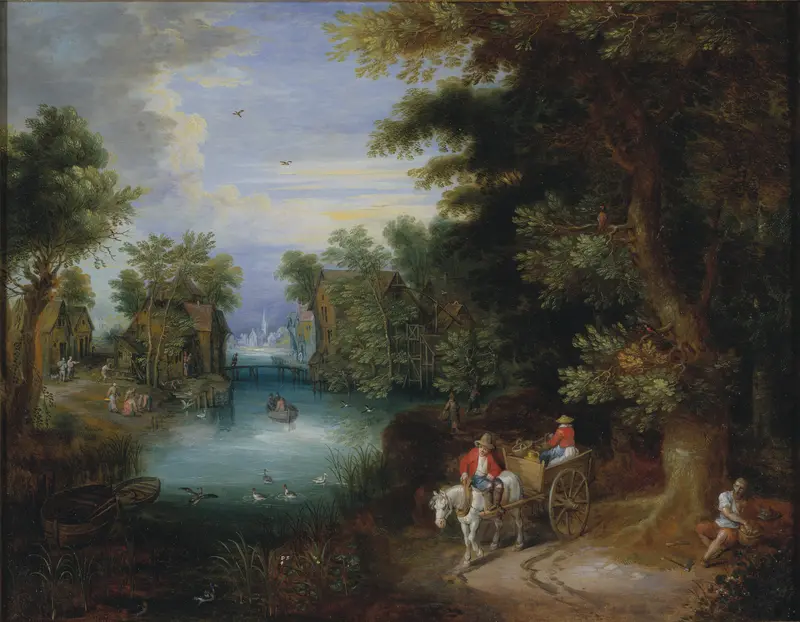
River Landscape with Peasants
Adriaen van Stalbemt
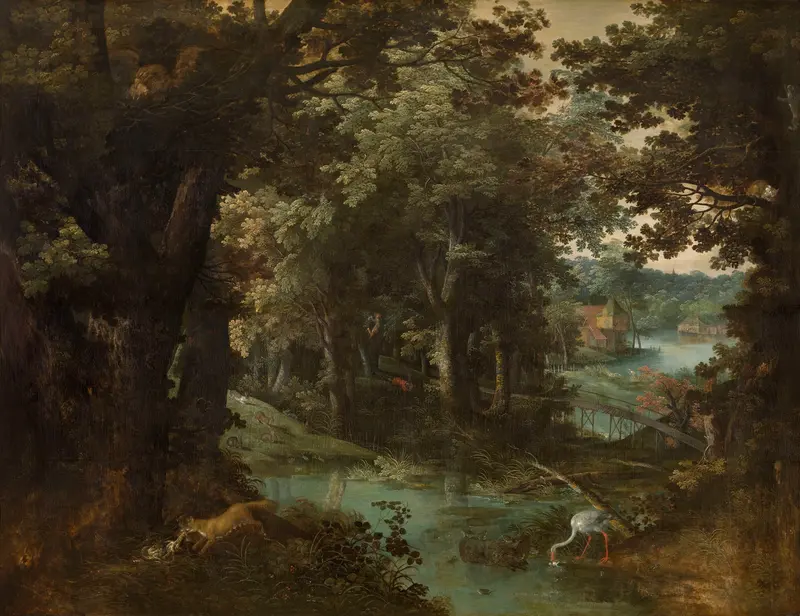
Landscape with Beast Fables
Adriaen van Stalbemt
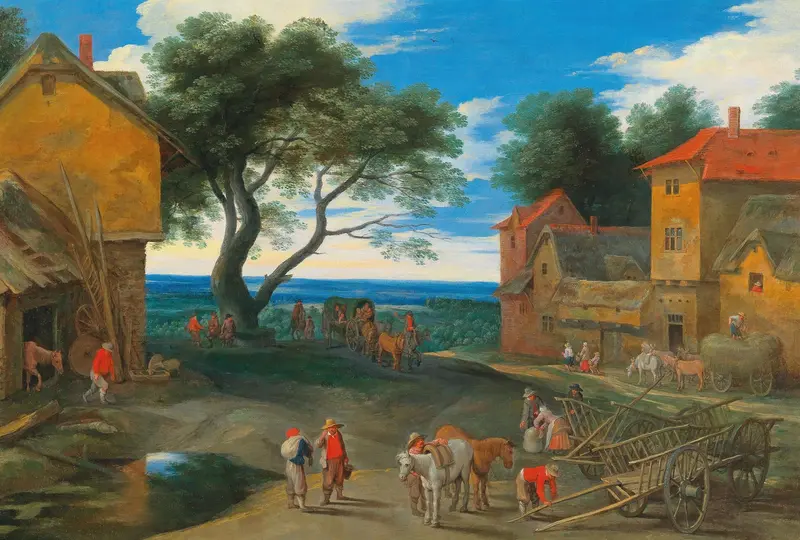
Travellers in a landscape with buildings
Adriaen van Stalbemt
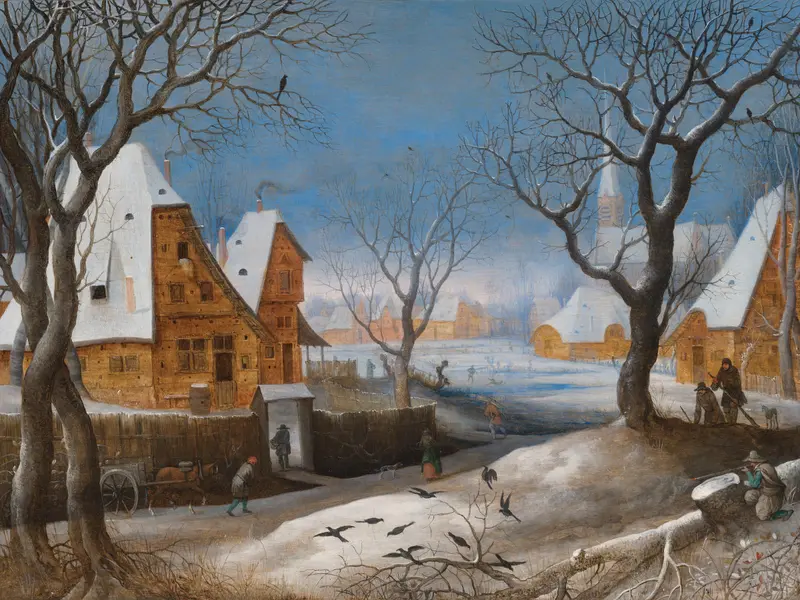
A winter landscape, with figures in a village
Adriaen van Stalbemt
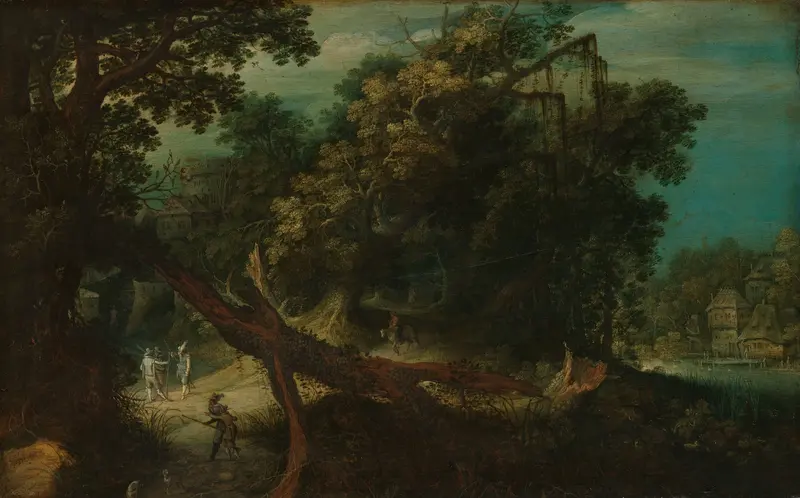
Shooters in a Forest Glade
Adriaen van Stalbemt
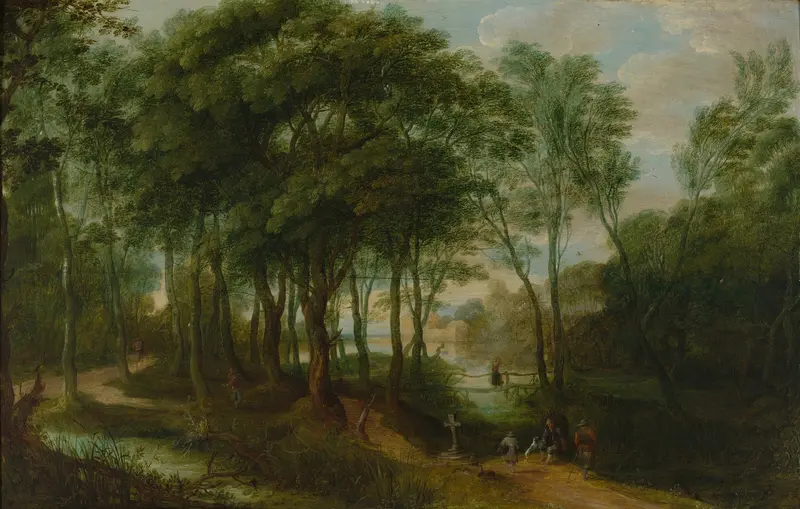
Figures On A Wooded Path, With A Building Behind
Adriaen van Stalbemt
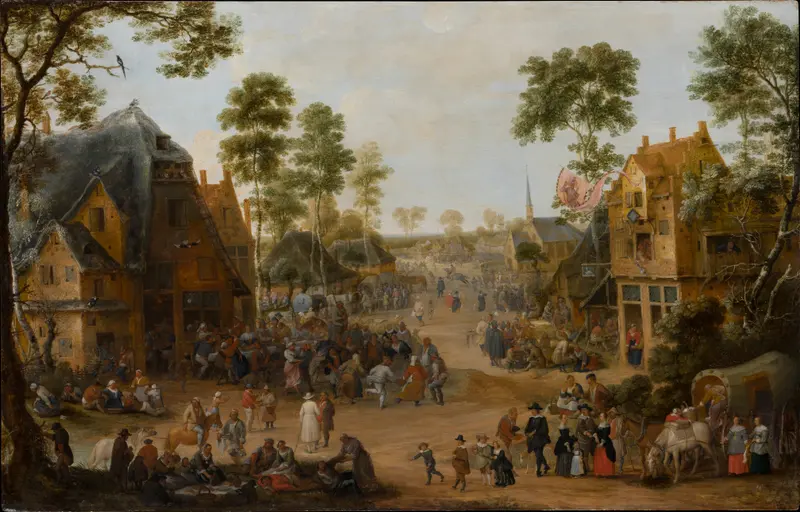
Village Church Festival
Adriaen van Stalbemt
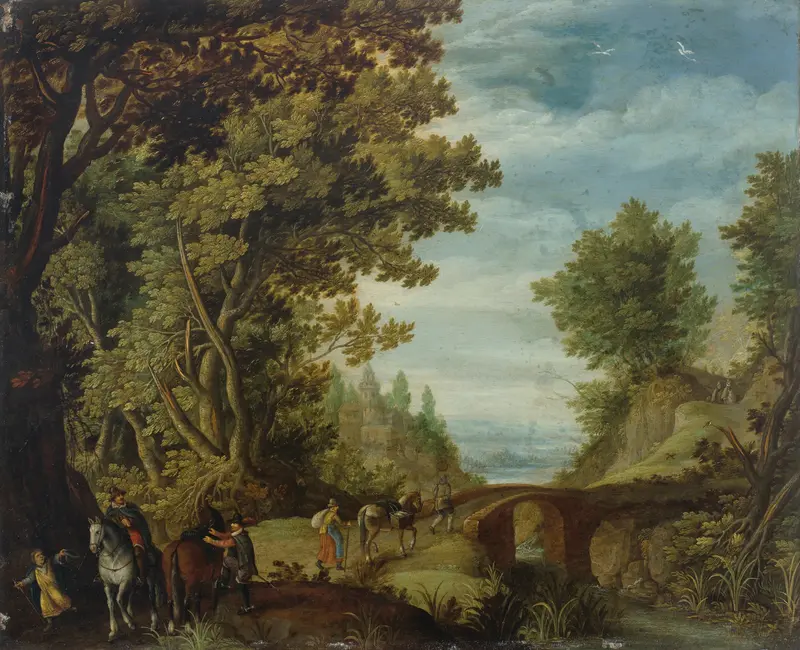
A wooded landscape with travelers crossing a bridge
Adriaen van Stalbemt
Landschap met rivier
Adriaen van Stalbemt





