
Puerto de Jávea (II) — History & Facts
Could beauty survive in a century of chaos? In Puerto de Jávea, a fleeting glimpse of serene life amidst the whispers of decay captures the imagination, inviting deeper reflection on what is ephemeral and what endures. Look to the left of the canvas, where the vibrant blues and greens of the Mediterranean water contrast sharply against the warm, sunlit buildings perched along the shore. Notice how the light falls upon the whitewashed walls, creating a dance of shadows and highlights that define the architecture and evoke the sensation of a sun-drenched afternoon. The brushwork is loose yet deliberate, conveying not just the scene, but also the gentle lapping of the waves and the salty breeze that almost seems to flow from the canvas. Delve deeper into the details — the figures at the harbor, their postures casual yet laden with the weight of a world that may be losing its tranquility.
There’s a harmony in their interactions, a fleeting moment of joy that contrasts with the notion of inevitable decay that lingers in the background. The juxtaposition of vibrant life against the subtleties of wear suggests a delicate balance between vitality and the passage of time; the fleeting beauty of the present is both cherished and shadowed by what is to come. In 1905, Joaquín Sorolla painted this work while establishing himself as a master of impressionistic light and color. Living in Spain during a time of profound social and artistic change, he sought to capture the essence of his homeland's landscapes and people.
The art world was moving towards modernism, yet Sorolla’s dedication to realism and his love for the Mediterranean landscapes allowed him to create a vivid dialogue between tradition and the changing tides of contemporary art.
More Artworks by Joaquín Sorolla
Browse all →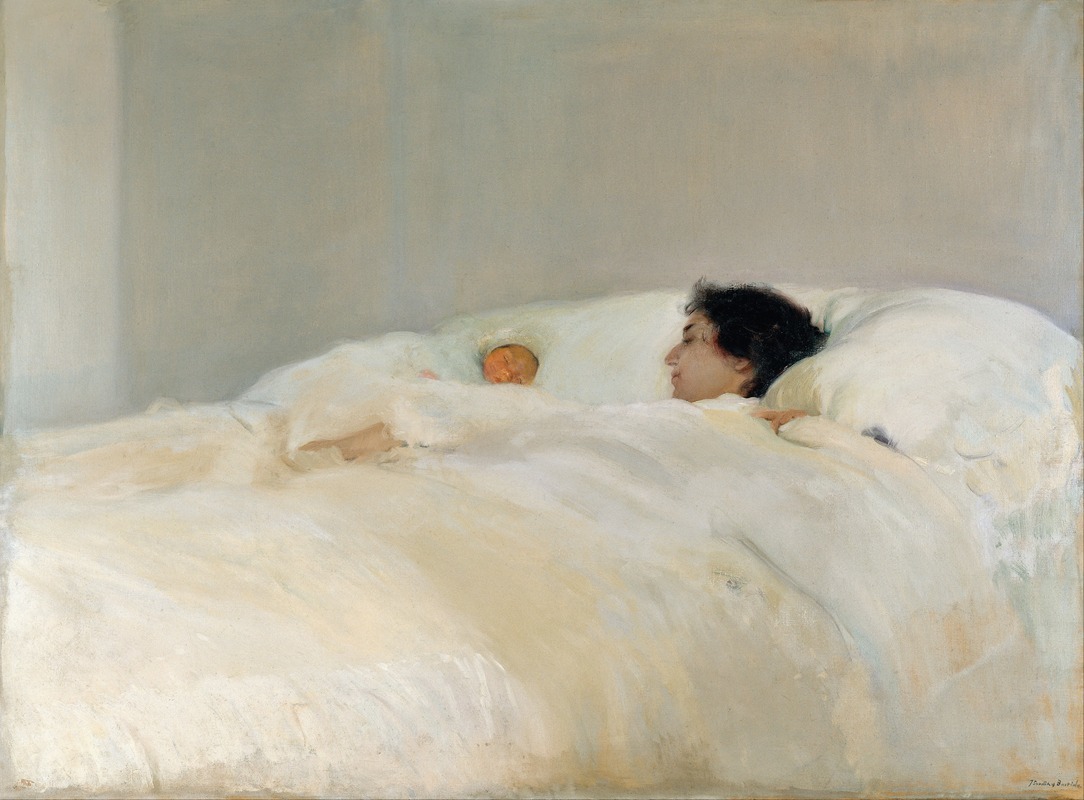
Mother
Joaquín Sorolla
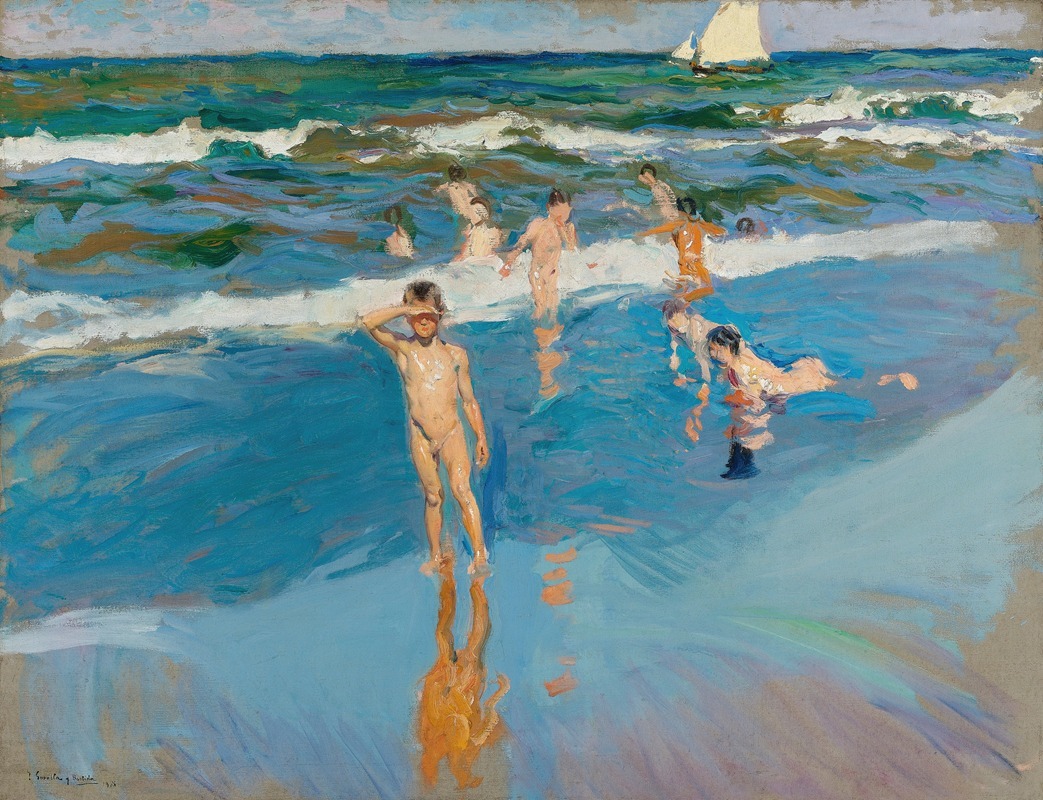
Children In The Sea, Valencia Beach
Joaquín Sorolla
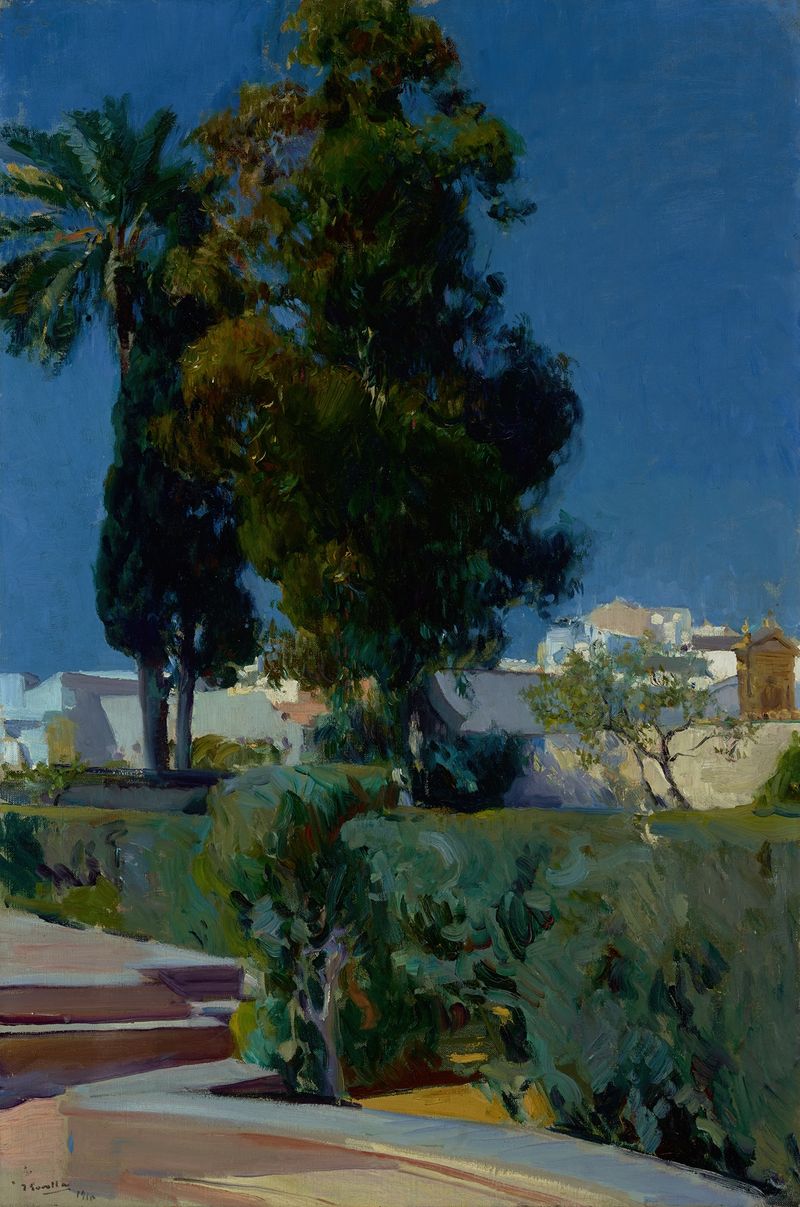
Corner of the Garden, Alcazar, Sevilla
Joaquín Sorolla
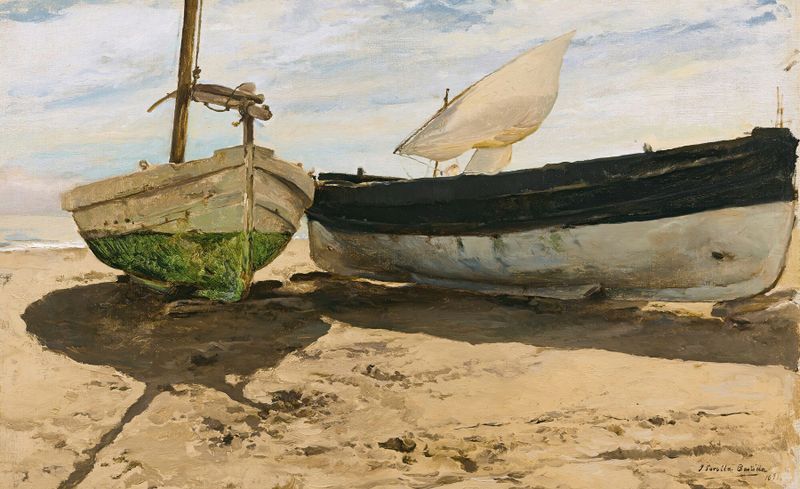
Fishing Boats On The Beach, Valencia
Joaquín Sorolla
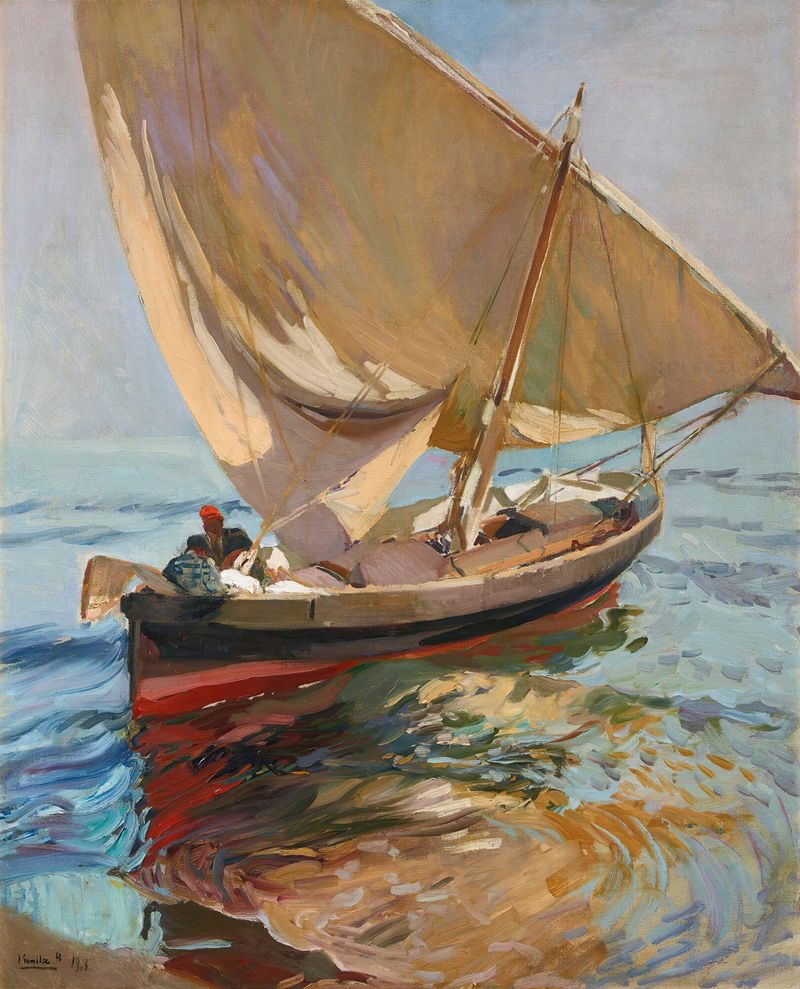
Camino De La Pesca. Valencia (Setting Out To Sea. Valencia)
Joaquín Sorolla
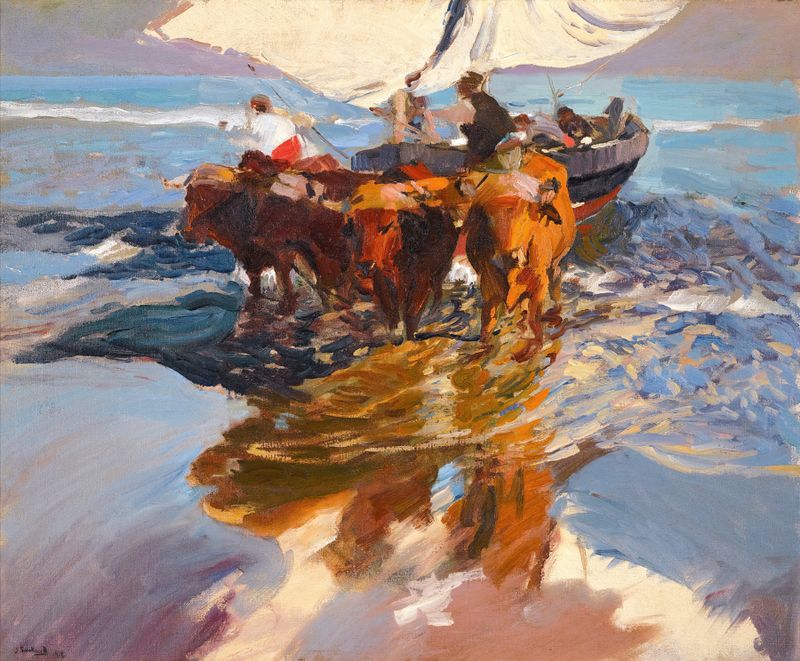
Vuelta De La Pesca. Playa De Valencia (The Return From Fishing, Valencia Beach)
Joaquín Sorolla
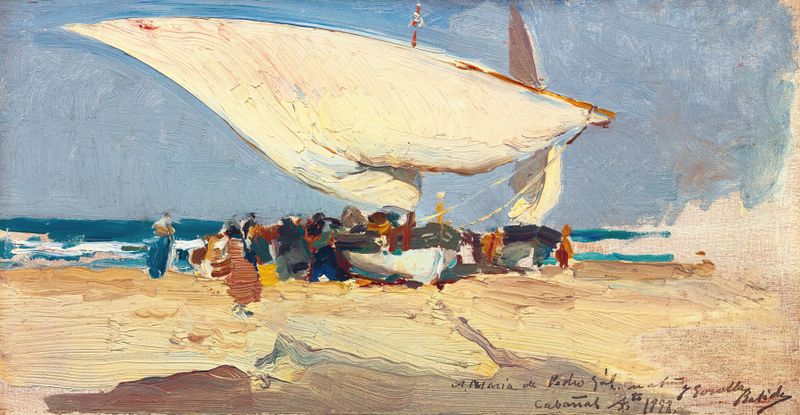
The Return Of The Catch. Valencia Beach
Joaquín Sorolla
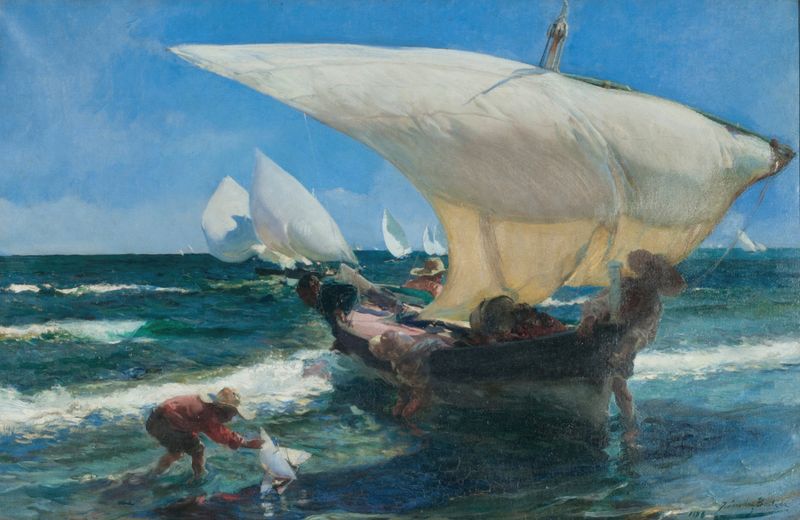
En la costa de Valencia
Joaquín Sorolla
En El Rio
Joaquín Sorolla
Jardín De Los Adarves, Alhambra, Granada
Joaquín Sorolla





