
Punamekkoinen lapsi, harjoitelma teokseen Lauantai-ilta Hamarissa — History & Facts
The first thing that catches the eye is the way the unfinished background frames the child, as if the world is still being painted into existence around her. The child sits quietly, turned in profile, the light catching the soft fuzz of her close-cropped hair and the gentle folds of her rose-colored dress. Her hands rest in her lap, fingers half-curled, suggesting a moment of stillness or waiting.
The brushwork is loose and searching, especially at the edges, where the blue-grey ground meets the raw wood, making the figure seem both present and ephemeral. There is a sense of immediacy here, as if Albert Edelfelt has paused mid-thought, inviting us into the process of seeing. Painted in 1885, this study belongs to a period when artists across Europe were increasingly fascinated by everyday life and the fleeting moods of childhood. In the Nordic countries, painters like Edelfelt were part of a wave of realism that sought to capture the truth of ordinary moments, often for larger compositions or as exercises in observation.
The work’s presence in a Finnish collection today speaks to the enduring interest in these intimate glimpses of the past, even when the sitter’s name and story have faded. The unfinished edges and visible wood remind us that history keeps few traces of the countless studies and sketches that fed into grander works—each one a window onto a world both familiar and just out of reach.
More Artworks by Albert Edelfelt

The Day of Rest
Albert Edelfelt
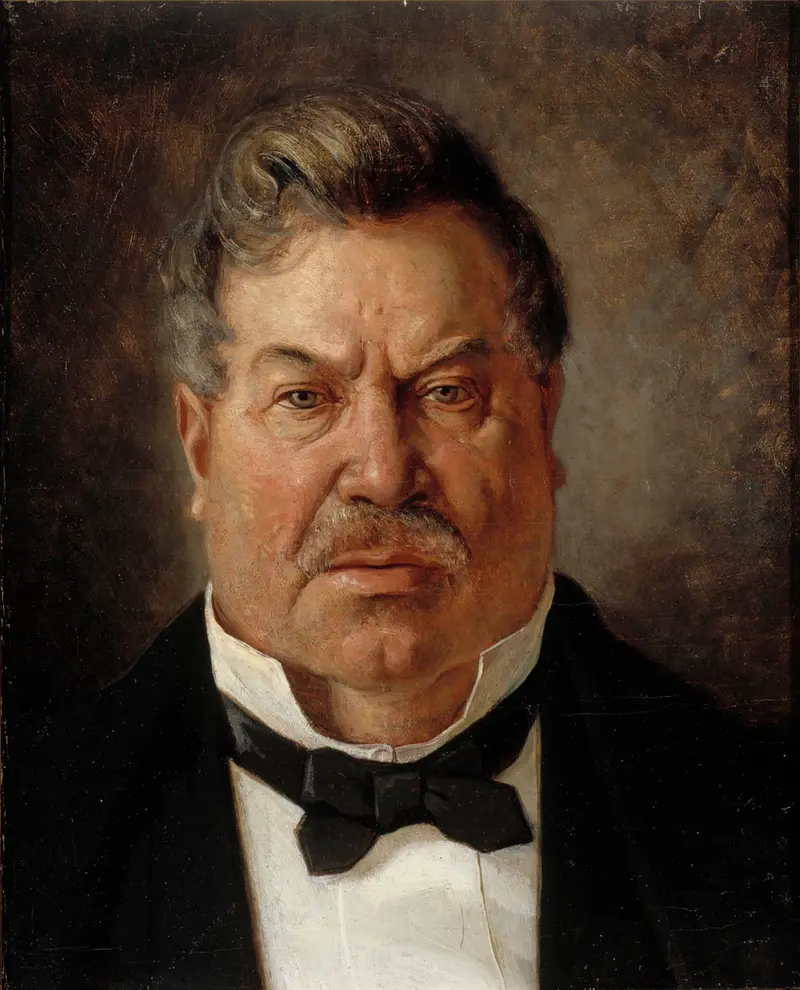
Portrait of August Streng
Albert Edelfelt
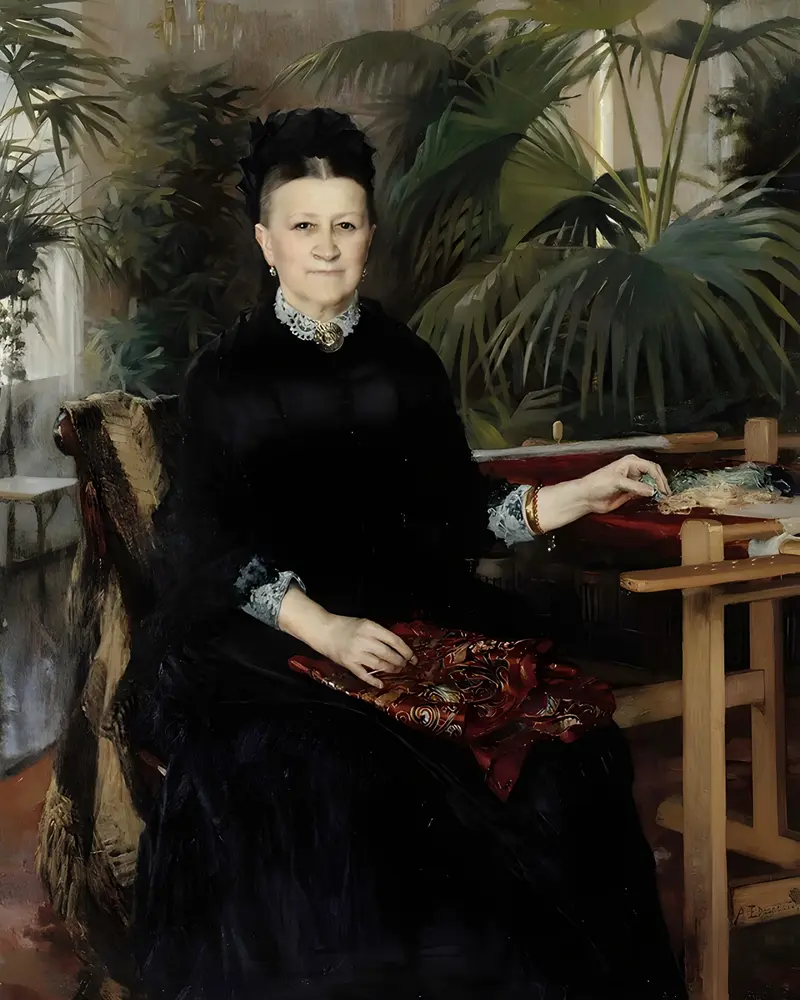
Portrait Of Mrs. Anna Sinebrychoff
Albert Edelfelt

The Poet, Larin Paraske
Albert Edelfelt

Parisian lady in a Peignoir
Albert Edelfelt
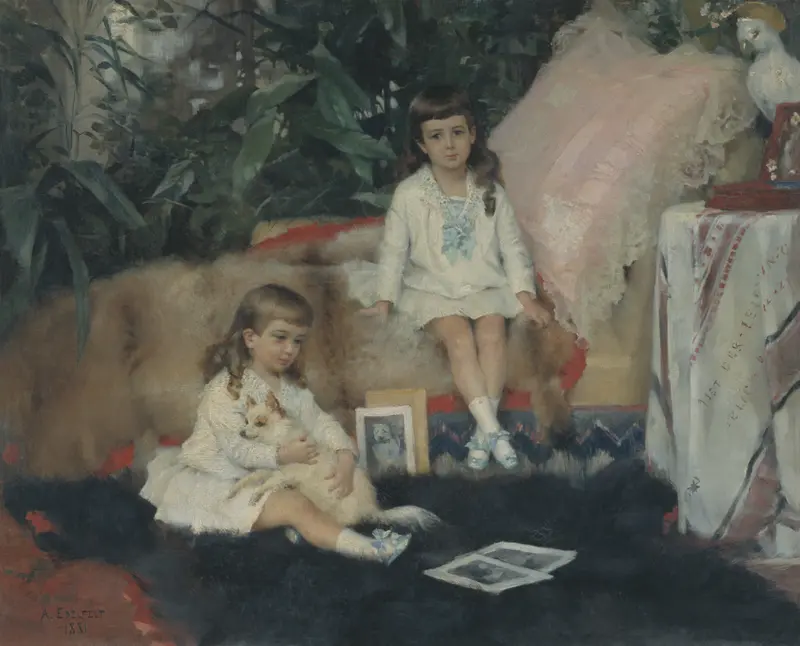
The Grand Dukes Boris and Kirill Vladimirovich as Children
Albert Edelfelt
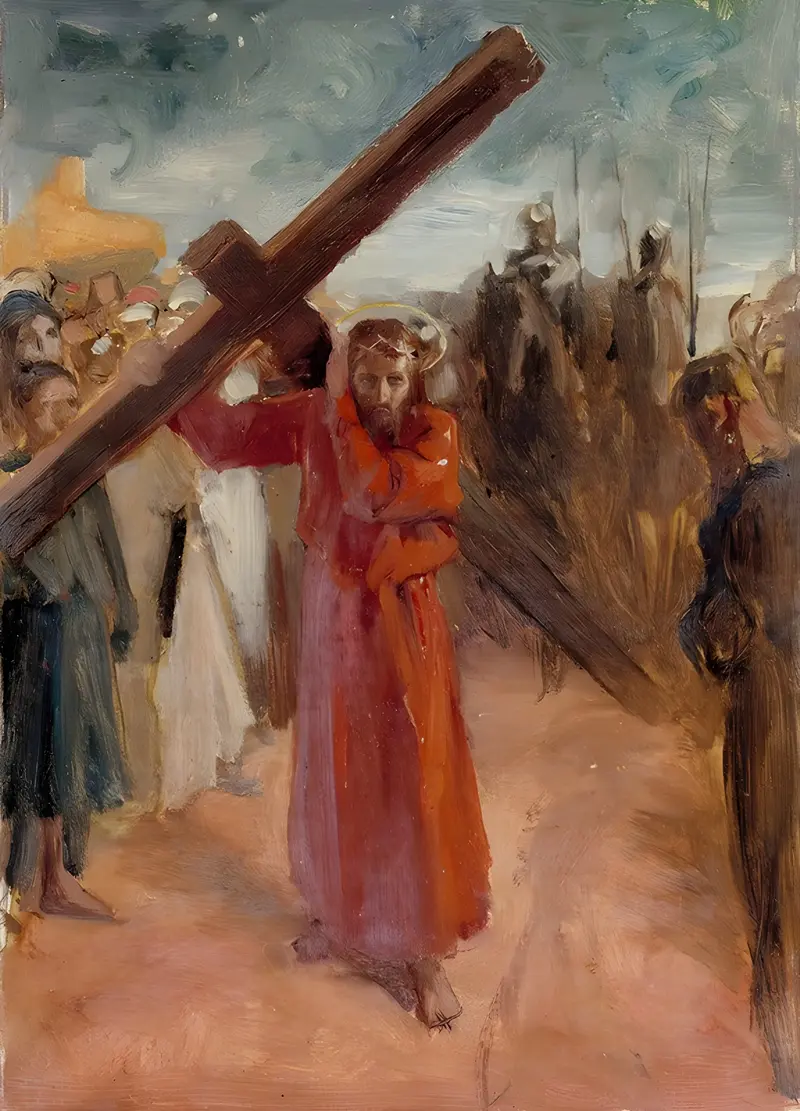
Christ Bears The Cross
Albert Edelfelt
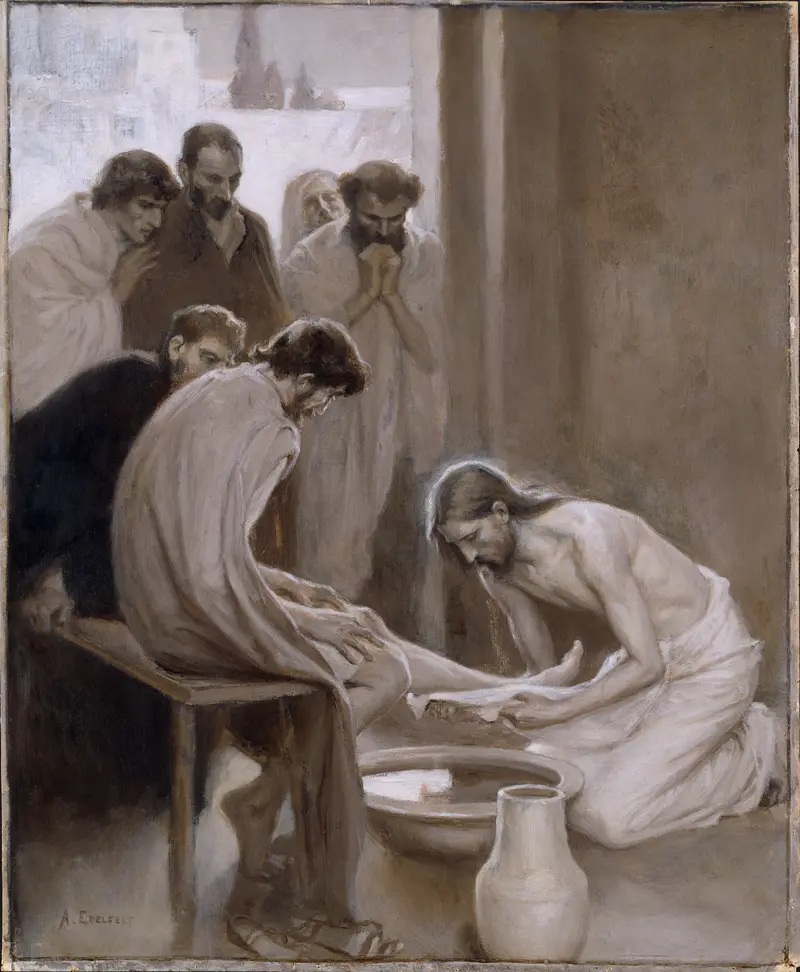
Jesus Washing the Feet of his Disciples
Albert Edelfelt

Larin Paraske with Kantele
Albert Edelfelt
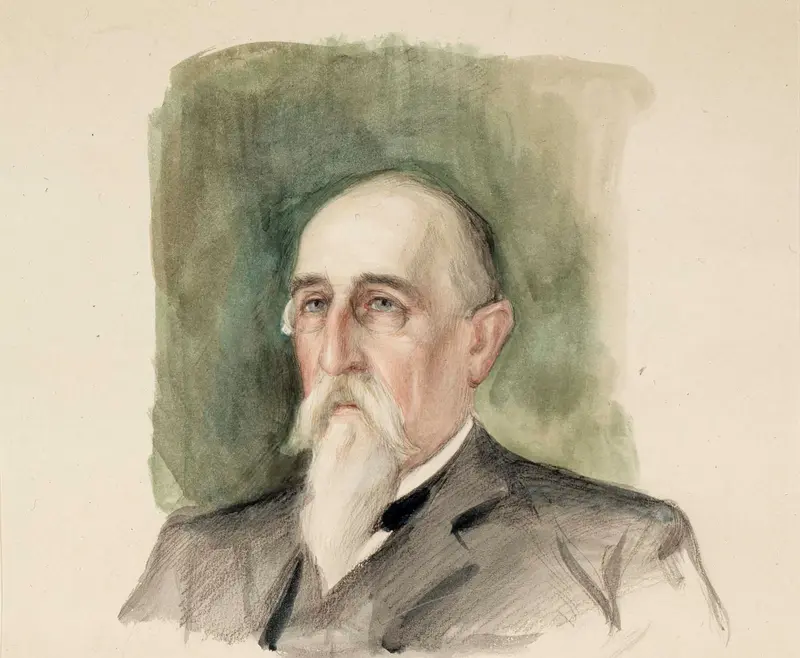
Leo Mechelin, Portrait Study
Albert Edelfelt





