
Putto met een leeg schild — History & Facts
In a world teeming with chaos, the quiet presence of innocence can awaken profound truths within the heart. Look closely at the figure of the putto, nestled in the foreground. A cherubic child with soft, rounded features, their gaze is directed slightly downwards, as if contemplating the emptiness of the shield beside them. Notice how the light caresses the contours of their body, creating an ethereal glow that contrasts with the muted tones of the background.
The delicate brushwork reveals a masterful hand, capturing the tender essence of youth while inviting the viewer to ponder the significance of the empty shield — a canvas waiting for meaning. This painting speaks to the tension between potential and absence. The empty shield symbolizes unfulfilled promise, echoing themes of possibility and new beginnings. The child's serene expression juxtaposed against this void evokes a sense of longing and introspection, almost as if they are caught in a moment of awakening, contemplating what could be inscribed upon the shield, which remains blank.
This contrast between innocence and the weight of expectation imbues the painting with emotional depth. Hans Sebald Beham created this work between 1510 and 1550, during a time when the Northern Renaissance was flourishing. Working in Nuremberg, he was part of a vibrant artistic community that wrestled with themes of humanism and spirituality. Beham’s mastery of engraving and painting reflected the intricate balance between light and shadow, inviting viewers to explore the subtleties of existence — a theme that resonates deeply in this tender portrayal of a moment suspended in time.
More Artworks by Hans Sebald Beham
Browse all →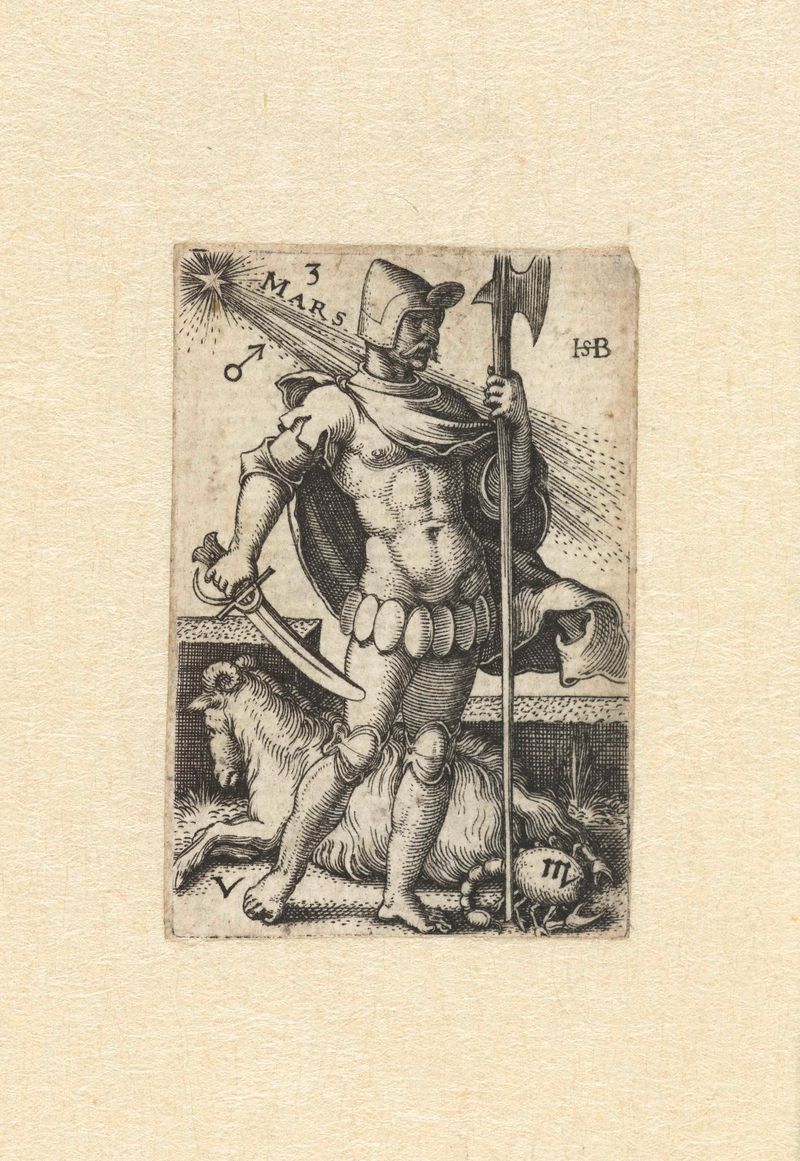
Mars met sterrenbeelden Ram en Schorpioen
Hans Sebald Beham

Achilles in gevecht met Hector
Hans Sebald Beham
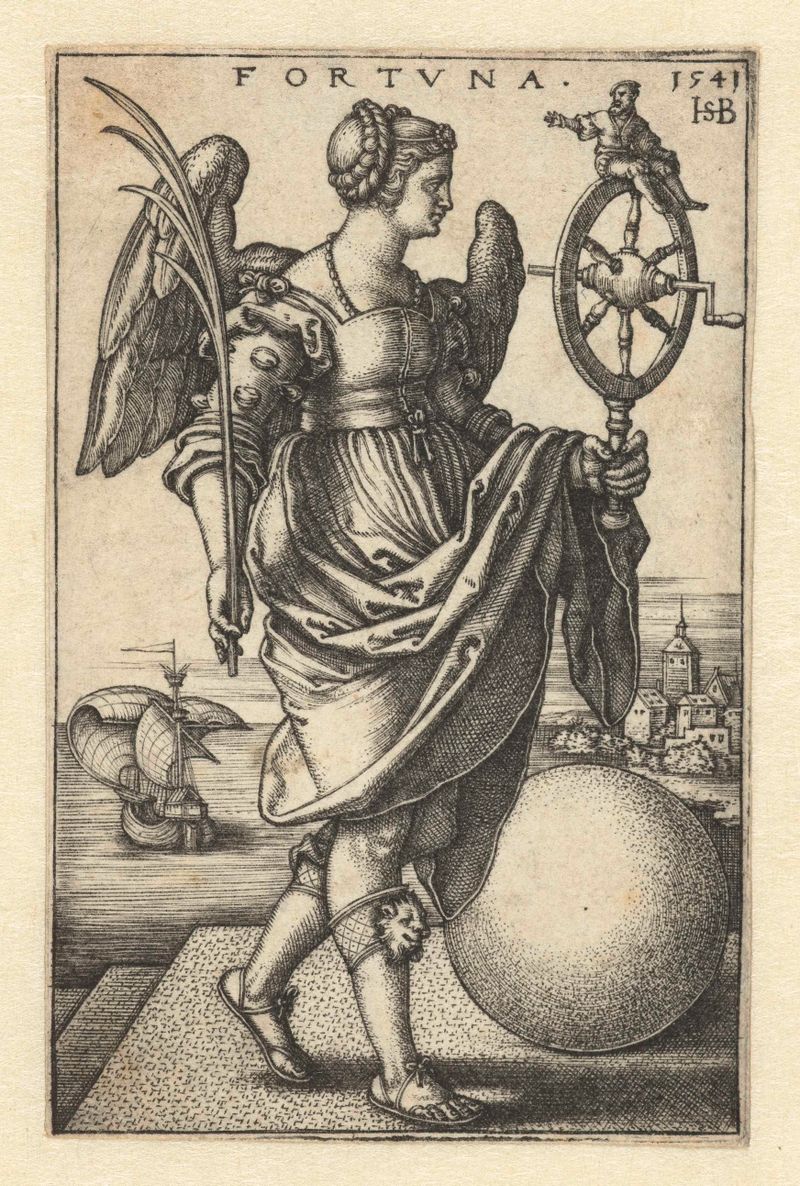
Fortuna
Hans Sebald Beham

Hercules worstelt met Antaeus
Hans Sebald Beham

Twee muzikanten met schalmey en doedelzak
Hans Sebald Beham

Voorzichtigheid (Prudentia)
Hans Sebald Beham

Hercules in gevecht met de Trojanen
Hans Sebald Beham
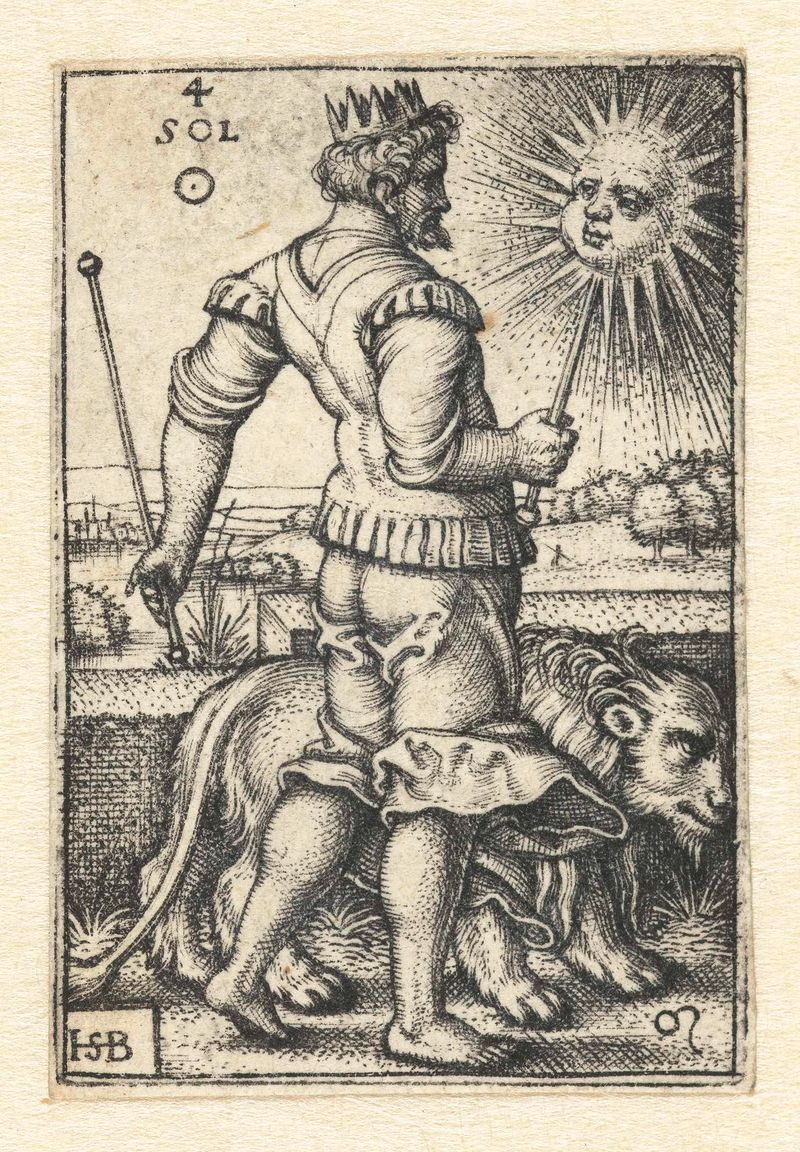
Apollo (Sol) met sterrenbeeld Leeuw
Hans Sebald Beham
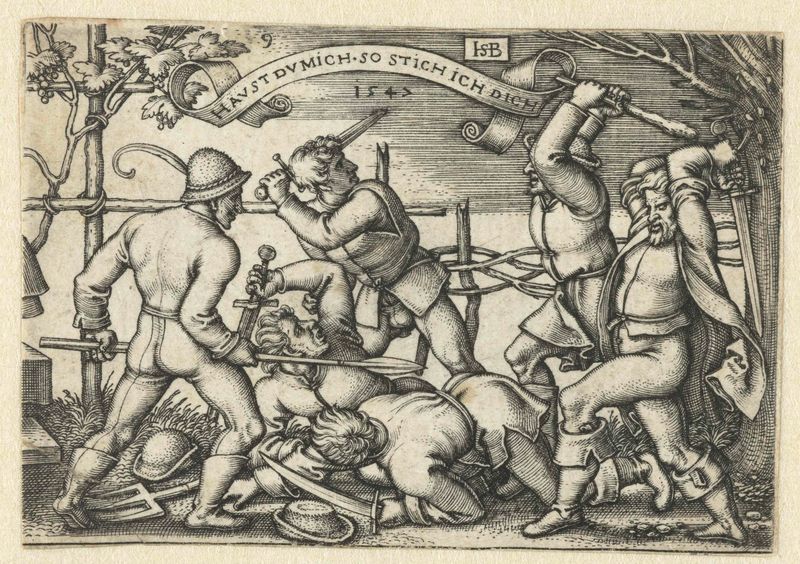
Vechtende boeren met zwaarden
Hans Sebald Beham
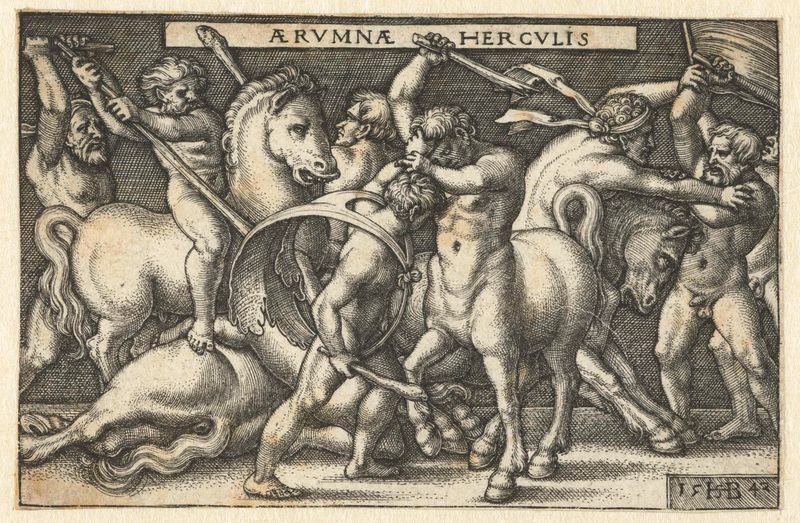
Hercules in gevecht met centaurs
Hans Sebald Beham





