
Putto met een leeg schild — History & Facts
What secret hides in the quiet of the canvas? A gentle presence, bathed in soft light, speaks of divinity and innocence, inviting contemplation on the nature of existence itself. Look to the center where the playful putto emerges, his cherubic form poised with a blank shield. The delicate brushwork captures the contours of his flesh, the subtle blush across his cheeks. Notice how the light falls upon his rounded shoulders, creating a soft halo effect that enhances his ethereal quality.
The muted palette of creams and golds contrasts with the untouched surface of the shield, a void that beckons for meaning and interpretation. Beneath the surface, the empty shield symbolizes potential—a canvas for the viewer's imagination. This absence prompts us to explore the tension between innocence and the weight of expectations. The putto, with his seemingly carefree demeanor, stands in stark contrast to the emptiness of the shield, evoking a sense of longing and the quest for identity.
Here lies an interplay between youth and the inevitable responsibilities that accompany maturity. During the early 16th century, Beham created this piece in Nuremberg, a time when the Northern Renaissance was flourishing amid political and religious upheaval. As a member of the German artistic milieu, he navigated the complexities of humanism and the burgeoning Reformation. This painting encapsulates a moment where divine innocence meets earthly concerns, revealing the artist's keen awareness of the era's shifting values.
More Artworks by Hans Sebald Beham
Browse all →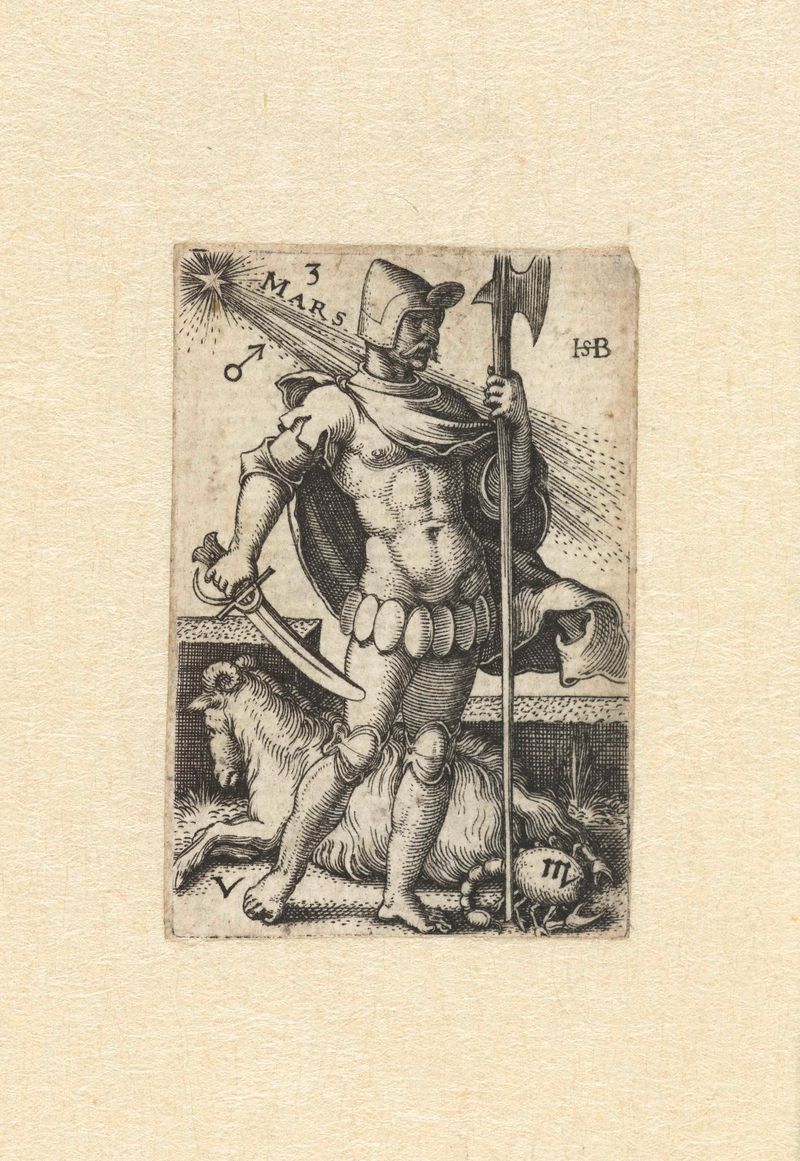
Mars met sterrenbeelden Ram en Schorpioen
Hans Sebald Beham

Achilles in gevecht met Hector
Hans Sebald Beham
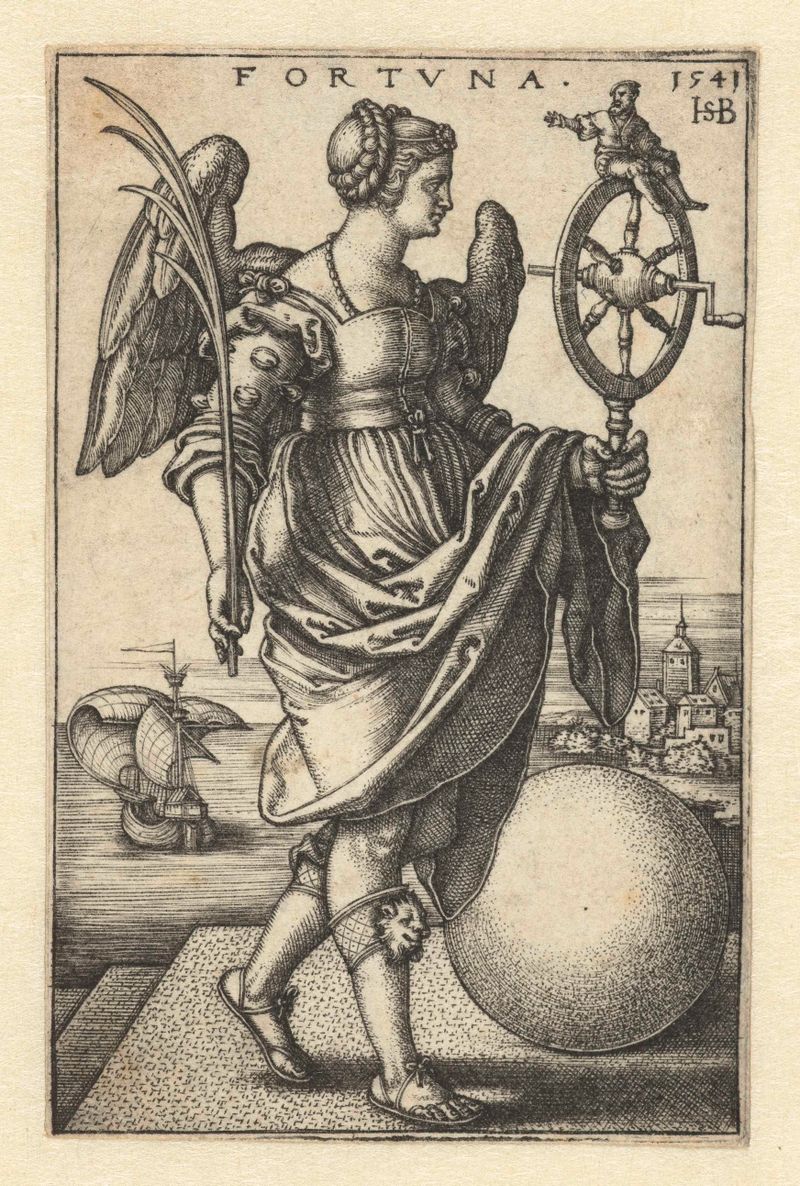
Fortuna
Hans Sebald Beham

Hercules worstelt met Antaeus
Hans Sebald Beham

Twee muzikanten met schalmey en doedelzak
Hans Sebald Beham

Voorzichtigheid (Prudentia)
Hans Sebald Beham

Hercules in gevecht met de Trojanen
Hans Sebald Beham
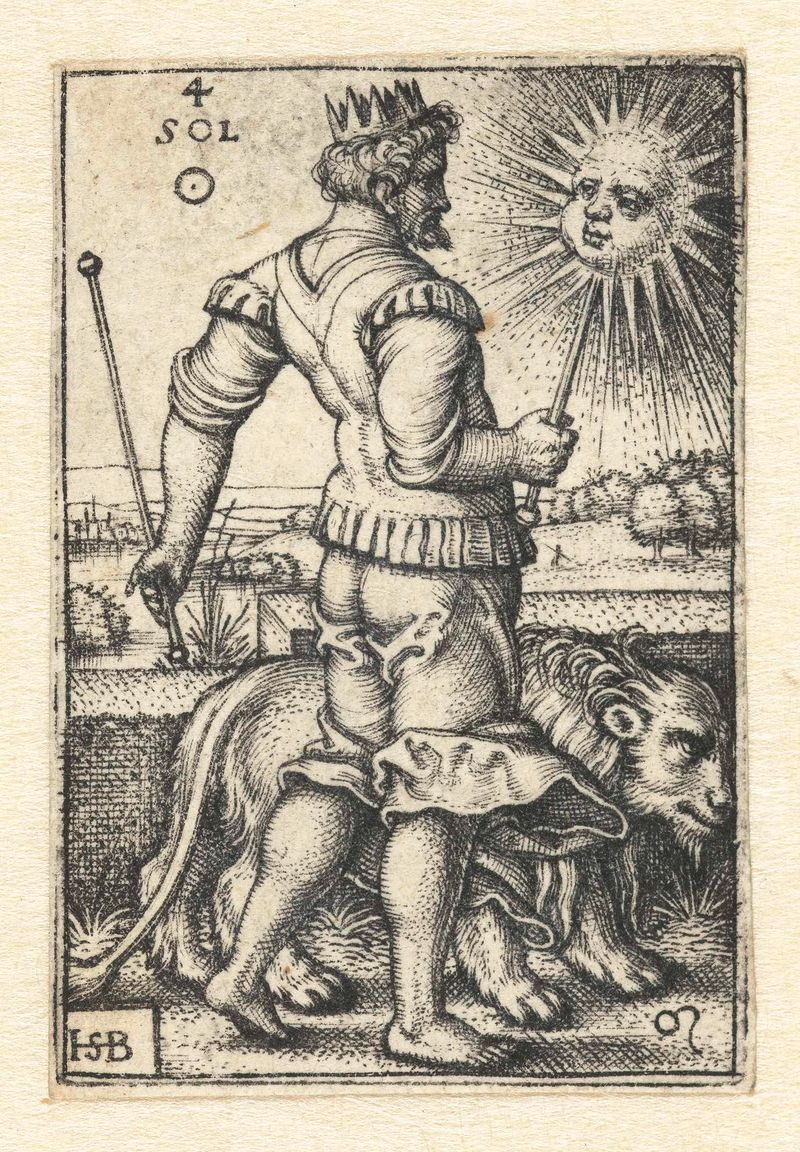
Apollo (Sol) met sterrenbeeld Leeuw
Hans Sebald Beham
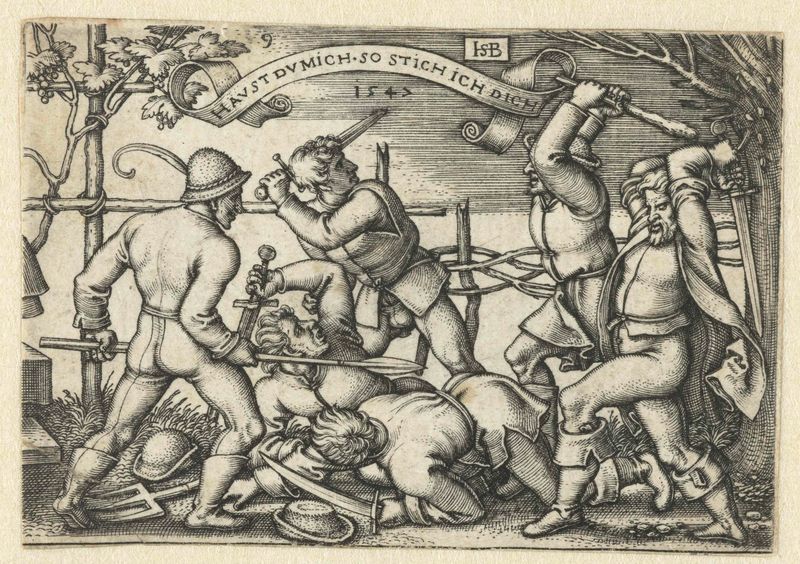
Vechtende boeren met zwaarden
Hans Sebald Beham
Hercules in gevecht met centaurs
Hans Sebald Beham





