
R. Assmus – The Gemmi Pass — History & Facts
Could a single brushstroke hold eternity? In Theodor Gsell Fels’ The Gemmi Pass, isolation breathes deeply within the canvas, whispering to those who dare to listen. Look to the left at the stark, haunting peaks that rise like ancient sentinels against the fading light. The colors, a blend of muted grays and soft blues, evoke the chill of solitude as shadows cascade dramatically down the mountainsides. Notice how the brushwork varies; the smoothness of the sky contrasts with the jagged, rough edges of the rocks, illustrating the tension between nature's beauty and its unforgiving nature.
This juxtaposition creates a palpable sense of loneliness, as if the mountains themselves are guardians of secrets, holding space for silent reveries. Deeper insights emerge as you take in the solitary figure standing at the precipice of the pass. This diminutive silhouette signifies not just a traveler but a metaphor for the human experience in nature. The vastness surrounding them invites introspection and evokes the paradox of seeking solace in isolation while yearning for connection.
The interplay of light and shadow further enhances the emotional complexity, suggesting that even in loneliness, there exists a beauty that can resonate deeply within one’s soul. Painted in 1881, The Gemmi Pass reflects Gsell Fels’ engagement with the sublime beauty of the Swiss landscape. At this time, the artist was immersed in the Romantic tradition, which emphasized emotion and the individual’s relationship with nature. The world was in a state of flux, with industrialization encroaching on untouched landscapes, prompting artists like Gsell Fels to capture the profound beauty that stood on the brink of change.
The work stands as a testament to both the artist's skill and the timeless allure of nature.
More Artworks by Theodor Gsell Fels
Browse all →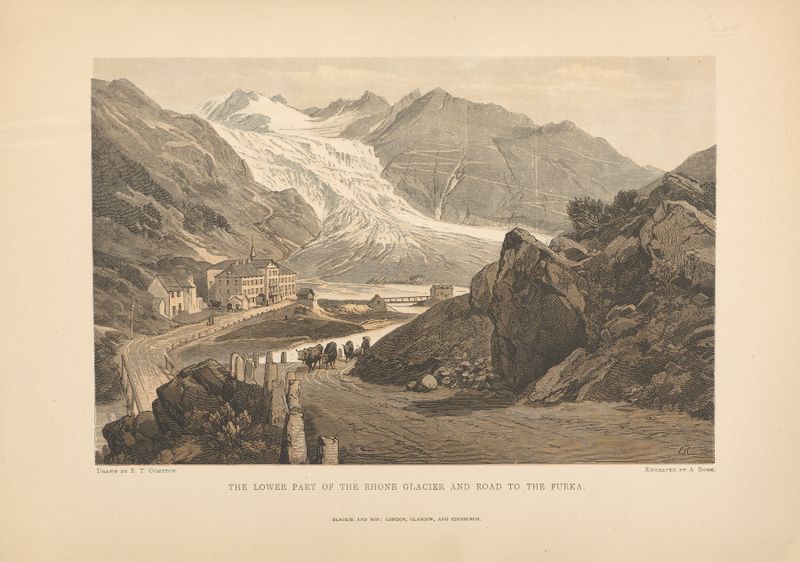
E. T. Compton – The Lower Part of the Rhone Glacier and Road to Furka
Theodor Gsell Fels

G. Closs – The Devil’s Bridge—St. Gothard Road, Schóllenen Gorge
Theodor Gsell Fels
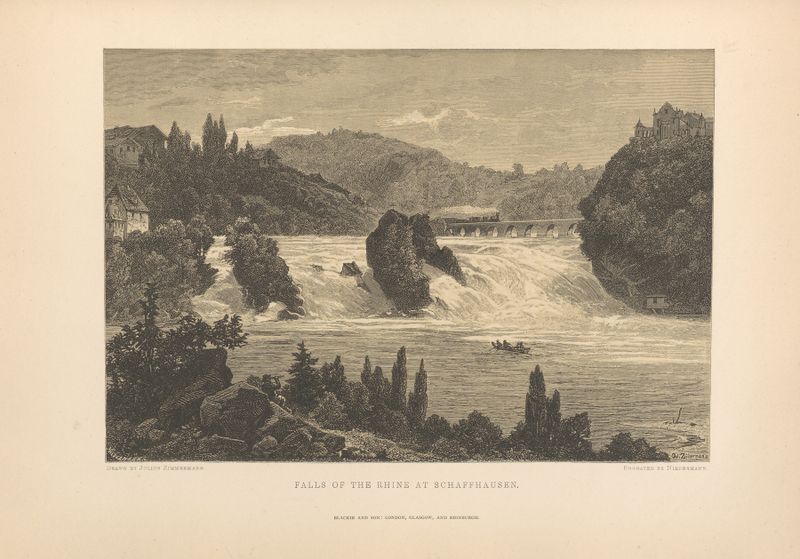
Julius Zimmermann – Falls of the Rhine at Schaffhausen
Theodor Gsell Fels
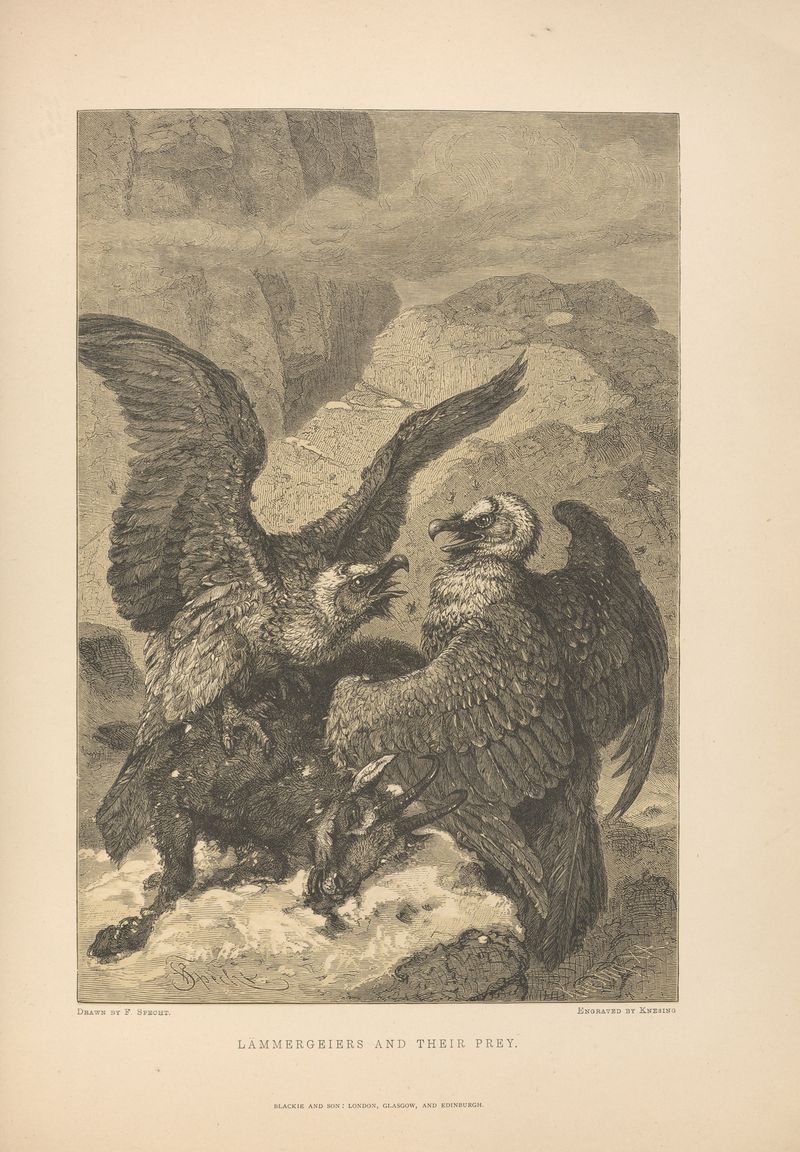
F. Specht – Lammergeiers and their Prey
Theodor Gsell Fels
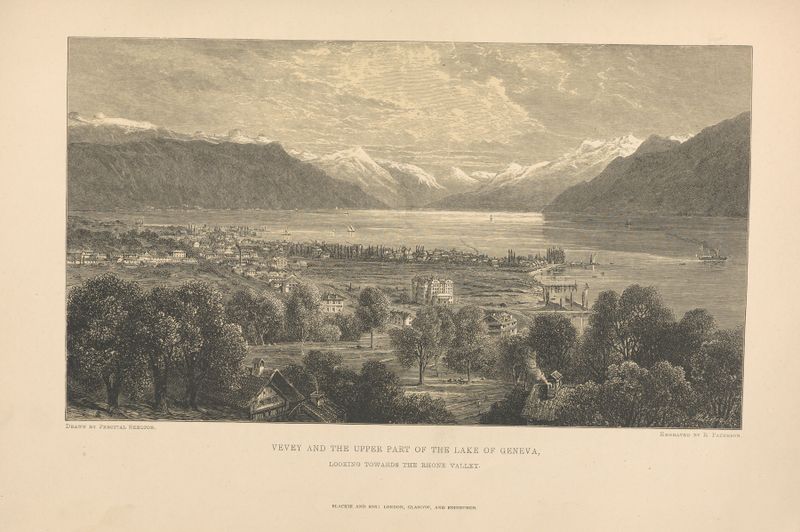
Percival Skelton – Vevay, and the Upper Part of the Lake of Geneva
Theodor Gsell Fels

E. T. Compton – The Jungfrau, and Opening of the Lauterbrunnen Valley
Theodor Gsell Fels

P. Weber – Departure of Steamer from Lucerne
Theodor Gsell Fels
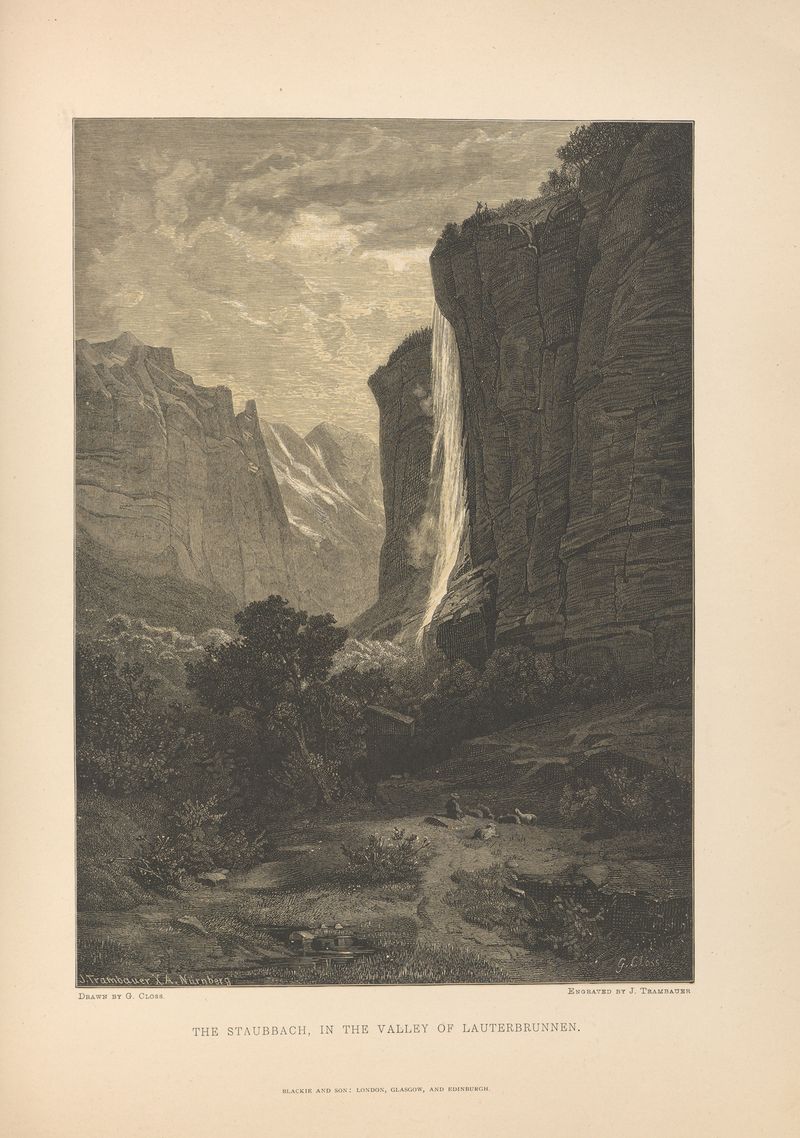
G. Closs – The Staubbach, in the Valley of Lauterbrunnen
Theodor Gsell Fels
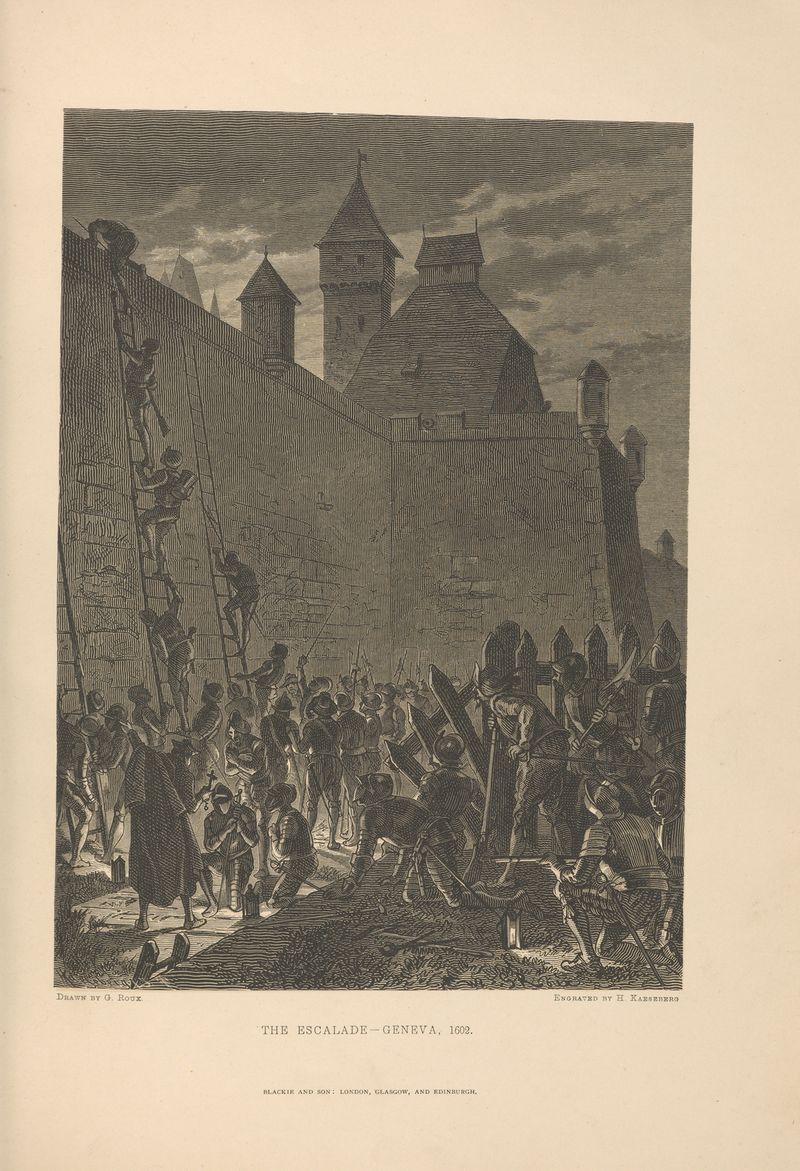
G. Roux – The Escalade, Geneva
Theodor Gsell Fels
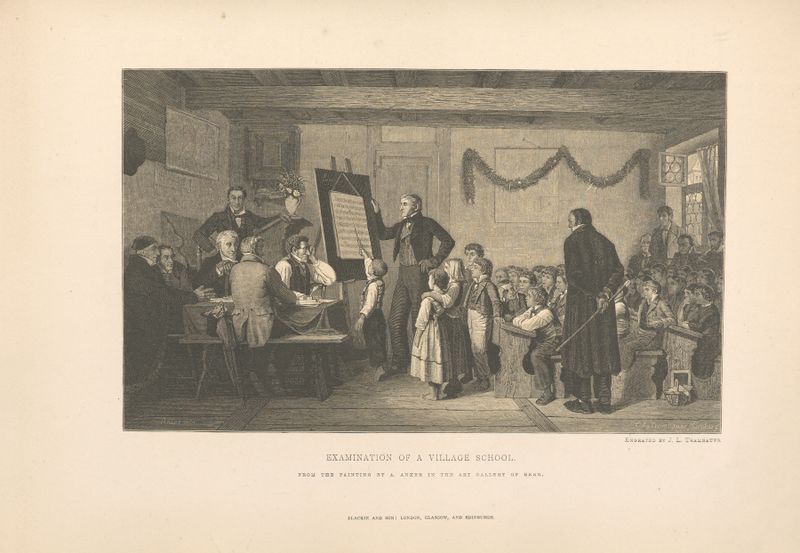
A. Anker – Examination of a Village School
Theodor Gsell Fels





