Rain — History & Facts
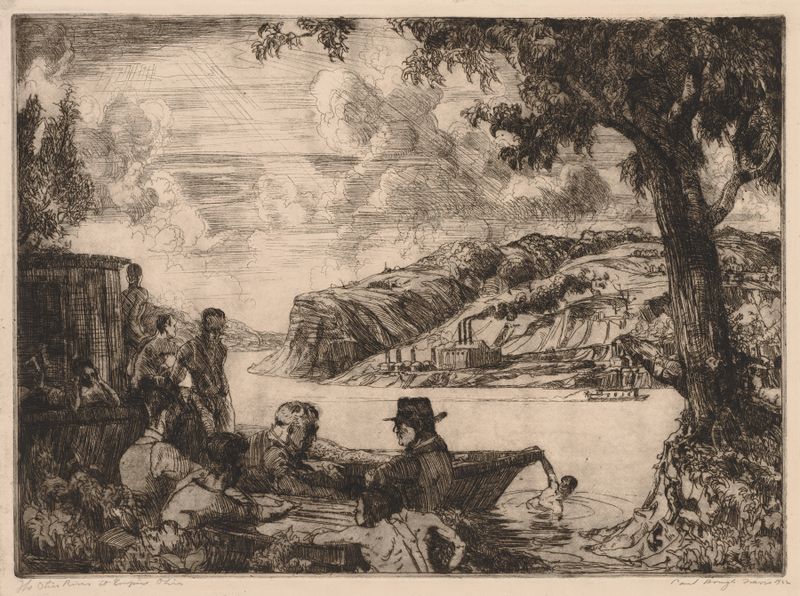
What secret hides in the quiet of the canvas? The soft, gray hues whisper of unspoken betrayals and lingering doubts, inviting the viewer to peer into the depths of emotional turmoil that lie beneath the surface of stillness. Look to the left at the cascading rain falling rhythmically across the scene, blurring the outlines of what lies beneath. The artist employs a muted palette, predominantly cool blues and grays, evoking a somber atmosphere that encapsulates the weight of heaviness in the air. Notice how the gentle strokes create a sense of movement, mimicking the droplets as they caress the ground, while hints of distant buildings emerge through the veil of rain, inviting curiosity about the stories hidden in their shadows. In this piece, the interplay of light and shadow reveals emotional contrasts: the sense of isolation amidst a bustling world, and the tension between tranquility and turmoil.
Each droplet seems to carry a memory of betrayal, amplifying the silence that envelops the scene. The viewer may sense a deeper narrative at play—a fragile balance between sorrow and resilience, echoing the unspoken truths that drift like mist. Created in 1928, this work emerged during a transformative period for Paul B. Travis, who was grappling with his own artistic identity.
Living in the United States as modernism began to flourish, he sought to blend traditional techniques with contemporary themes, revealing the complexities of human emotion through impressionistic landscapes. As the world around him faced economic uncertainty, his depiction of rain became a metaphor for both cleansing and disillusionment, resonate with the zeitgeist of the time.