
Rebecca and Eliezer at the Well — History & Facts
Is this a mirror — or a memory? In Rebecca and Eliezer at the Well, the moment captured transcends mere time, inviting the viewer into a rich tapestry of connection, longing, and destiny. Focus first on the glowing faces of Rebecca and Eliezer, their expressions imbued with an ethereal beauty that draws you in. Notice how the light cascades from the upper left, illuminating Rebecca's delicate features and the water in the well, creating a shimmering backdrop. The drape of Eliezer's robes contrasts with the vibrant colors of Rebecca's attire, emphasizing their emotional proximity while also hinting at their disparate worlds.
Each brushstroke serves a purpose, seamlessly blending realism with a dreamlike quality that elevates the narrative. Delve deeper into the scene, and you'll uncover subtle layers of significance. The well itself stands as a symbol of life and abundance, a meeting point of fates in a world often defined by separation. The gentle touch of Eliezer’s hand on Rebecca’s arm speaks to the power of trust and hope, while the muted earth tones around them contrast with the vibrancy of their union.
This harmonious composition not only captures their personal encounter but also echoes the universality of love and connection across time. Jacopo Amigoni painted this masterpiece around 1745 while living in Venice, a period marked by the Rococo style's exuberance and emotional depth. It was a time when artists sought to explore personal narratives within a grand historical context, and Amigoni, influenced by his contemporaries, embraced this trend. His work reflects both the aesthetic ideals of his time and the evolving nature of romantic storytelling in art.
More Historical Art
Browse all →
The Night Watch Militia Company of District II under the Command of Captain Frans Banninck Cocq
Rembrandt van Rijn
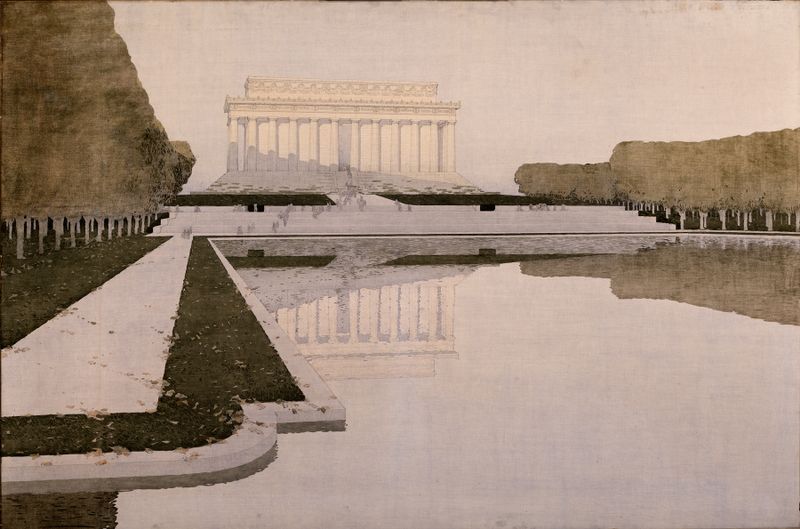
Lincoln Memorial
Henry Bacon
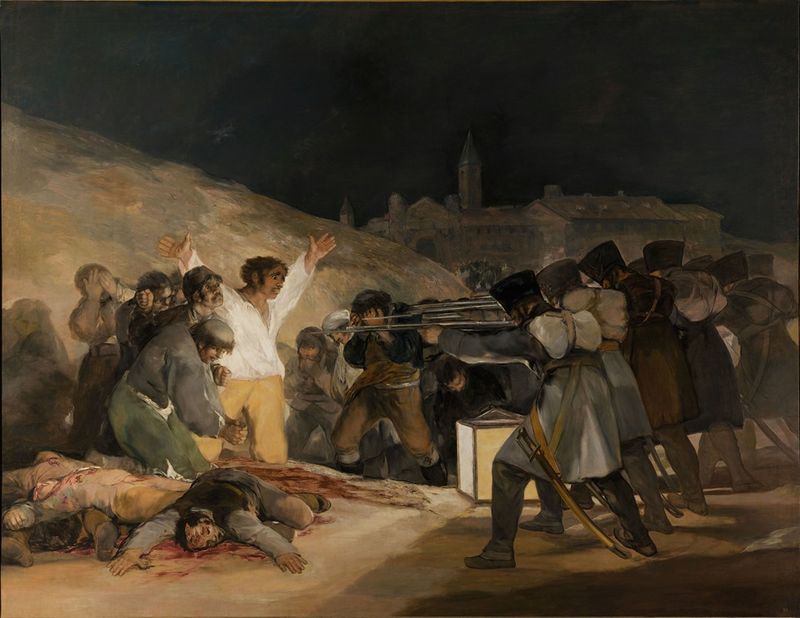
The Third of May 1808
Francisco de Goya

Isaac and Rebecca, Known as ‘The Jewish Bride’
Rembrandt van Rijn
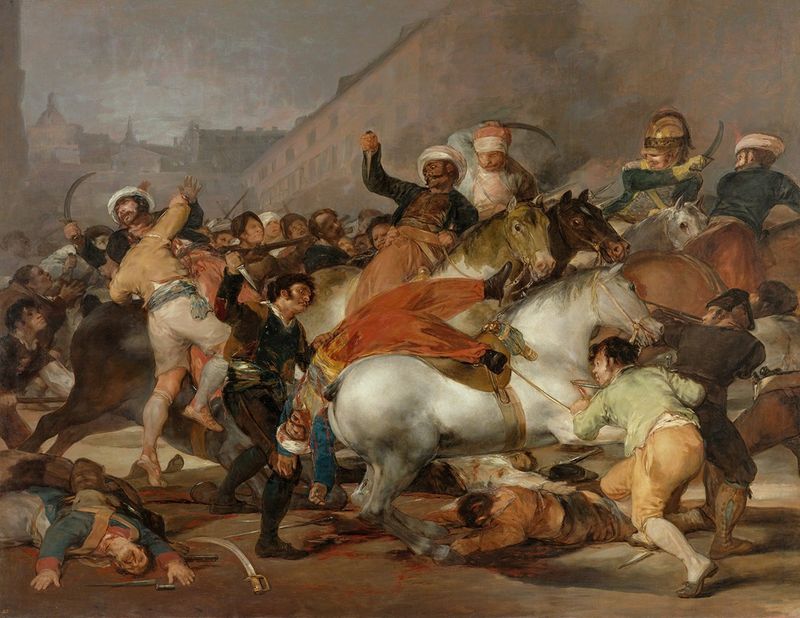
The Charge of the Mamelukes (1814)
Francisco de Goya

De vier ruiters van de apocalyps
Albrecht Dürer