
Rechts eine Ruine, dabei ein Ziehbrunnen — History & Facts
Where does light end, and longing begin? In Rechts eine Ruine, dabei ein Ziehbrunnen, an ethereal balance of despair and beauty emerges, suggesting that madness may reflect the fragility of existence. Focus on the crumbling ruins to the right, where the interplay of shadows and sunlight gives life to decay. The warm, golden hues of the sun penetrate the cool, muted tones surrounding the well, drawing the eye toward the central figure — a silent witness to history’s whims. The vertical lines of the ruins contrast with the circular form of the well, creating a dynamic tension that invites contemplation on what remains amidst destruction. Hidden within the scene is the emotional dissonance between hope and abandonment.
The well, a symbol of sustenance, stands resolute against the backdrop of decay, evoking a longing for what was and what could be. Elements of nature encroach on the stone structures, suggesting both the power of the natural world and the inevitable passage of time, while the soft colors hint at a melancholic beauty that belies madness lurking beneath. Created in 1785, this artwork reflects Paulus van Liender’s exploration of Romantic ideals at a time when Europe was enveloped in change and turmoil. The artist painted this while living in the Dutch Republic, where a shift toward introspective themes became prevalent, echoing the growing fascination with the sublime's darker aspects.
As the world around him grappled with the aftermath of Enlightenment, van Liender captured a moment caught between decay and a fragile sense of hope.
More Artworks by Paulus van Liender
Browse all →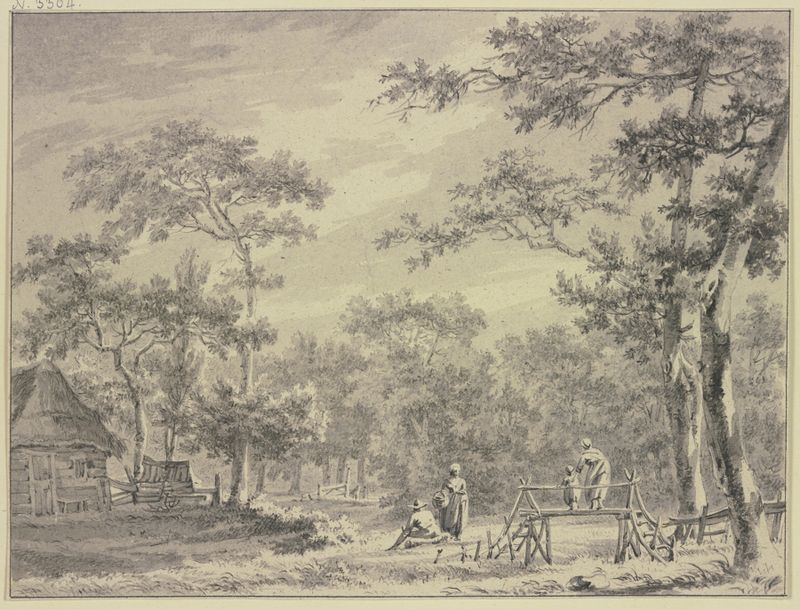
Waldlandschaft, links ein Haus, rechts ein Steg über welchem eine Frau ein Kind führt
Paulus van Liender
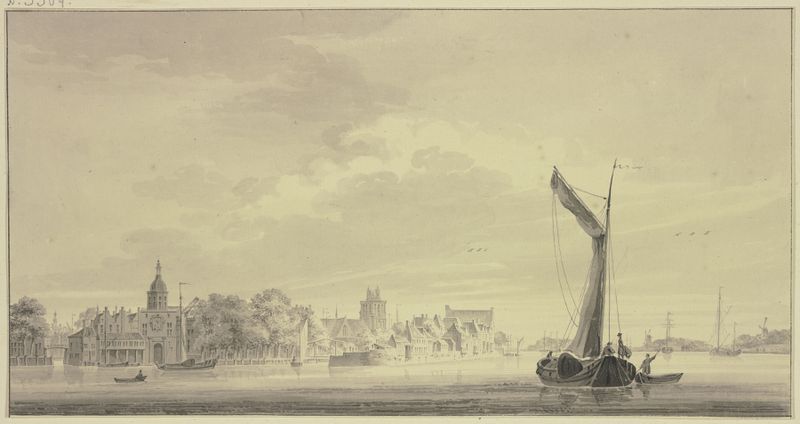
Dordrecht te rien van Papendrecht
Paulus van Liender

Delft aan de Schie
Paulus van Liender
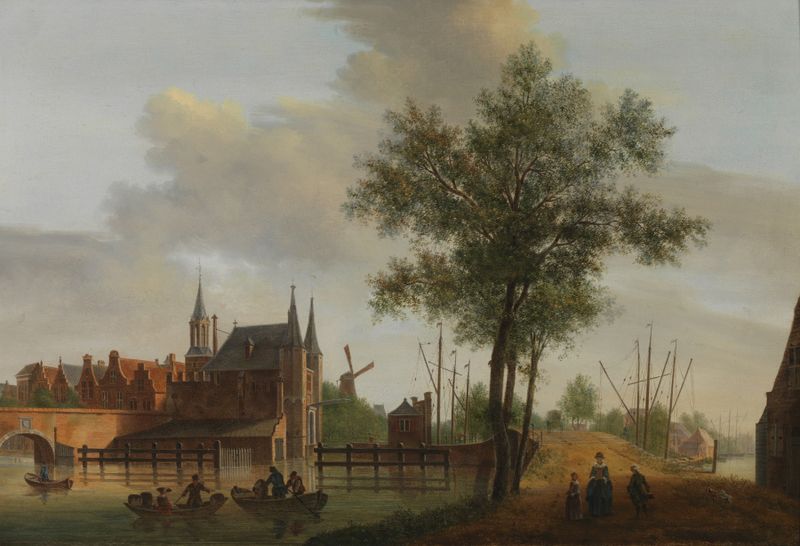
Gezicht op de Potterspoort te Gouda
Paulus van Liender
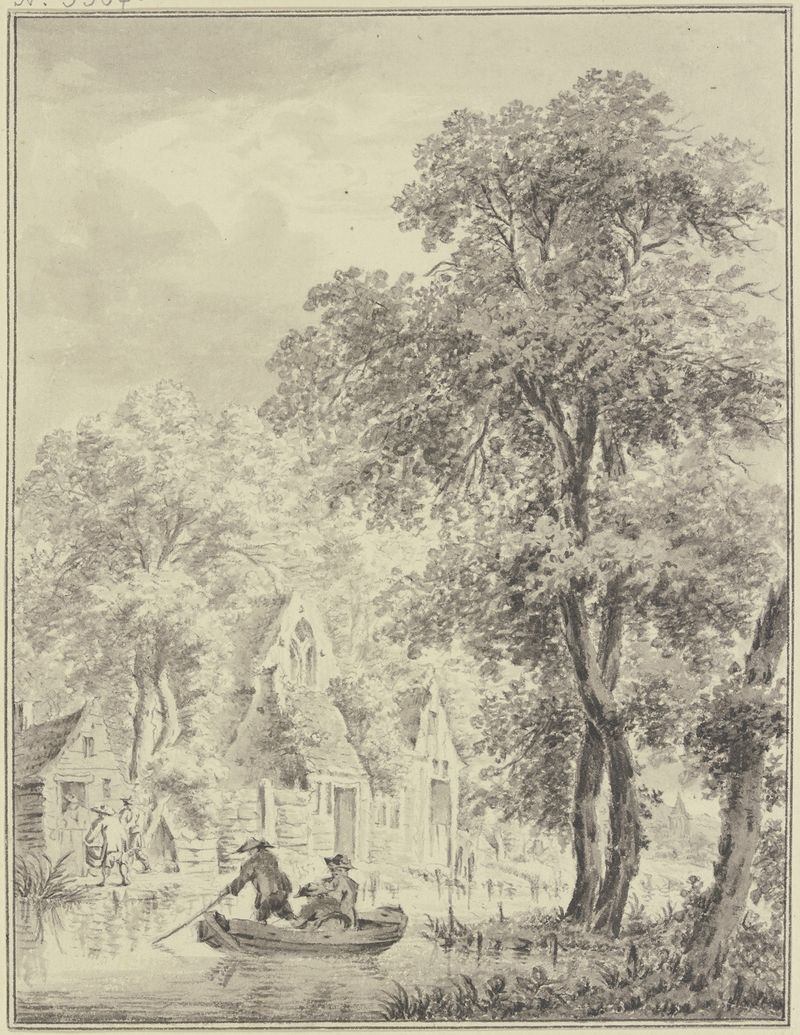
Kanal bei Häusern im Wald, vorne ein Boot mit drei Männern
Paulus van Liender
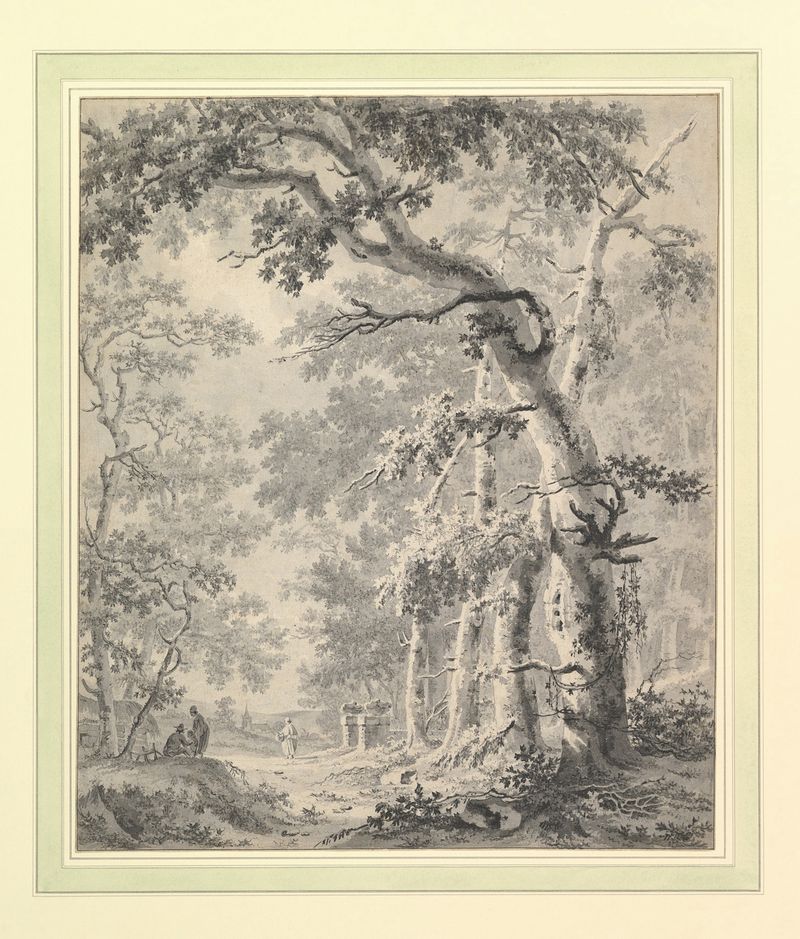
Wooded Landscape
Paulus van Liender
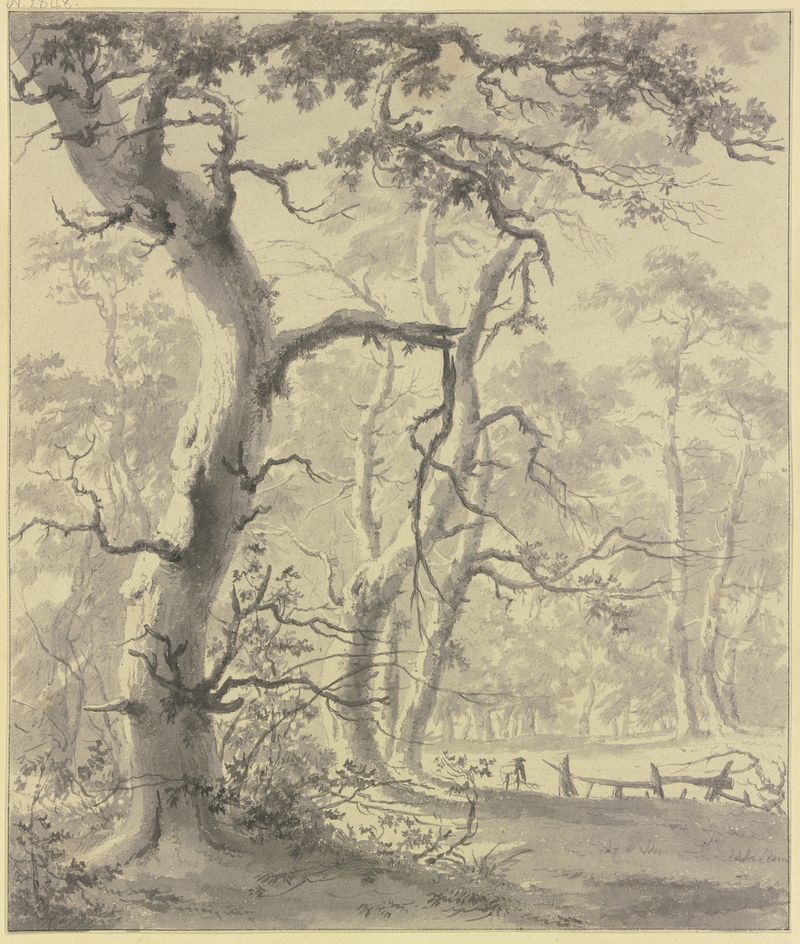
Waldpartie, auf einer Lichtung an einem Zaun liest ein Mann mit Reisig auf
Paulus van Liender
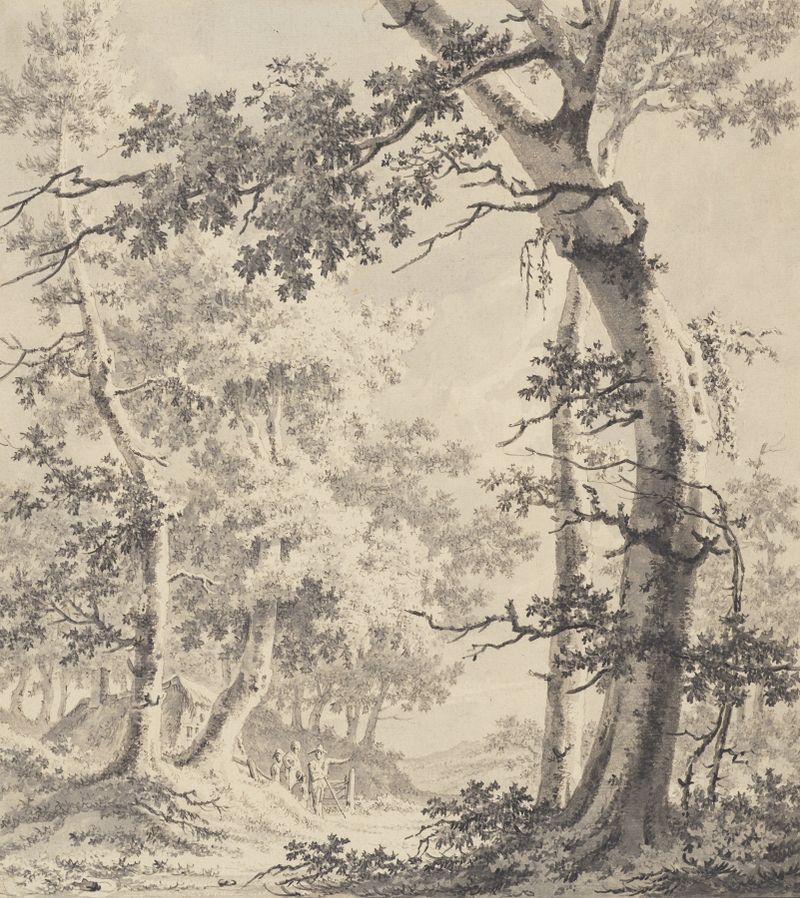
Wooded Landscape
Paulus van Liender

Buyten de Benscoper Poort te Uferflyn
Paulus van Liender
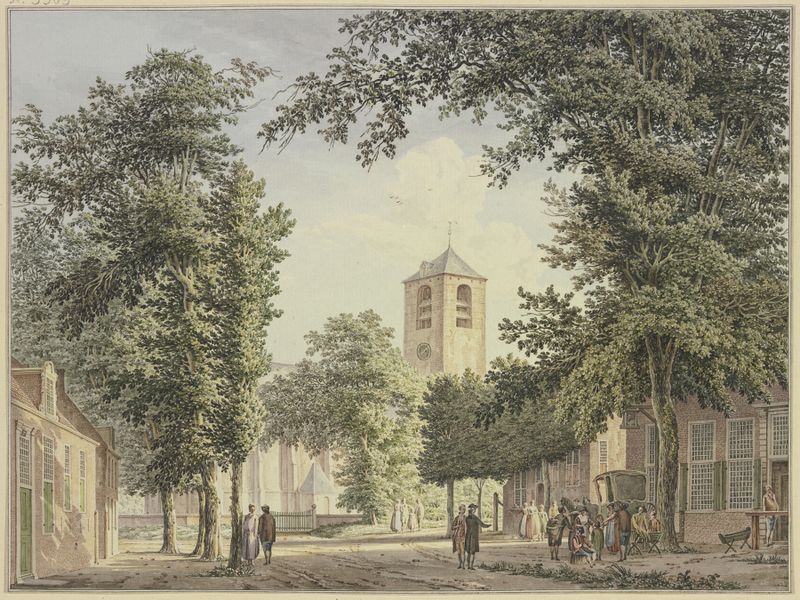
Lis bij Haarlem
Paulus van Liender





