
Red Church Wall in Venice — History & Facts
In Red Church Wall in Venice, the essence of decay is captured, a poignant reminder of beauty enveloped in the passage of time. The work lingers in the space between memory and reality, where the vibrancy of life meets the inevitability of erosion. Look first to the red wall, its textured surface radiating a warmth that contrasts with the cooler, muted colors surrounding it. The play of light dances across the facade, creating shadows that whisper of stories long past.
Notice how Thaulow employs thick brush strokes, adding depth and character, while subtle hints of green moss hint at nature’s gentle reclamation. Each stroke is deliberate, celebrating the harmony of color and form as the scene invites you to contemplate its history. In the interplay between the wall and the canal, a powerful contrast emerges: the permanence of structure against the ephemeral nature of water. The reflections ripple, blurring the line between what is real and what is merely a reflection of time's passage.
This moment captures both the allure and the sorrow of decay, evoking feelings of nostalgia for that which will eventually fade away. Painted in 1894, during a time when Impressionism was reaching its zenith, the artist found himself in Venice, a city steeped in history and beauty. Thaulow, who was influenced by both the Impressionist movement and the picturesque landscapes of his native Norway, sought to embrace the enchanting qualities of light and atmosphere in urban settings. This work reflects his engagement with the ever-changing nature of life, a theme resonant in both art and the world around him.
More Artworks by Frits Thaulow
Browse all →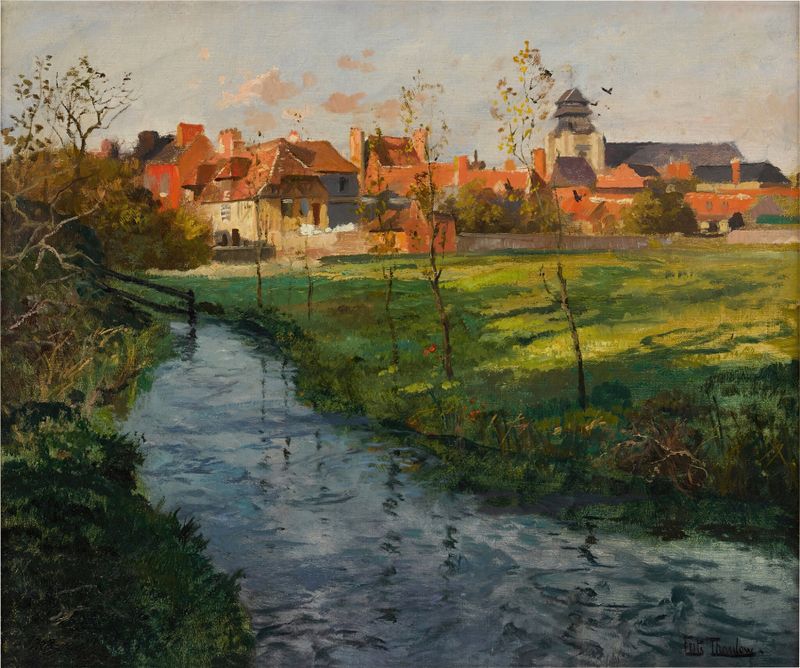
Village by a Stream
Frits Thaulow

Spring Thaw
Frits Thaulow
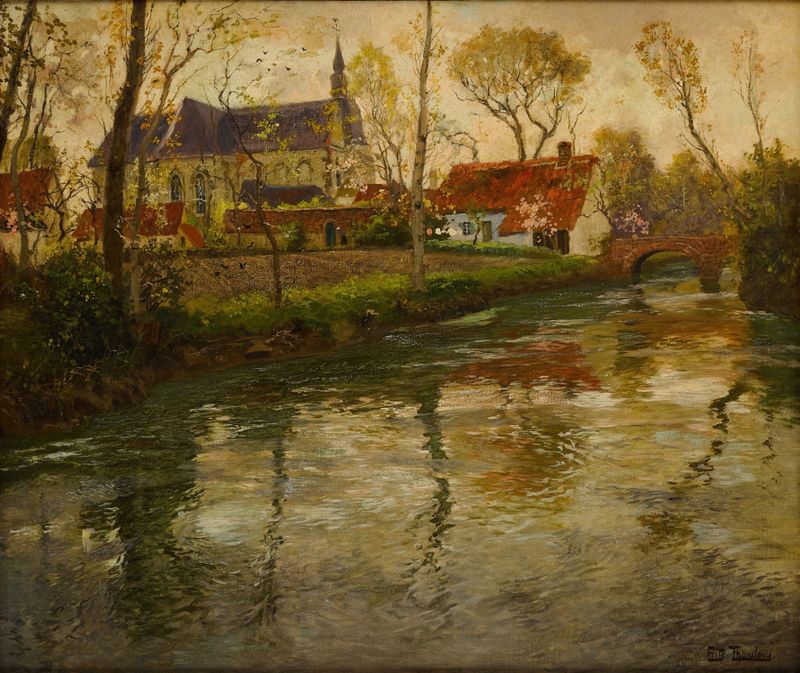
A River Landscape with a Church Beyond
Frits Thaulow

Hameau en bord de rivière
Frits Thaulow
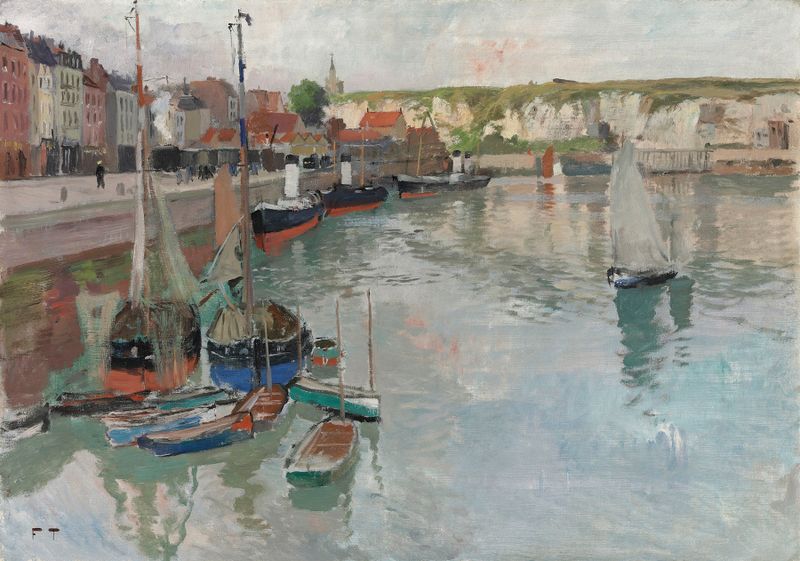
Dieppe
Frits Thaulow
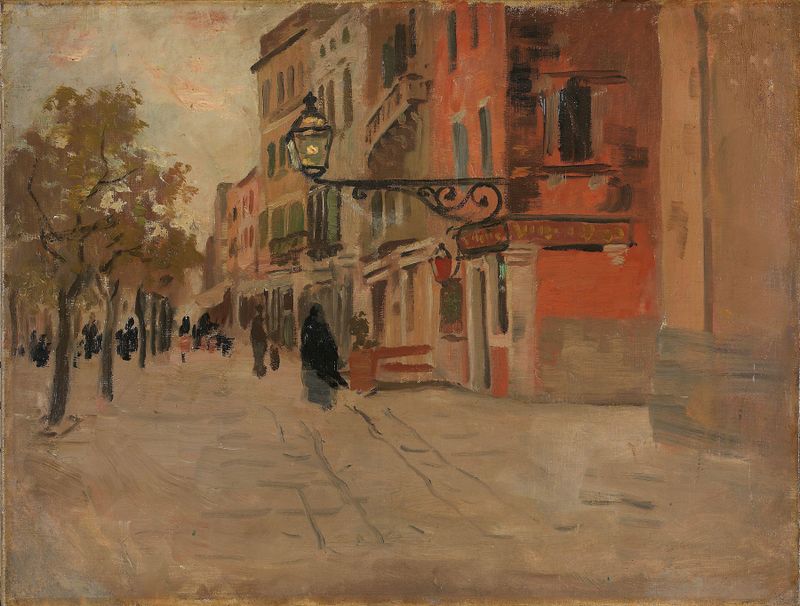
Street in Venice
Frits Thaulow

The Lysaker River In Winter
Frits Thaulow
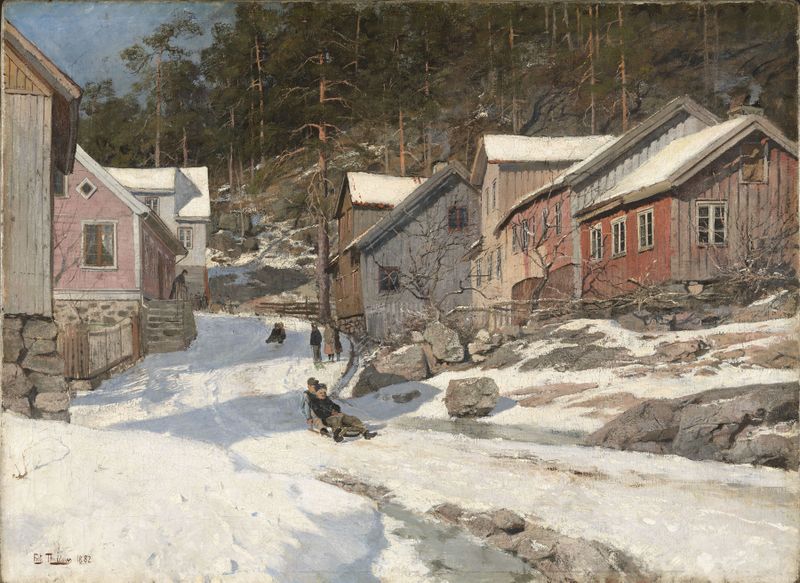
Street in Kragerø
Frits Thaulow
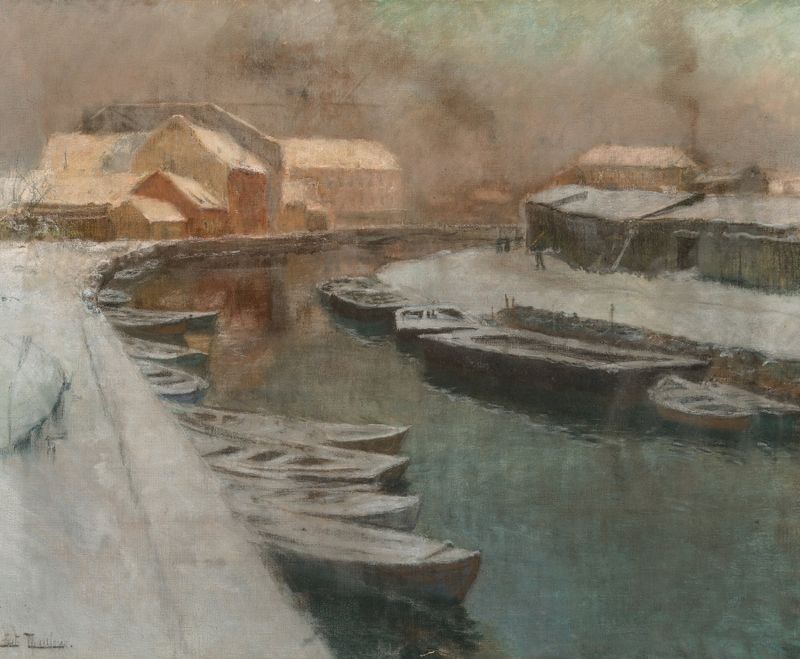
Canal en hiver
Frits Thaulow

Marble Arch, London
Frits Thaulow
More Architecture Art
Browse all →
The statue of Liberty
Frédéric Auguste Bartholdi

View of Houses in Delft, Known as ‘The Little Street’
Johannes Vermeer

View of Houses in Delft, Known as ‘The Little Street’
Johannes Vermeer

The Cathedral in Rouen. The portal, Grey Weather
Claude Monet

The yellow house
Vincent van Gogh

The Church in Auvers-sur-Oise, View from the Chevet
Vincent van Gogh