
Rédemption — History & Facts
In Rédemption, the viewer is greeted by a rich palette of colors, primarily deep reds and golds, which create a dramatic atmosphere. The painting features several figures, including a central female figure who appears to be in a state of contemplation. Surrounding her are various allegorical representations, each contributing to the theme of redemption.
The setting is both ethereal and grounded, suggesting a transition between realms. The painting is executed in oil on canvas, a medium that allows for vibrant colors and detailed textures. The brushwork is fluid, with visible strokes that enhance the emotional quality of the scene. The composition is balanced, directing the viewer's gaze towards the central figure while allowing the surrounding elements to play a supportive role.
The dimensions are approximately 100 x 150 cm, making it a sizable work that commands attention. Julius Leblanc Stewart was an American painter known for his allegorical and historical subjects. Rédemption reflects his interest in themes of morality and redemption, common in Symbolist art. An interesting fact about this work is that it was likely influenced by the artist's exposure to European art during his studies abroad, which shaped his approach to allegorical representation.
Stewart's works often blend classical themes with contemporary techniques, making them unique in the late 19th-century art scene.
More Artworks by Julius Leblanc Stewart

Portrait Of A Man, Presumed To Be Mr. Filleul-Brohy
Julius Leblanc Stewart
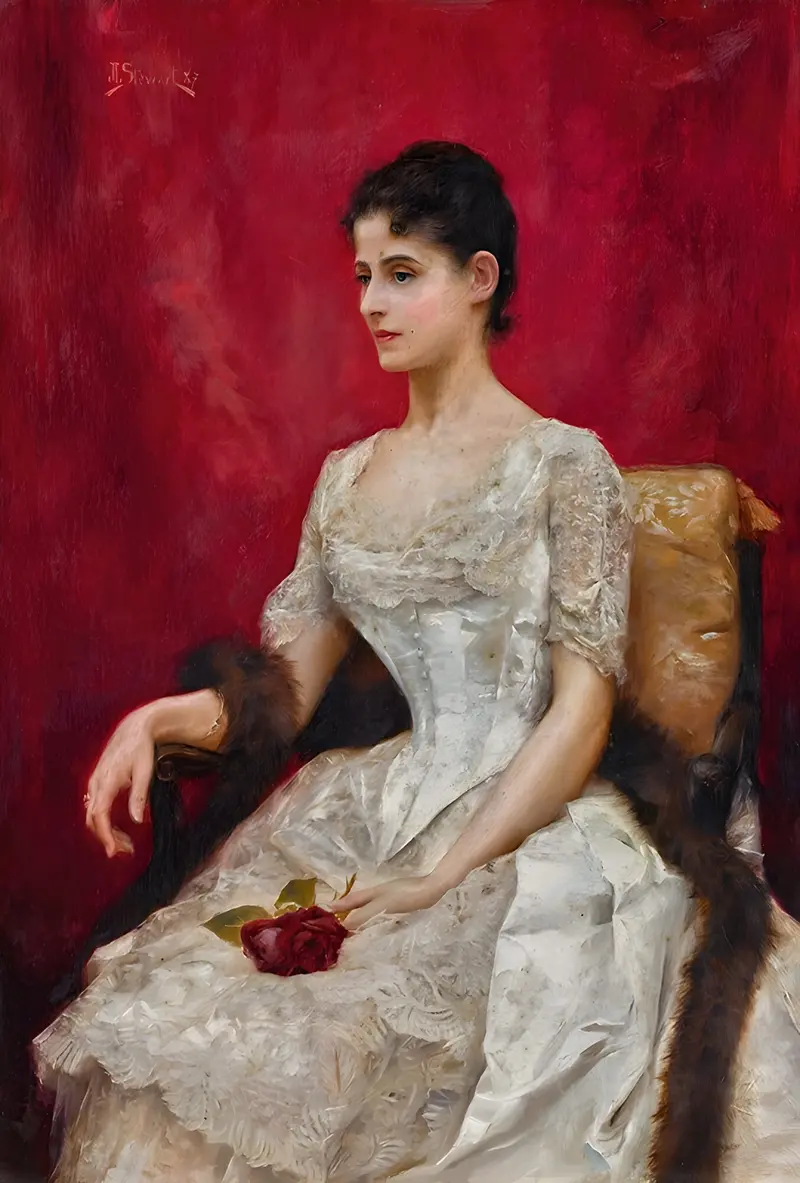
Lady in white
Julius Leblanc Stewart
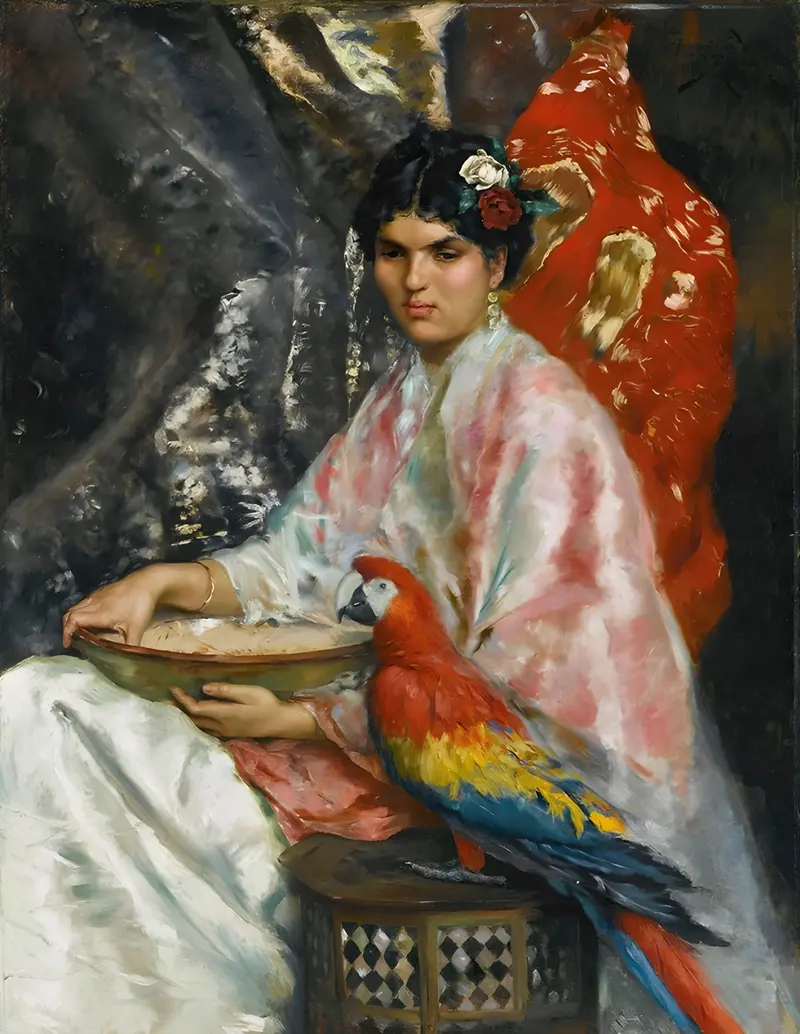
Lady With A Parrot
Julius Leblanc Stewart
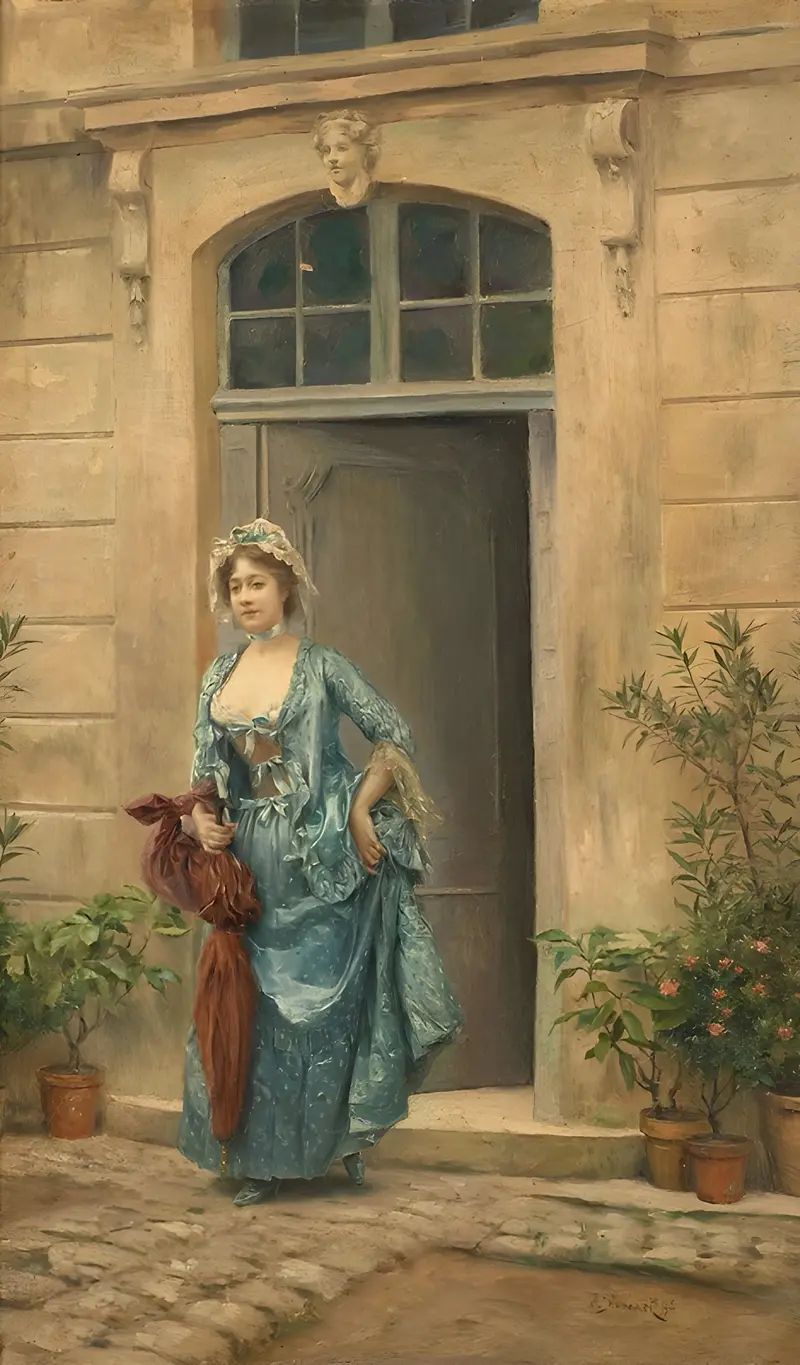
Morning promenade
Julius Leblanc Stewart
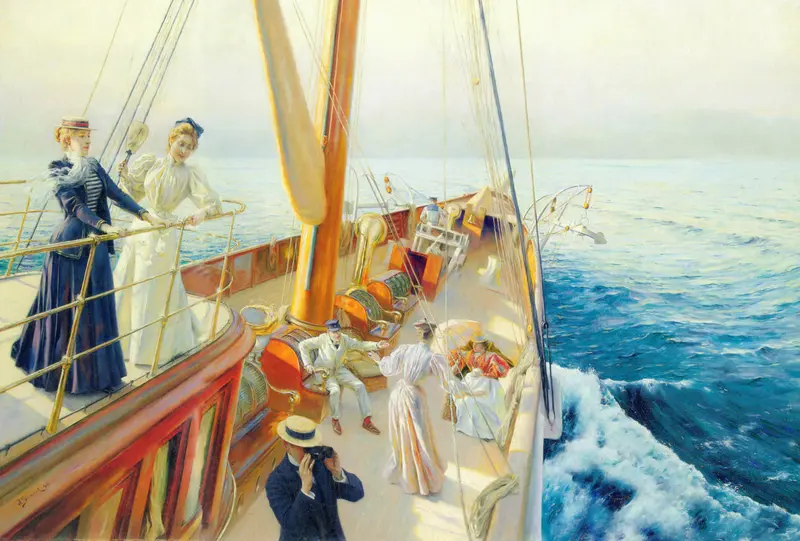
Yachting the Mediterranean
Julius Leblanc Stewart
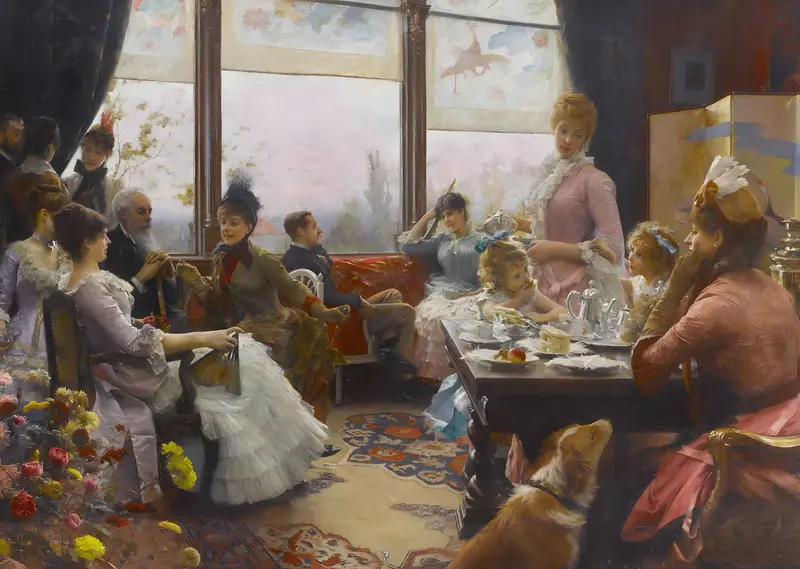
Five o’clock tea
Julius Leblanc Stewart
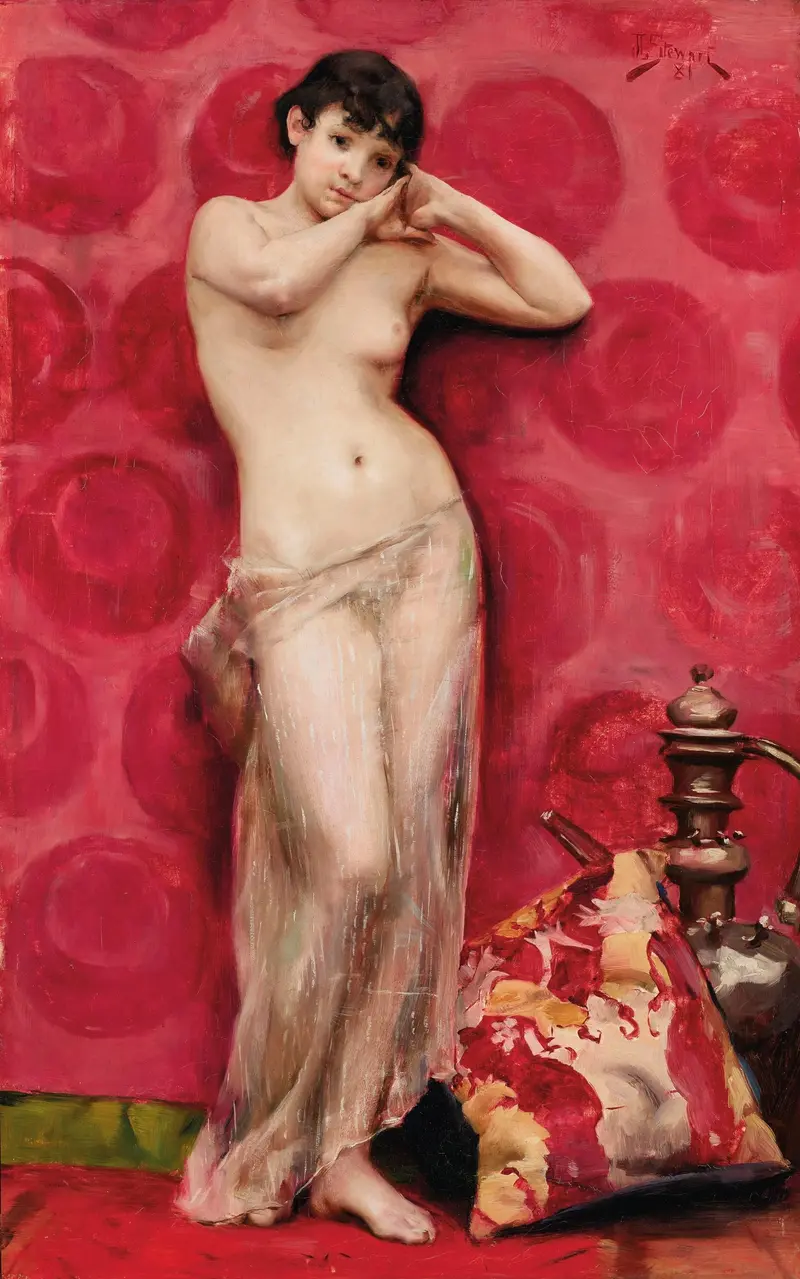
L’esclave
Julius Leblanc Stewart
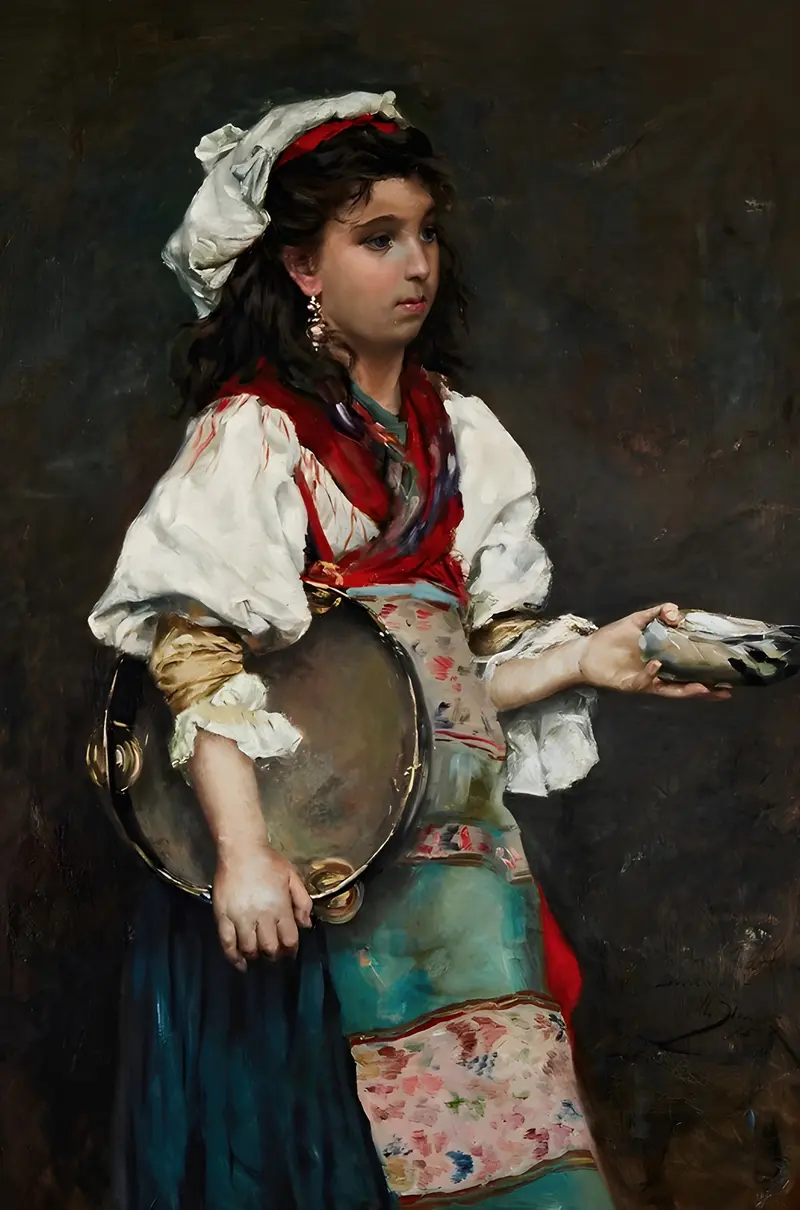
Gypsy Girl (also titled Spanish Girl)
Julius Leblanc Stewart
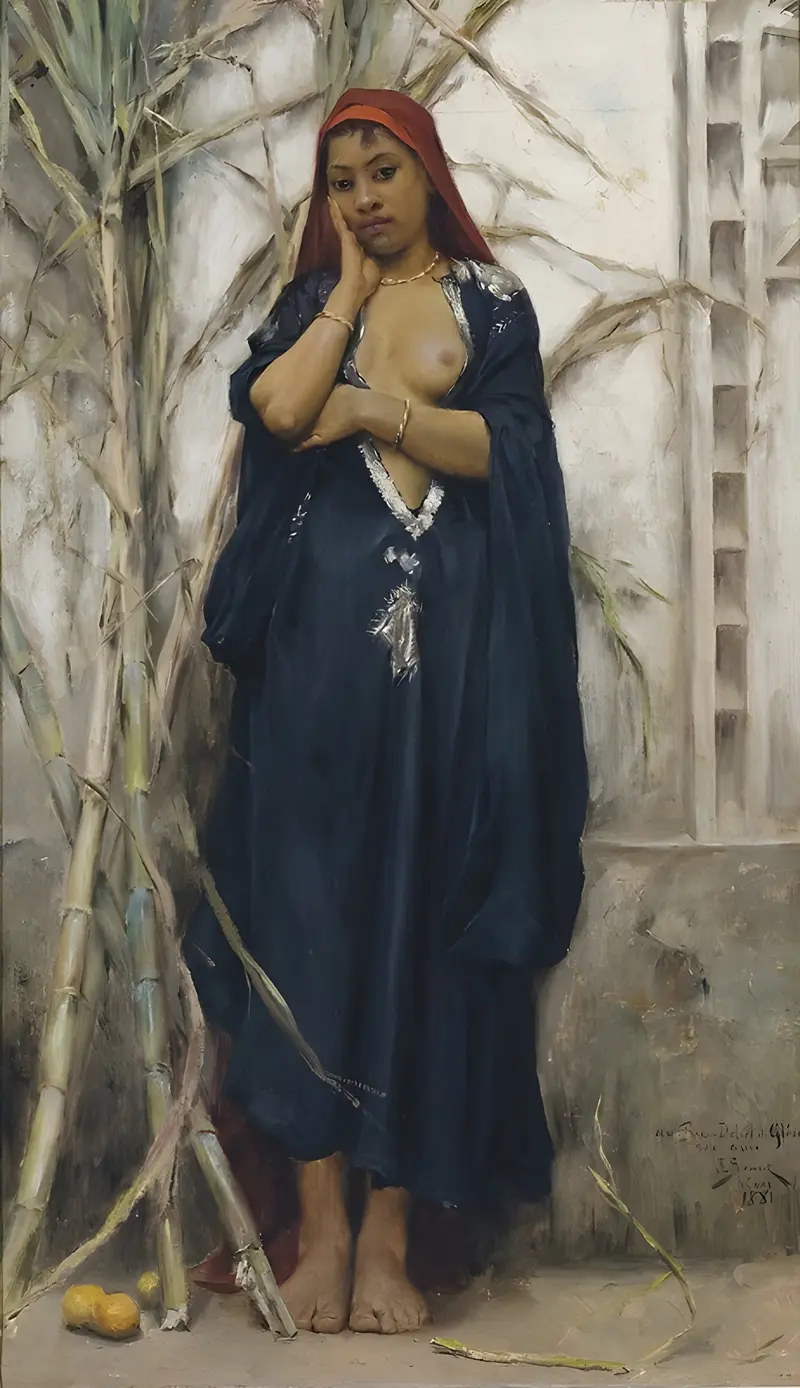
Au Jardin
Julius Leblanc Stewart
Portrait of a Woman Reading
Julius Leblanc Stewart





