
Refectory of the Keizersberg Abbey at Louvain — History & Facts
Can beauty exist without sorrow? In the hushed embrace of a quiet abbey, where time seems to linger and destiny whispers through the arches, we find a poignant reflection on the duality of existence. Look to the right at the gentle interplay of light filtering through stained glass, casting colorful patches upon the smooth stone floor. The meticulous detail of the architecture draws the eye upward, inviting exploration of the intricate patterns that adorn the walls. Delaunois employs a palette of warm earth tones, imbuing the scene with a sense of warmth and tranquility, as though the very spirit of the abbey breathes life into its surroundings. Yet beneath this serene facade lies an underlying tension; the juxtaposition of sacred silence and palpable longing speaks to the heart of human experience.
Notice how the shadows cling to the edges, hinting at the stories left untold — the lives shaped by faith and duty, the destinies forged in solitude. Each brushstroke captures a fragment of life, suggesting that within beauty resides the specter of unfulfilled dreams. Alfred Delaunois painted this piece in the early 20th century, during a period when he sought to express a personal vision of spirituality through art. Living in Belgium, Delaunois was influenced by the regional revival of interest in medieval architecture, while also grappling with the changing tides of modernity.
His work reflects not only the rich history of the abbey but also a deeper contemplation on the nature of existence amid the evolving landscape of contemporary art.
More Artworks by Alfred Delaunois
Browse all →
View of a Premonstratensian Monastery
Alfred Delaunois
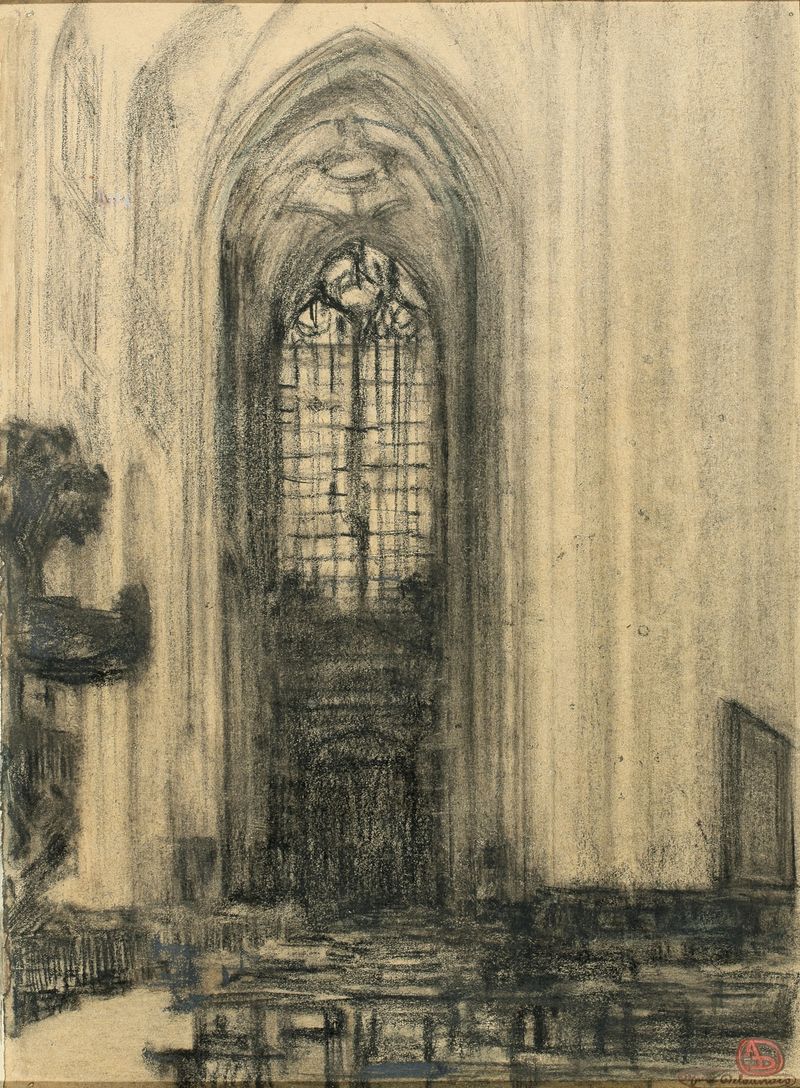
Interior of Saint-Peter’s Church in Louvain
Alfred Delaunois
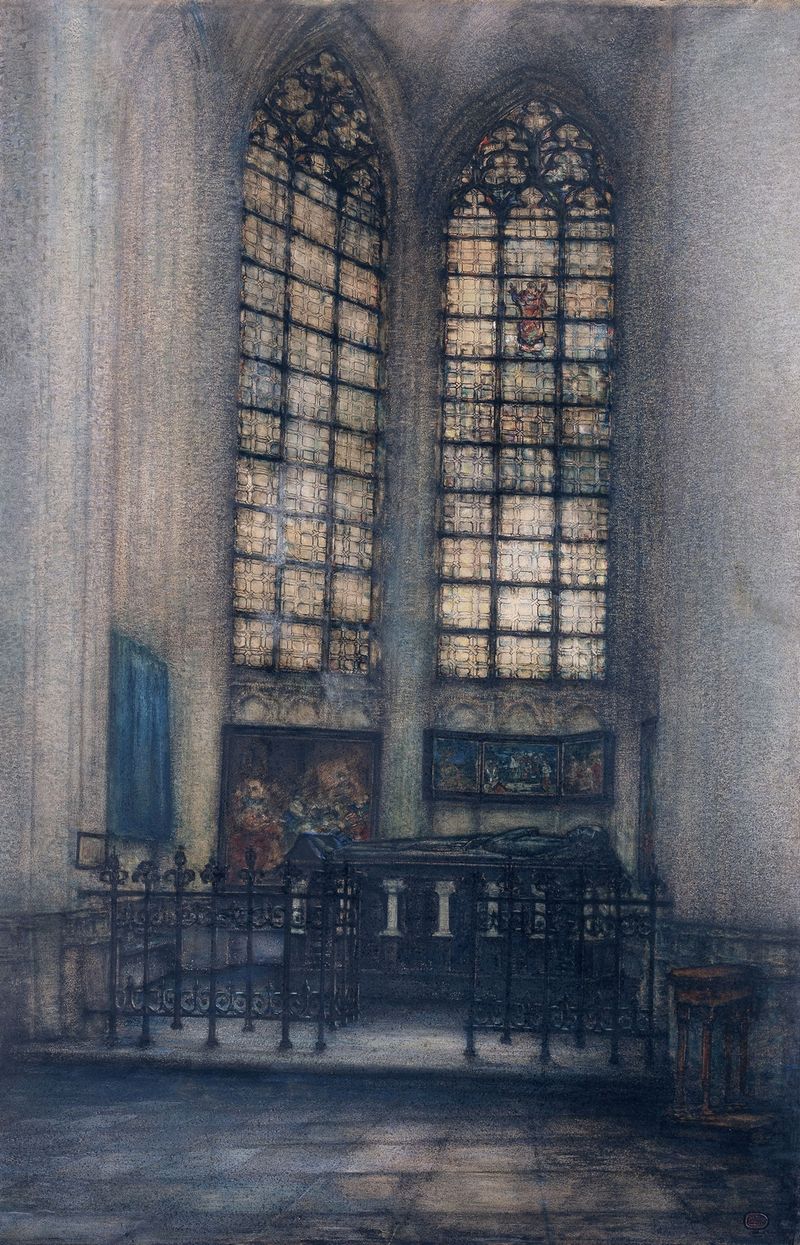
The Tomb of Henry I, the Count of Brabant, in Saint Peter’s Church in Leuven
Alfred Delaunois
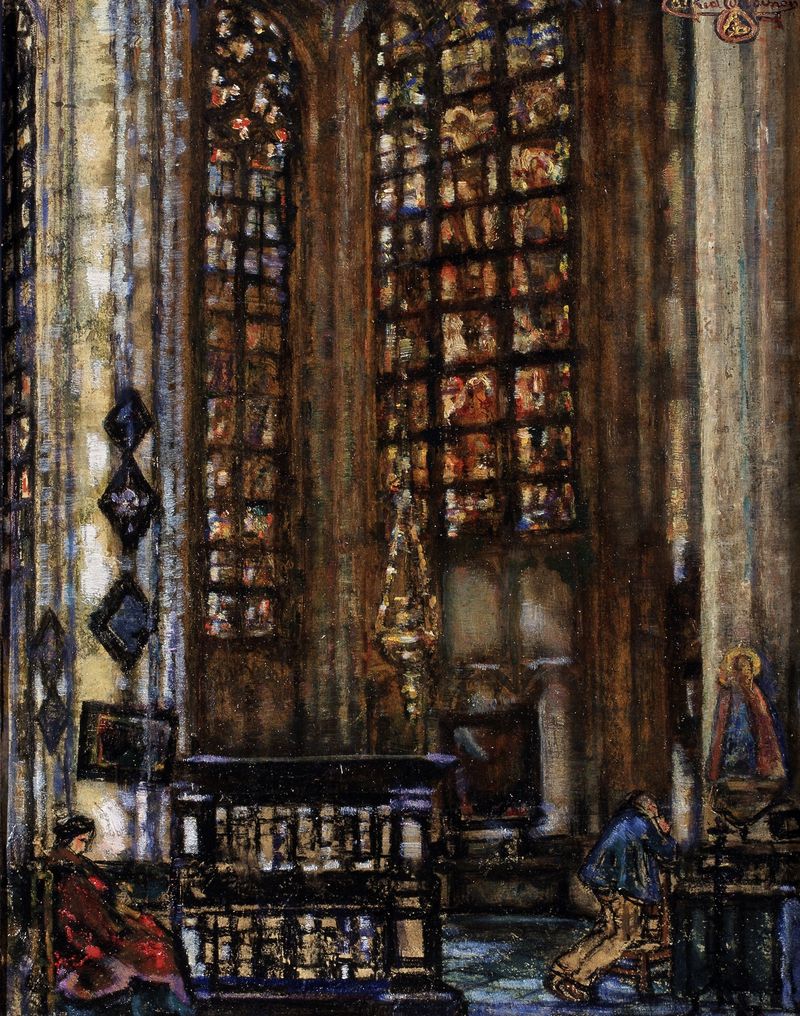
Interior of Saint Anne’s Chapel at Saint Peter’s Church in Louvain
Alfred Delaunois
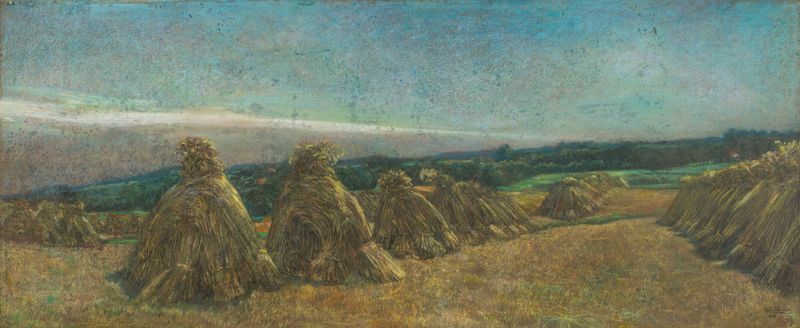
Landscape with Sheaves
Alfred Delaunois
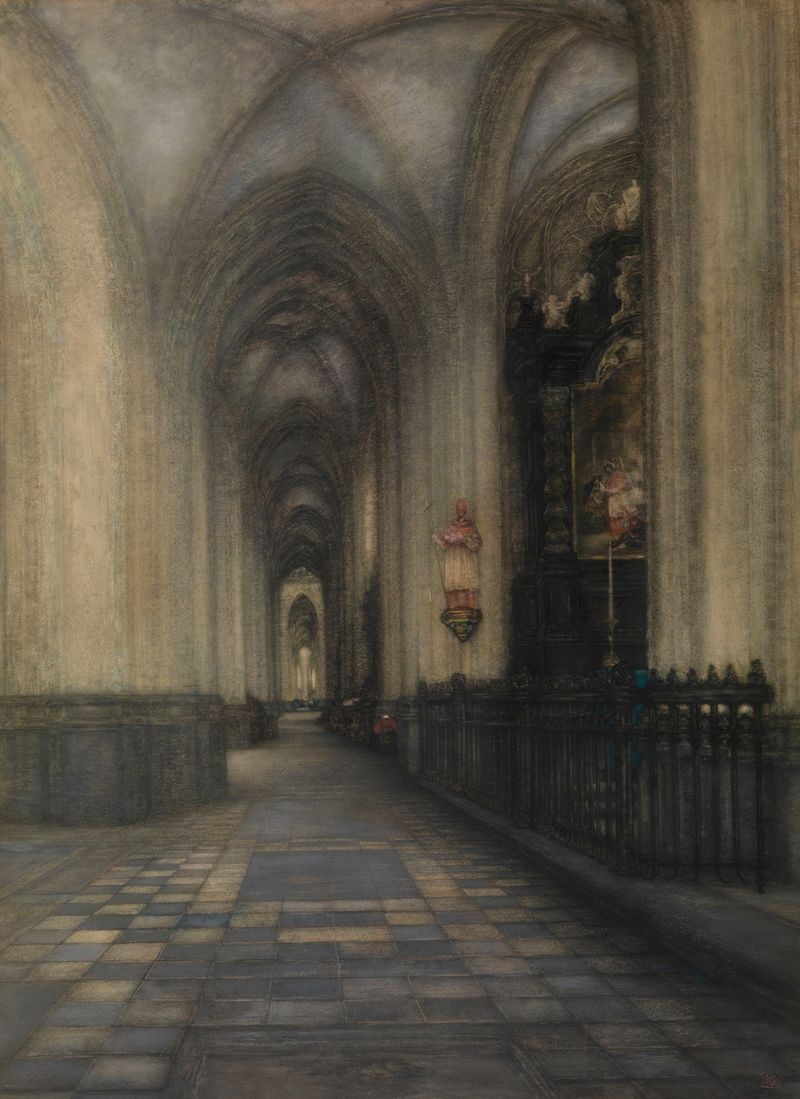
The St. Bartholomew’s Nave in the St. Peter’s Church in Leuven
Alfred Delaunois
More Architecture Art
Browse all →
The statue of Liberty
Frédéric Auguste Bartholdi

View of Houses in Delft, Known as ‘The Little Street’
Johannes Vermeer

View of Houses in Delft, Known as ‘The Little Street’
Johannes Vermeer

The Cathedral in Rouen. The portal, Grey Weather
Claude Monet

The yellow house
Vincent van Gogh

The Church in Auvers-sur-Oise, View from the Chevet
Vincent van Gogh