
Regents and Regentesses of the Lepers' Asylum, Amsterdam, 1834-35 — History & Facts
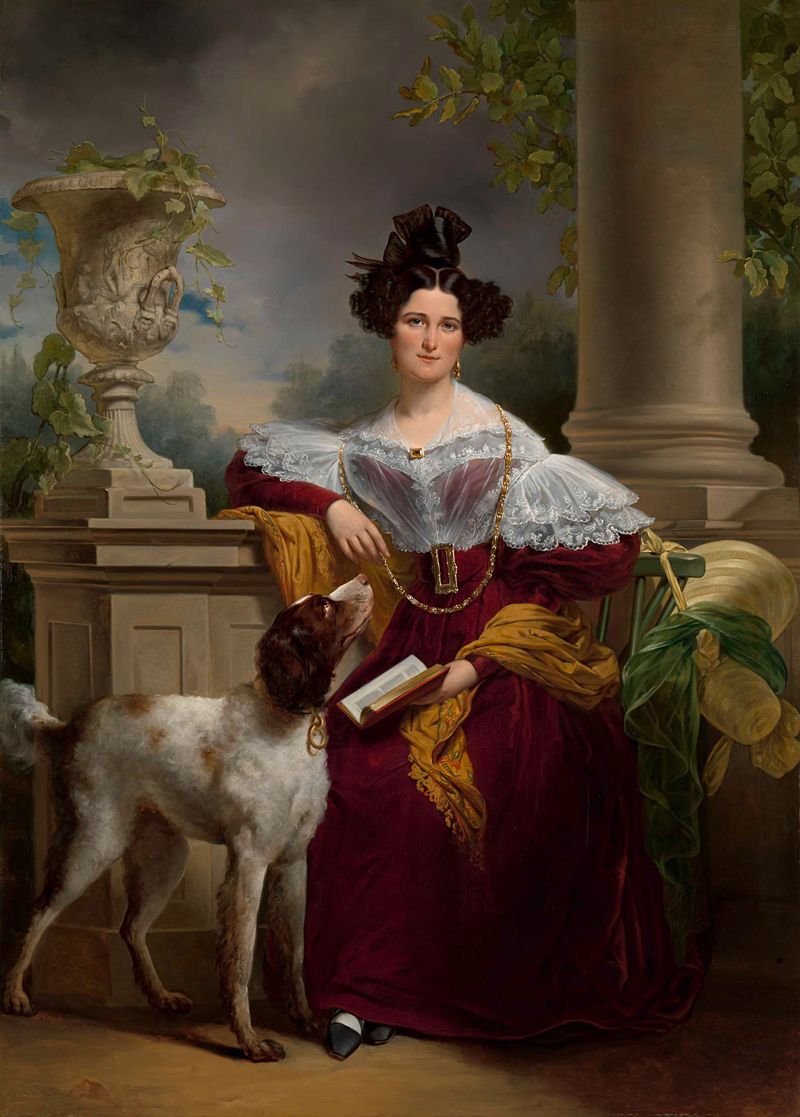
In the stillness of a moment captured on canvas, a profound sense of destiny unfolds. What do we owe to those we deem unworthy? Such questions echo through the ages, inviting a deeper contemplation of empathy and humanity. Look to the center of the composition where the figures of the regents and regentesses stand solemnly, their expressions a blend of authority and compassion. The rich palette of deep browns and muted golds enhances the gravity of their responsibilities, while the soft light illuminating their faces suggests a divine obligation.
Notice how the meticulous details of their attire reflect both status and the prevailing fashion of the time, yet seem to weigh heavily on their shoulders, as if each garment is a reminder of their commitment to care for those shunned by society. Delving deeper, one can sense the tension between duty and detachment in their demeanor. The director’s gaze, focused on a ledger, reveals a heavy burden of choice and consequence, while others cast uncertain looks toward the viewer, as if seeking validation for their actions. This duality of their existence speaks volumes: the compassionate facade juxtaposed with the emotional distance that often accompanies societal roles.
It begs the question — are they the saviors, or merely the gatekeepers of compassion? In creating this work during the years 1834 to 1835, the artist found himself in a period marked by growing awareness of social issues, particularly concerning the marginalized. Living in Amsterdam, Kruseman was influenced by the romanticism of the age, which prompted a shift towards depicting more poignant narratives. The choice to portray the regents and their responsibility towards the Lepers' Asylum invites reflection on both individual duty and collective destiny, emphasizing the continued relevance of such themes in art and society.
More Artworks by Jan Adam Kruseman
Browse all →


More Historical Art
Browse all →
The Night Watch Militia Company of District II under the Command of Captain Frans Banninck Cocq
Rembrandt van Rijn

Lincoln Memorial
Henry Bacon

The Third of May 1808
Francisco de Goya

Isaac and Rebecca, Known as ‘The Jewish Bride’
Rembrandt van Rijn

The Charge of the Mamelukes (1814)
Francisco de Goya

De vier ruiters van de apocalyps
Albrecht Dürer