
Rheinfels Looking to Katz and Gourhausen — History & Facts
In the quietude of a painter's canvas, landscapes transcend mere geography to become portals into the emotional depths of existence. Look closely at the swirling clouds that dominate the upper part of the composition; their tumultuous forms capture a fleeting moment of nature’s ferocity. The gentle hues of the Rhine below contrast with the dramatic sky, where shades of blue and gray churn together. Notice how the light spills through gaps in the clouds, illuminating the distant hills of Katz and Gourhausen, inviting the viewer's eye to wander through the landscape's various layers.
The interplay of color and texture reveals not just the scene before us, but also the artist's fervor for atmospheric effects. In this work, the juxtaposition of the calm river against the stormy sky underscores a profound emotional tension. The luminous reflection on the water hints at a fleeting moment of peace, while the dark, chaotic clouds suggest a lurking sense of turmoil. This contrast speaks to the duality of nature and human experience, evoking a feeling of both awe and unease.
Here, the artist invites contemplation on the fragility of serenity amid the relentless forces of time and nature. Created in 1817 during a period when Romanticism was flourishing, Turner was deeply influenced by the sublime qualities of nature. He painted this piece while in Germany, amidst political upheaval and a growing interest in capturing emotional depth through landscape. It reflects not only his personal exploration of the natural world but also a broader artistic movement that sought to capture the essence of human experience against the backdrop of dramatic landscapes.
More Artworks by Joseph Mallord William Turner
Browse all →
Dort or Dordrecht- The Dort Packet-Boat from Rotterdam Becalmed
Joseph Mallord William Turner
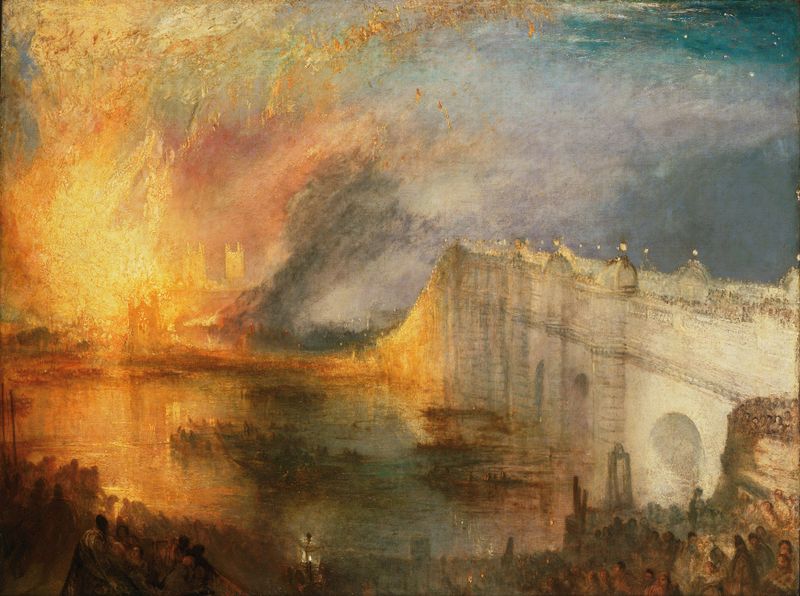
The Burning of the Houses of Lords and Commons, October 16, 1834
Joseph Mallord William Turner
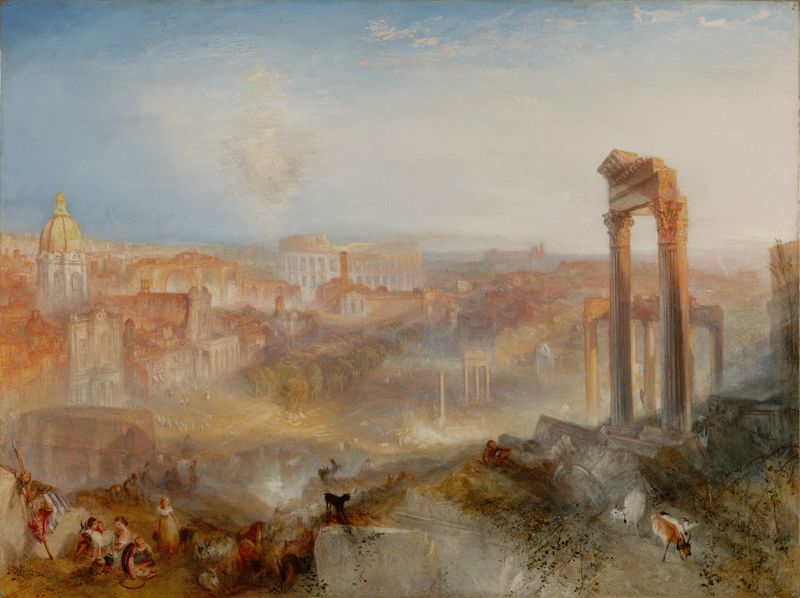
Modern Rome – Campo Vaccino
Joseph Mallord William Turner
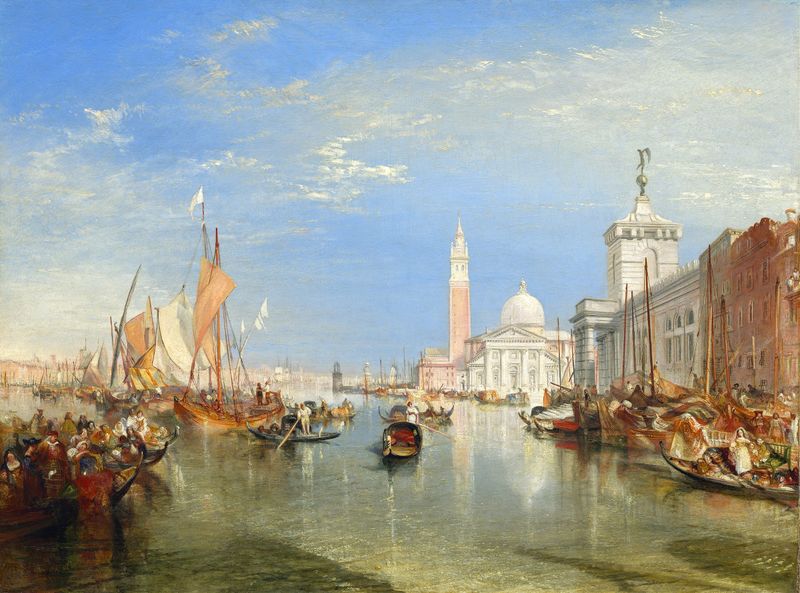
Venice – The Dogana and San Giorgio Maggiore
Joseph Mallord William Turner

The Burning of the Houses of Lords and Commons, 16 October 1834
Joseph Mallord William Turner
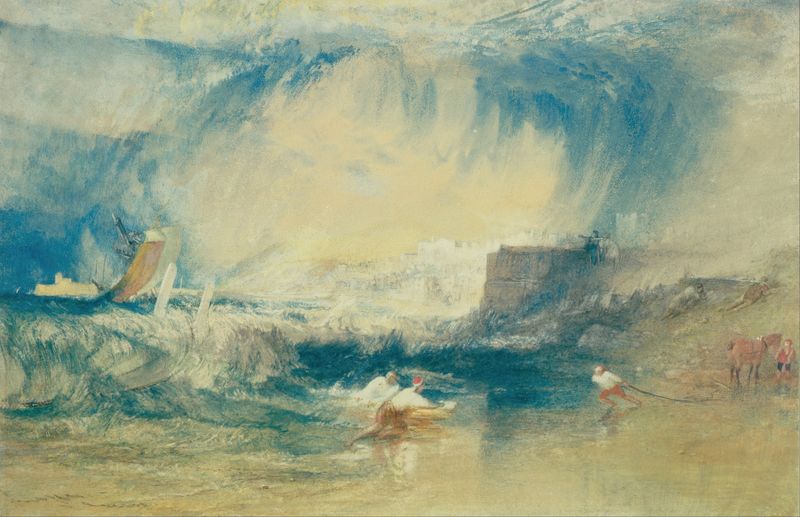
Lyme Regis, Dorsetshire, England
Joseph Mallord William Turner
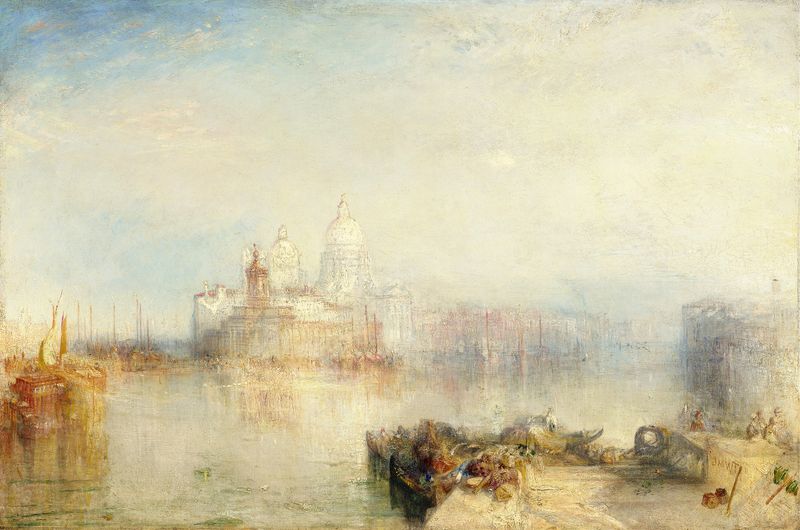
The Dogana and Santa Maria della Salute, Venice
Joseph Mallord William Turner
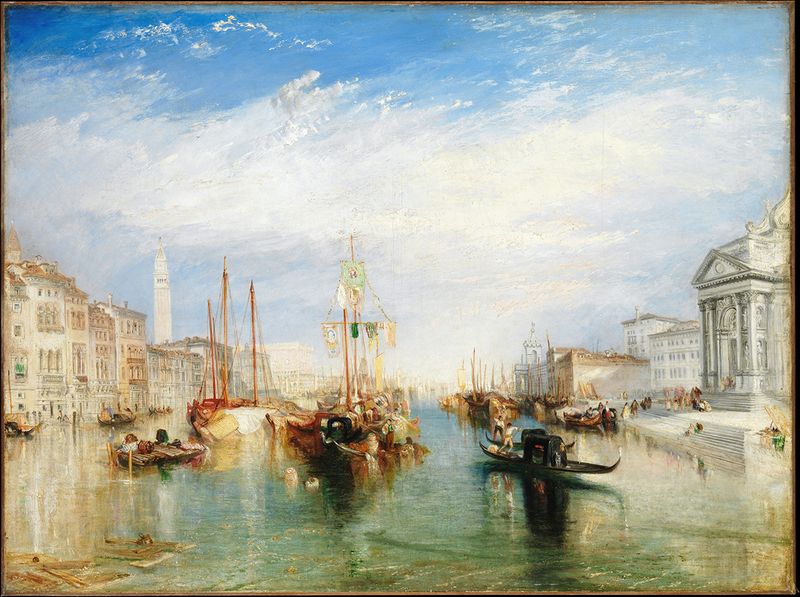
Venice, from the Porch of Madonna della Salute
Joseph Mallord William Turner
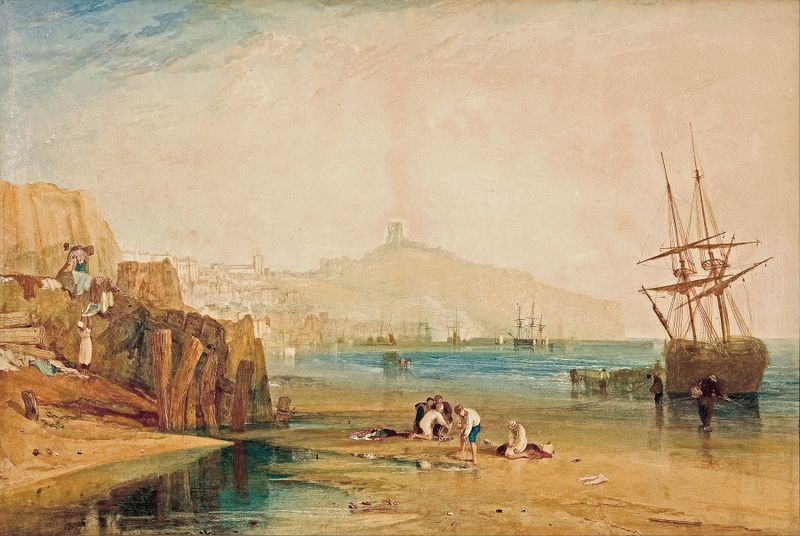
Scarborough town and castle; morning; boys catching crabs
Joseph Mallord William Turner
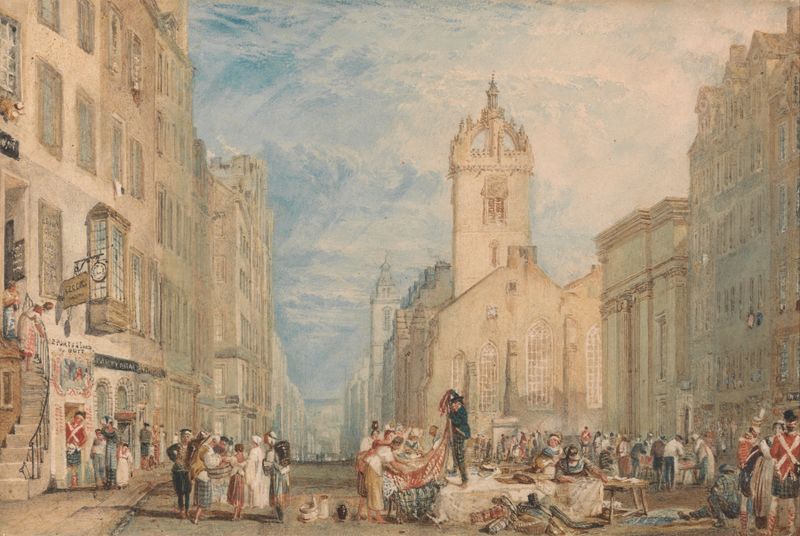
High Street, Edinburgh
Joseph Mallord William Turner





