Discover insights about this artwork
Rhinocerus (Das Rhinozeros) — History & Facts
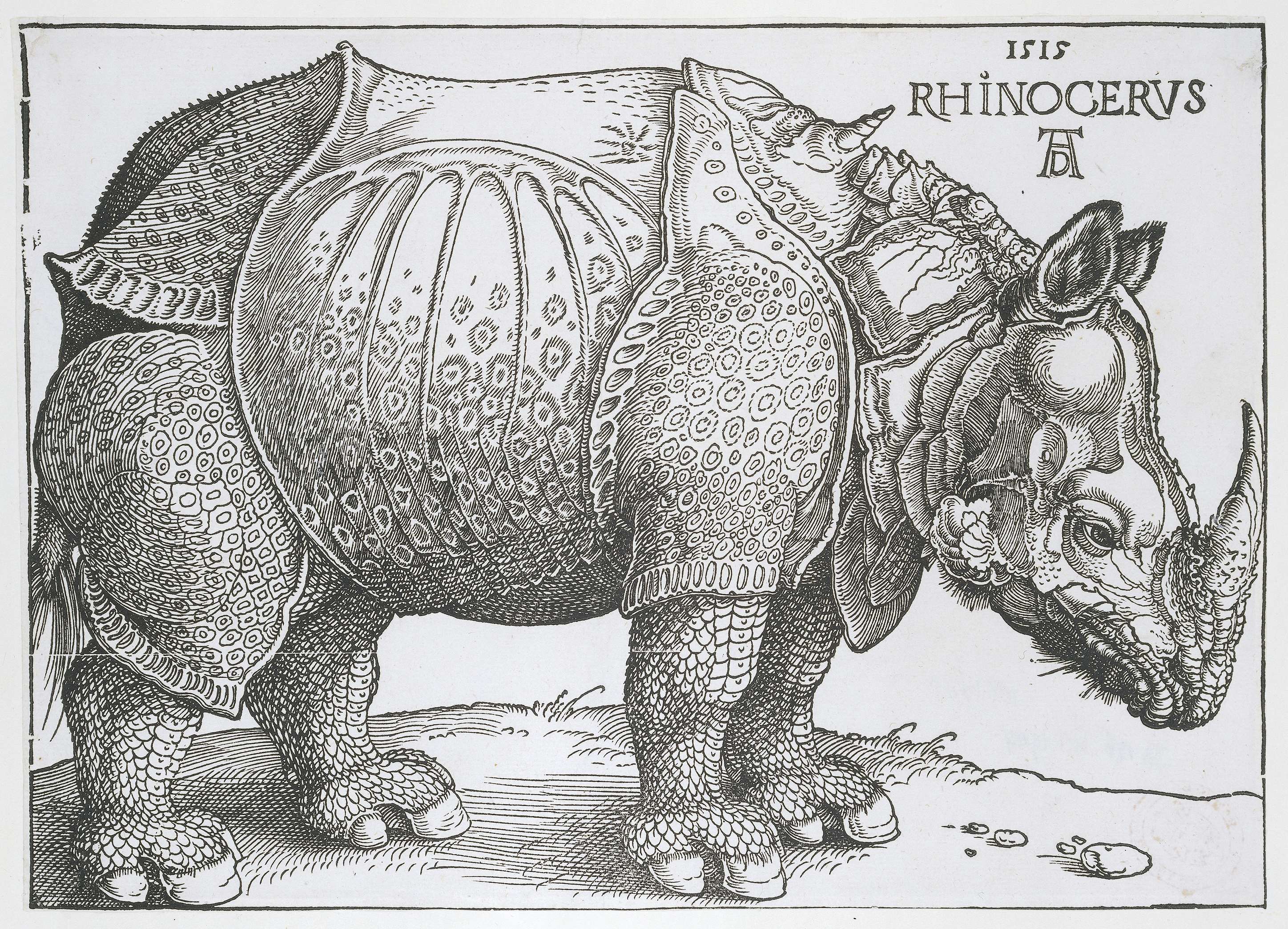
In Rhinocerus (Das Rhinozeros), Albrecht Dürer presents a rhinoceros in a striking pose. The animal is depicted with a textured skin that showcases its rough exterior. The background is minimal, focusing the viewer's attention on the rhinoceros itself.
Dürer's use of line and shading adds depth and realism to the creature's form. This artwork is an engraving, a technique that allows for fine detail and precision. Dürer's meticulous approach is evident in the intricate lines that define the rhinoceros's features. The dimensions of the piece are approximately 24 x 34 cm, making it a relatively small but impactful work.
The engraving was created around 1515, reflecting the Northern Renaissance style. Albrecht Dürer was a key figure in the Northern Renaissance, known for his detailed engravings and paintings. Rhinocerus was inspired by a real rhinoceros that was sent to Europe from India, which Dürer had never seen in person. This work helped to popularize the image of the rhinoceros in Europe and showcases Dürer's ability to blend observation with artistic interpretation.
Interestingly, this engraving is one of the earliest depictions of a rhinoceros in Western art.
More Artworks by Albrecht Dürer
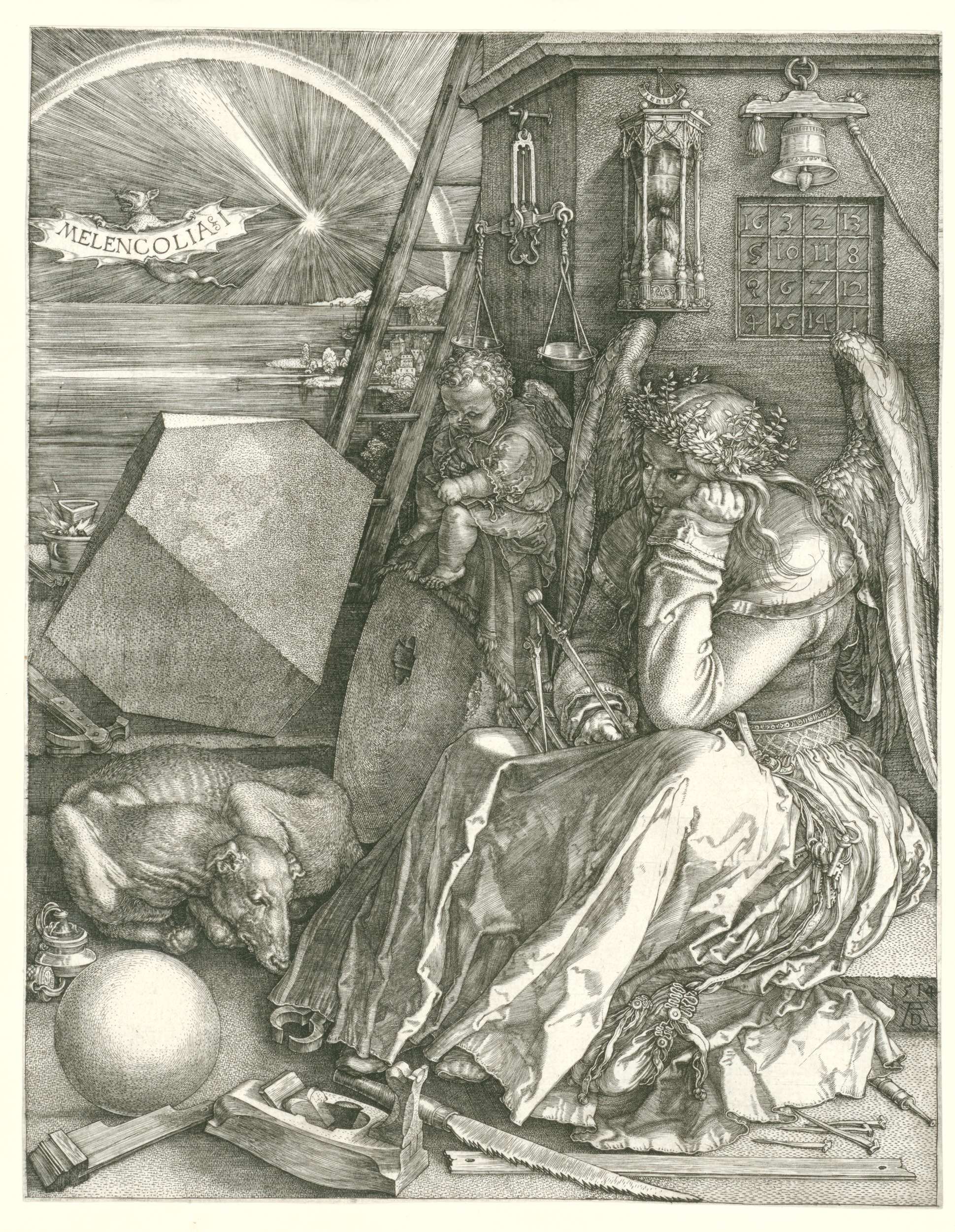
Melancholia
Albrecht Dürer

St. George and the dragon.
Albrecht Dürer

Adam and Eve (The Fall of Man)
Albrecht Dürer
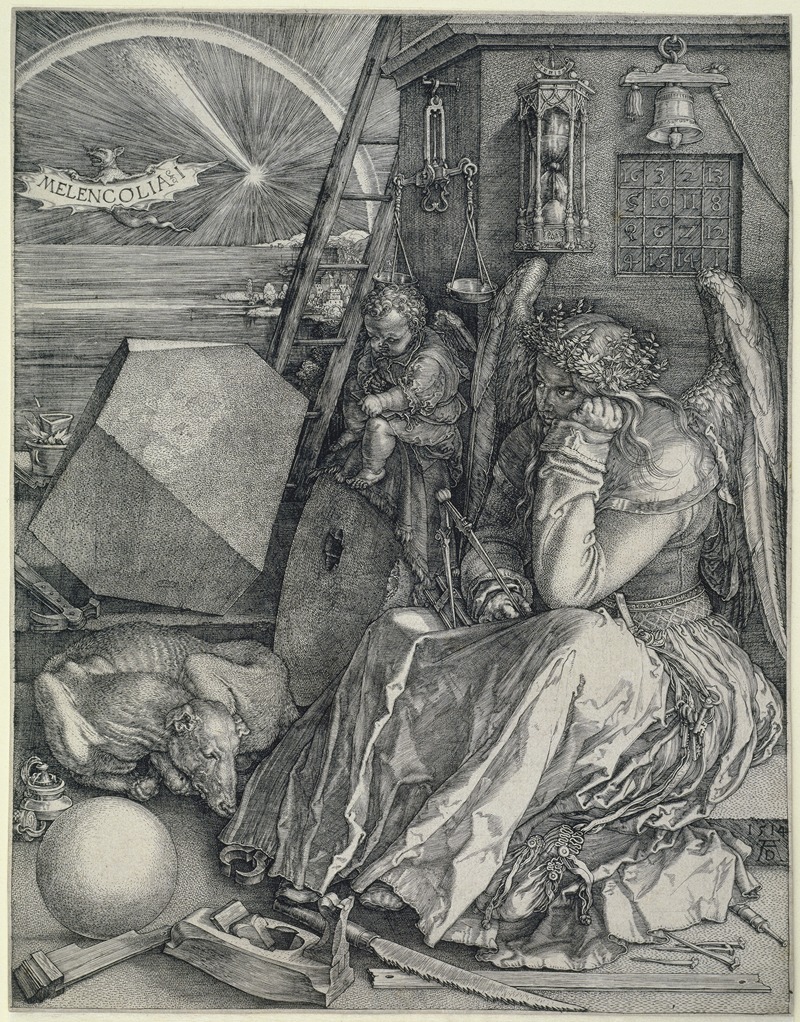
Melencolia I (The Melancholy)
Albrecht Dürer
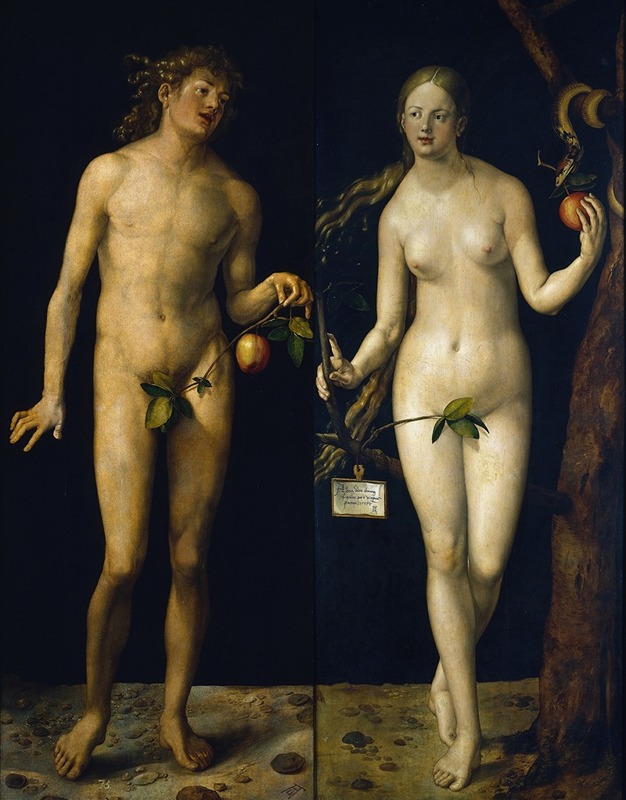
Adam And Eve
Albrecht Dürer
Salvator Mundi
Albrecht Dürer
Self-portrait
Albrecht Dürer
The Adoration of the Magi
Albrecht Dürer
The Dead Christ
Albrecht Dürer
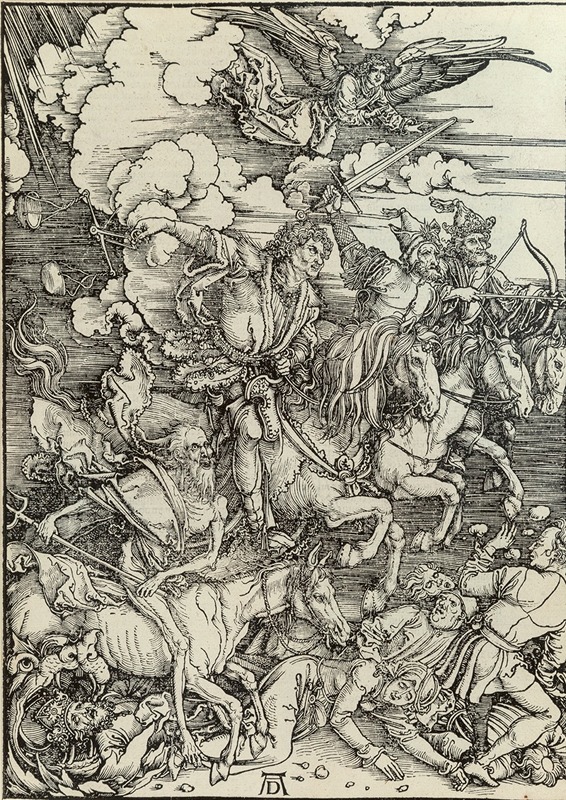
The Four Horsemen of the Apocalypse, from The Apocalypse
Albrecht Dürer