Rising Tide — History & Facts
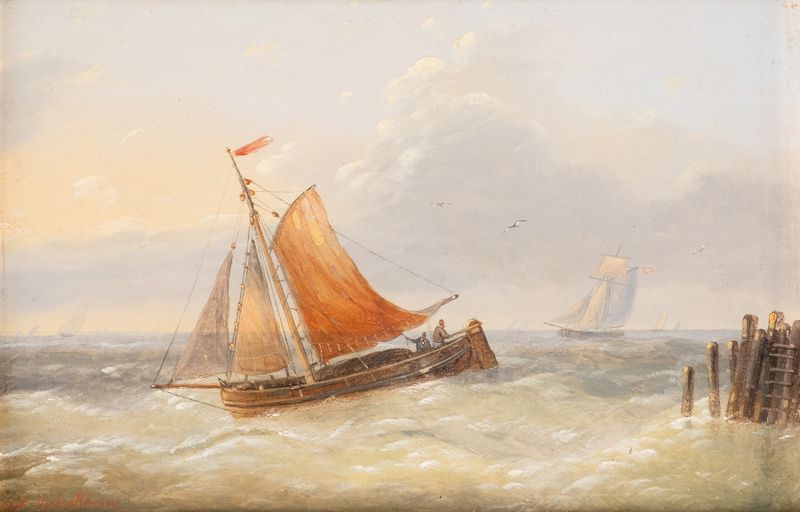
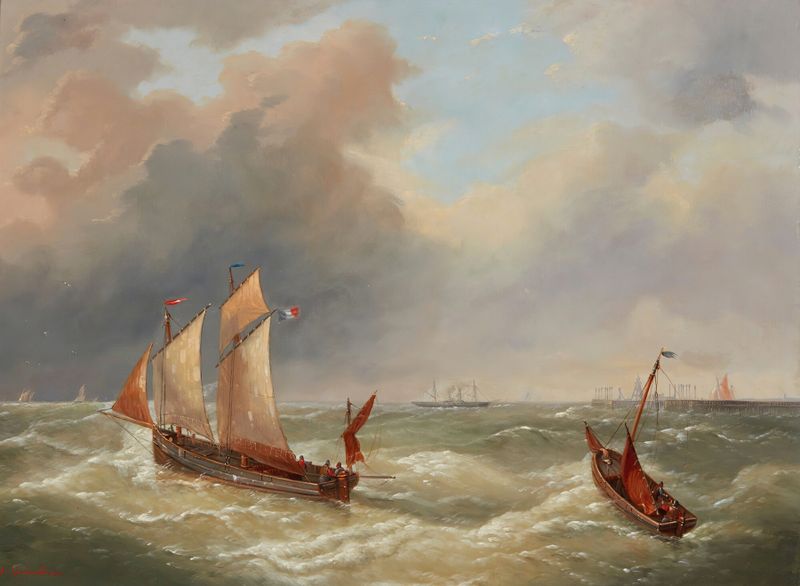
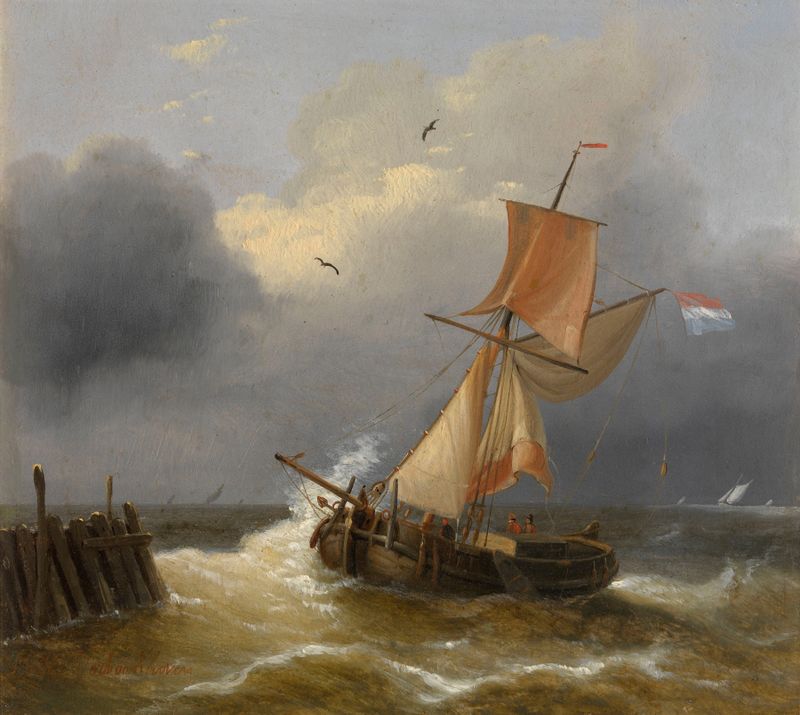
Can beauty exist without sorrow? In the world of art, this question resonates deeply, echoing through the waves of time and emotion. Focus your gaze on the fluidity of the water, where delicate strokes conjure the rising tide. The hues of blue and gray swirl together, capturing the duality of tranquility and impending chaos. Notice how the light dances on the surface, illuminating the crests of the waves while casting shadows in the depths.
Each brushstroke is deliberate, as if Verboeckhoven sought to balance the serenity of the moment with the tension of nature’s unpredictable power. Within this composition lies a poignant narrative. The turbulent water suggests a convergence of hope and despair, a dreamlike state where the ebb and flow of life play out. The horizon, though obscured, hints at an unseen destination, evoking feelings of longing and uncertainty.
The interplay between light and shadow not only emphasizes the physical beauty of the rising tide but also reflects the emotional undertones of human experience—where moments of joy are often intertwined with the possibility of loss. In 1839, Verboeckhoven was immersed in the Romantic movement, painting in Belgium during a period marked by a fascination with nature and its sublime qualities. This era saw artists exploring themes of emotion and the sublime, seeking to capture the essence of fleeting moments. As he stood before the canvas, nature’s grandeur likely inspired him, allowing his brush to weave a dream of the rising tide, an echo of both beauty and sorrow.