
Riverside Scene (Old Mill) — History & Facts
In the quiet pause between brushstroke and viewer, a weight hangs in the air, echoing the beauty of time's passage. Each glance reveals layers of melancholy, as nature and memory intertwine in a hauntingly serene dialogue. Look to the left at the gentle curve of the river, where soft ripples dance under the fading light. Notice how the muted palette of greens and browns envelopes the scene, instilling a sense of nostalgia.
The weathered mill stands resolute against the lush backdrop, its structure reflecting age and endurance, while touches of warm sunlight create a delicate interplay of shadows that breathe life into the composition. Hidden within this tranquil setting lies a profound sense of longing. The stillness of the water juxtaposes the vitality of the surrounding flora, creating an emotional tension between life and decay. Each worn stone of the mill tells a story of bygone days, evoking a sense of loss yet celebrating the beauty of permanence.
The delicate brushwork imparts an ethereal quality, inviting the viewer to ponder the stories held within this quiet riverside scene. Painted between 1805 and 1810, the artist captured a moment when he was immersed in the English picturesque tradition, which sought to depict nature in its idealized form. During this period, De Wint was refining his style, drawing inspiration from both the pastoral landscape and the social changes of his time. The work reflects a world on the brink of industrialization, a poignant reminder of the fragility of rural life amidst advancing modernity.
More Artworks by Peter De Wint
Browse all →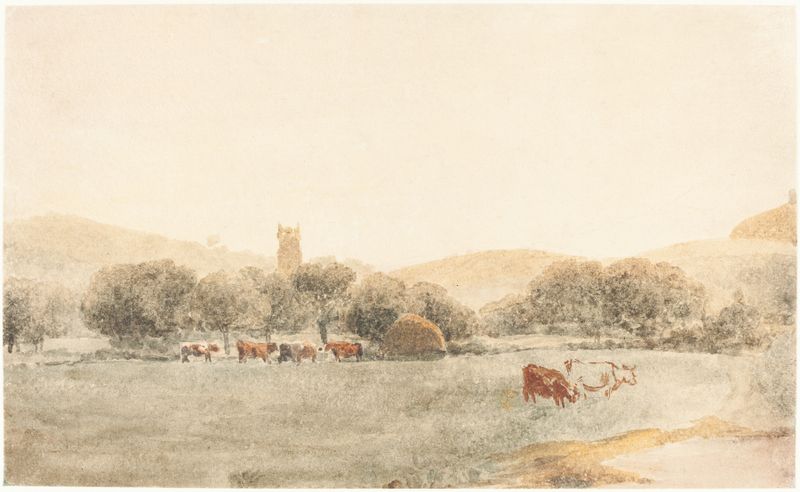
A Meadow with Cattle near Glastonbury
Peter De Wint
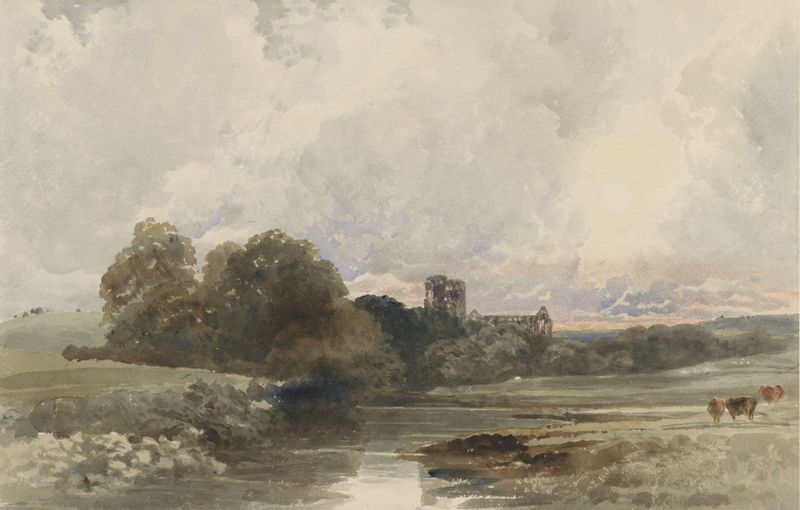
Avondlandschap met de ruïne van Kirkstall Abbey, Yorkshire
Peter De Wint
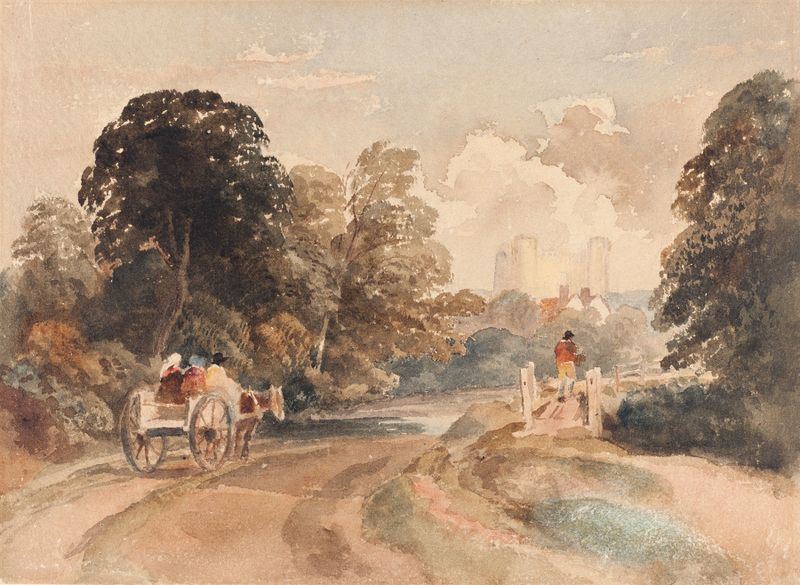
Landscape
Peter De Wint

Welsh Landscape with Cattle
Peter De Wint
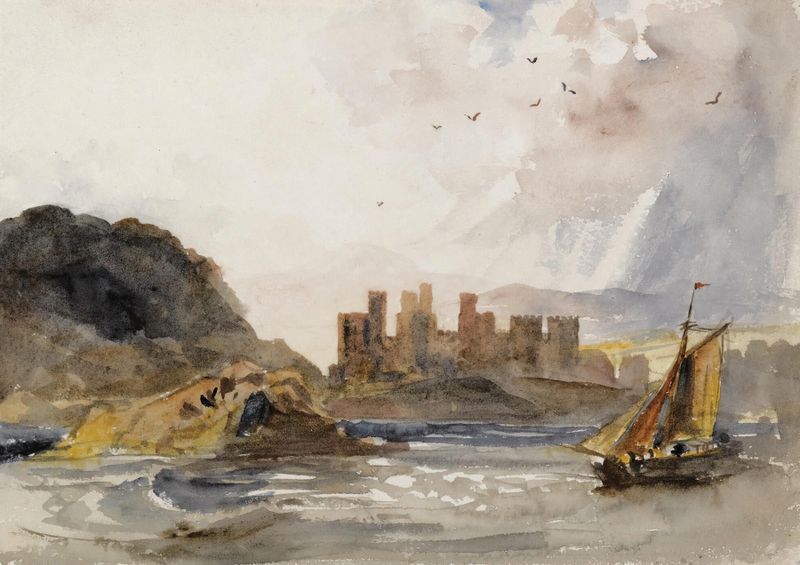
Conway Castle, North Wales
Peter De Wint

Evening on the Foss Dyke near Lincoln
Peter De Wint
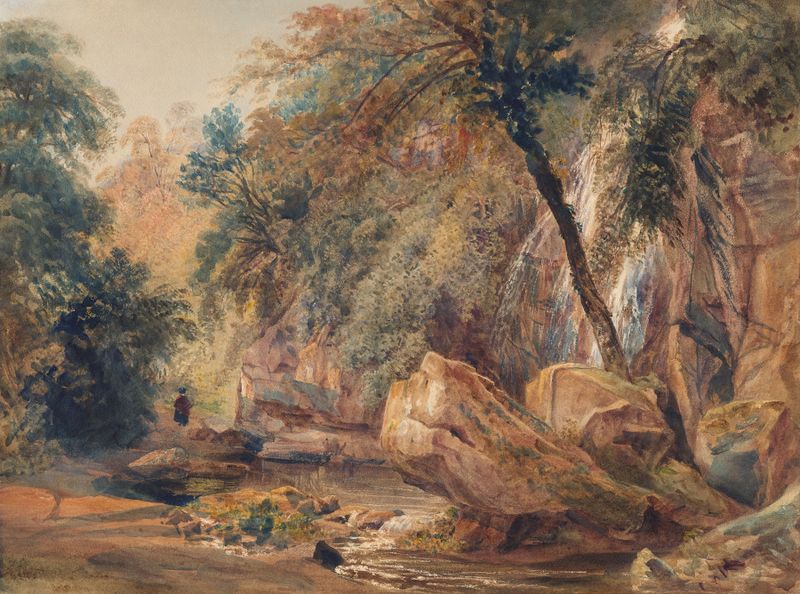
Waterfall in the Dingle at Badger Hall
Peter De Wint

Harvesting
Peter De Wint

Neath Abbey
Peter De Wint

Farmyard at Compton
Peter De Wint





