
Römische Ruinen — History & Facts
Is this a mirror — or a memory? In Römische Ruinen, Stifter captures the haunting beauty of time's passage, inviting us to reflect on our own existence against the backdrop of ancient remnants. Look to the left at the imposing ruins, their crumbling stones standing as testaments to the grandeur of a lost civilization. The artist employs a delicate palette, with soft earth tones that blend harmoniously, suggesting both decay and the persistence of nature. Notice how the light filters through the verdant foliage, casting intricate shadows that dance across the ruins, illuminating both the scars of history and the resilience of life that surrounds it.
This interplay of light and dark creates a meditative space, beckoning the viewer into a contemplative state. Beneath the surface, the work resonates with themes of transience and the passage of time. The juxtaposition of the sturdy architecture against the fragile, encroaching greenery speaks to the inevitable reclamation of nature—a visual reminder that all things must yield to the forces of time. The subtle presence of human figures in the distance hints at the insignificance of man in the grand narrative of existence, further emphasizing the weight of history that lingers in the air. Stifter created this piece in 1850, a time when he was deeply immersed in the Romantic movement, reflecting on nature's beauty and humanity's relationship with the past.
Living in Austria, he was influenced by the burgeoning interest in classical antiquity and the picturesque, which shaped his artistic vision. The painting stands as a poignant exploration of memory and revelation, capturing a moment suspended between the past and the present, urging us to ponder our own place in the continuum of time.
More Artworks by Adalbert Stifter
Browse all →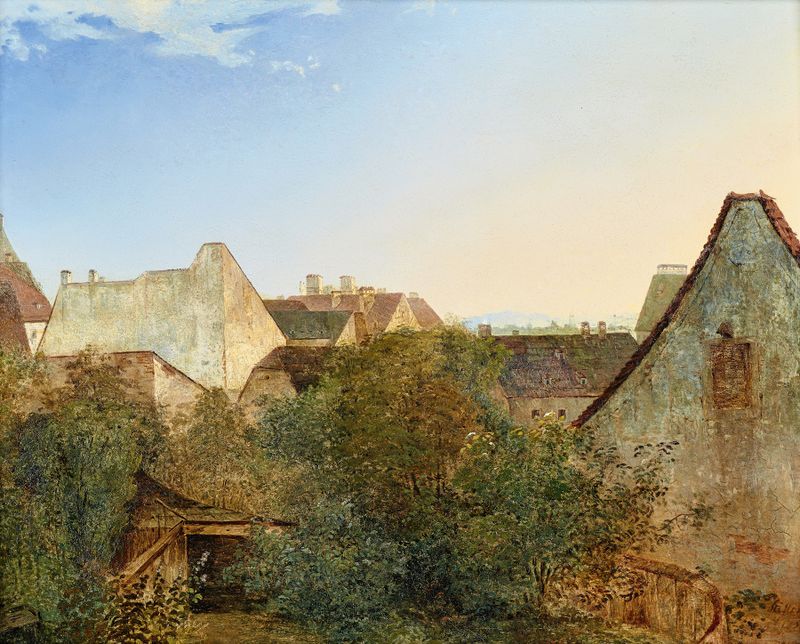
Blick über Wiener Vorstadthäuser (Beatrixgasse)
Adalbert Stifter
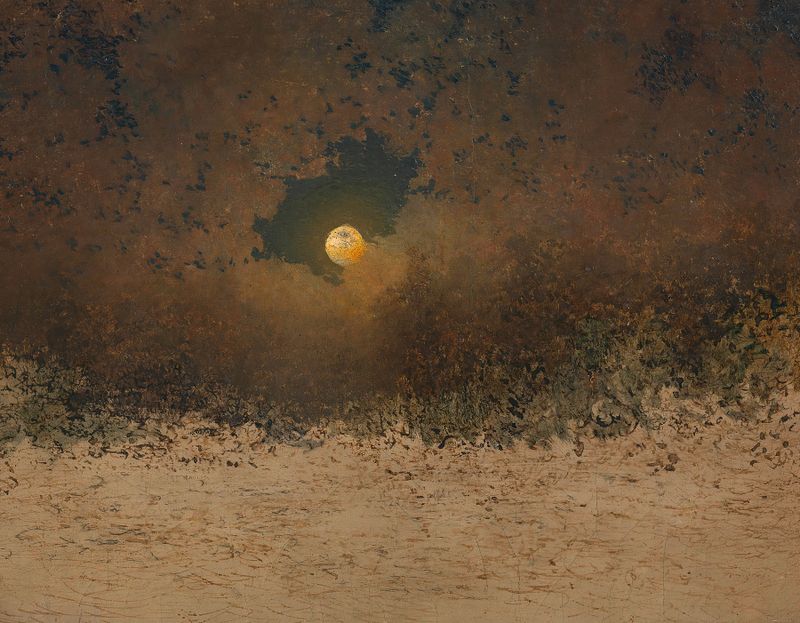
Mondlandschaft mit bewölktem Himmel
Adalbert Stifter
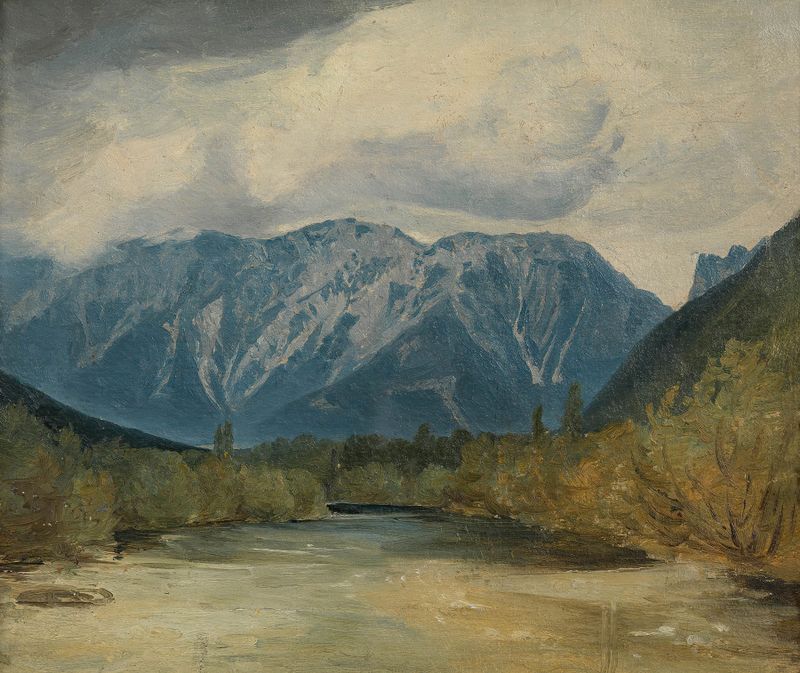
Die Rax in Niederösterreich
Adalbert Stifter
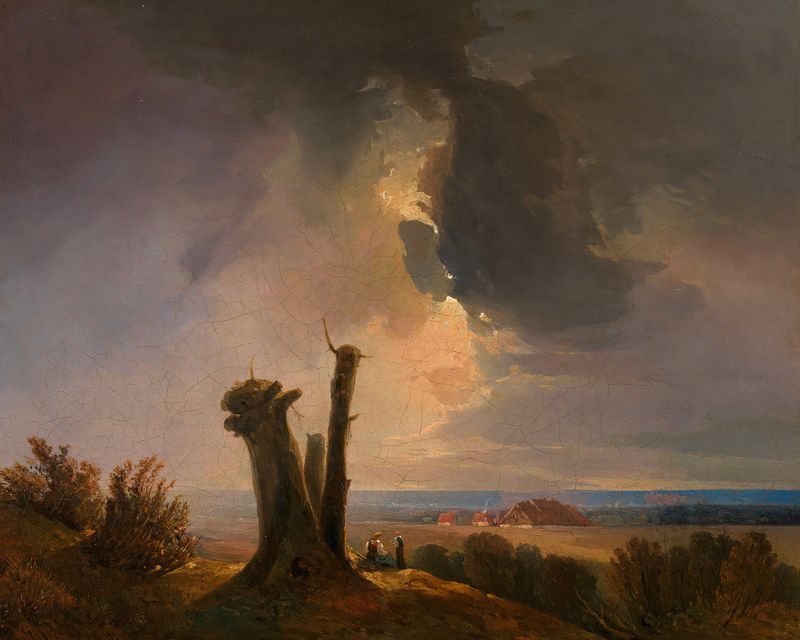
Westungarische Landschaft – Blick vom Leithagebirge
Adalbert Stifter
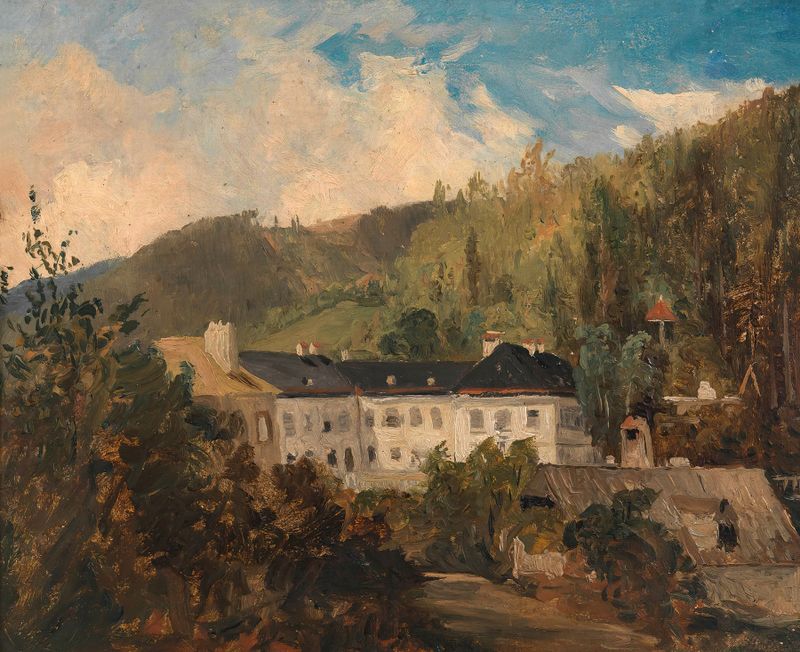
Motiv aus Neuwaldegg
Adalbert Stifter
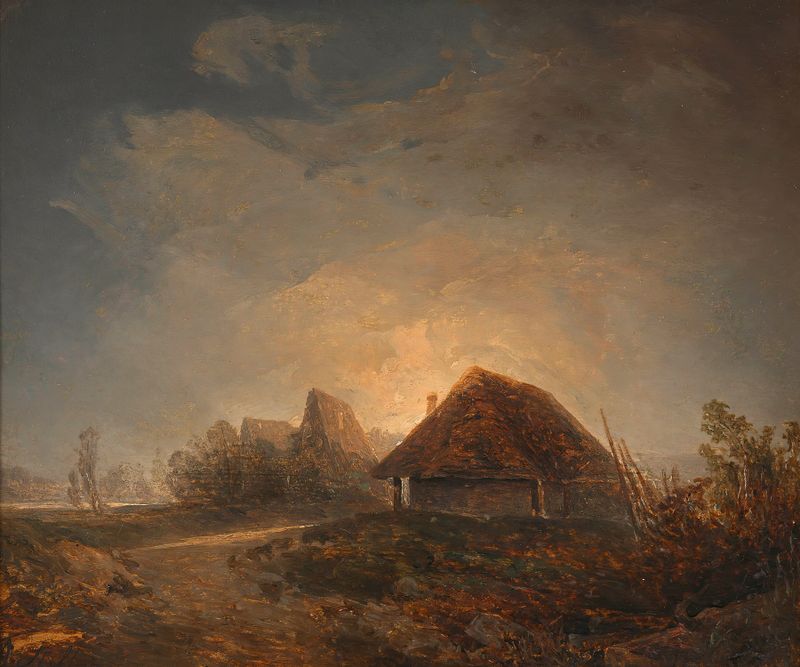
Westungarische Landschaft mit Hütten und aufgehendem Mond
Adalbert Stifter
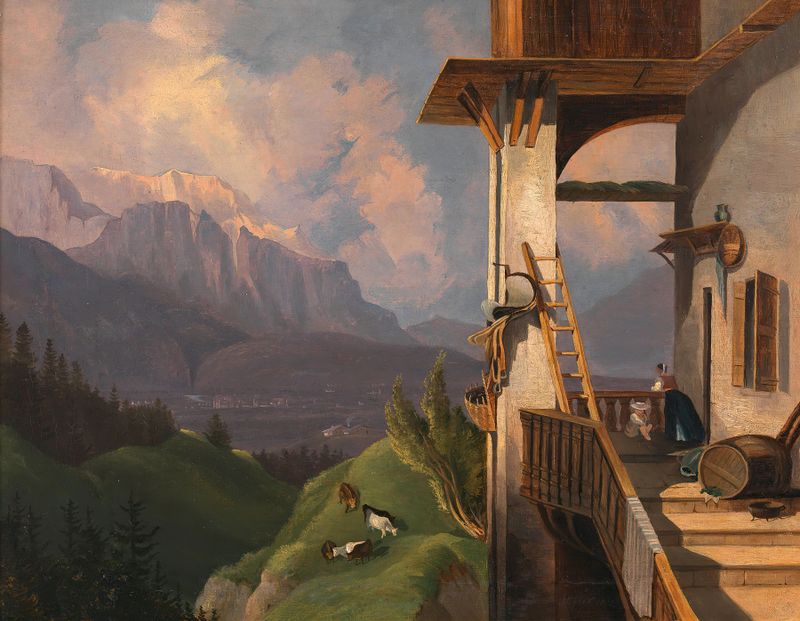
Innsbruck mit der Nordkette
Adalbert Stifter
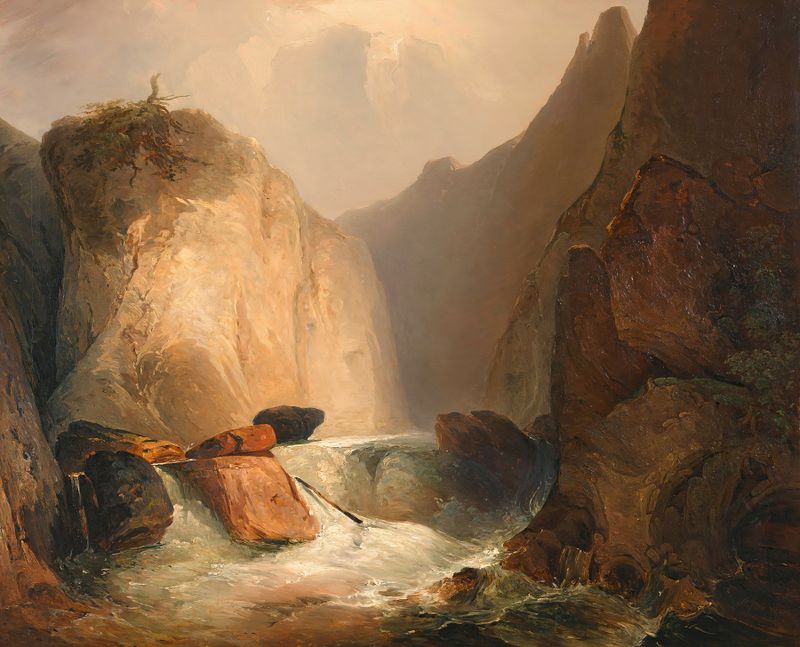
Felspartie – Moldauenge bei Hohenfurt
Adalbert Stifter
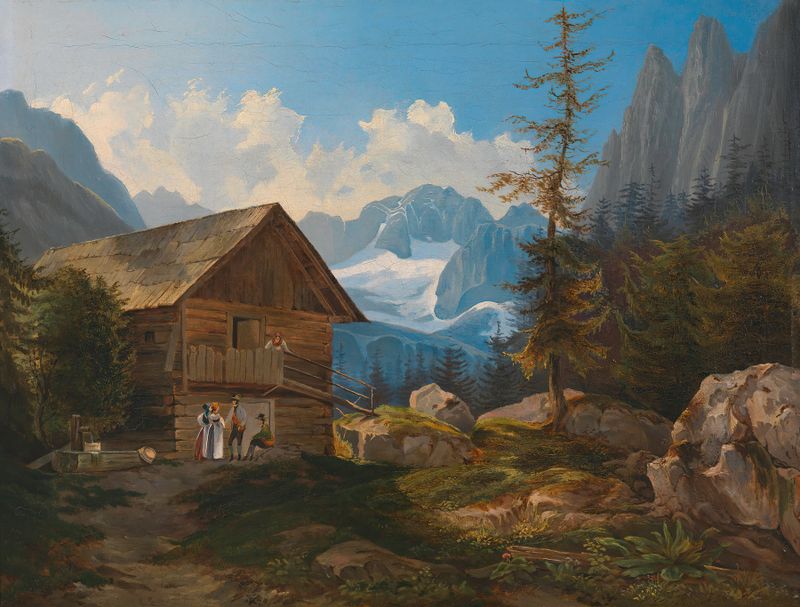
Im Gosautal (Oberösterreich)
Adalbert Stifter
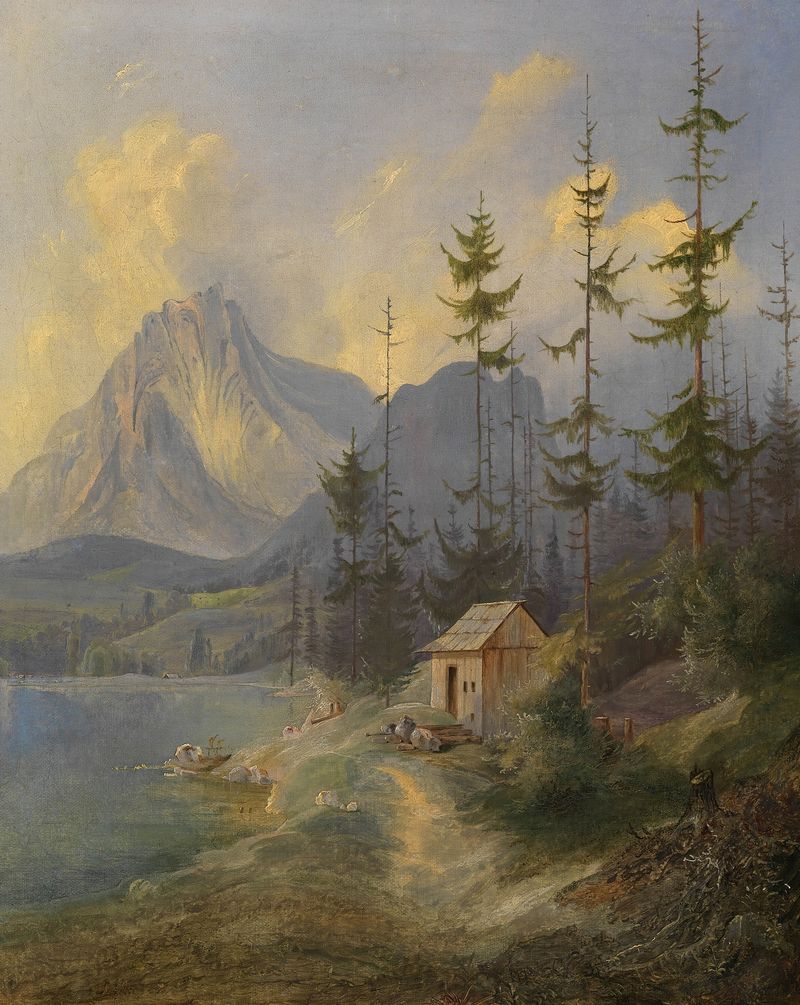
Der Sarstein bei Alt-Aussee
Adalbert Stifter





