
Römisches Capriccio mit Titusbogen — History & Facts
The interplay of color within the canvas reflects a poignant truth, revealing layers of meaning beneath its surface. Focus your gaze on the left side, where vibrant blues and greens collide in a wild embrace, evoking the lushness of a Roman landscape. The bold brushstrokes create an energetic rhythm, guiding your eye towards the architectural majesty of the Titusbogen. Notice how the warm hues of the sunset creep into the shadows, illuminating the details with a gentle glow, while the stark contrasts heighten the drama of the scene.
This painterly approach not only captures the physical beauty of the landscape but also invites the viewer into a world where nature and history entwine. Delve deeper into the nuances of this piece. The juxtaposition of light and dark suggests a tension between tranquility and chaos, while the presence of the ancient arch hints at the weight of history resting heavily upon the landscape. There are echoes of nostalgia woven into the fabric of the colors, as if the artist is grappling with the bittersweet passage of time.
Each stroke brings forth an emotional resonance, reminding us that beauty can often serve as a mask for deeper sorrow. In 1879, while living in Vienna, Tina Blau painted this exceptional work, amidst a period of burgeoning artistic exploration throughout Europe. Influenced by her travels in Italy and her encounters with the Barbizon School, she sought to blend outdoor scenes with an emotional depth that was unique for women artists of her time. This painting reflects not only her personal journey but also the growing recognition of plein air painting, marking a significant moment in the evolution of 19th-century art.
More Artworks by Tina Blau
Browse all →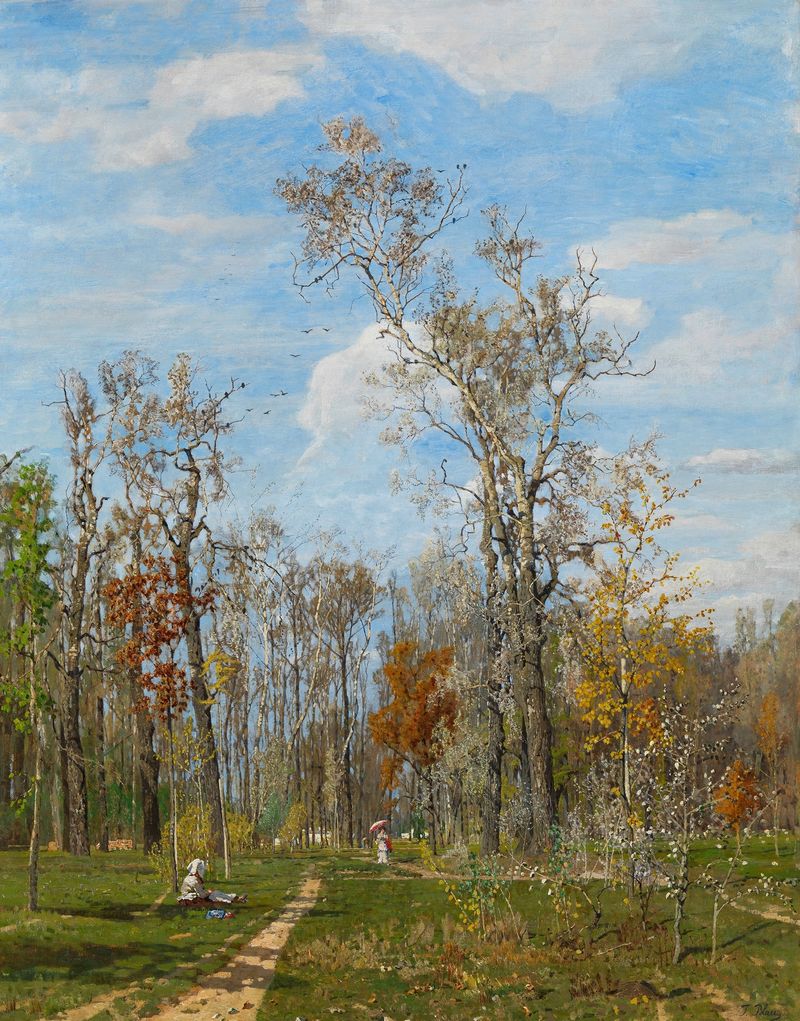
In der Krieau (Praterpartie im Frühling)
Tina Blau
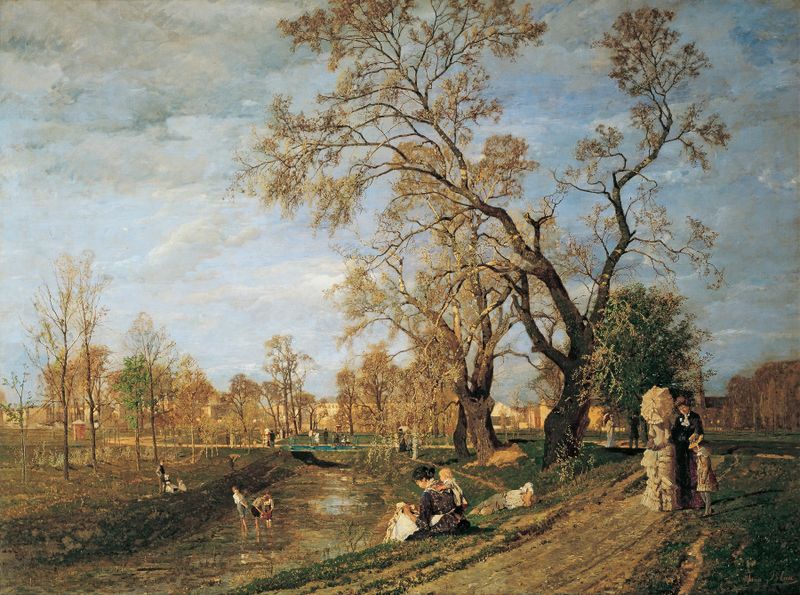
Frühling im Prater
Tina Blau
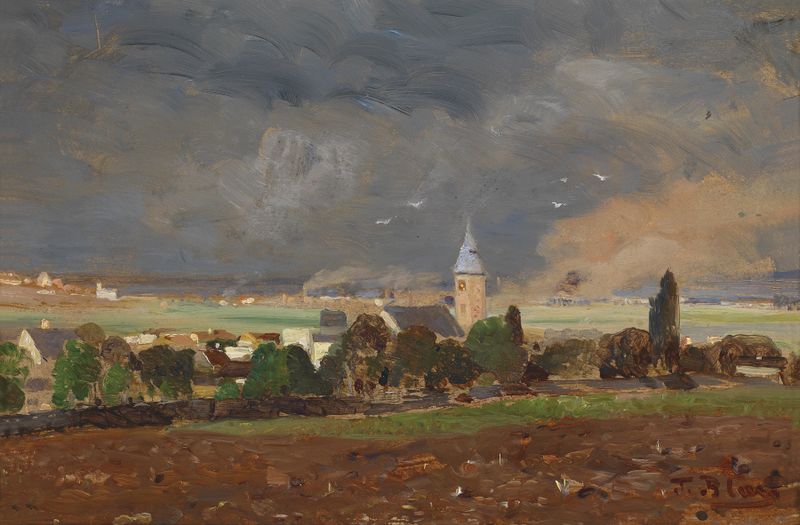
Dorflandschaft vor dem Unwetter
Tina Blau
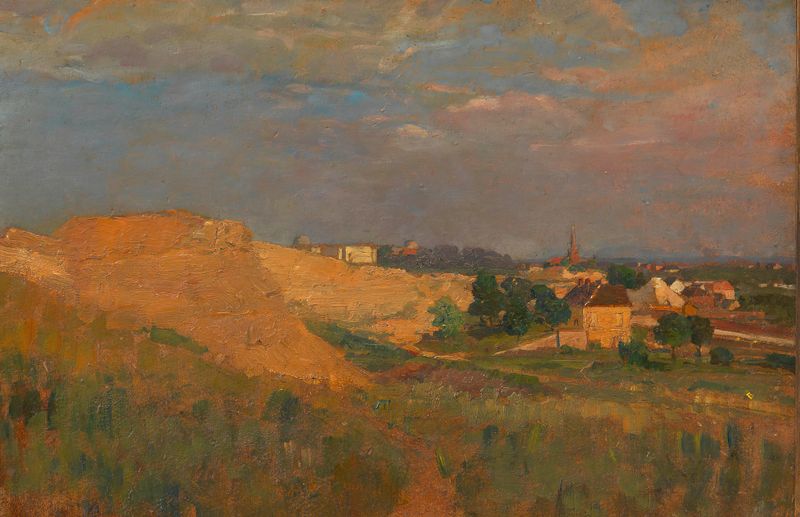
Blick auf Wien von der Türkenschanze
Tina Blau

Im Prater bei der Rotunde
Tina Blau

Malcesine
Tina Blau
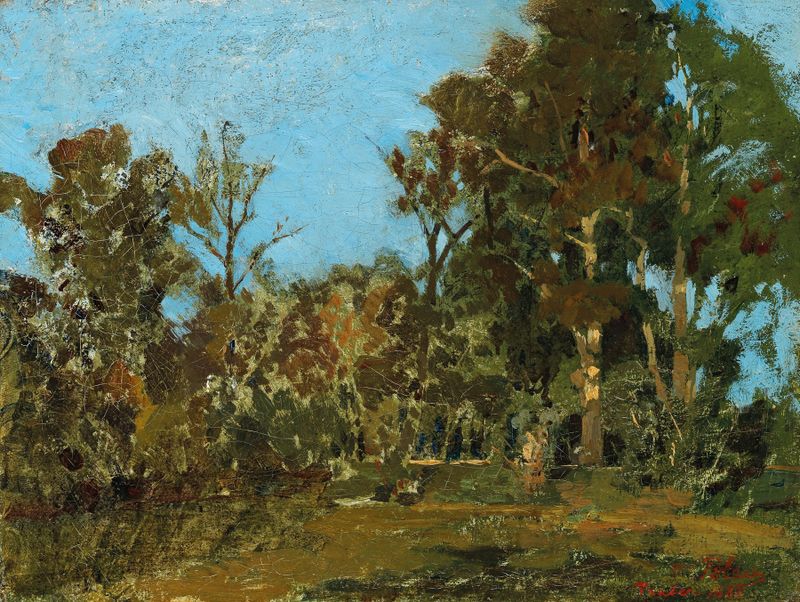
Prater Landscape
Tina Blau
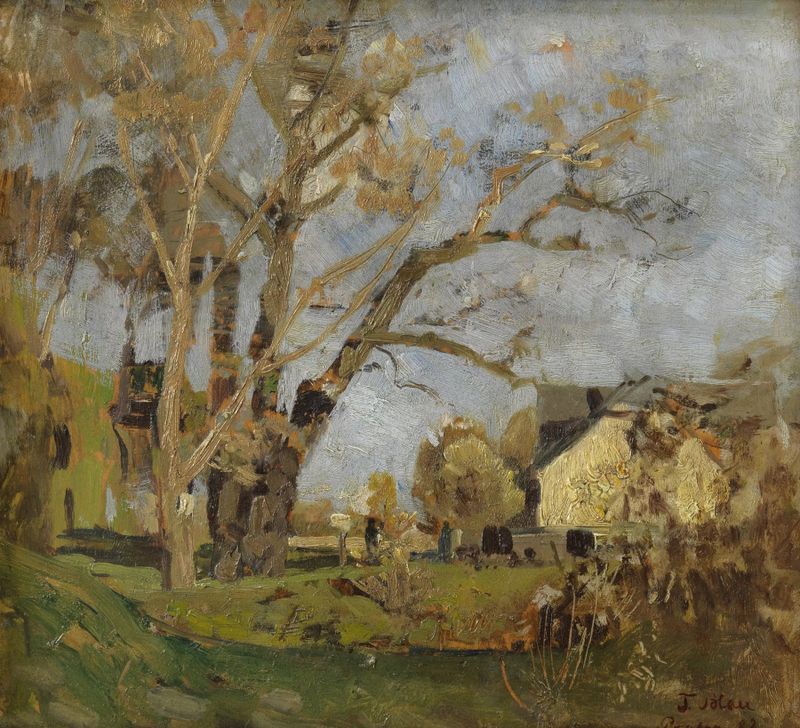
Meierei im Prater
Tina Blau

A Scene in Mannswörth on the Danube
Tina Blau
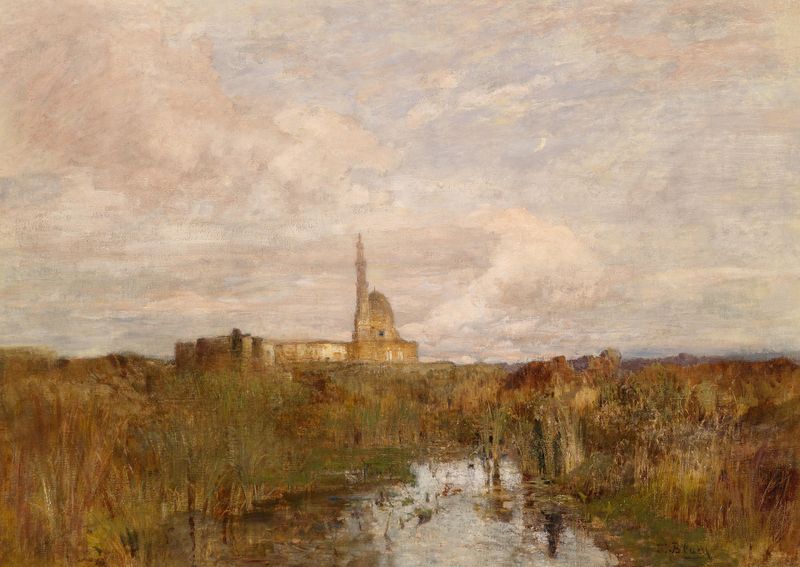
Ägyptischer Palast Weltausstellung 1873 Wien
Tina Blau





