Roméo et Juliette – maquette de décor – Vérone au fond — History & Facts
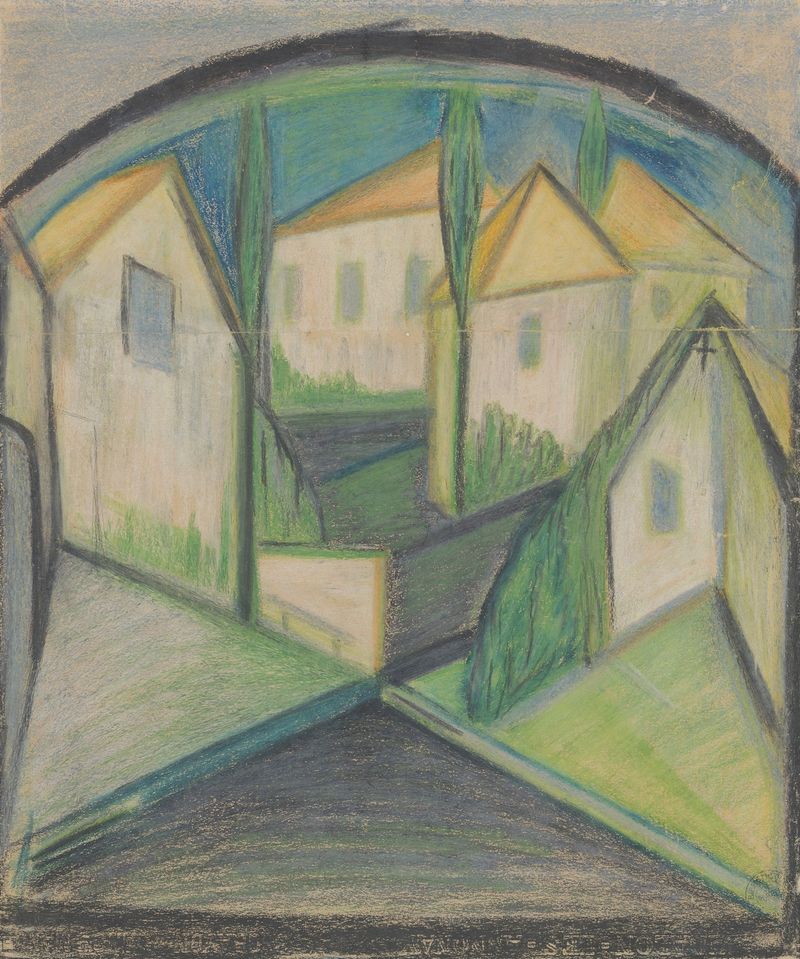
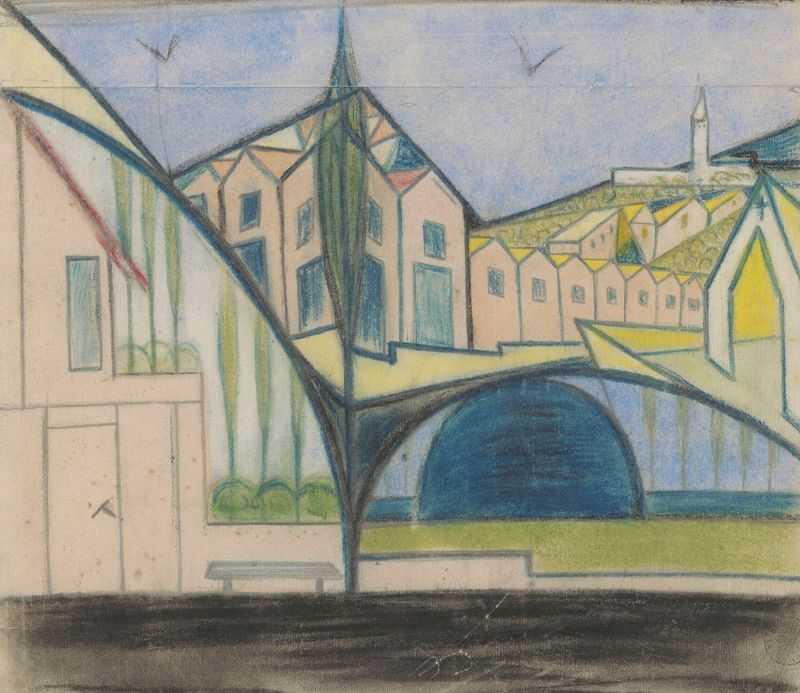
In the quiet of this moment, captured in a delicate maquette, viewers are invited into a world where silence speaks volumes. Here, the backdrop of Vérone lingers, evoking the weight of lost love and unfulfilled dreams. One can almost hear the echo of whispered promises in the stillness. Focus on the intricate details of the miniature set, where shadows and light dance in a harmonious ballet.
Look closely at the carefully crafted architecture, where crumbling stone meets vibrant green foliage, layering the scene in a rich tapestry of texture. Notice the muted color palette that reflects the somber mood, each hue whispering to the viewer about the fateful tale that unfolds within this setting. Beneath the surface, the work embodies a profound tension between beauty and tragedy. The stillness of the maquette belies the tempestuous emotions of its titular characters, highlighting the duality of love and loss.
Small elements, like a wilting flower or a distant silhouette, serve as poignant reminders of the fleeting nature of passion, inviting contemplation on the inevitability of fate. In 1937, Georges Pitoëff was deeply immersed in the theatrical world, creating this maquette as a design for a stage production. Living in France during a time of political turmoil and creative resurgence, he sought to channel the emotional depth of Shakespeare’s narrative into a physical form. This work reflects not only his artistic vision but also the broader cultural discussions of love and sacrifice dominating the art of that era.