Roses in a Bowl — History & Facts
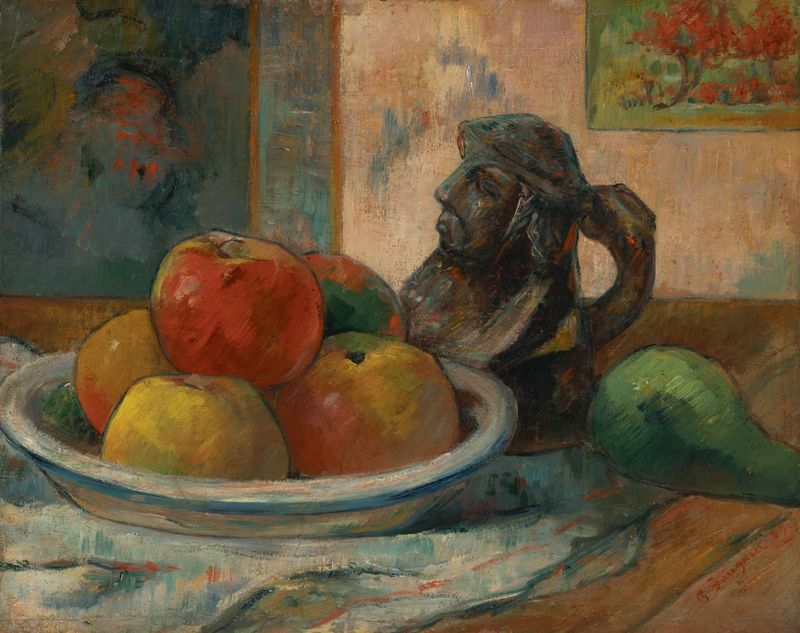
In the stillness of Roses in a Bowl, a quiet loneliness seeps into the soft petals, whispering of unspoken memories and fleeting moments. Here, a simple arrangement of blossoms becomes a poignant reflection on solitude and beauty's transience. Look to the left, where delicate pinks and whites unfurl, each rose crafted with meticulous brushstrokes that capture the very essence of life. The composition draws your gaze toward the center, where light streams softly from above, illuminating the flowers as they rest in a shallow bowl, their lush hues contrasting against the dark, muted background.
The interplay of shadow and light creates a serene yet melancholic atmosphere, inviting contemplation on the passage of time. Each flower holds a tale of its own; some bloom vibrantly, while others seem to droop, hinting at the inevitable decay that follows beauty. Notice the way the brushwork varies—some petals appear fragile, almost translucent, while others carry a heaviness, suggesting an emotional weight underpinning their beauty. Together, they evoke the bittersweet nature of existence, a reminder that even in moments of splendor, loneliness often lingers just beneath the surface. In 1881, during a period marked by the rise of Impressionism, the artist found himself in Paris, surrounded by an evolving art scene that celebrated both realism and the nuances of light.
Creating Roses in a Bowl at this time, he sought to elevate still life to a realm of emotional resonance, capturing not just the beauty of flowers but also the complex sentiments that accompany them, reflecting a deeper understanding of life's transient nature.