
Édouard Manet — History & Facts
A man stands against a plain, muted background, his figure filling much of the vertical canvas. He wears a tall black top hat that catches the light on its glossy surface, and his reddish-brown beard frames a face with a steady, direct gaze. His eyes are set in a pale, thoughtful face, and his lips are closed, giving him a composed expression.
He is dressed in a dark jacket and waistcoat over a white shirt, with a blue patterned tie at his collar. A gold watch chain is visible across his vest, catching a subtle glint. His left hand, gloved in brown leather, holds a walking stick with a curved handle, while his right hand, ungloved and pale, grasps the stick just above the handle.
The light falls softly from the left, illuminating his face, shirt cuff, and the top of his hand, while the rest of his body is modeled in gentle shadow. The brushwork is smooth and precise, especially in the rendering of the textures of fabric, skin, and hair, with subtle transitions and little visible impasto. The composition is simple and frontal, with the figure standing upright and slightly turned to the left, his presence emphasized by the empty background.
At the lower left, an inscription in dark paint reads 'A mon ami Manet / Fantin 1867,' identifying both the subject and the artist. Henri Fantin-Latour painted this portrait of Édouard Manet in 1867, depicting his friend as an urbane and distinguished figure. The Art Institute of Chicago notes that Fantin-Latour presents Manet as finely dressed and carrying an elegant walking stick, before a stark background reminiscent of both Manet’s own paintings and photographic portraits of the era. After its creation, the painting was inherited by Manet’s wife, Suzanne Manet, and remained in Paris until at least 1889. It later passed through several hands, including Gustave Tempelaere and the dealers Allard and Noel, before being sold to Durand-Ruel in 1900 and then acquired by the Art Institute of Chicago in 1905.
The work has appeared in numerous exhibitions, including the Salon de 1867 in Paris and major shows in London, Cambridge, New York, and Chicago.
Sources: Art Institute of Chicago, record 1905.207 · Wikidata Q20272706
More Artworks by Henri Fantin-Latour
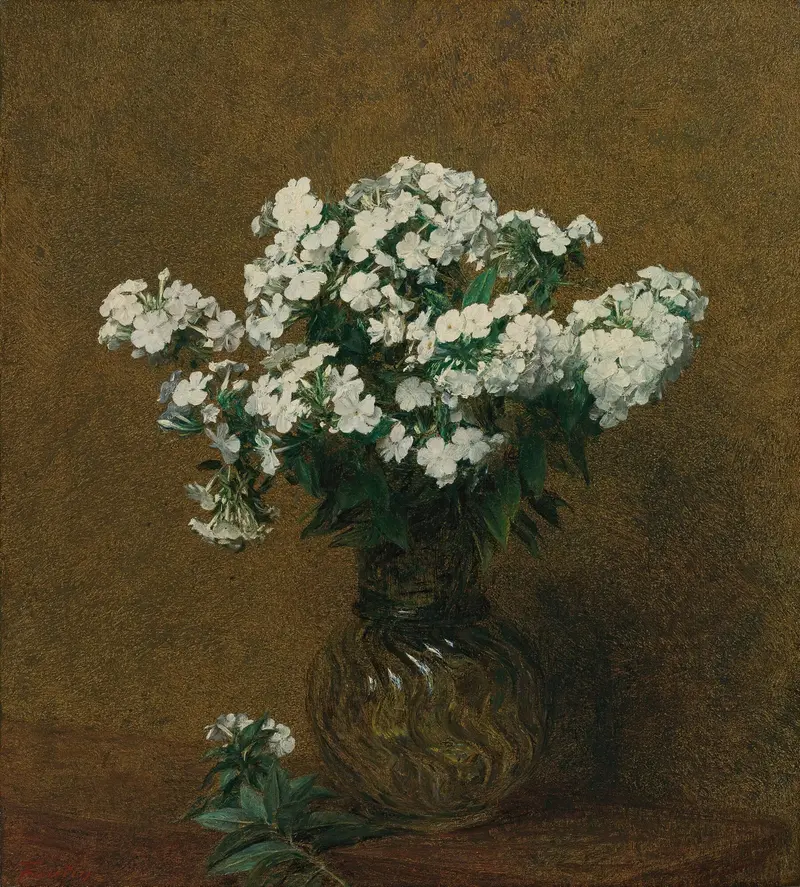
Phlox Blancs Dans Un Vase
Henri Fantin-Latour
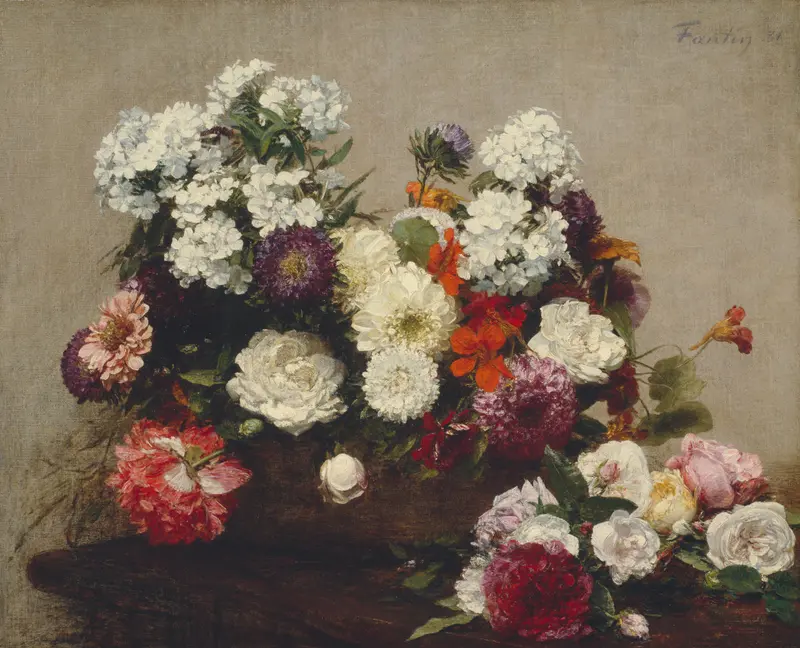
Still Life with Flowers
Henri Fantin-Latour
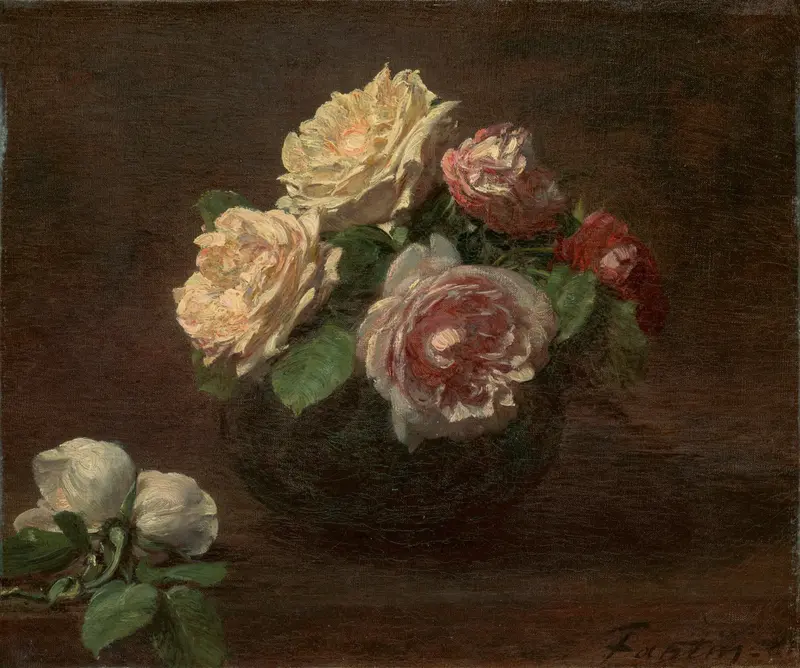
Roses in a Bowl
Henri Fantin-Latour
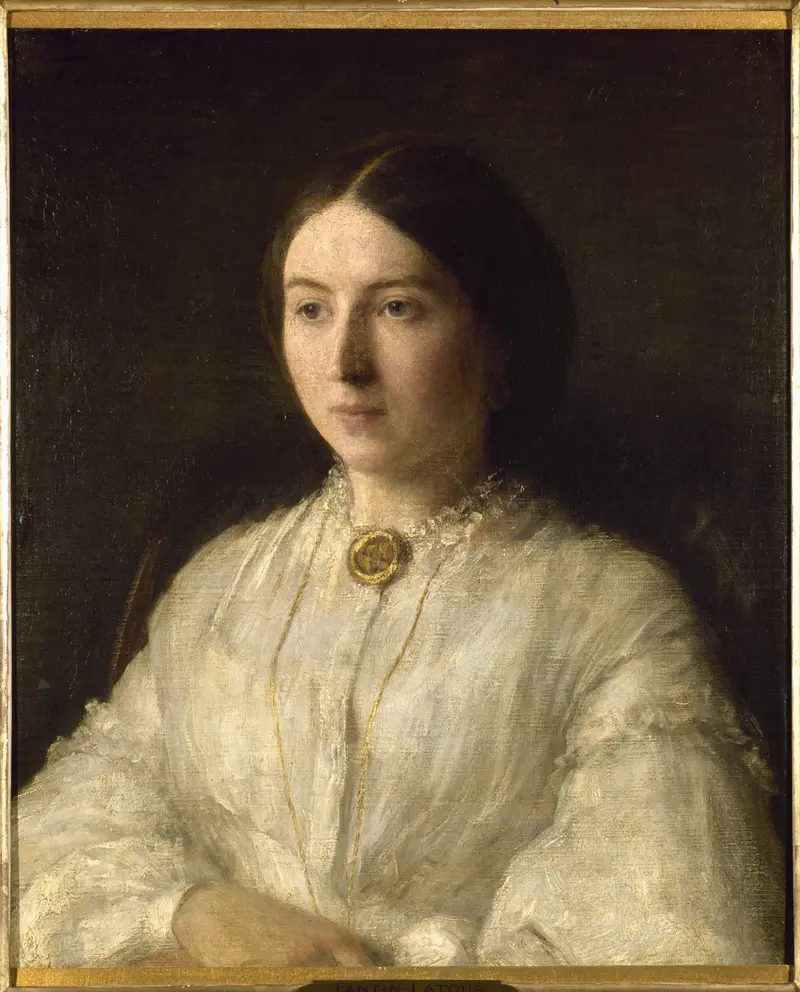
Portrait de Mme Edwin Edwards
Henri Fantin-Latour
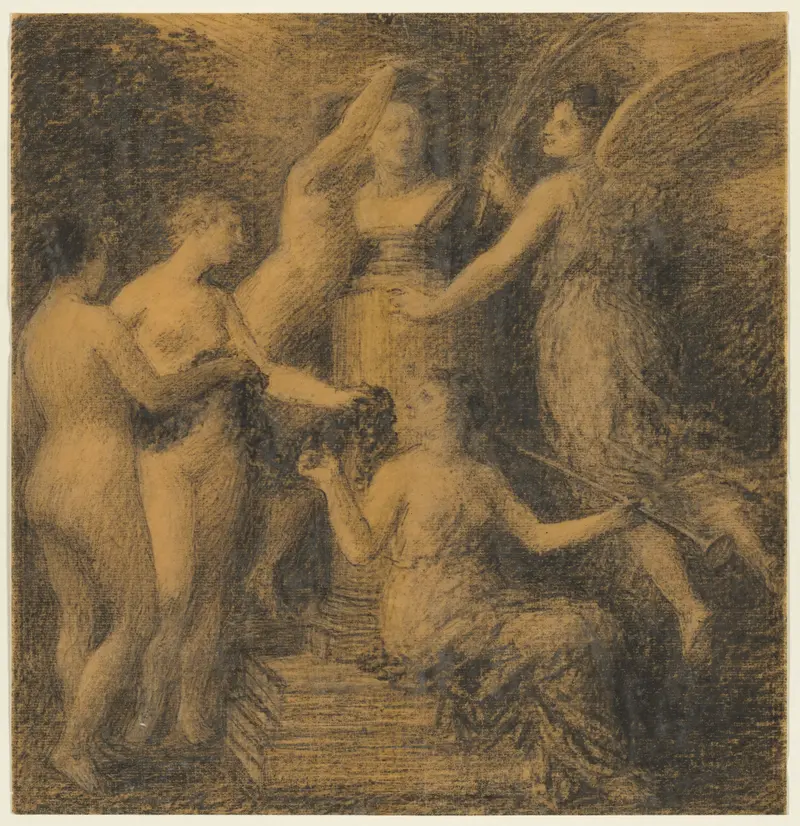
Homage to Rossini
Henri Fantin-Latour
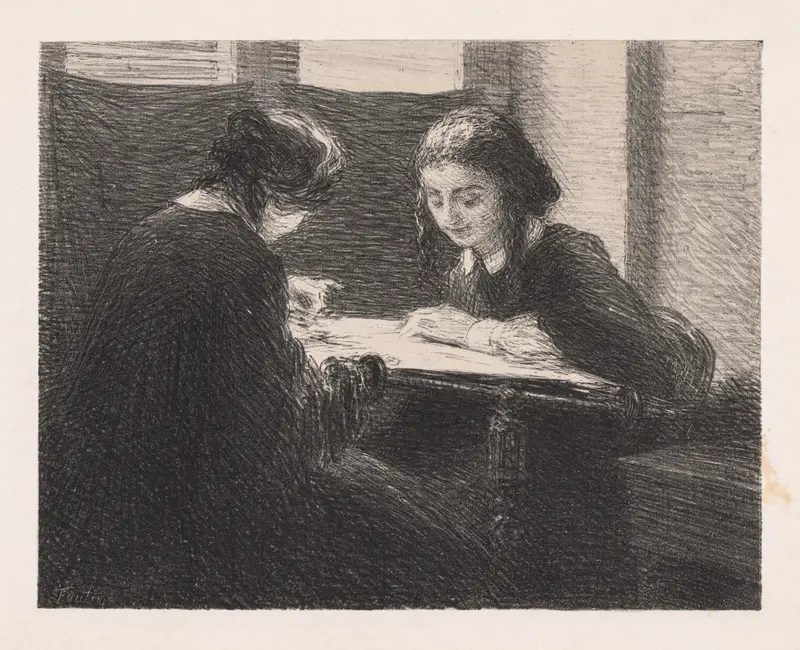
The Embroideres (Les Brodeuses)
Henri Fantin-Latour
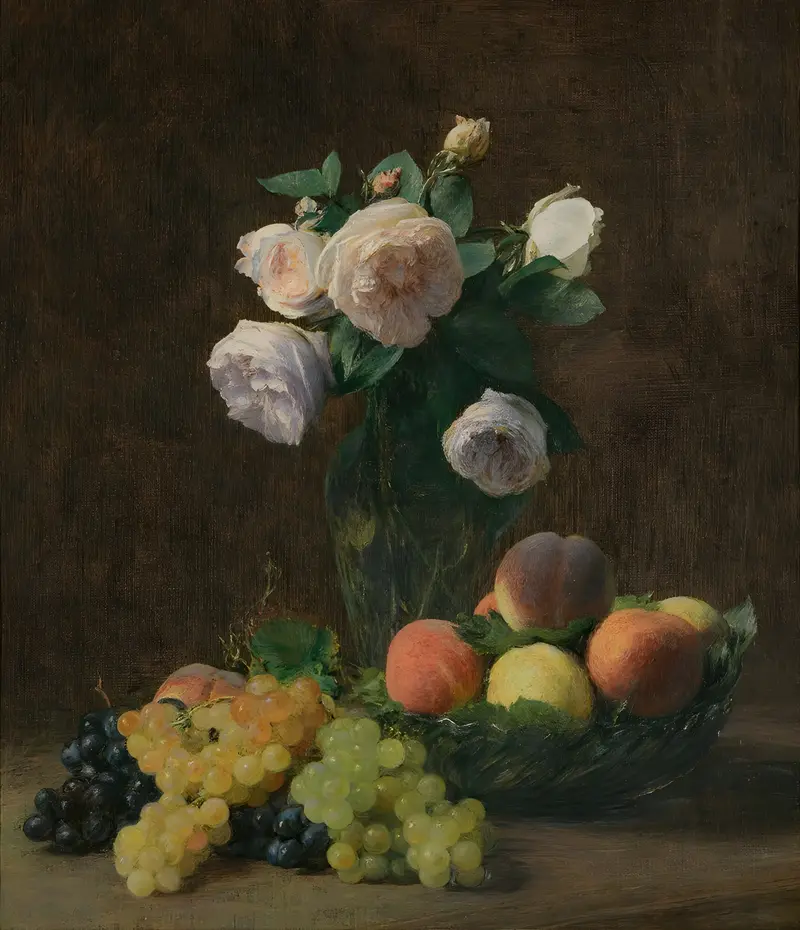
Nature Morte; Vase De Roses, Pêches Et Raisins
Henri Fantin-Latour
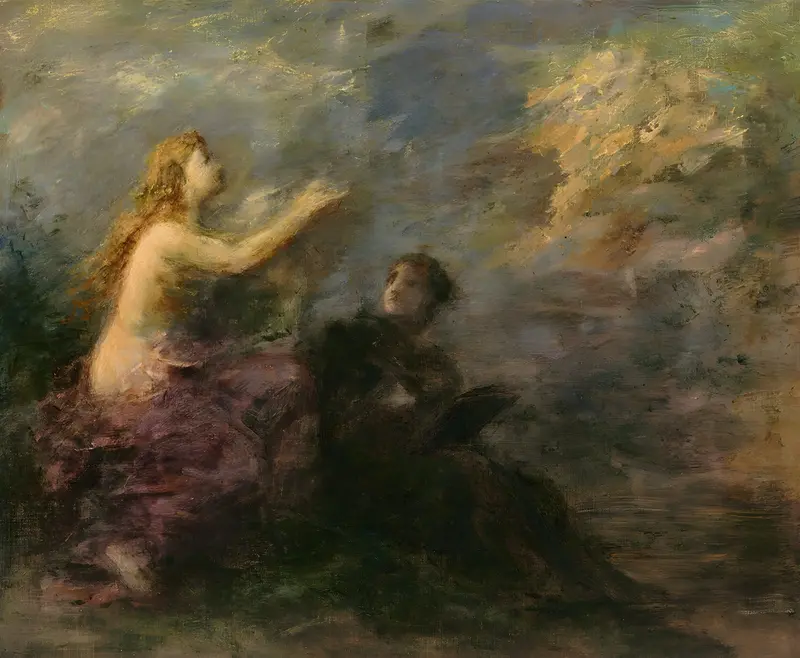
Inspiration
Henri Fantin-Latour
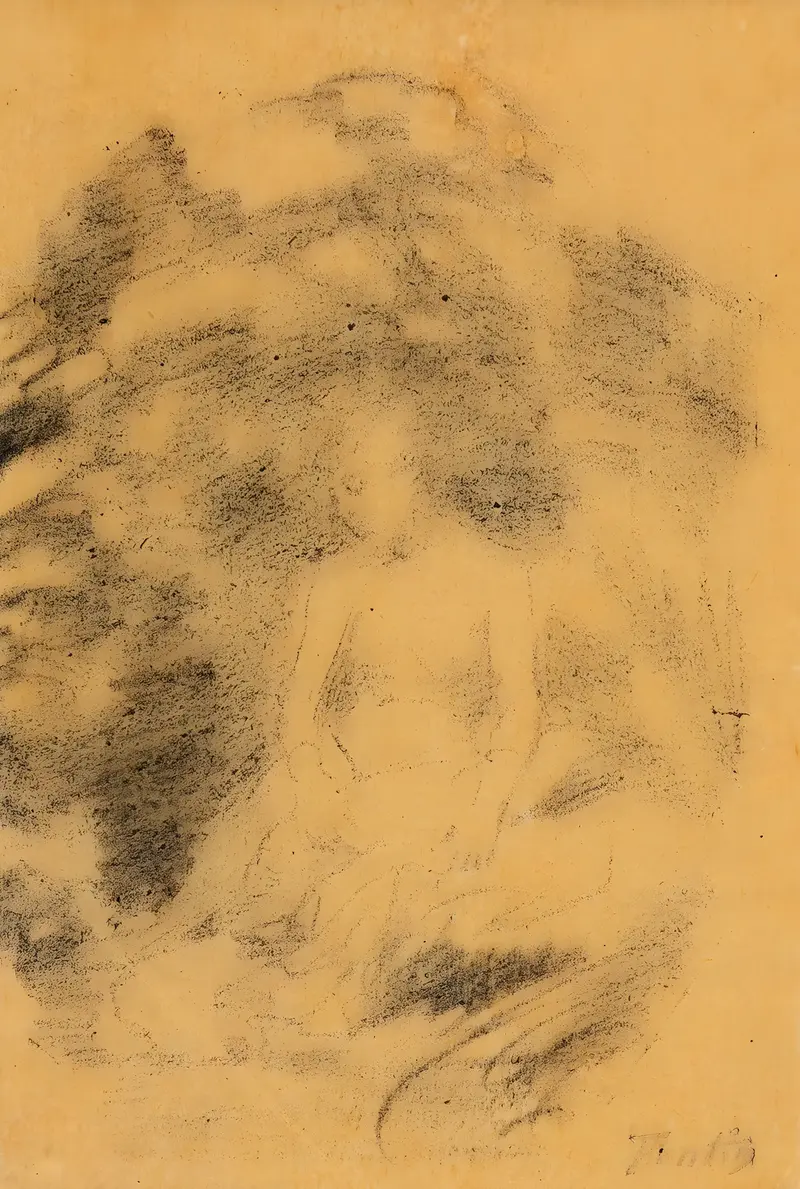
Nude study
Henri Fantin-Latour
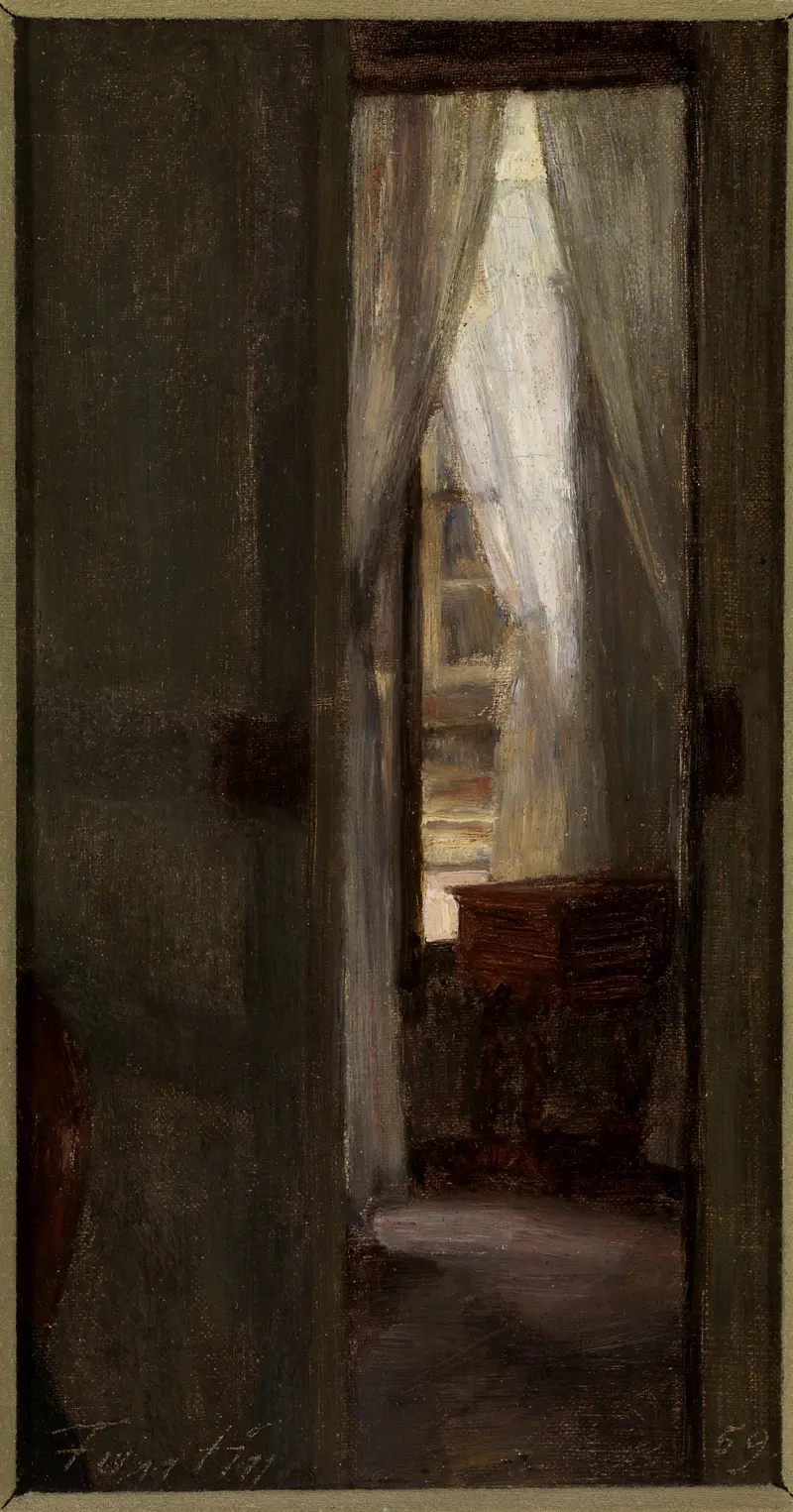
Interieur (rue de Beaune, Parijs)
Henri Fantin-Latour





