
Royal Horse Inspection — History & Facts
In the realm of artistic expression, time is both the canvas and the creator, capturing fleeting moments and transforming them into everlasting beauty. Look to the vibrant hues of deep blues and rich golds that envelop the scene, drawing your gaze towards the intricate figures that populate the composition. The artist masterfully employs a detailed interplay of light and shadow, illuminating the regal stallions and their commanding handlers, while muted tones in the background allow the focal elements to shimmer with life. Each brushstroke conveys a sense of movement, as if the majestic horses might spring forth from the canvas at any moment. Beneath this surface of opulence lies a tapestry of contrasts.
The horses, symbols of power and nobility, stand in sharp juxtaposition to the serene backdrop, which hints at the structured order of the court. The delicate, almost fragile expressions of the attendants reveal a vulnerability amidst the grandeur, suggesting that strength can coexist with humility. This tension invites viewers to ponder the passage of time within the grandeur of royal life — both a celebration of might and an acknowledgment of its ephemeral nature. Ali Quli Jabbadar painted this work during the late 17th century, a period marked by the opulence of the Safavid dynasty in Persia.
Amidst a flourishing of cultural and artistic achievements, the artist sought to encapsulate the splendor of royal inspections, reflecting the dynamics of power, artistry, and the ever-looming influence of time on both. At this juncture, the art world was witnessing a synthesis of traditions, with Persian influences melding seamlessly with broader artistic currents.
More Artworks by Ali Quli Jabbadar
Browse all →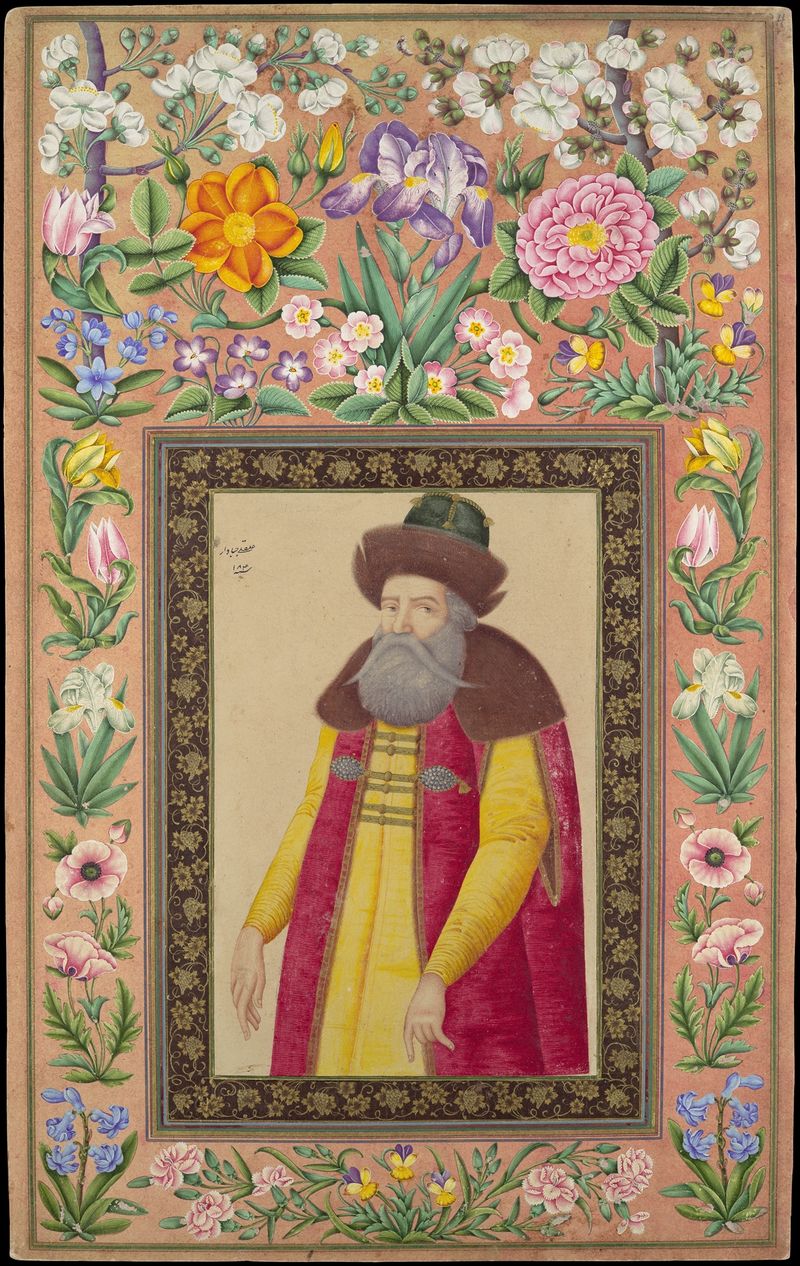
More Historical Art
Browse all →
The Night Watch Militia Company of District II under the Command of Captain Frans Banninck Cocq
Rembrandt van Rijn

Lincoln Memorial
Henry Bacon

The Third of May 1808
Francisco de Goya

Isaac and Rebecca, Known as ‘The Jewish Bride’
Rembrandt van Rijn

The Charge of the Mamelukes (1814)
Francisco de Goya

De vier ruiters van de apocalyps
Albrecht Dürer