Rue Geoffroy-Saint-Hilaire (la Pitié) — History & Facts
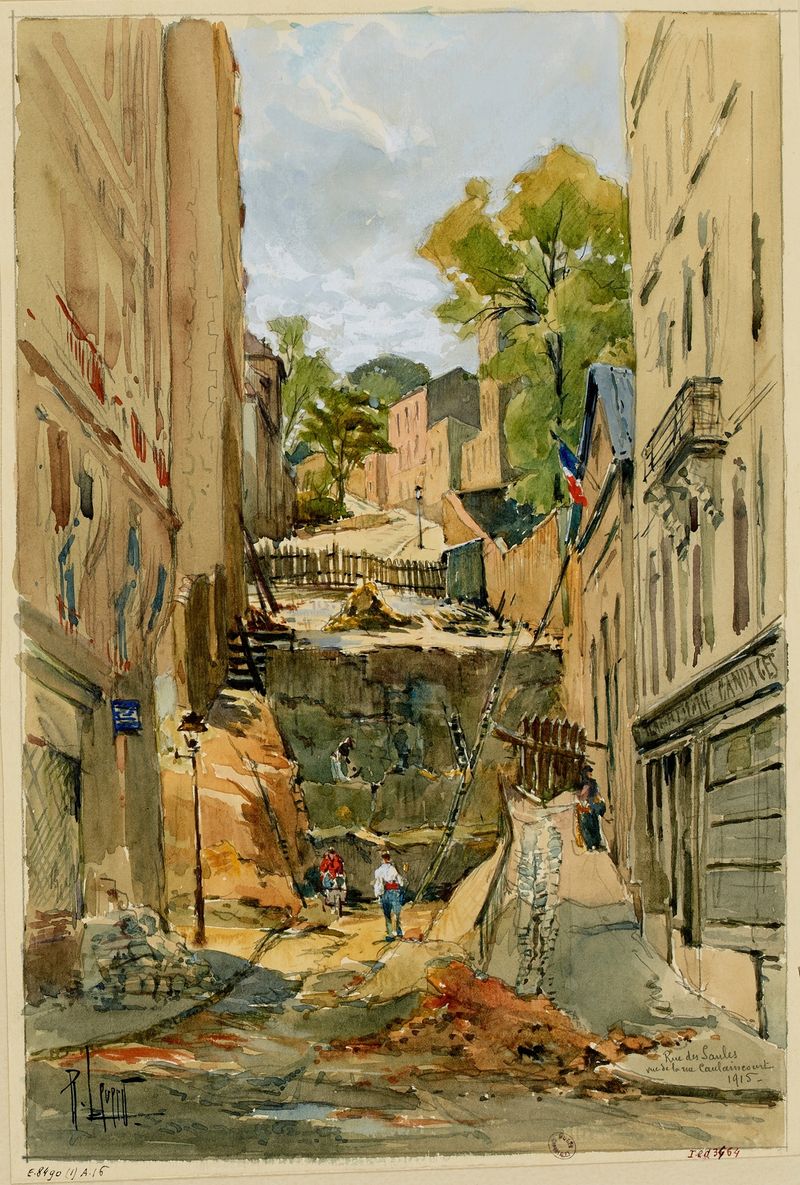
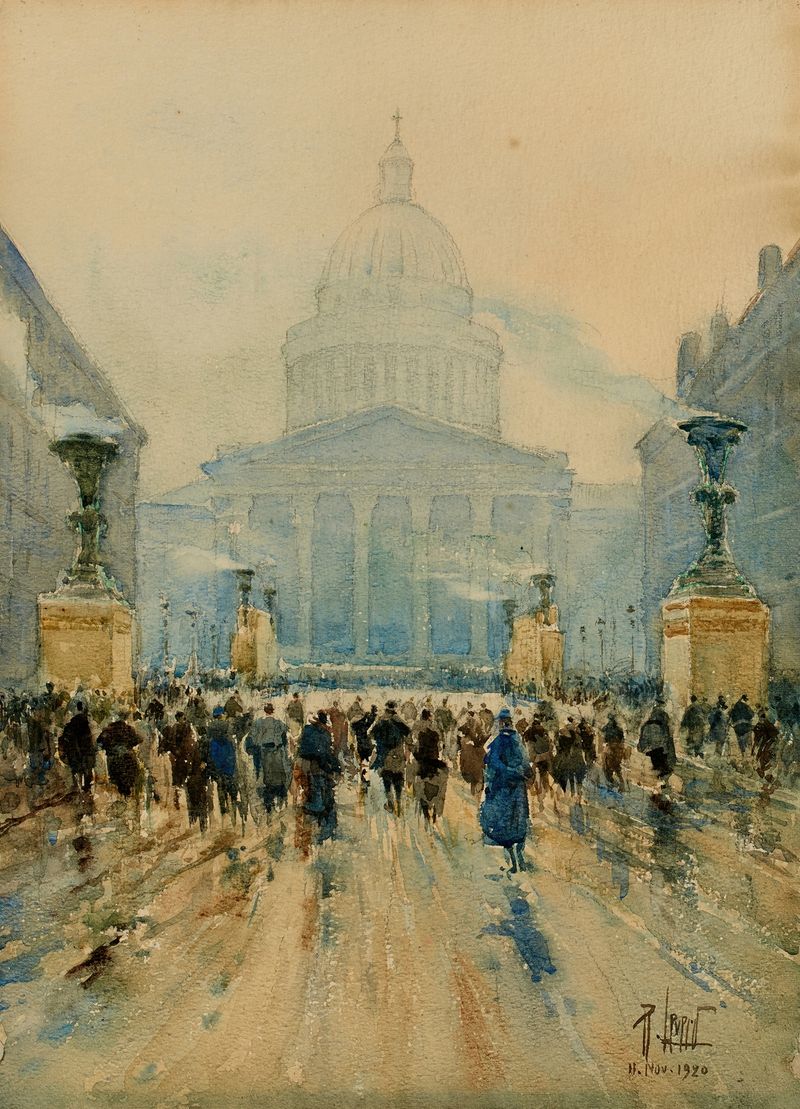
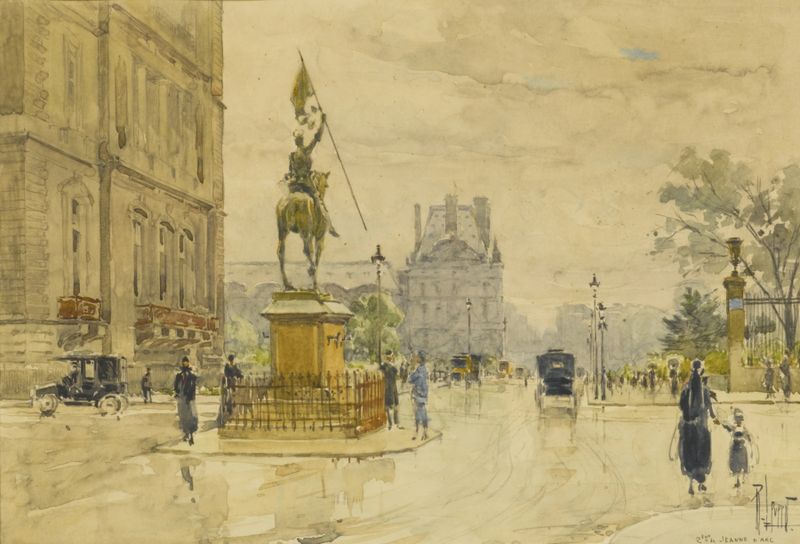
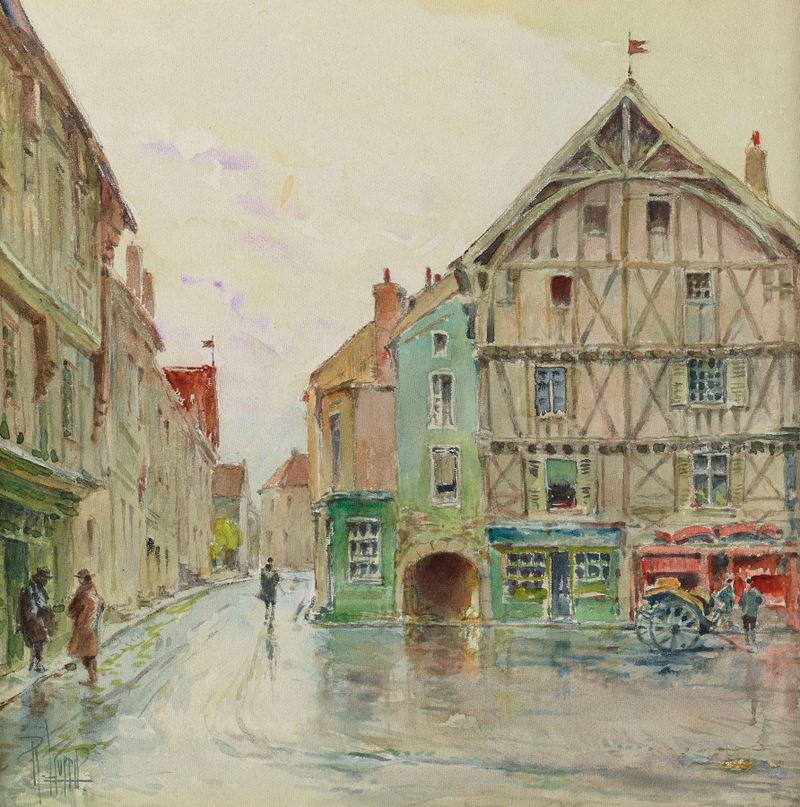
What if beauty was never meant to be finished? In Rue Geoffroy-Saint-Hilaire (la Pitié), shadows weave stories of yearning and melancholy, inviting us into a world caught between light and dark. Look to the center of the canvas where delicate lines converge, illustrating a tranquil street scene. Notice how the soft pastels of the buildings blend with deeper tones, creating an ethereal atmosphere. The play of light and shadow dances across the cobblestones, suggesting the passage of time and the fleeting nature of existence.
The subtle brushwork breathes life into every corner, while muted colors evoke a sense of nostalgia. Delve deeper, and you’ll find contrasts that hint at human emotion—a lone figure, shrouded in shadow, stands apart from the vibrant, sun-drenched surroundings. This dichotomy between light and dark speaks to an inner conflict, perhaps a longing for connection amid the solitude. Each shadow seems to whisper untold stories, while the surrounding light offers a fleeting glimpse of hope.
The juxtaposition of the lively street against the quiet depth of the figure suggests an ongoing tension between engagement and isolation. Created in 1908, Rue Geoffroy-Saint-Hilaire (la Pitié) reflects Réné Leverd's involvement in the burgeoning Post-Impressionist movement in Paris. At this time, he grappled with his artistic identity amidst a shifting landscape of contemporary art, exploring themes of light and texture. The work emerges from an era where artists began to contemplate the psychological undercurrents of everyday life, showcasing Leverd's unique perspective on the beauty of the ordinary.