La rue des Saules vue de la rue Coulaincourt — History & Facts
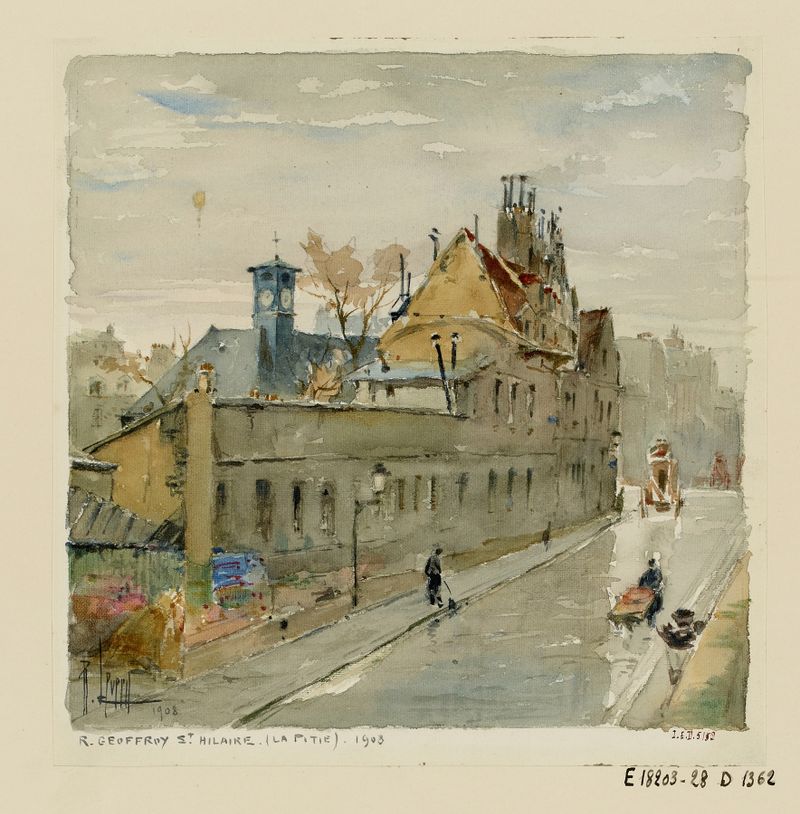
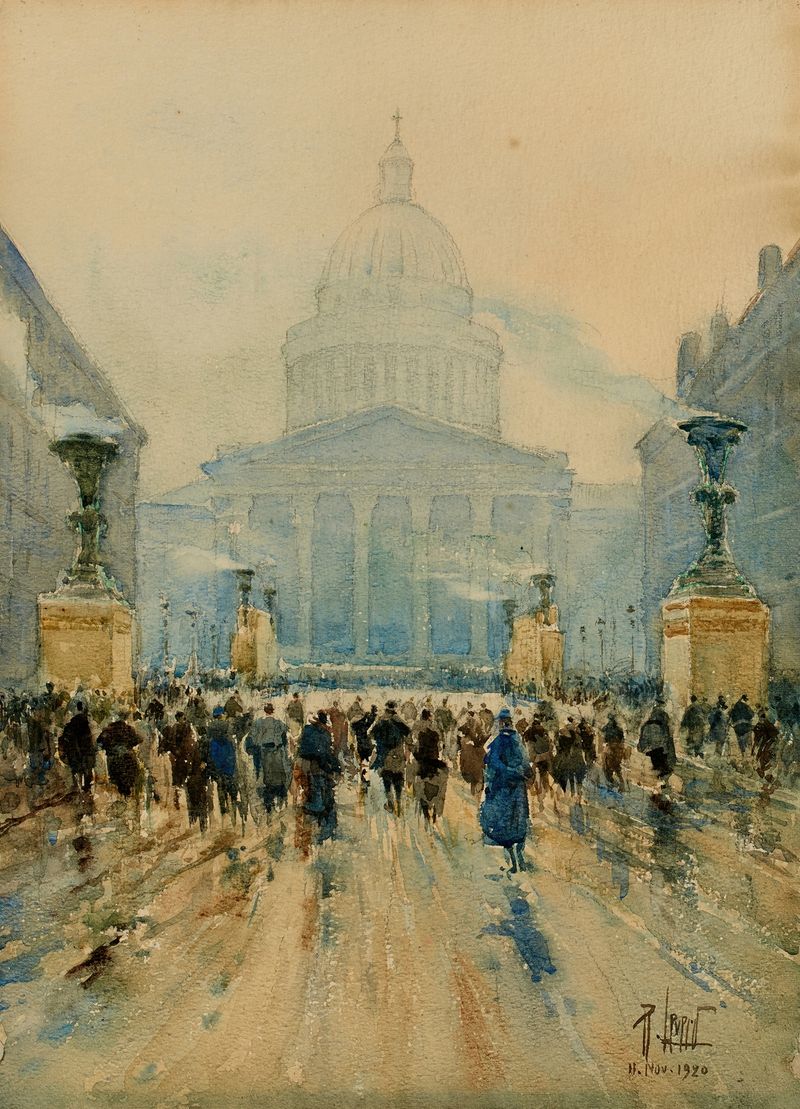
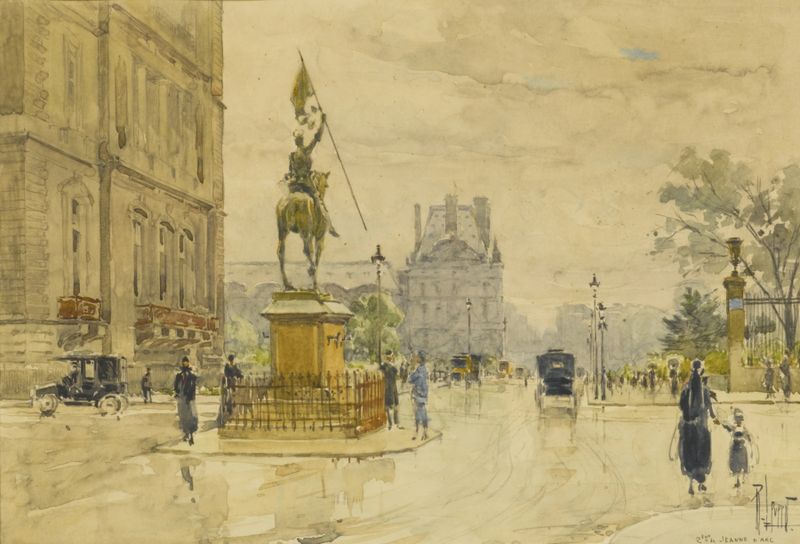
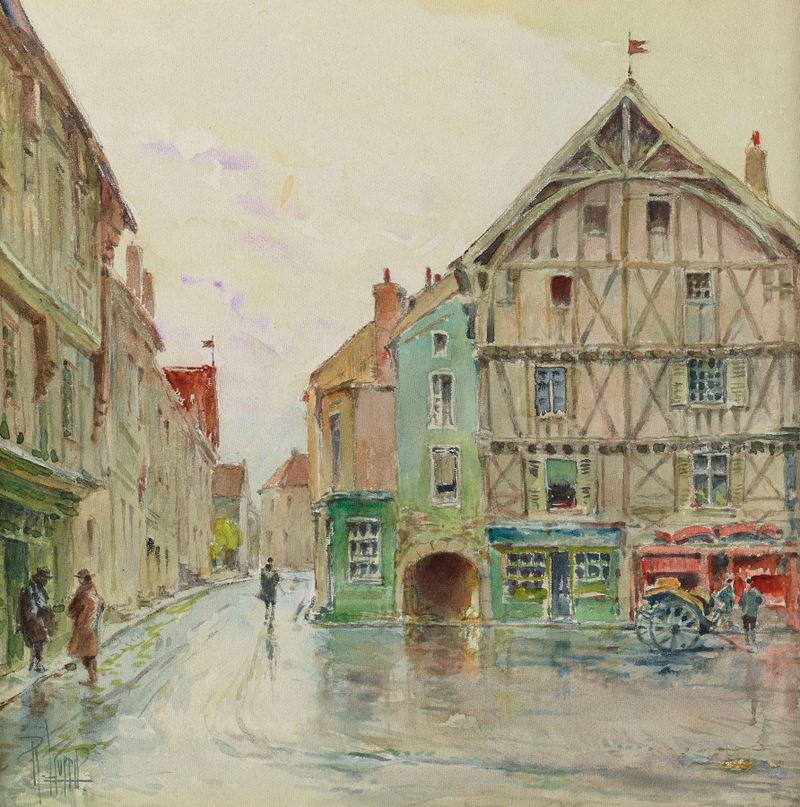
What if beauty was never meant to be finished? In the embrace of a quiet street, we find ourselves suspended in a moment where truth exists in every brushstroke, capturing the ephemeral essence of a world often overlooked. Look to the center of the canvas, where the gentle curve of the road guides your eye down the narrow lane. The muted greens and browns of the buildings harmonize with the soft play of light, illuminating textures and details that invite you to explore further. As you scan the scene, notice the delicate interplay of shadows, which dance across the cobblestones, hinting at the time of day and the fleeting nature of life.
The artist’s choice of palette infuses a sense of nostalgia, as if these streets hold secrets waiting to be uncovered. Yet beyond the serene exterior lies a tension between the stillness of the moment and the chaos of urban existence. The trees lining the street, while sturdy, seem to lean slightly, as if burdened by their surroundings or yearning for connection. Each structure tells a story of resilience amidst change, suggesting the passage of time and the weight of history.
It’s a subtle reminder that beauty often thrives in imperfection and the transitory nature of life itself. Réné Leverd painted this work during a period when Paris was rapidly evolving. With no definitive date, it reflects the artist's keen observation of urban life in the late 19th or early 20th century, a time marked by industrialization and transformation. Emerging from a background steeped in Impressionism, Leverd captured the essence of his surroundings, weaving together the vibrancy of the city with the quietude of its overlooked corners, ultimately inviting viewers to find beauty in their own realities.