
Rue À Saint-Cyr-Du-Vaudreuil — History & Facts
When did color learn to lie? In Rue À Saint-Cyr-Du-Vaudreuil, innocence dances with illusion, inviting the viewer to question the very nature of perception. Focus on the soft hues that blanket the countryside, where tender greens intermingle with muted earth tones. Notice how the gentle brushstrokes create a textured, almost tactile landscape, drawing your eye along the winding path that meanders into the distance. The dappled light filtering through the trees casts a warm glow, suggesting a serene day, yet there’s an underlying tension in the contrast between vibrancy and subtle decay. Delve into the intricate details that lie within the composition.
The flowers, lush and inviting, appear almost exaggerated, reminiscent of a child’s imaginative interpretation of nature. This juxtaposition hints at a fleeting innocence, easily unraveled by time. The meandering path, while picturesque, evokes a sense of journey—perhaps a metaphor for the passage from childhood to the complexities of adult life. Created in 1924, this work emerged during a period when Gustave Loiseau was deeply influenced by the idyllic landscapes of France.
At this time, Loiseau was fully engaged with the Post-Impressionist movement, exploring the interplay of light and color. His focus on capturing the essence of a specific moment in nature reflects a broader trend in art during the early 20th century, where artists began to grapple with the emotional resonance of their surroundings amidst a world rapidly changing.
More Artworks by Gustave Loiseau
Browse all →
Rue de village en Normandie
Gustave Loiseau
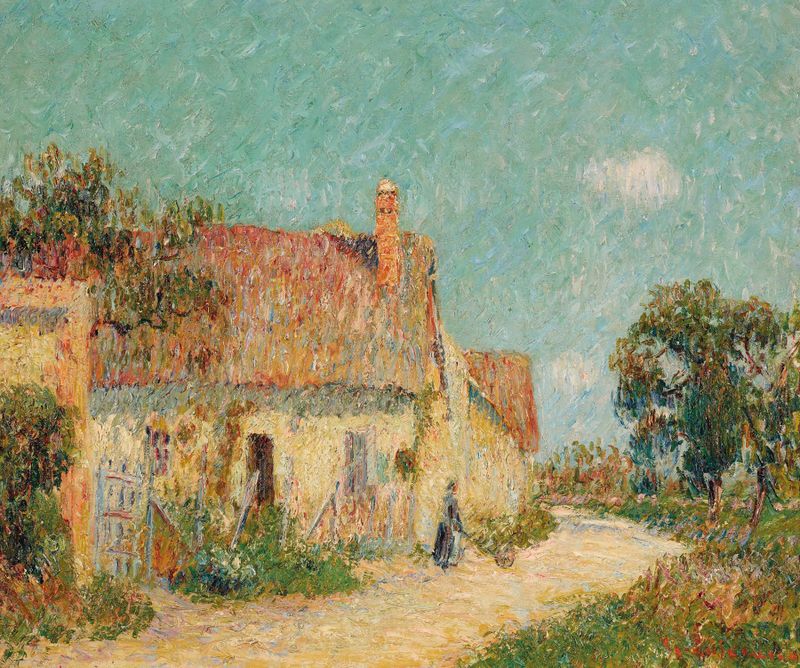
Chaumière en Normandie
Gustave Loiseau

Paysage d’Hiver à Chaponval
Gustave Loiseau
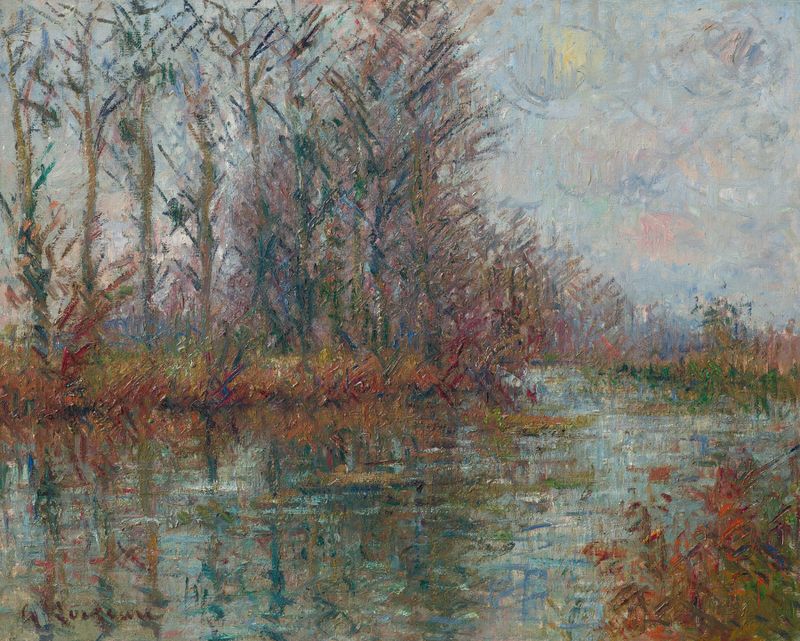
Tournant de rivière, L’Eure
Gustave Loiseau

Pont Marie, Paris
Gustave Loiseau

Le Bras De Mer
Gustave Loiseau

Le Pont Suspendu À Triel
Gustave Loiseau

Bord de la rivière
Gustave Loiseau
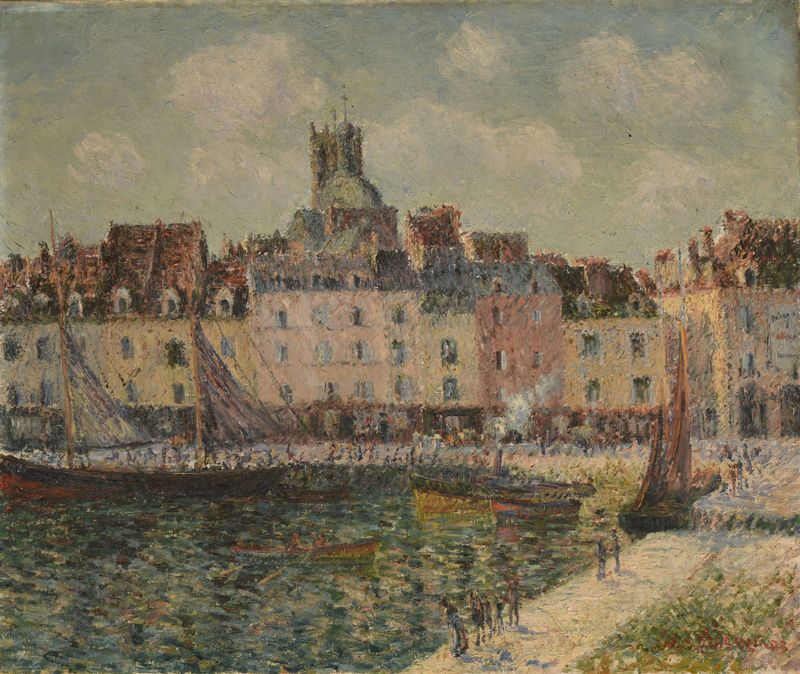
Le Quai Duquesne à Dieppe
Gustave Loiseau

Rocher la Teignouse, Cap Fréhel
Gustave Loiseau





