
Rueda — History & Facts
Could beauty survive in a century of chaos? In Rueda, the answer lies in a delicate dance of light and form, inviting viewers to reflect on the transcendence of beauty amidst turmoil. Focus first on the intricate interplay of light and shadow that envelops the central figure, drawing your gaze to the vibrant, swirling colors that seem to pulse with life. The composition is a masterclass in balance, where the dynamic curves of the foreground contrast against a soft, muted background, creating a sense of depth that beckons exploration. Notice how the artist employs a rich palette, with deep blues and fiery oranges, evoking a visceral response, as if you can feel the warmth emanating from the canvas. Delve deeper, and the emotional tension reveals itself in the juxtaposition of movement and stillness.
The figure, caught in a moment of grace, embodies the struggle between chaos and serenity; each stroke of the brush whispers stories of resilience. The patterns that spiral outward symbolize the interconnectedness of existence—chaos giving way to beauty, and beauty illuminating the path through the darkness. These layers invite contemplation about the fragility and strength inherent in the human experience. During the period when this work was created, Charles Hamilton Smith was navigating the evolving landscape of early 19th-century art, marked by significant political and social upheavals.
His mastery of depicting nature and humanity reflected the Romantic ideals of his time, while he sought to capture the essence of life amidst an era rife with change. This context enriches the understanding of Rueda, revealing both the universal and personal struggles within its frame.
More Artworks by Charles Hamilton Smith
Browse all →
Situation of H.M.S. Hecla & Griper
Charles Hamilton Smith
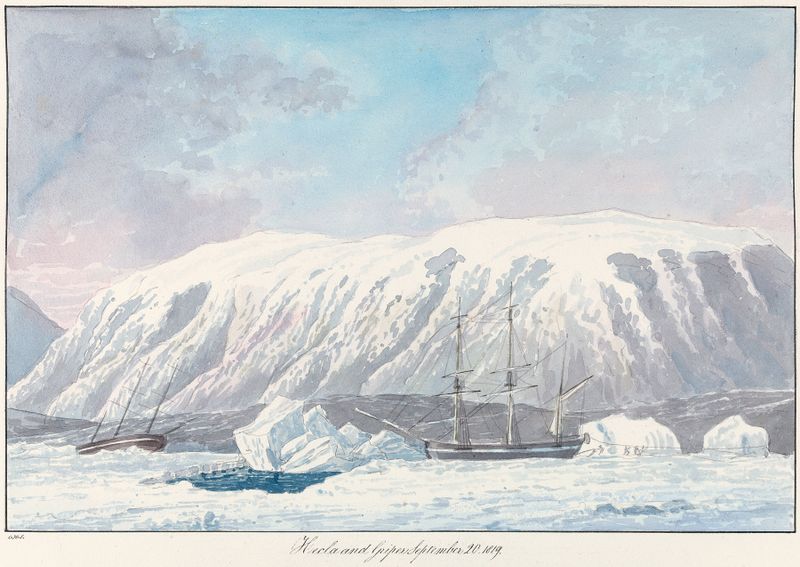
Hecla and Griper
Charles Hamilton Smith

Friendly Cove, Nootka Sound
Charles Hamilton Smith

Iceberg in Baffin’s Bay
Charles Hamilton Smith
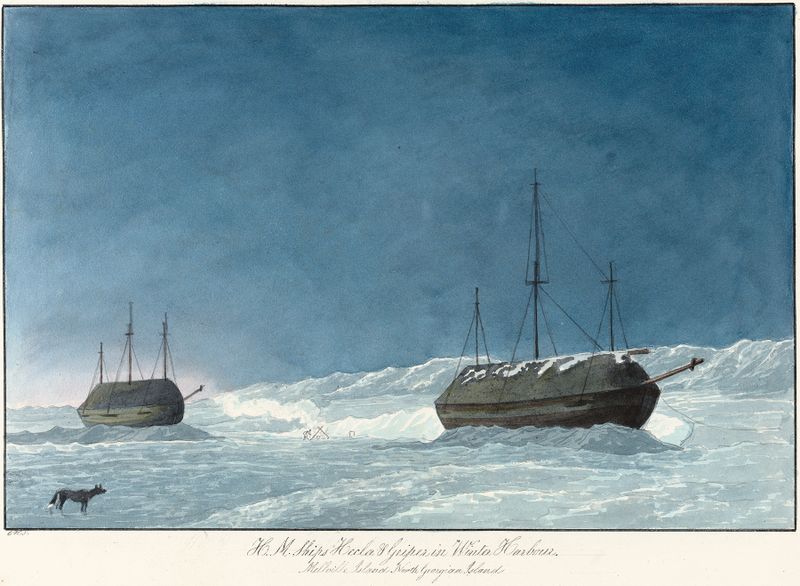
H. M. Ships Hecla and Griper in Winter Harbour
Charles Hamilton Smith

The Erebus & Terror in a Gale in the Pack of the Ice
Charles Hamilton Smith
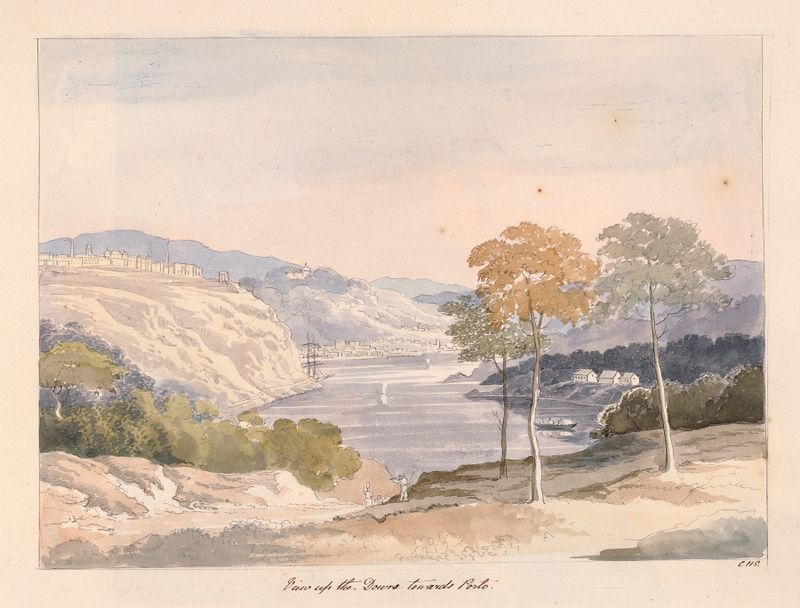
View of the Douro towards Porto
Charles Hamilton Smith
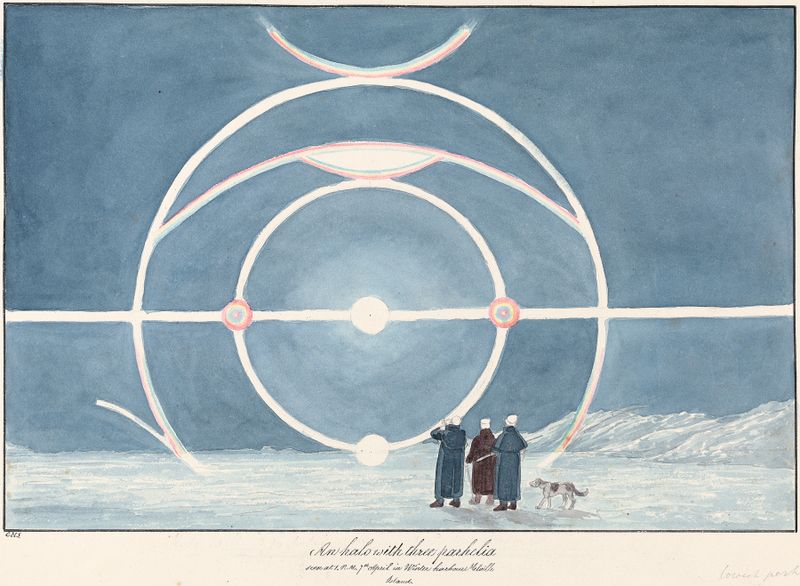
Halo with Three Parhelia, Winter Harbour Melville Island
Charles Hamilton Smith
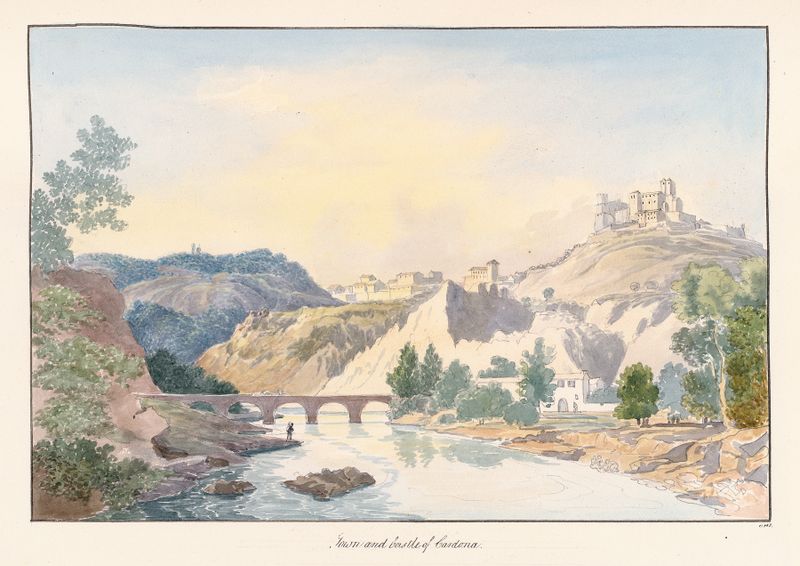
Town and Castle of Cardona
Charles Hamilton Smith
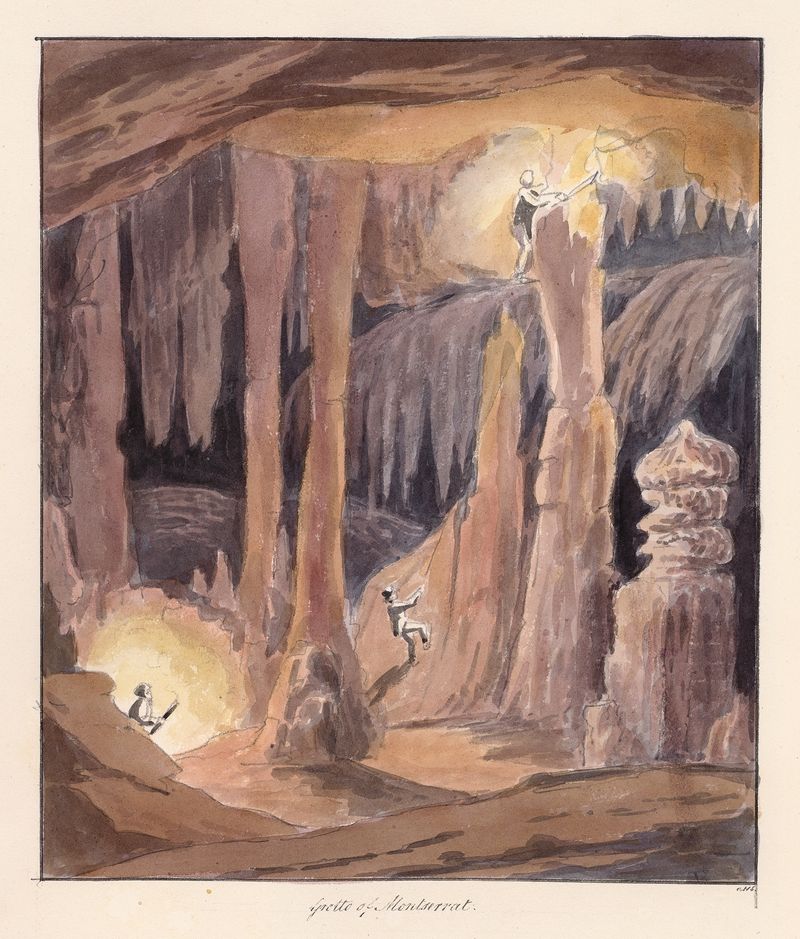
Grotto of Montserrat
Charles Hamilton Smith





