
Ruin Neu Falckenstein near Balsthal — History & Facts
Could a single brushstroke hold eternity? In the delicate layers of Ernst Stückelberg’s Ruin Neu Falckenstein near Balsthal, time is not merely depicted; it is entwined within every stroke and shade, whispering stories of decay and resilience. Look to the left, where the ancient stone structure stands, crumbling yet dignified against a backdrop of verdant hills. The play of light across the ruins casts both shadow and luminescence, creating a dialogue between the lingering past and the vibrant present. Notice how the earthy palette of greens and browns envelops the scene, while dappled sunlight filters through the treetops, illuminating patches of the age-old stones—each detail meticulously rendered, evoking an aura of nostalgia and reverence. Delve deeper into the painting's emotional landscape.
The juxtaposition of the serene natural beauty and the decaying ruin embodies the fleeting nature of time, suggesting that while physical forms may wither, beauty persists in memory. The gentle brushwork highlights the fragility of existence, as if inviting viewers to ponder their own place within the continuum of history. The composition, with its balance of solid structure and ethereal light, encapsulates the tension between permanence and impermanence, emphasizing that all that is monumental will one day yield to the passage of time. Stückelberg painted Ruin Neu Falckenstein near Balsthal between 1886 and 1889, during a period when he was deeply engaged with the themes of romantic nostalgia and natural beauty.
Living in Switzerland amidst an era of burgeoning artistic exploration, he sought to capture the essence of landscapes that bore witness to human history. This work reflects not only his personal vision but also the broader movement of Romanticism, where nature and time played pivotal roles in artistic expression.
More Artworks by Ernst Stückelberg
Browse all →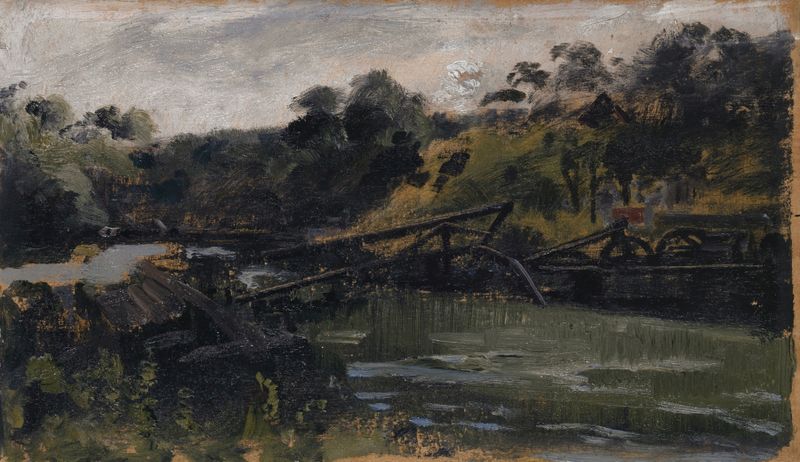
The Collapsed Bridge after the Train Accident of Munchenstein on June 14
Ernst Stückelberg
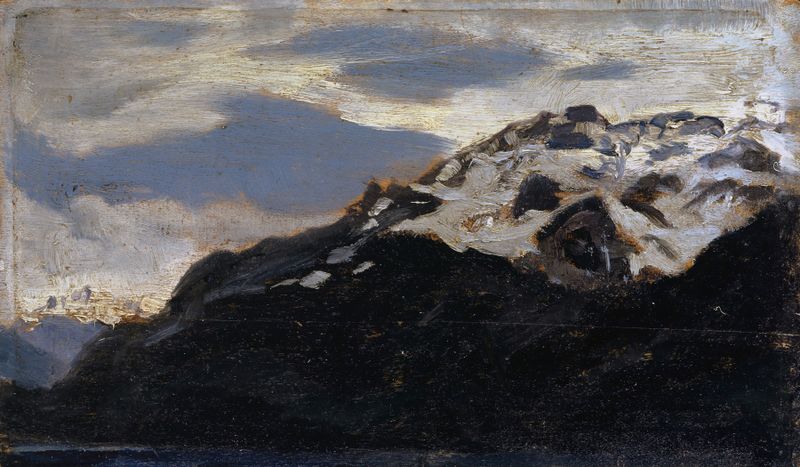
At the Lake of Brienz near Ringgenberg
Ernst Stückelberg

Children Playing on a Meadow
Ernst Stückelberg
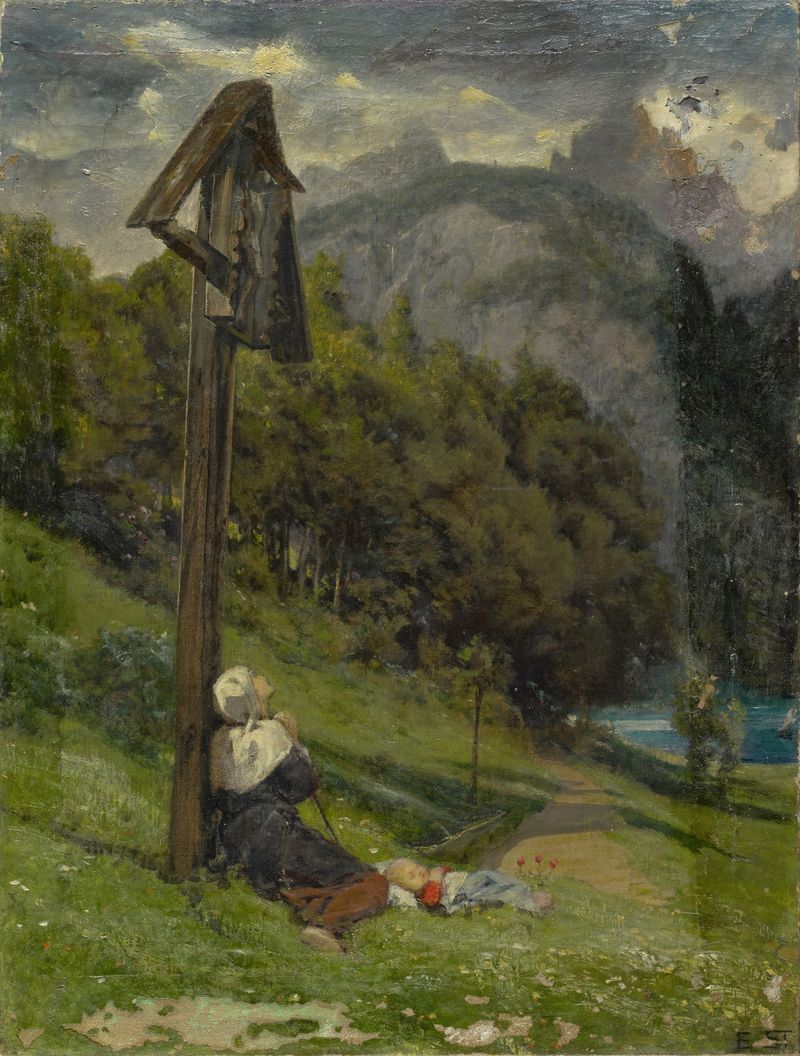
Aroleid
Ernst Stückelberg

The Lagoon
Ernst Stückelberg

The Erythrean Message to the People of Tarquinia
Ernst Stückelberg
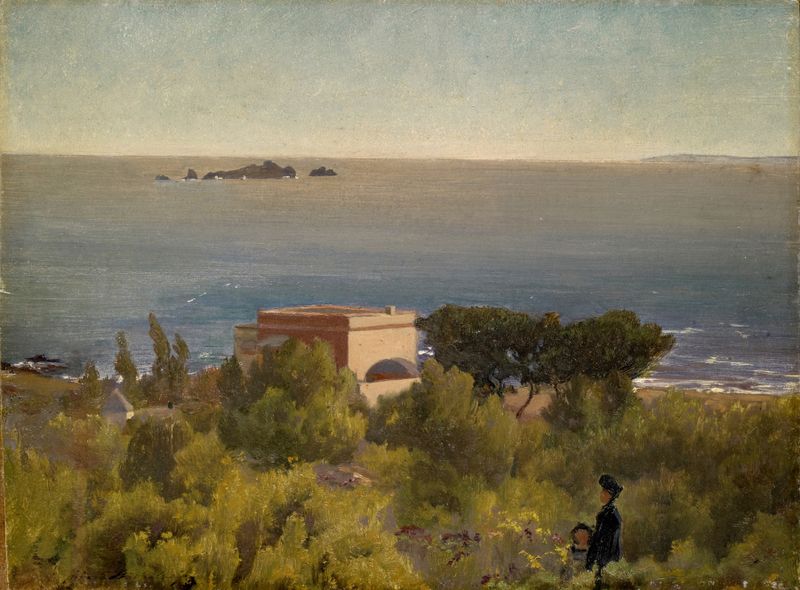
Mansion at the Seashore
Ernst Stückelberg





