
The Erythrean Message to the People of Tarquinia — History & Facts
Could a single brushstroke hold eternity? In The Erythrean Message to the People of Tarquinia, time is distilled into a moment, evoking the fragility of existence against the vast backdrop of human aspiration. Focus on the vibrant hues that dominate the composition, where gentle reds and deep blues weave together like threads in a tapestry. Notice how the figures, draped in flowing garments, seem to engage in a silent dialogue, their postures gracefully intersecting yet distinctly separated. Light spills onto their forms, illuminating their expressions and inviting introspection, while shadows gracefully retreat, hinting at the transient nature of life itself. Delve deeper into the symbolism that permeates the painting; each figure represents a facet of humanity’s quest for knowledge and connection in the face of mortality.
The serene landscape in the background serves as a stark contrast to the complexity of their interactions, suggesting that while life's moments are fleeting, they are also rich with meaning. The tension between permanence and impermanence resonates throughout, compelling the viewer to reflect on their own place within this continuum. In 1891, the artist worked in Switzerland, a period marked by artistic experimentation and a growing interest in symbolism. Stückelberg was deeply influenced by philosophical ideas of existence and mortality, reflecting the broader cultural dialogue of his time.
As an artist seeking to bridge the physical and the spiritual, he created this piece during a pivotal moment in his career, striving to capture the essence of human experience amidst the ever-looming specter of time.
More Artworks by Ernst Stückelberg
Browse all →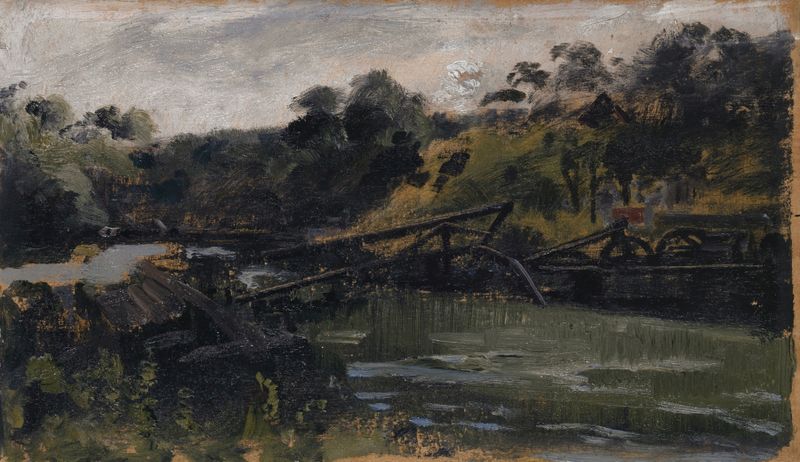
The Collapsed Bridge after the Train Accident of Munchenstein on June 14
Ernst Stückelberg
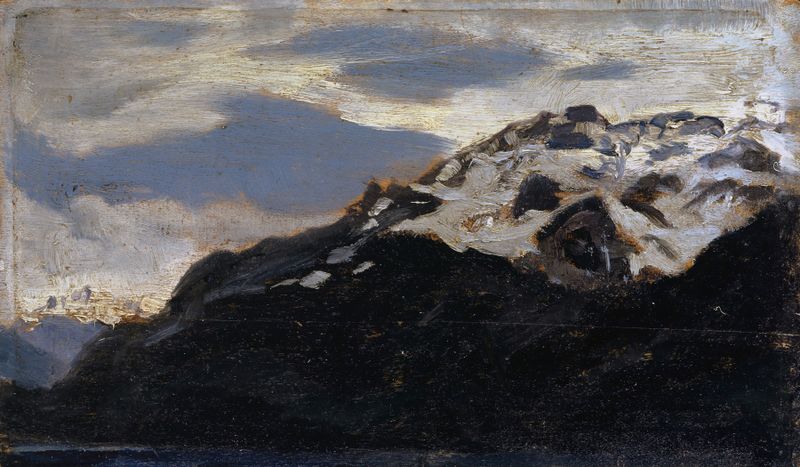
At the Lake of Brienz near Ringgenberg
Ernst Stückelberg

Ruin Neu Falckenstein near Balsthal
Ernst Stückelberg

Children Playing on a Meadow
Ernst Stückelberg
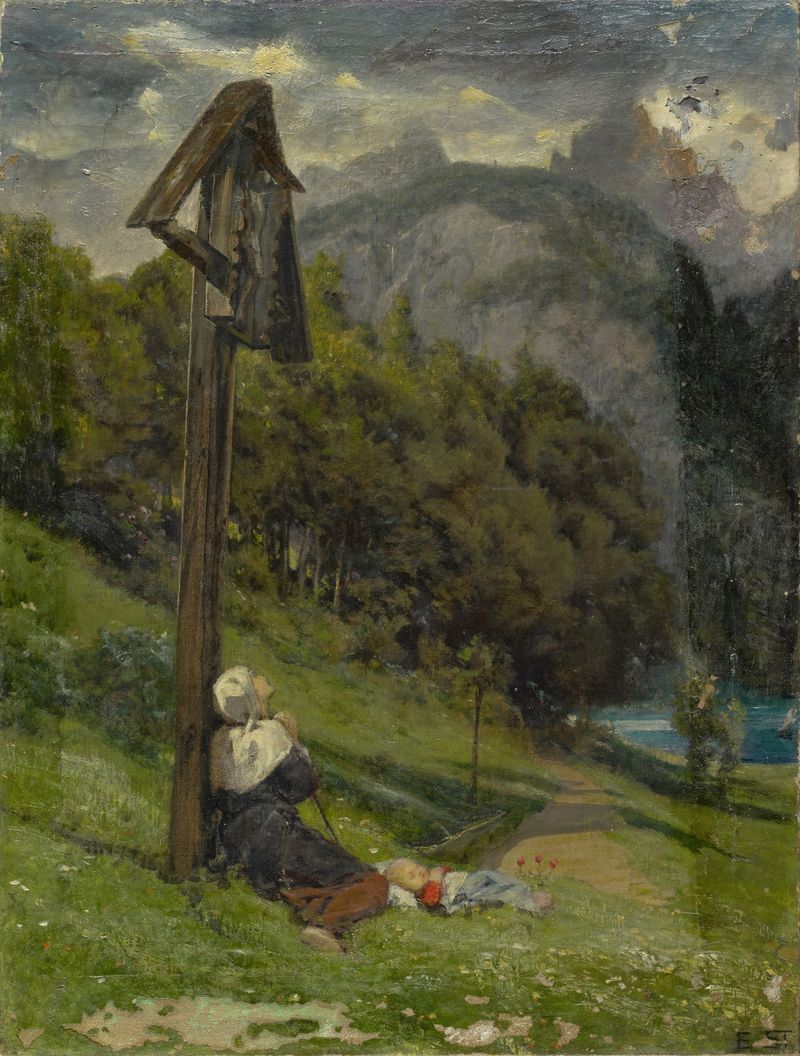
Aroleid
Ernst Stückelberg

The Lagoon
Ernst Stückelberg
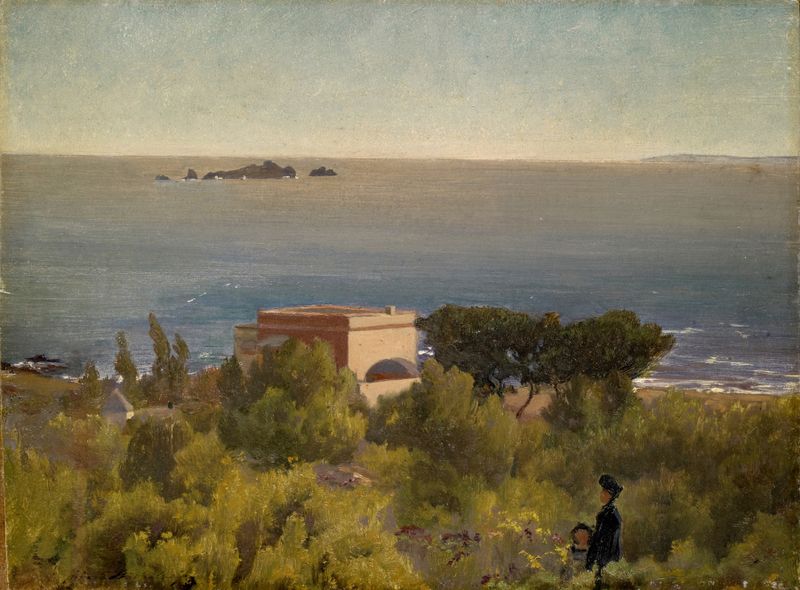
Mansion at the Seashore
Ernst Stückelberg
More Historical Art
Browse all →
The Night Watch Militia Company of District II under the Command of Captain Frans Banninck Cocq
Rembrandt van Rijn

Lincoln Memorial
Henry Bacon

The Third of May 1808
Francisco de Goya

Isaac and Rebecca, Known as ‘The Jewish Bride’
Rembrandt van Rijn

The Charge of the Mamelukes (1814)
Francisco de Goya

De vier ruiters van de apocalyps
Albrecht Dürer