
Aroleid — History & Facts
Can beauty exist without sorrow? The delicate balance between joy and melancholy reverberates through the canvas, inviting viewers to ponder the passage of time and the layers of human experience. Look closely at the textured surface, where muted earth tones intertwine with vibrant splashes of color. The foreground draws you in with its intricate details, inviting your gaze to explore every nuance of light and shadow. Notice how the composition creates a rhythmic flow, as shapes emerge and recede, echoing the cycles of life.
Each stroke seems to breathe, suggesting both fragility and resilience. Beneath the surface, a profound tension lies in the juxtaposition of contrasting elements. The warm hues evoke a sense of nostalgia, while the darker shades hint at loss or longing. This interplay speaks to the inevitability of change — how moments of beauty are often tinged with impermanence.
As you linger, consider how the artist articulates this duality, making the viewer acutely aware of their own relationship with time. Created during a period of introspection and innovation in the art world, this work reflects the evolving styles of the late 19th century. Although the exact date remains unknown, Ernst Stückelberg's focus on emotive landscapes and narratives points to a moment in which artists were beginning to explore deeper psychological and existential themes. The world was shifting, and artists like Stückelberg were capturing the essence of that transformation with remarkable sensitivity.
More Artworks by Ernst Stückelberg
Browse all →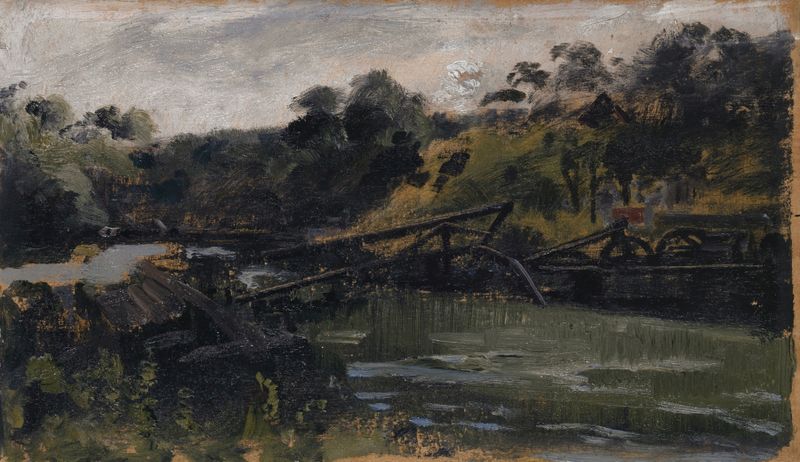
The Collapsed Bridge after the Train Accident of Munchenstein on June 14
Ernst Stückelberg
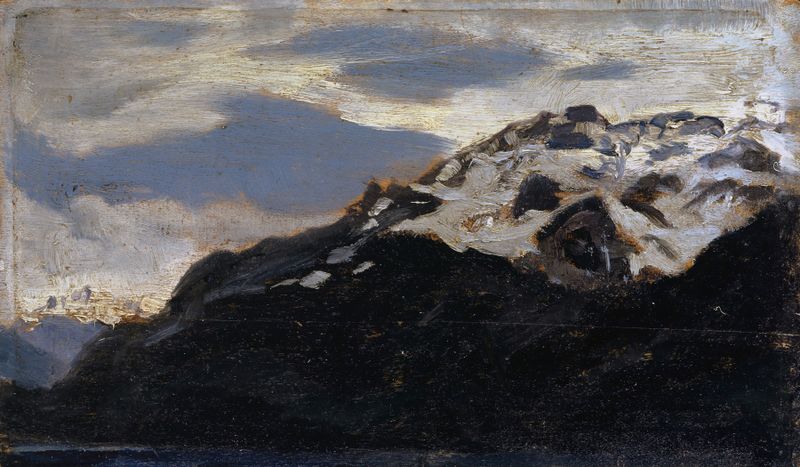
At the Lake of Brienz near Ringgenberg
Ernst Stückelberg

Ruin Neu Falckenstein near Balsthal
Ernst Stückelberg

Children Playing on a Meadow
Ernst Stückelberg

The Lagoon
Ernst Stückelberg

The Erythrean Message to the People of Tarquinia
Ernst Stückelberg
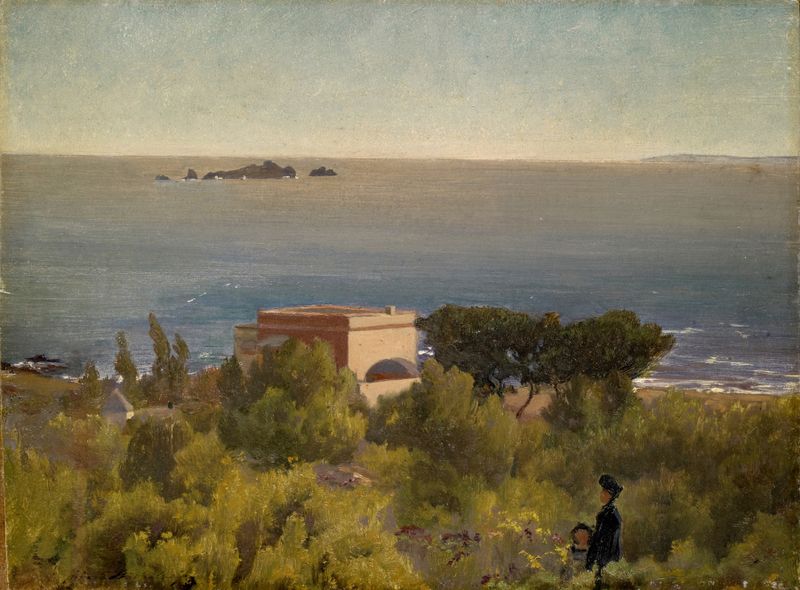
Mansion at the Seashore
Ernst Stückelberg





