
Ruine von Schloss Waardenburg — History & Facts
In the stillness of a forgotten moment, the remnants of a once-grand castle stand as silent witnesses to fragility and decay. This juxtaposition invites contemplation on the notions of innocence lost, a narrative woven into the very stones of the ruin. Look to the left at the crumbling facade of the castle, where the sun casts a gentle light across its weathered surface. Notice the intricate details of the architecture now softened by time — the delicate arches and broken windows framing the desolation.
The muted color palette of earthy browns and faded greens evokes a melancholic yet serene atmosphere, elevating the visual experience into one of poignant beauty. The artist's meticulous brushwork draws your gaze through the composition, encouraging a slow examination of the landscape that swallows the structure. Yet, amid the decay, there lies an undeniable tension between beauty and sorrow. The lush foliage that encroaches upon the ruins suggests nature’s relentless reclaiming, while the juxtaposition of the castle's grandeur against its present desolation speaks to the inevitable passage of time.
Each crumbling stone serves as a reminder of the fleeting nature of innocence and the stories hidden within the silence, urging the viewer to reflect on what remains unseen. Roelant Roghman painted this piece during a period when the Dutch artistic landscape was transitioning, marked by a growing interest in landscape and architectural ruins, inspired by the classical ideals of beauty. The exact date of creation remains uncertain, but his works from the 17th century reflect the cultural shifts post-Golden Age, where artists began to explore deeper emotional narratives through nature and architecture, capturing a poignant blend of nostalgia and reflection.
More Artworks by Roelant Roghman
Browse all →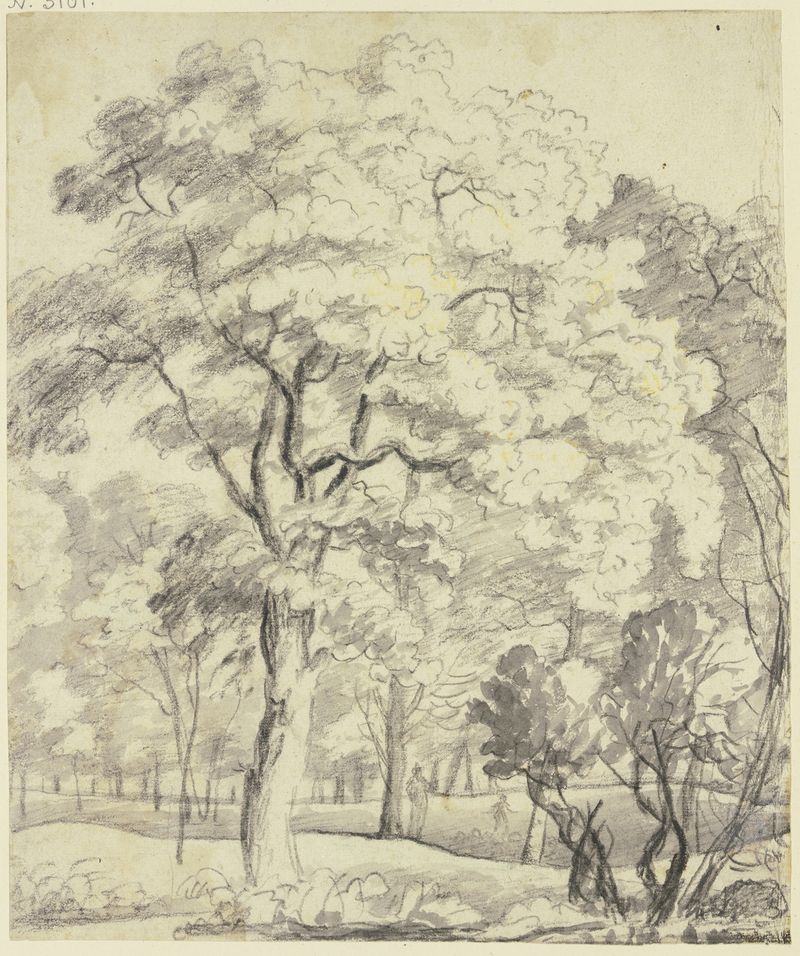
Waldpartie mit zwei Figuren
Roelant Roghman
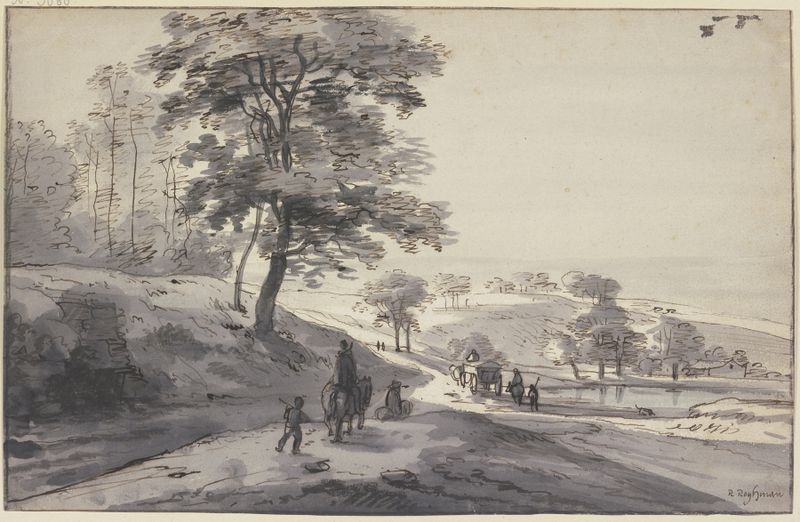
An einem Wasser vorbei über einen Hügel zieht sich ein mit einem Wagen, Reitern und Fußgängern belebter Weg
Roelant Roghman
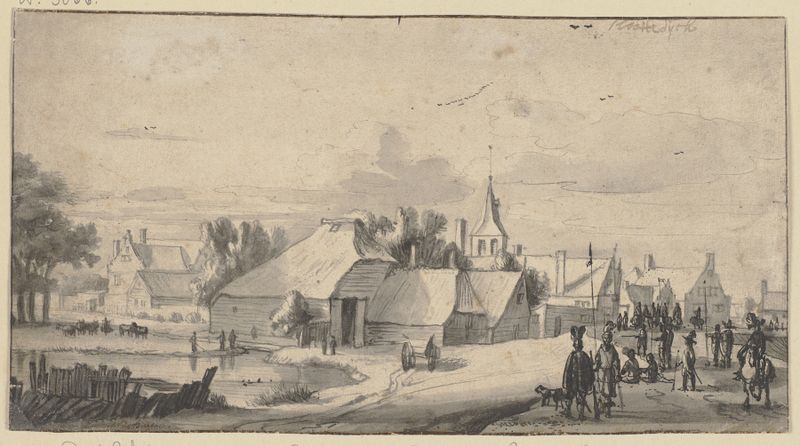
Das Dorf Sloterdyk zur Zeit des Durchzuges der Truppen des Prinzen Wilhelm II von Oranien im Jahre 1650
Roelant Roghman

Landschap met een reiswagen voor een boerderij
Roelant Roghman

The Ruin of Huis ‘t Sant at Katwijk aan Zee
Roelant Roghman
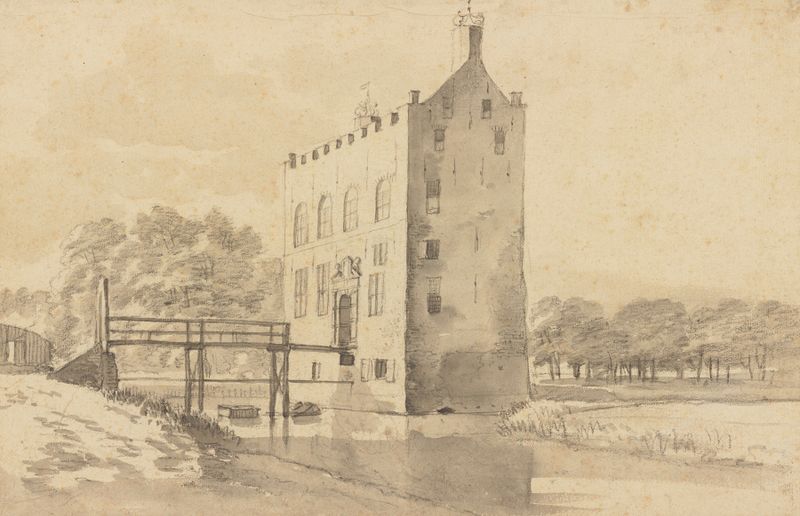
The Castle Giessenburg, near Gorinchem
Roelant Roghman
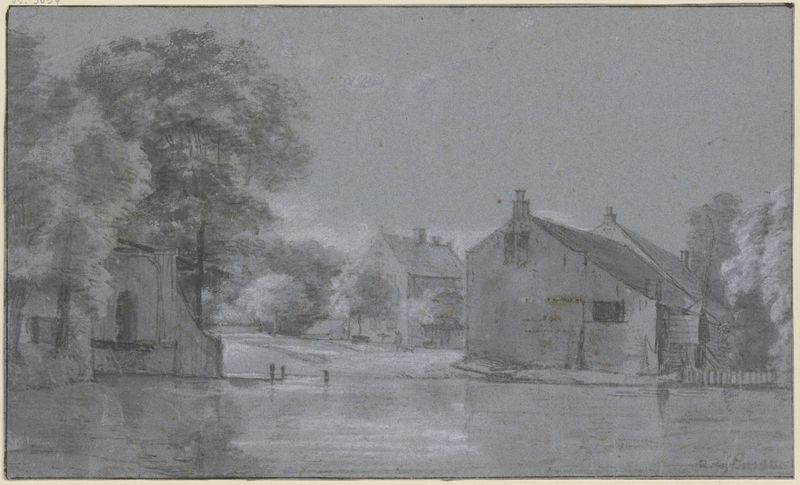
Ein Dorf mit Baumgruppen an einem Fluss
Roelant Roghman
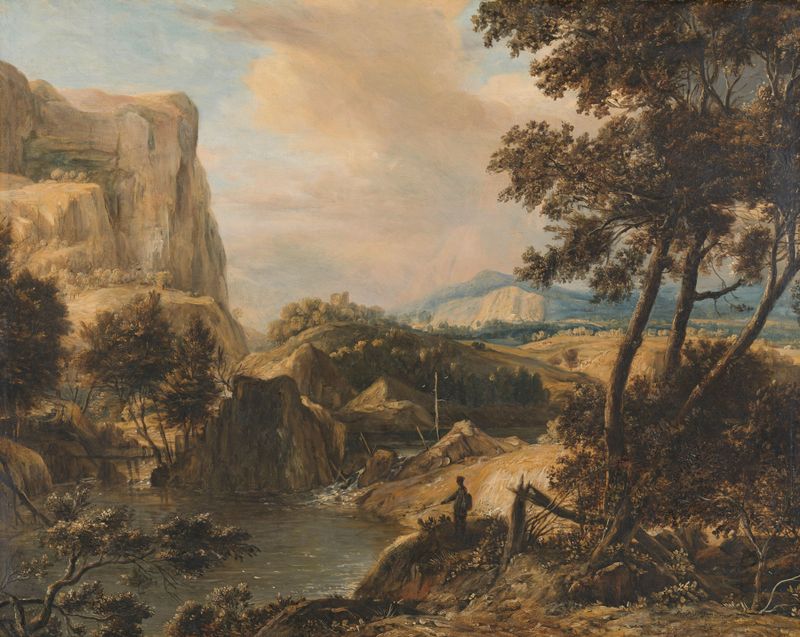
Mountainous landscape with fisherman
Roelant Roghman

Waldlandschaft mit Wasserfall
Roelant Roghman
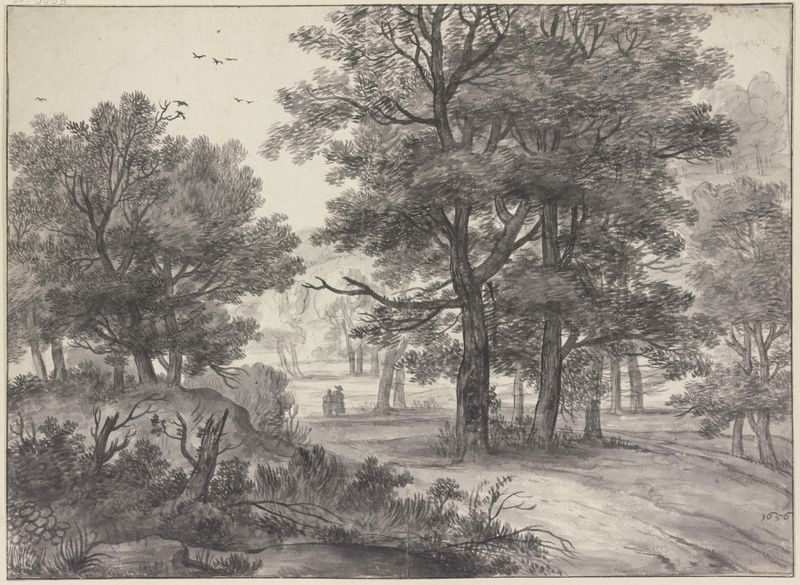
Waldpartie, auf dem Weg zwei Figuren, links oben mehrere Raben
Roelant Roghman
More Architecture Art
Browse all →
The statue of Liberty
Frédéric Auguste Bartholdi

View of Houses in Delft, Known as ‘The Little Street’
Johannes Vermeer

View of Houses in Delft, Known as ‘The Little Street’
Johannes Vermeer

The Cathedral in Rouen. The portal, Grey Weather
Claude Monet

The yellow house
Vincent van Gogh

The Church in Auvers-sur-Oise, View from the Chevet
Vincent van Gogh