
Ruins on the Nile — History & Facts
In the stillness of a lost time, silence envelops the shadows of ancient ruins, whispering secrets of the past. The remains of a grand civilization stand resolute against the gentle current of the Nile, as if time itself holds its breath, inviting contemplation. Each element within the frame resonates with a profound absence, echoing the stories of lives once lived and the enduring passage of nature. Look to the far left, where the sun casts a soft glow across the weathered stone, illuminating intricate carvings that seem to breathe life into the crumbling edifice.
Notice how the artist's deft brushwork captures the interplay of light and shadow, enhancing the texture of the ruins against the tranquil water. The palette, dominated by warm earth tones and subtle greens, draws the eye toward the horizon, where the banks of the river cradle the remnants of history, inviting the viewer to ponder the passage of time. As you immerse yourself in the scene, consider the emotional tension between decay and resilience. The juxtaposition of the vibrant life of the Nile and the silent ruins questions the very nature of existence.
Small details, such as the delicate foliage creeping through the cracks, symbolize the persistence of life, even in the face of inevitable decline. This interplay evokes a sense of nostalgia, reminding us of the impermanence of human achievements and the lasting power of nature. In 1871, during a period of artistic exploration and fascination with antiquity, James Fuller Queen created this evocative landscape while traveling through Egypt. The tumult of post-Civil War America lingered in the air, a time when artists sought solace and inspiration in foreign lands.
Queen's work reflects a deeper yearning for connection to history, merging the remnants of ancient cultures with the timeless beauty of the natural world around them.
More Artworks by James Fuller Queen
Browse all →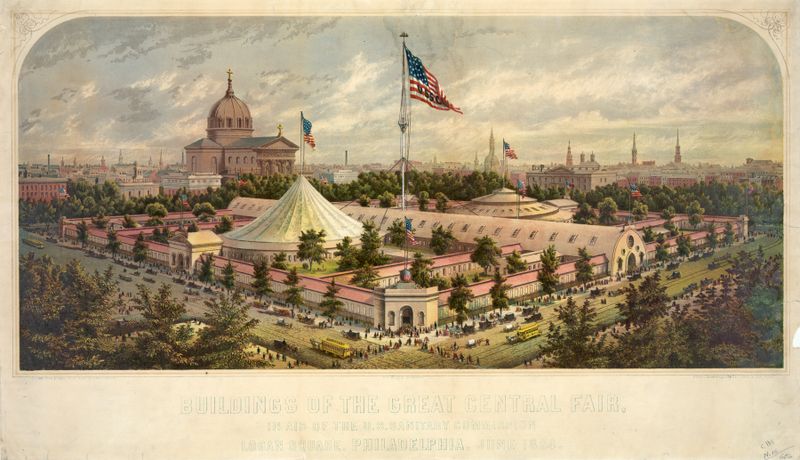
Buildings of the Great Central Fair, in aid of the U.S. Sanitary Commission, Logan Square, Philadelphia, June 1864
James Fuller Queen
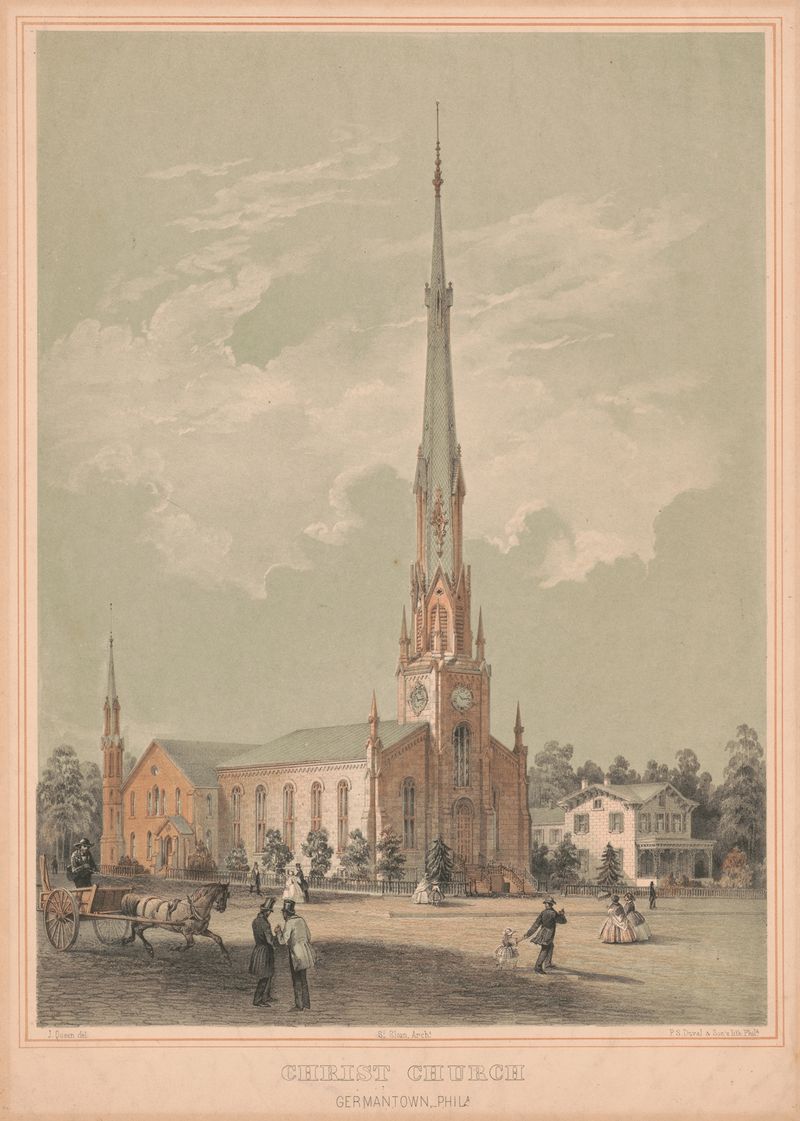
Christ Church, Germantown, Phila.
James Fuller Queen
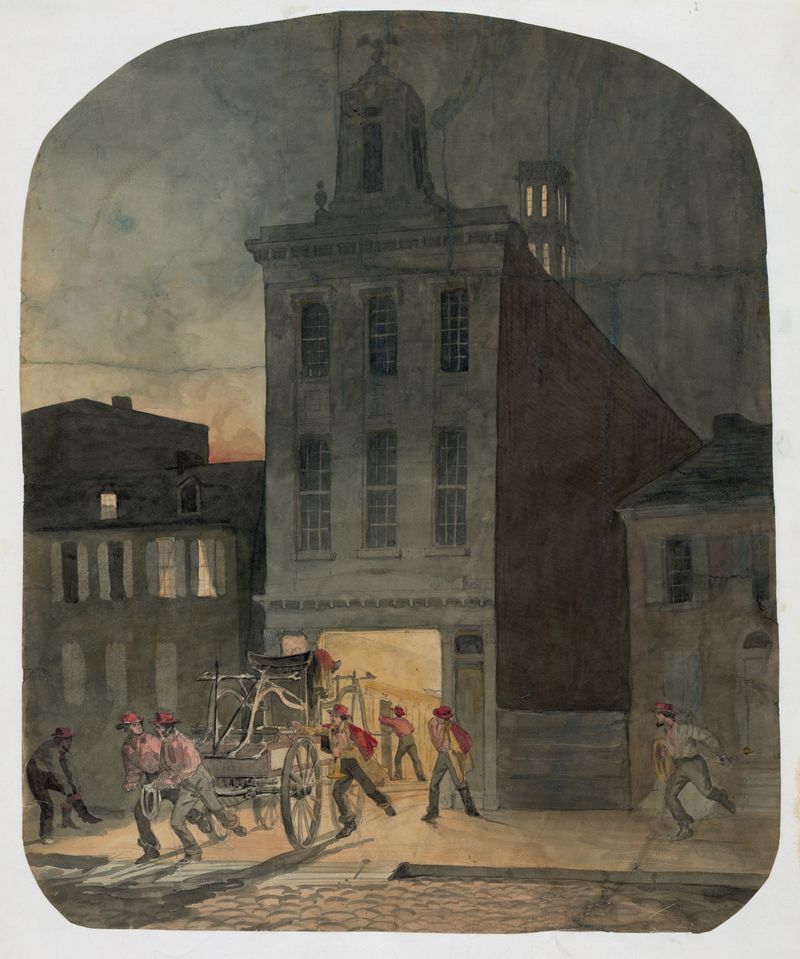
Firehouse scene in Philadelphia showing firemen from the Weccacoe Engine Company
James Fuller Queen
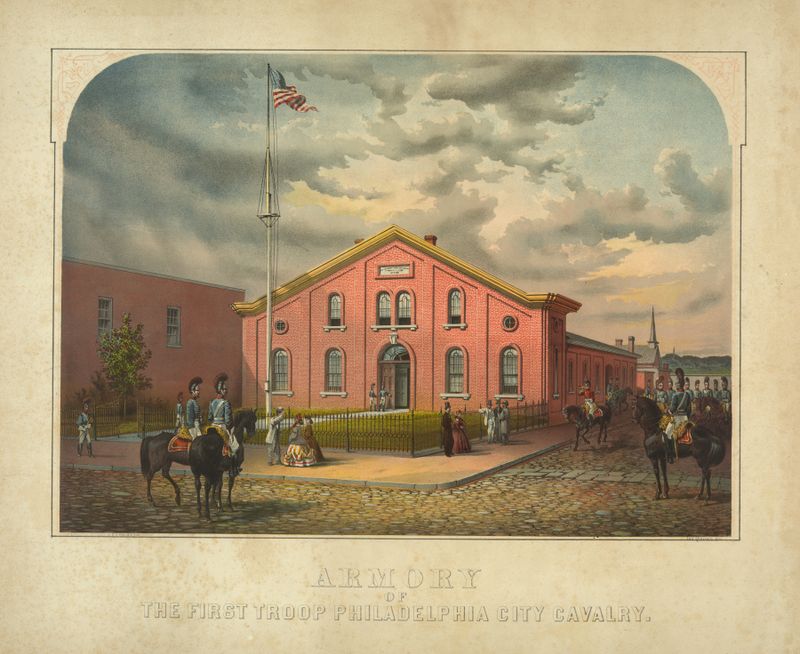
Armory of the First Troop Philadelphia City Cavalry
James Fuller Queen
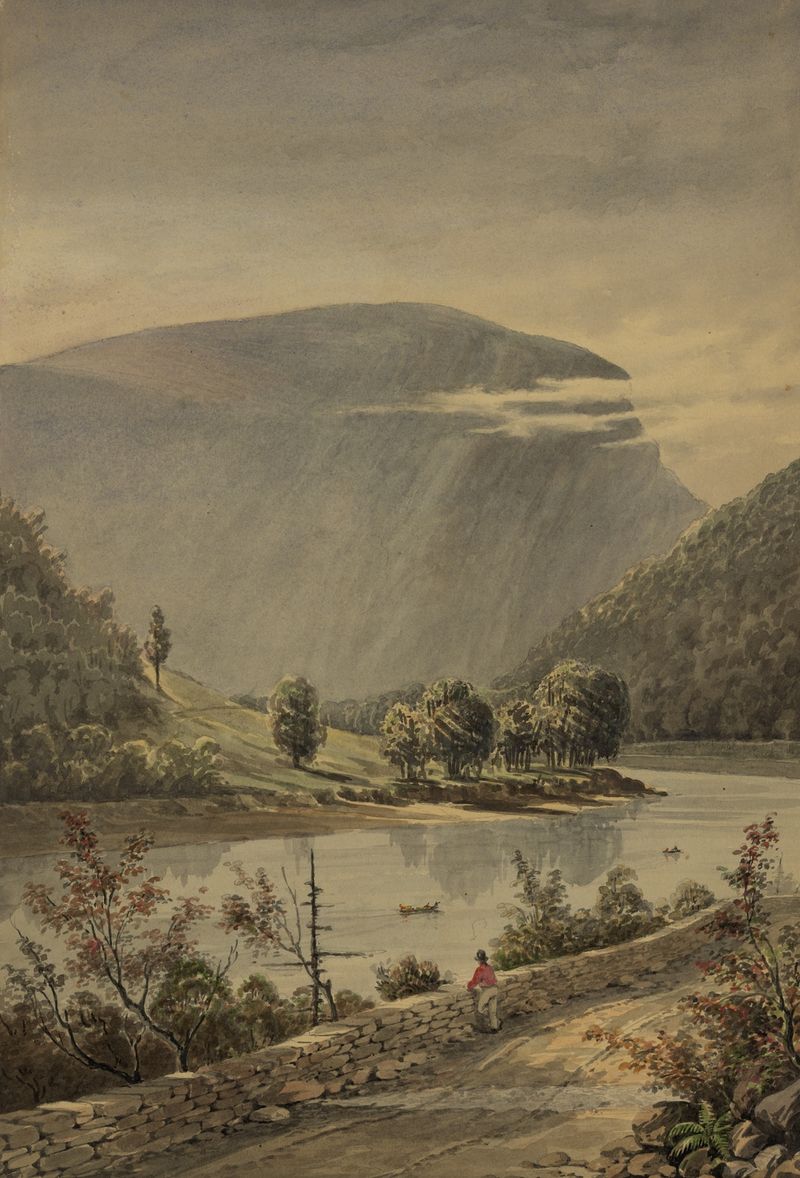
Delaware Water Gap
James Fuller Queen
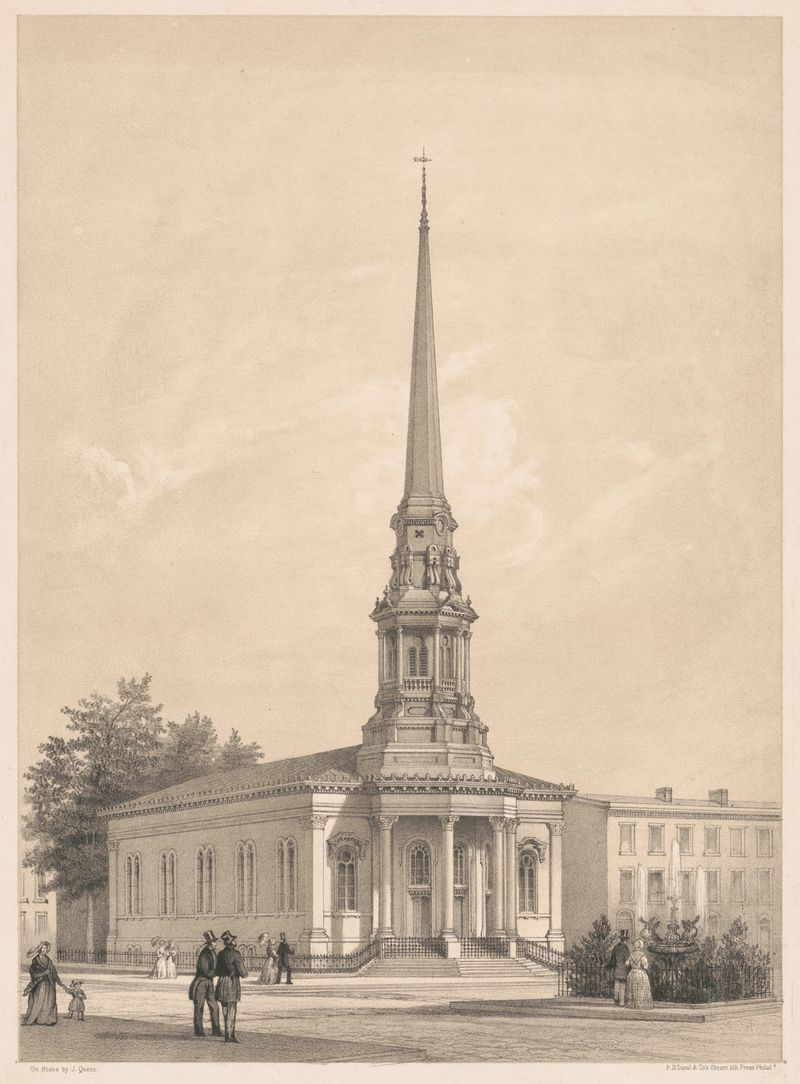
The Fourth Baptist Church, N.W. corner of Fifth & Buttonwood Streets, Philadelphia
James Fuller Queen
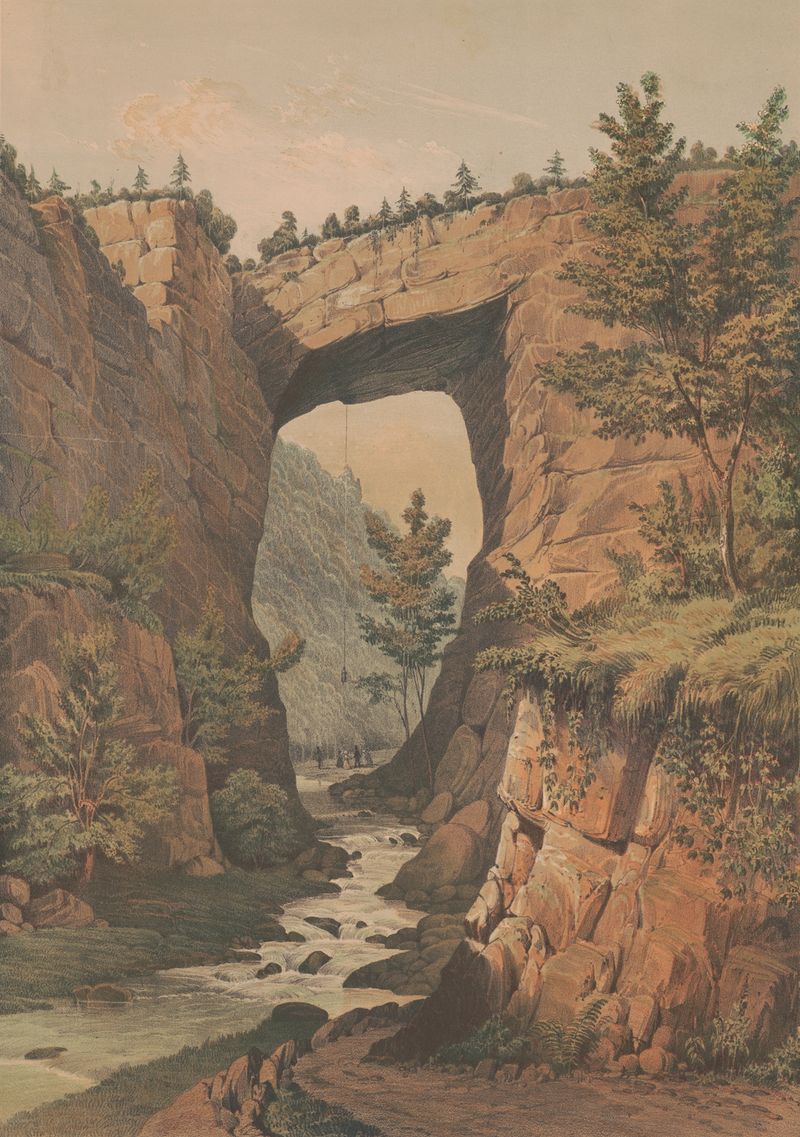
The natural bridge, Rockbridge County, Va. from a sketch by Maj. Ths. H. Williamson
James Fuller Queen
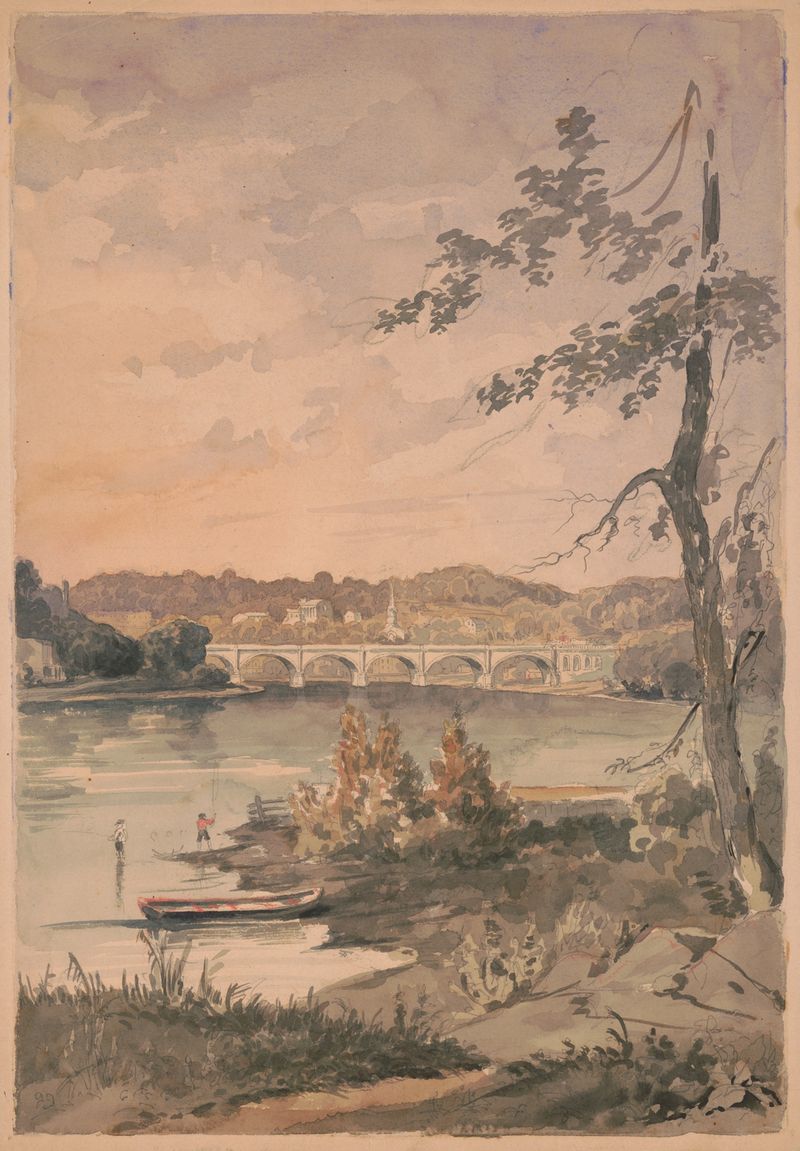
Boys fishing on the banks of the Schuylkill River in Philadelphia
James Fuller Queen

Schuylkill Arsenal at sunset, from across the Schuylkill River, looking west
James Fuller Queen

Explosion of the Alfred Thomas at Easton Pa. March 6th 1860
James Fuller Queen





