Runaways — History & Facts
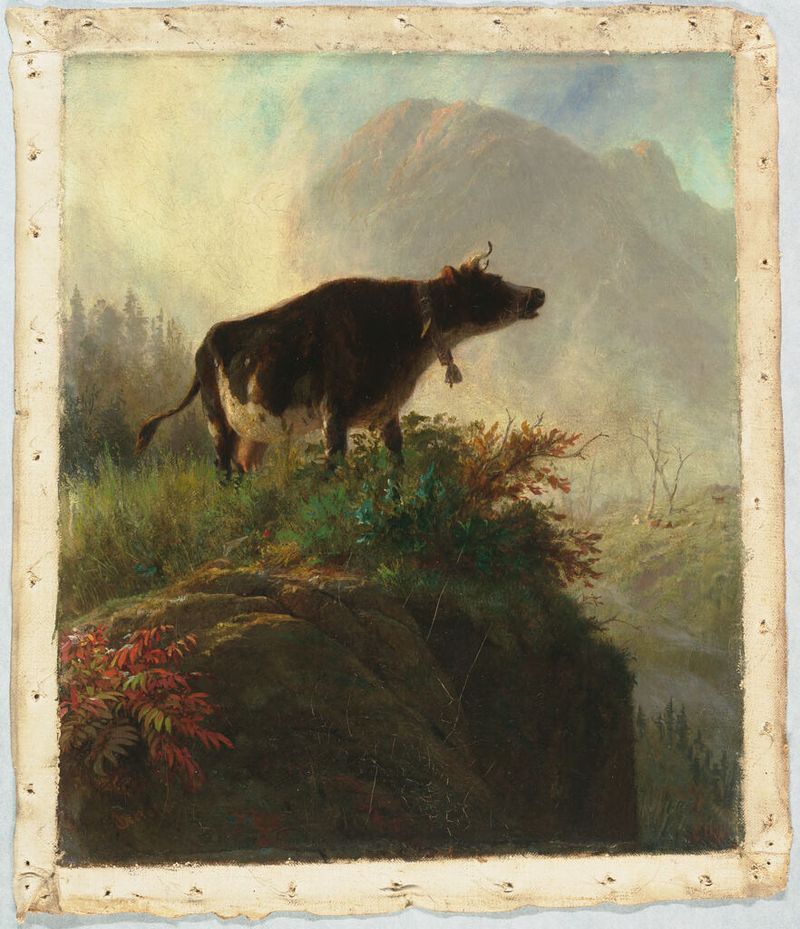
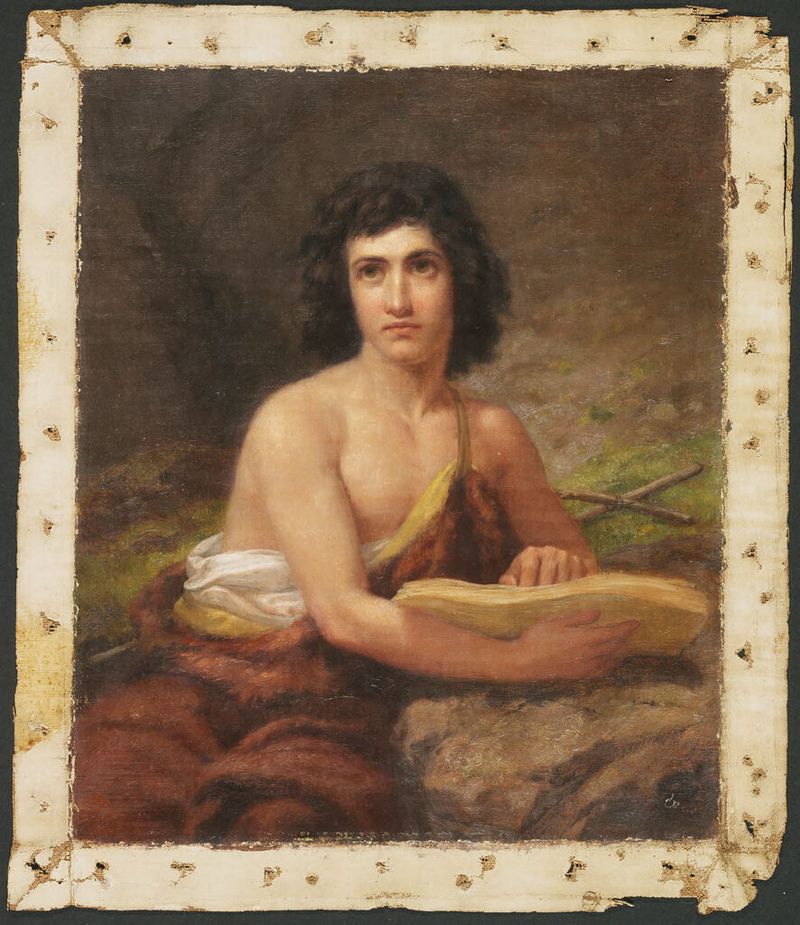
What secret hides in the quiet of the canvas? Runaways invites viewers to step into a world where light and shadow intertwine to reveal the fragile essence of freedom and escape. Look to the center of the scene; there, two figures emerge, their expressions a mix of determination and trepidation. The play of soft light highlights their faces, accentuating the delicate tension between hope and fear. The background, painted in muted earth tones, serves as a stark contrast to the figures, drawing the eye to their movement and creating a sense of urgency.
Notice how light filters through the foliage, casting dappled shadows that suggest both concealment and revelation, as if nature itself is participating in their flight. Beneath the surface, the painting conveys deeper themes of longing and liberation. The juxtaposition of the dark forest with the illuminated figures signifies the struggle between confinement and the pursuit of freedom. Each brushstroke evokes a whisper of the unspoken stories of countless souls who dare to escape the chains of their circumstances.
The tension in their posture and the intensity in their gaze reveal a poignant emotional struggle, inviting viewers to reflect on their own desires for liberation. In 1877, Johannes Adam Simon Oertel created Runaways during a time of great social change and artistic exploration. Living in the United States after his emigration from Germany, Oertel was influenced by both Romanticism and Realism, aiming to capture the complexities of human experience. This work reflects his interest in narratives of escape, mirroring broader societal shifts and the quest for individuality in an evolving world.