Morning Call — History & Facts
Did the painter know this moment would outlive them? In the quiet of the early morning, a gentle light filters through the soft haze, casting a warm glow over the figures engaged in their timeless ritual. The scene unfolds with an air of nostalgia, capturing an essence of daily life that feels both familiar and transcendent. Focus on the central figure, a woman dressed in a flowing gown, her delicate hands cradling a steaming vessel. Look closely at the interplay of light on her face, illuminating her serene expression while shadows dance in the background.
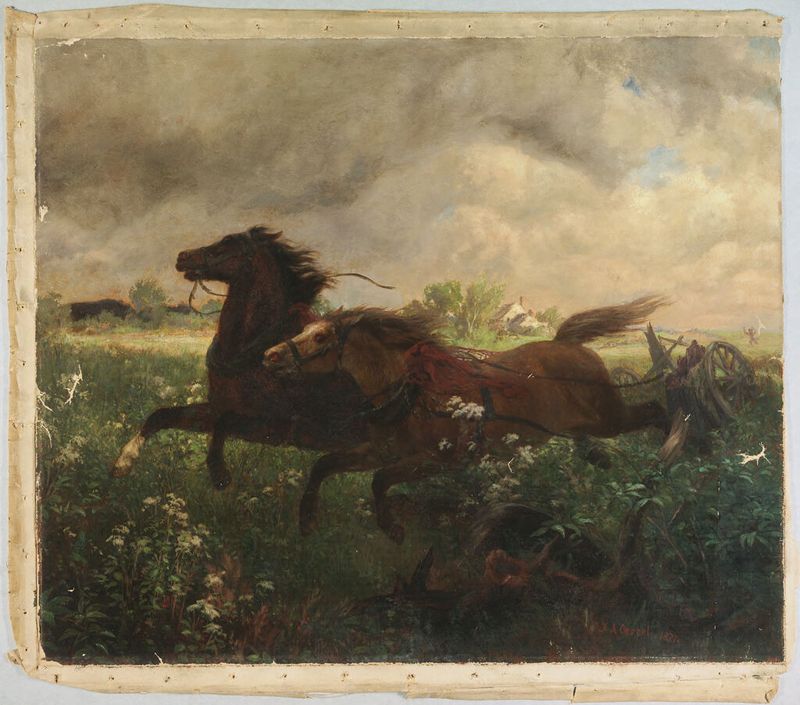
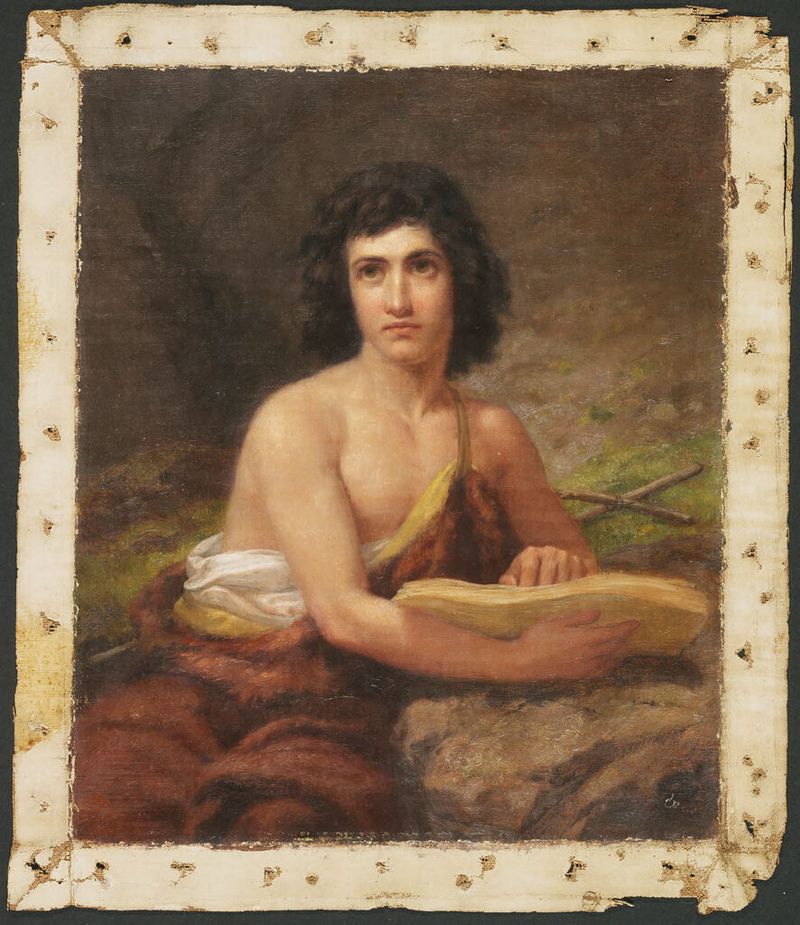
The warm palette of ochres and muted blues invites the viewer into this intimate space, while the subtle brushwork reveals the artist's mastery in capturing both the softness of human emotion and the tactile quality of the environment. The contrast between the warmth of the morning light and the cool shadows creates a palpable tension, evoking a sense of longing for a past that is both personal and collective. The woman’s posture and the gentle way she gazes off into the distance suggest a moment of introspection, possibly reflecting on the fleeting nature of time and the preciousness of daily rituals. Each element in the composition contributes to an overall impression of tranquility intertwined with an undercurrent of wistful remembrance. In 1876, Oertel created this piece while living in America, at a time when the nation was grappling with its identity and the remnants of its past.
Having emigrated from Germany, he was influenced by the Romantic ideals of the time, seeking to capture the emotional essence of everyday life through art. The work not only reflects his skill as a painter but also serves as a poignant reminder of the moments that shape our lives, resonating across generations.