
Ruïne van een klooster te Barcelona — History & Facts
In the interplay of light and shadow, fragility emerges as the essence of existence, whispering untold stories through the remnants of time. Look to the center of the composition, where the crumbling arches of a once-grand monastery dominate the scene. The muted palette, with soft earth tones and hints of gray, evokes a sense of both decay and dignity. Notice how the light delicately caresses the stones, illuminating textures that speak of history while casting long shadows that suggest the passage of time.
The placement of the ruins against a hazy backdrop invites the viewer to reflect on the weight of memory intertwined with nature's relentless reclamation. The juxtaposition of the monastic architecture against a serene sky evokes a poignant tension; it speaks to impermanence and resilience. The cracks and fissures in the stone symbolize fragility, yet they also suggest endurance—how beauty can exist even in decline. Each detail—from the scattered foliage to the distant horizon—holds significance, portraying a silent dialogue between the human hand and the inevitable forces of nature. Otto Howen painted this work during a time when many artists were exploring themes of ruin and nostalgia, reflecting the societal shifts around them.
The exact date remains uncertain, yet it is likely that it emerged amidst a growing fascination with landscapes and historical fragments in the late 19th century. During this period, Howen found himself engaging with the Romantic notions of beauty in decay, capturing an essence of loss that resonates deeply in our contemporary understanding of history and memory.
More Artworks by Otto Howen
Browse all →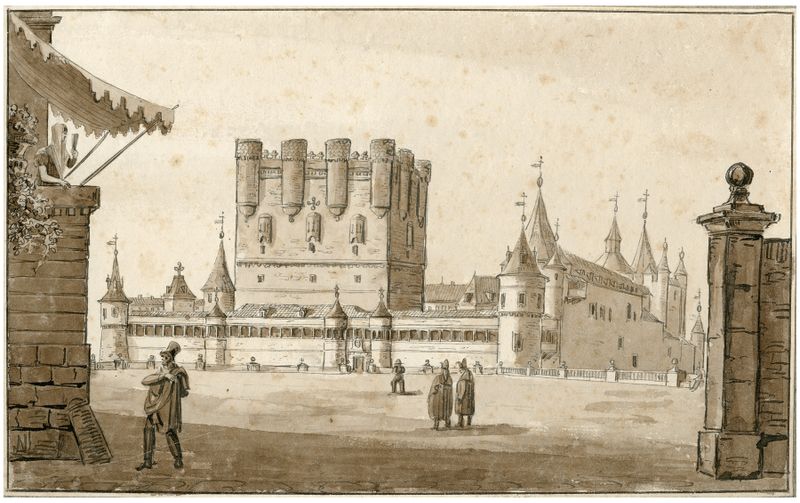
Het Alcazar te Segovia
Otto Howen
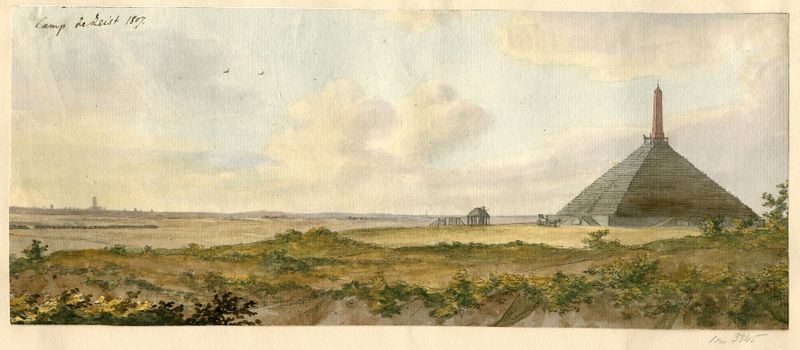
De piramide van Austerlitz bij Zeist
Otto Howen
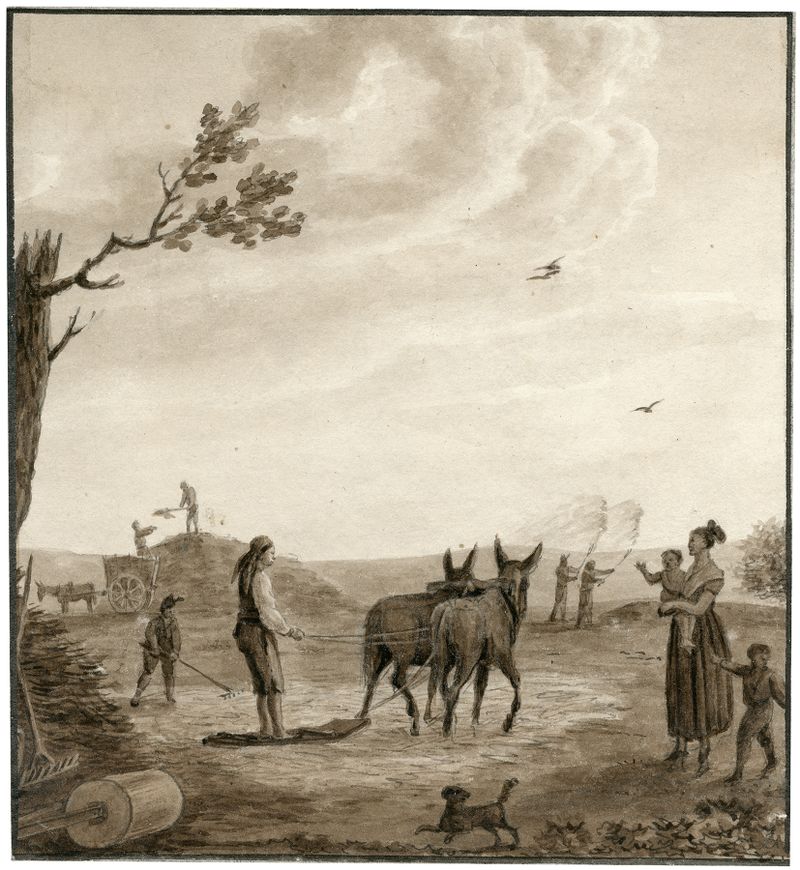
Het dorsen van het graan
Otto Howen
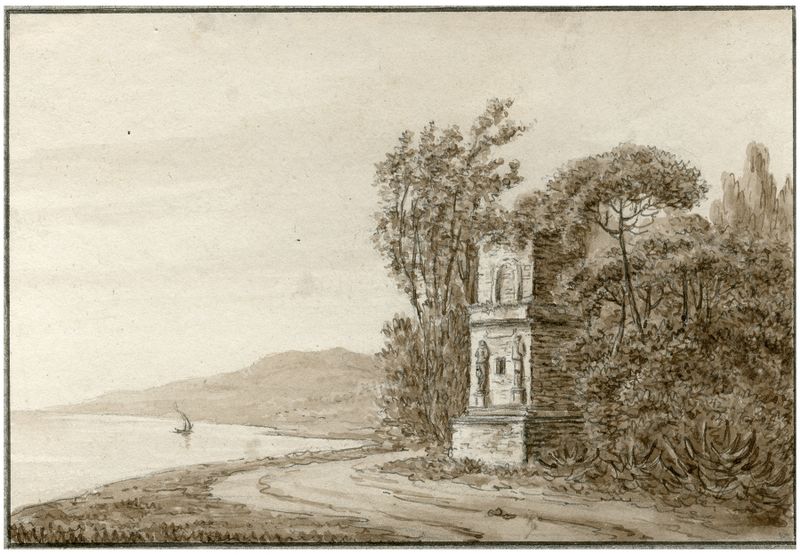
Een antiek monument in de omgeving van Taragone
Otto Howen
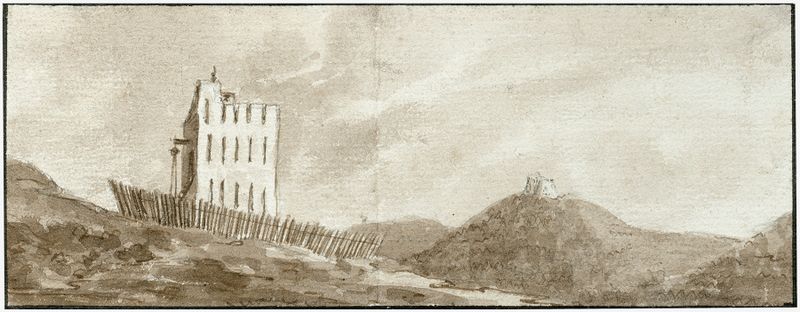
Gezicht in de omgeving van Gerona
Otto Howen
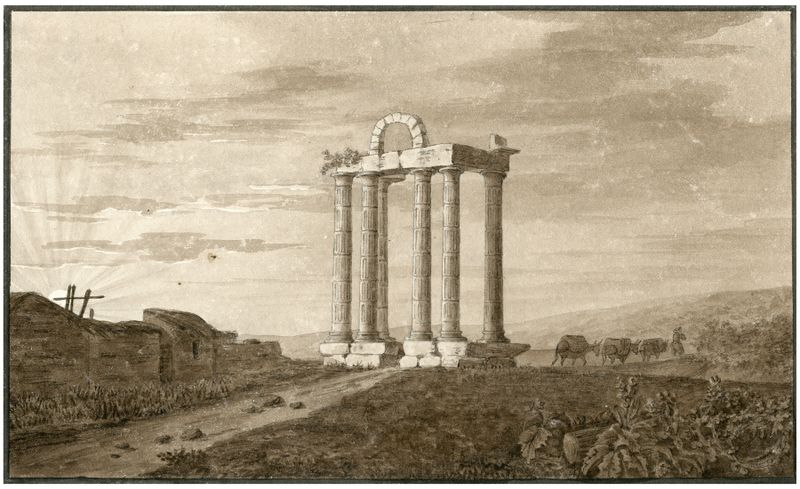
Antieke Ruïnes bij Talavera in Castillie
Otto Howen
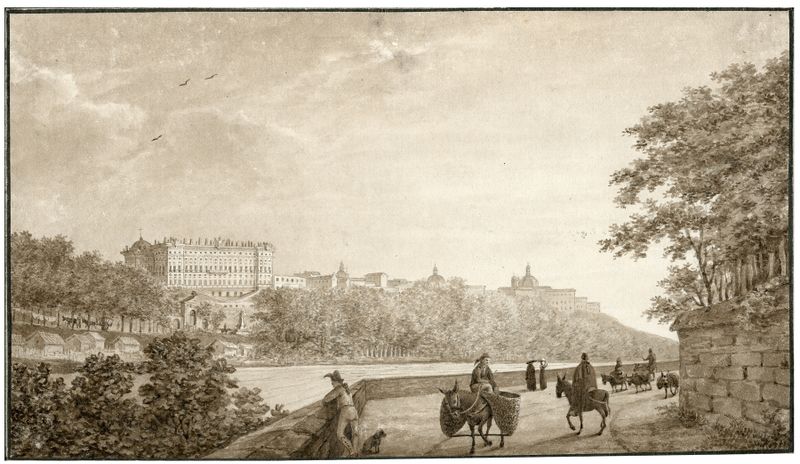
Het Koninklijke Paleis te Madrid
Otto Howen
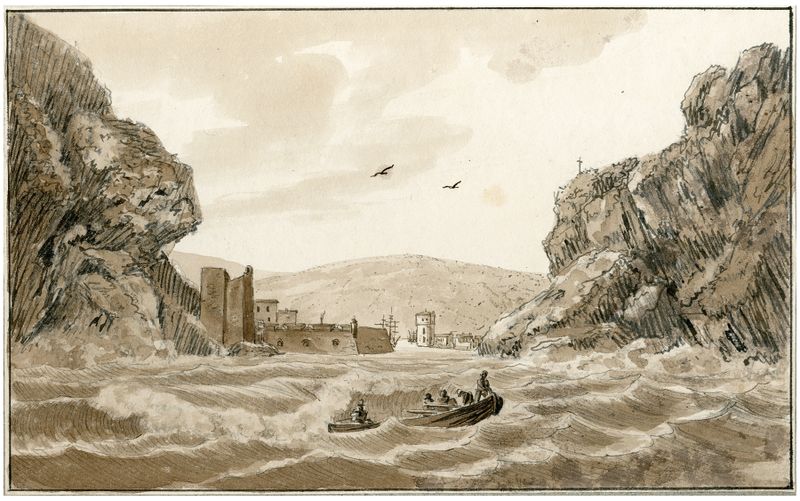
Een havenplaats in Spanje, Port de Passage
Otto Howen
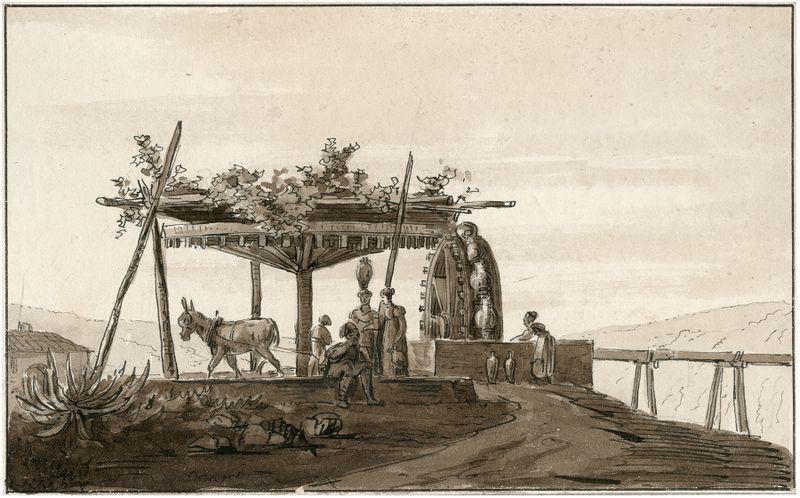
Een waterput met raderwerk en trekezel
Otto Howen
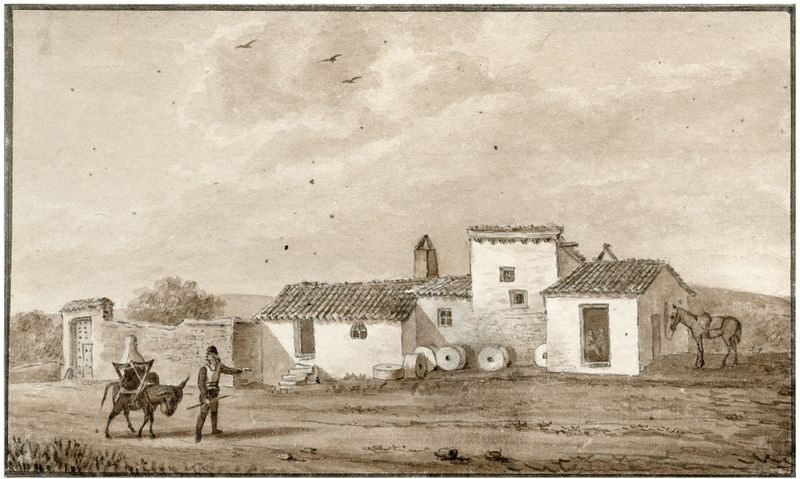
Een landhuis in de omgeving van Madrid
Otto Howen
More Architecture Art
Browse all →
The statue of Liberty
Frédéric Auguste Bartholdi

View of Houses in Delft, Known as ‘The Little Street’
Johannes Vermeer

View of Houses in Delft, Known as ‘The Little Street’
Johannes Vermeer

The Cathedral in Rouen. The portal, Grey Weather
Claude Monet

The yellow house
Vincent van Gogh

The Church in Auvers-sur-Oise, View from the Chevet
Vincent van Gogh